Culture & Sport


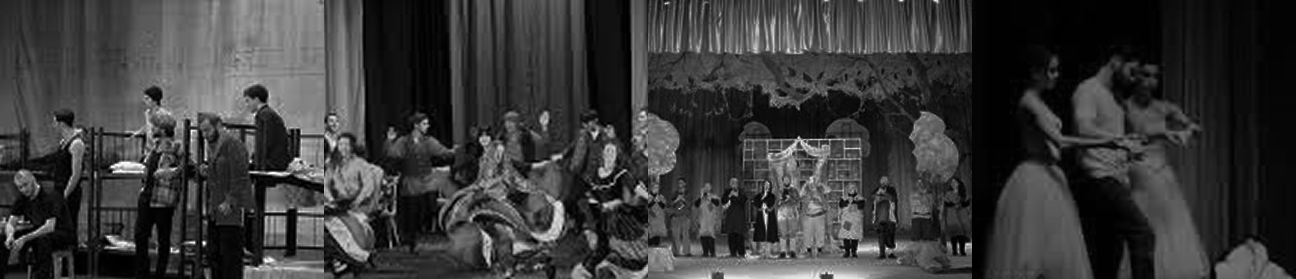
Public Theater
The popularity of the Georgian Polytechnic Institute’s People’s Theater has gone beyond Georgia and has gained international recognition. The theater’s performances have been seen by many spectators from the Federal Republic of Germany, the United States of America, Finland, Poland and other countries. The theater is a multiple laureate of all-Union and international festivals.
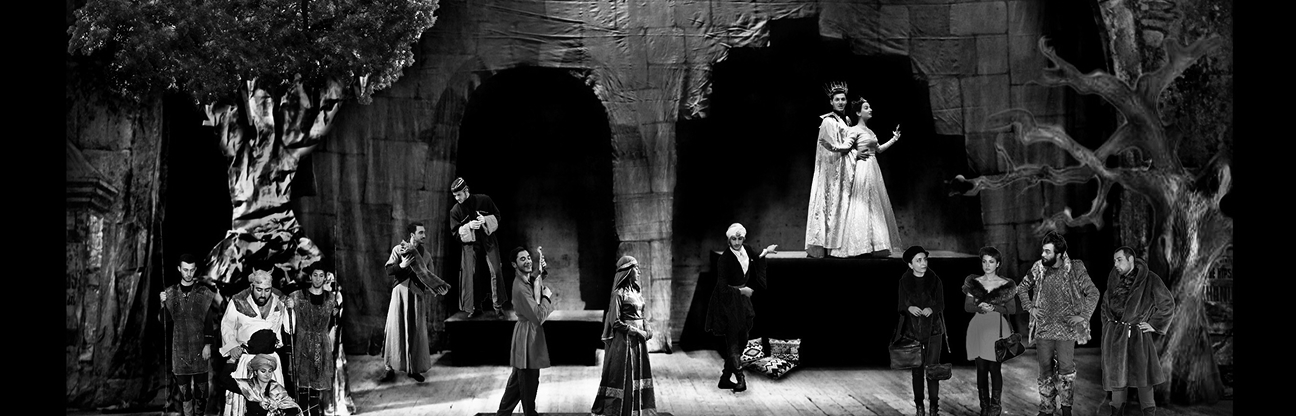
"Modi Nakhe"
Since 1975, the student drama collective of the Georgian Polytechnic Institute has been called the Theater-Studio “Come and See”, with GTU graduate Nugzar Butskhrikidze appointed as its director. Four years later, the studio was awarded the honorary title of People’s Theater.
1980
In 1980, the theater was awarded the title of laureate of the First and Second Union Festivals in Lithuania, namely in Kaunas and Vilnius.
1986
The SPI Theater achieved great success in the Federal Republic of Germany in 1986. The play “The Foreign Bird”, based on the stories of Revaz Gabriadze, was presented on stage, which the following year was awarded the Grand Prix at the World Festival of Amateur Theaters in the city of Utrecht, Netherlands (then Holland).
1988
The student troupe also won the Grand Prix at the International Festival in Finland in June 1988. “Come and See” was the first Georgian theater group to visit the United States. The theater presented two performances in America: “The Taming of the Shrew” by Lasha Tabukashvili and “The Strange Bird” by Revaz Gabriadze.
"Triumph"
“Modi Nakhe” had another triumph at the World Amateur Festival in Japan. Vadim Korostilev’s “Pirosman” won the Grand Prix, Nugzar Butskhrikidze won for Best Director, and Tamaz Kapanadze and Tamaz Beitrishvili won the main prizes for Best Actor.
1986
In Germany, at the Sandkorn Theater in Karlsruhe, Guram Dochanashvili’s play “Khorumi is a Georgian Dance”.
100th anniversary
Currently, more than 100 stage enthusiasts work at the theater. “Modi Nakhe” A. Giovannini’s play “God Created Man” was staged on the occasion of the 100th anniversary of the Tbilisi State University of Art, which the author liked and invited the theater to tour the Italian capital.