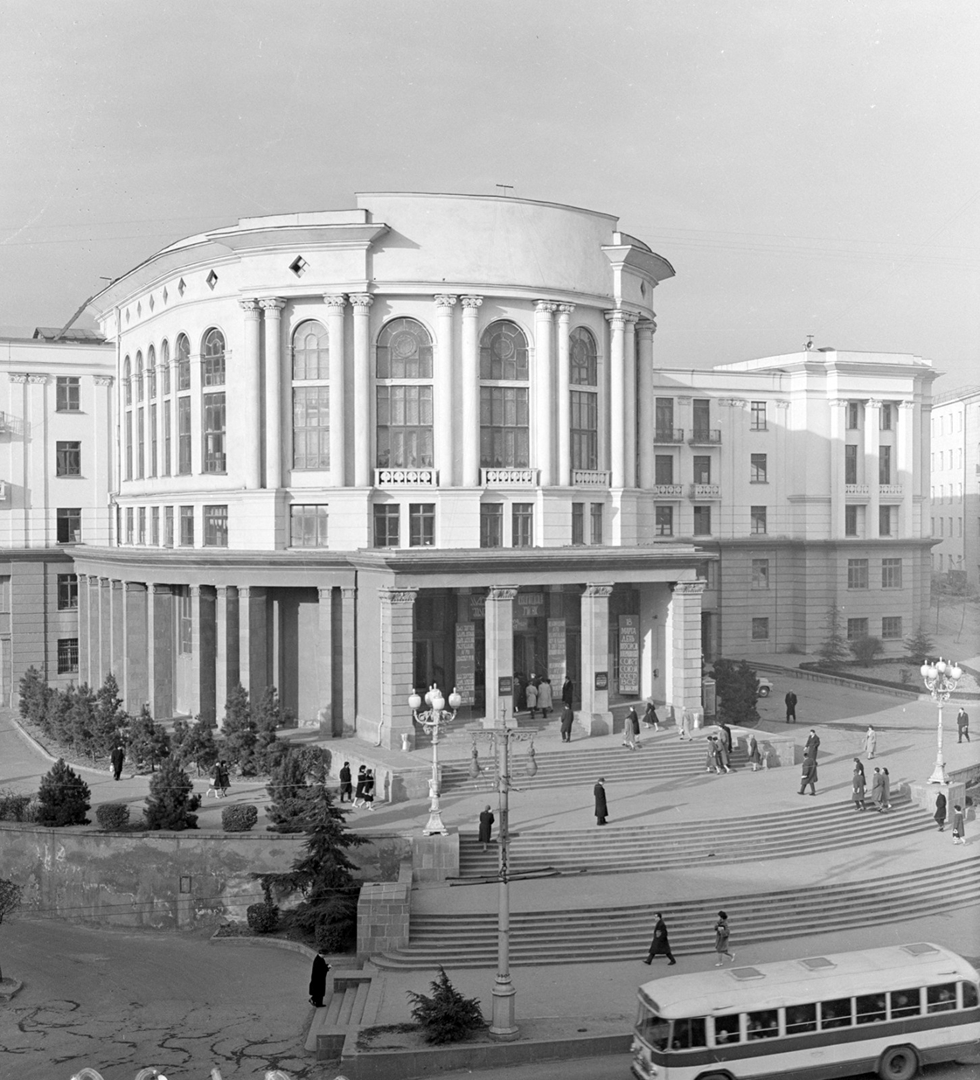
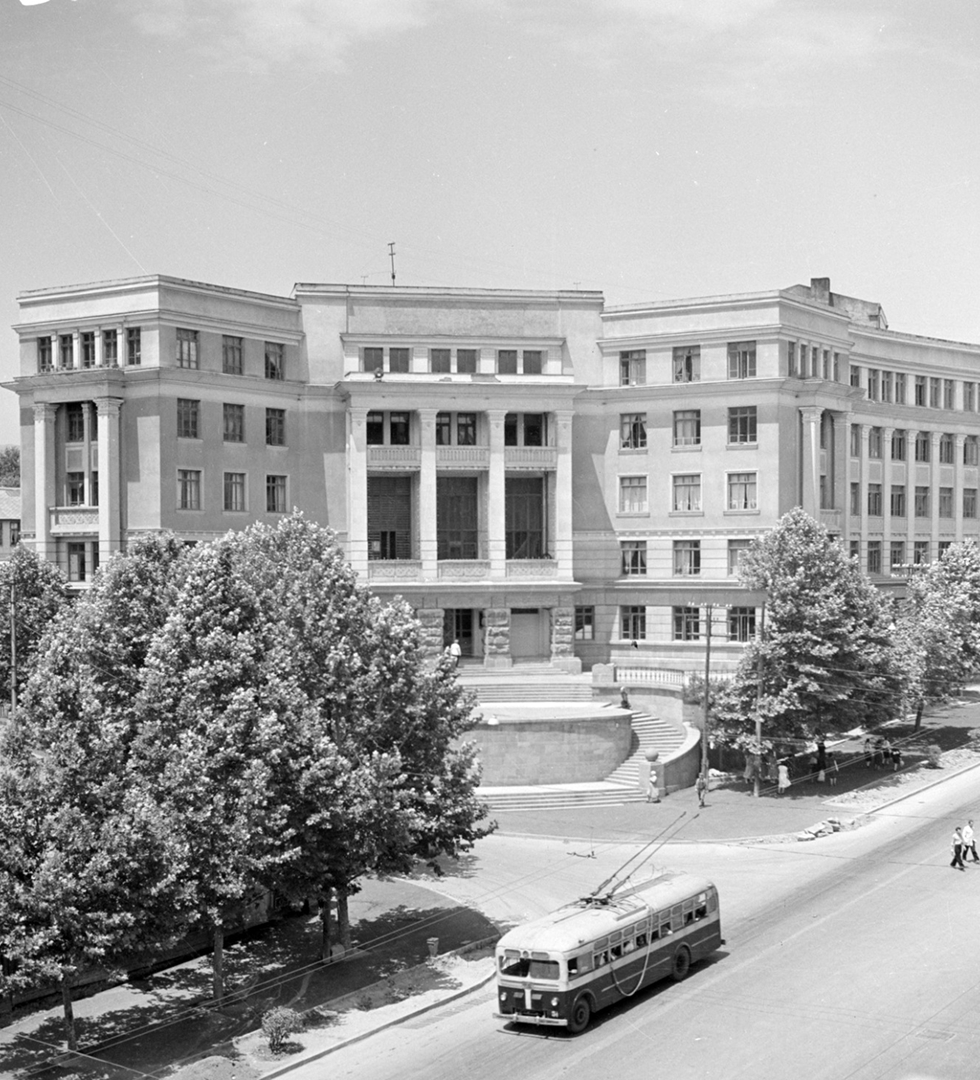
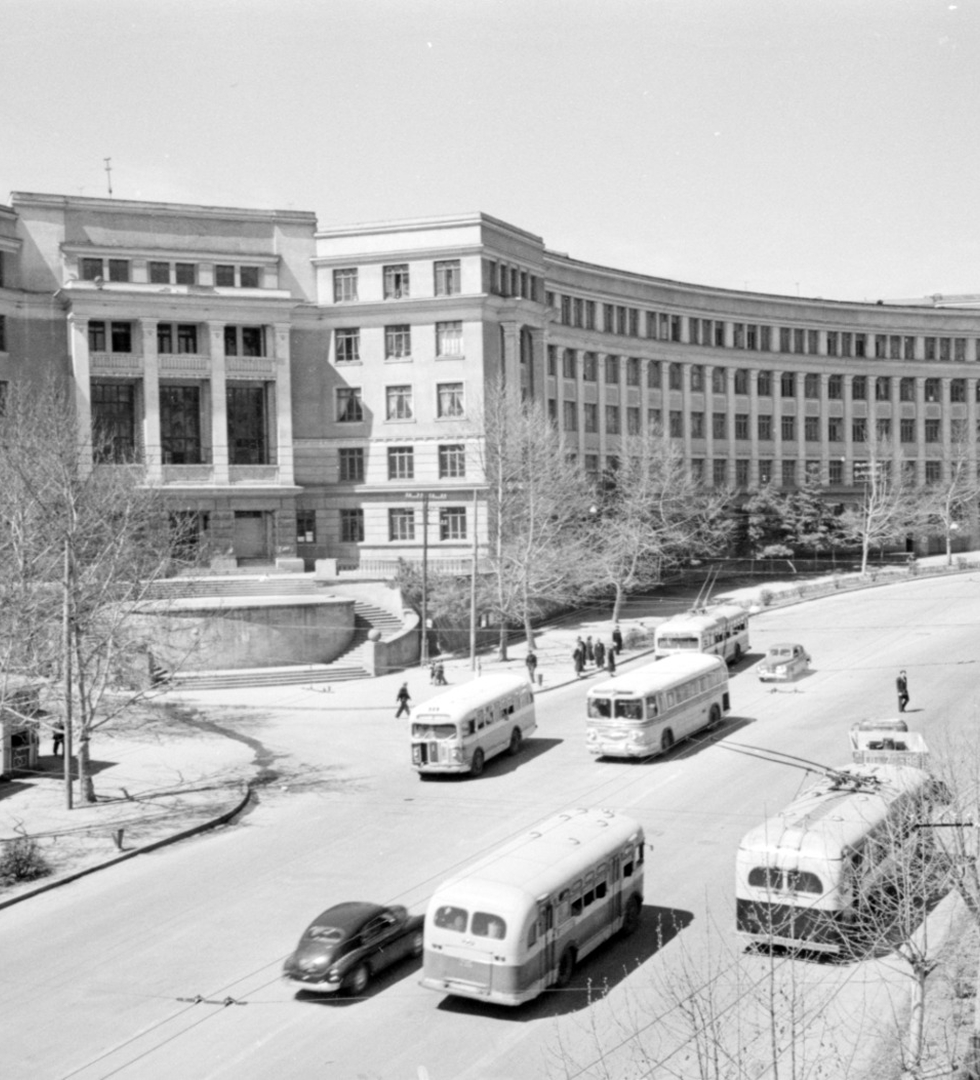
1988
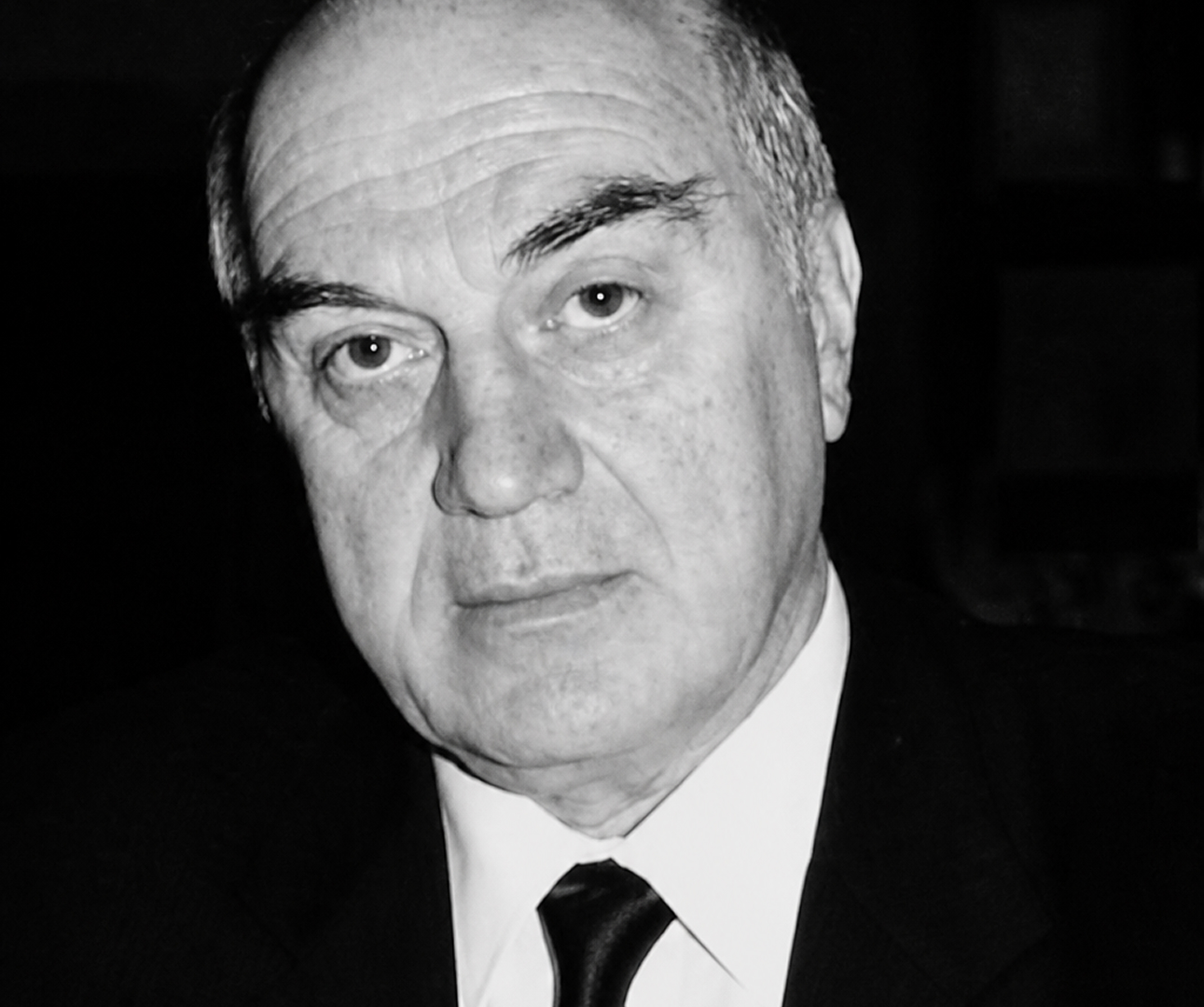
At an expanded meeting of the Academic Council, Professor Gocha Chogovadze was elected Rector.
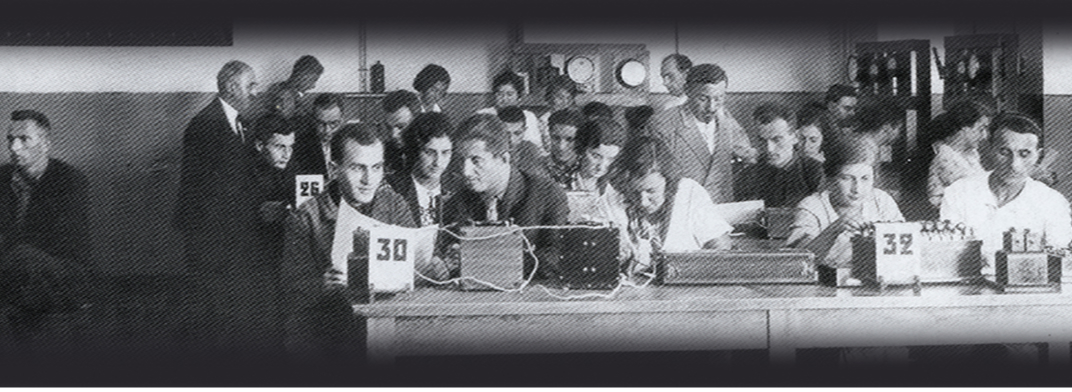
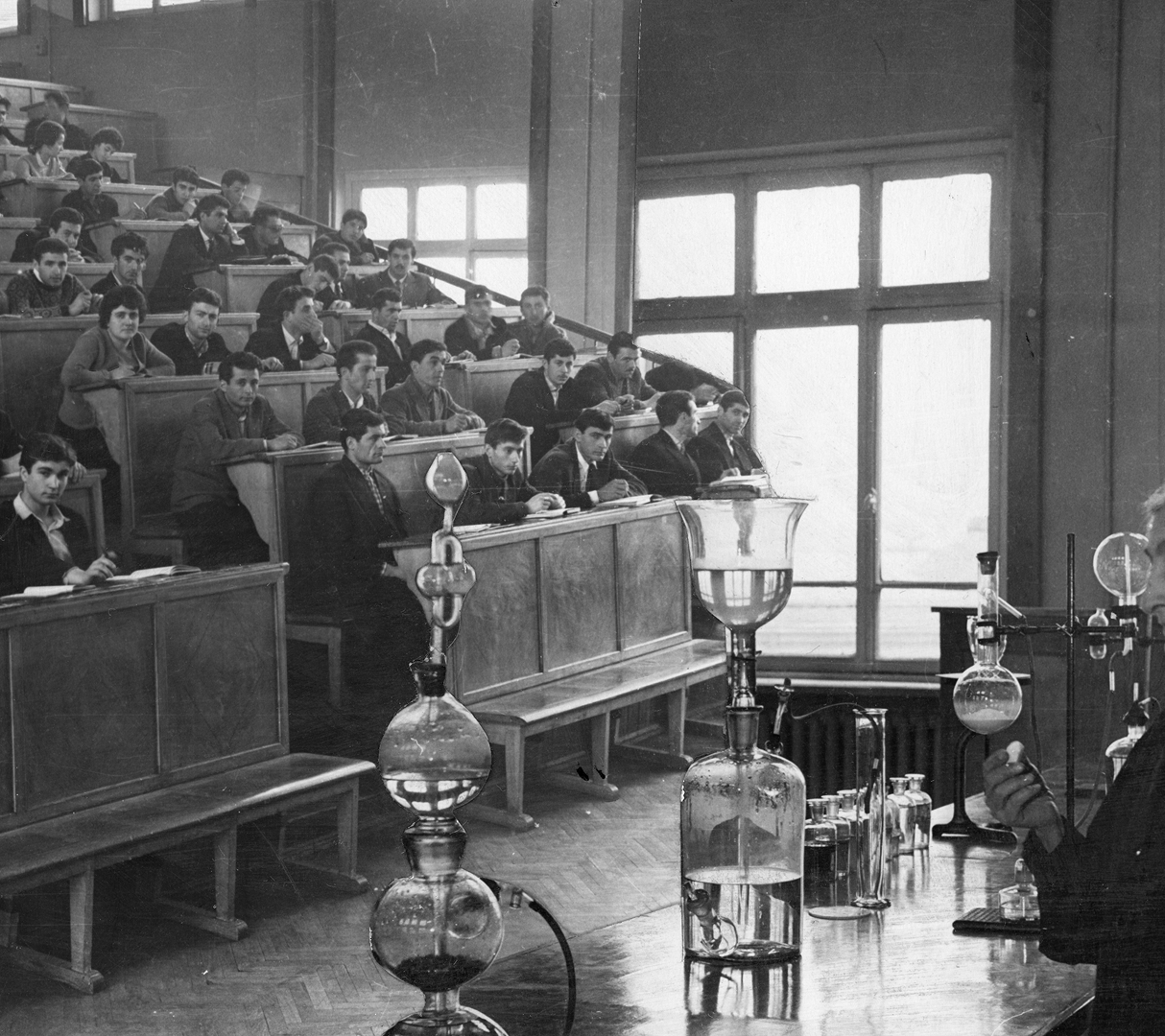
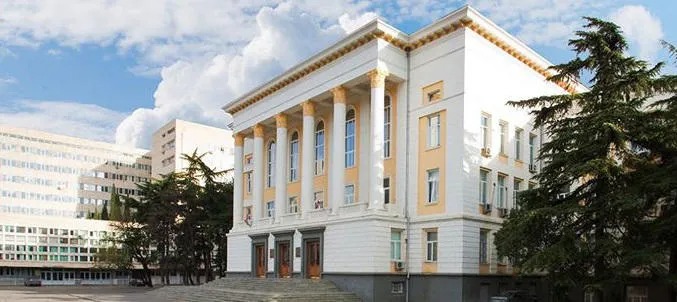
At the beginning of the 20th century, on January 16, 1922, the Faculty of Engineering was established at Tbilisi State University. Its mission was to train engineers in various fields and thereby contribute to the development of a forward-looking national infrastructure.
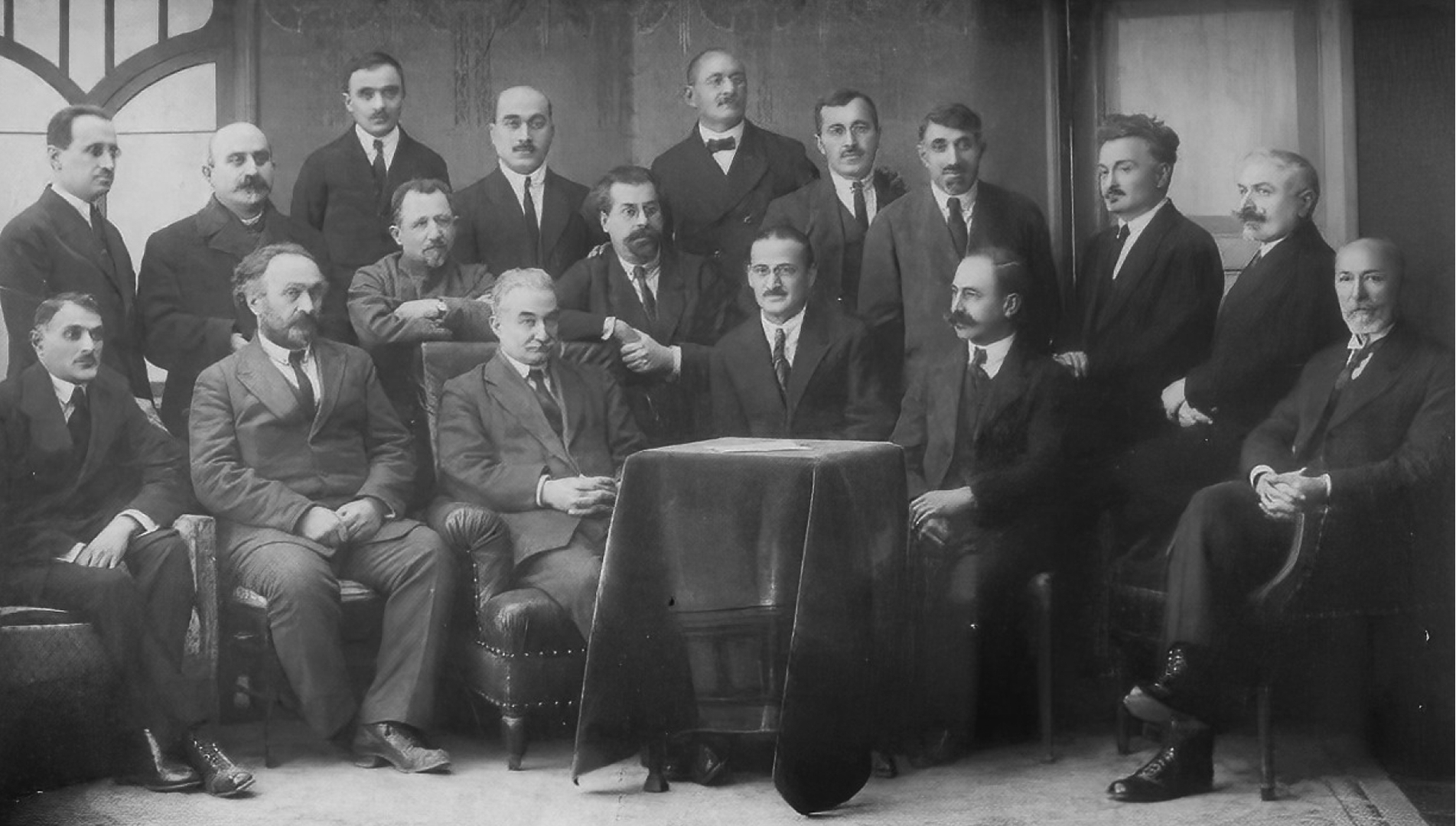
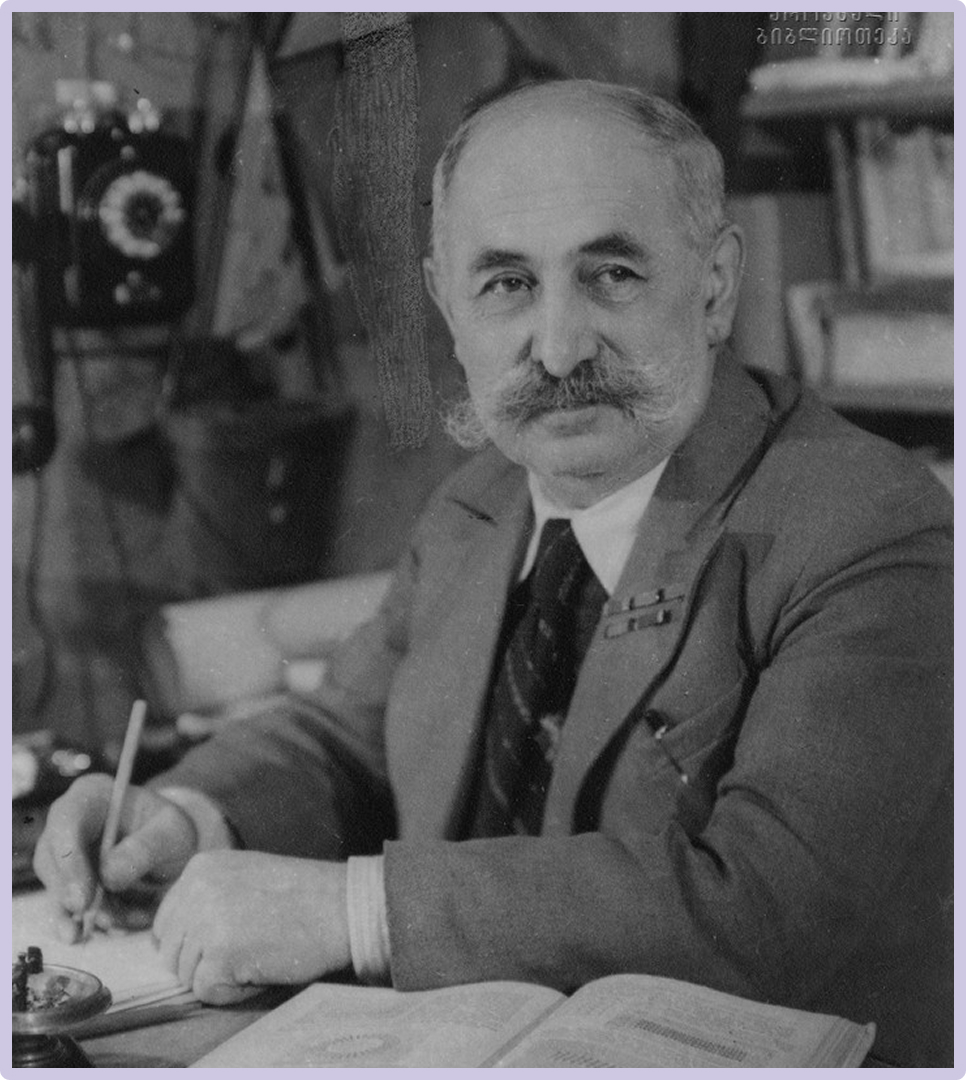
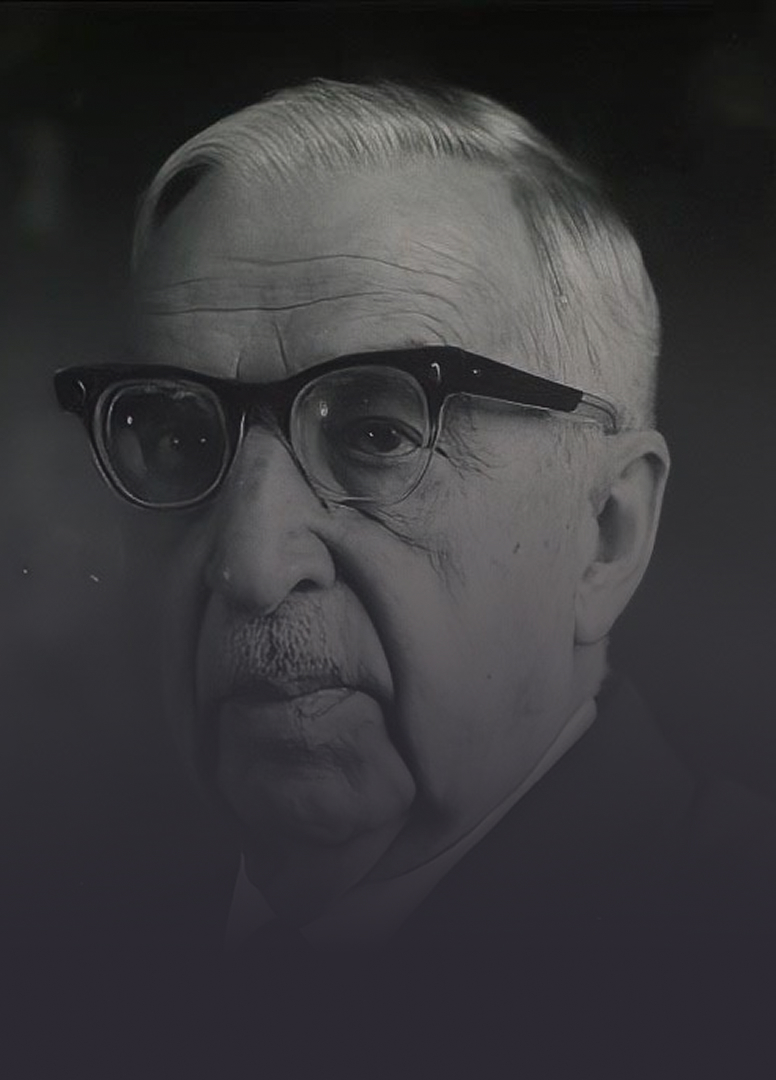
By decision of the University’s Academic Council, the initiator of the Faculty’s establishment, distinguished scholar, Georgian physicist and energy specialist, Professor Aleksandre Didebulidze, was elected Dean of the Faculty (1922-1926).
Architectural Engineering
Hydrotechnical Engineering
Highway Engineering
Electromechanical Engineering
Hydromechanical Engineering
Thermomechanical Engineering
Mining Engineering
Metallurgical Engineering
Chemical Engineering and Technology
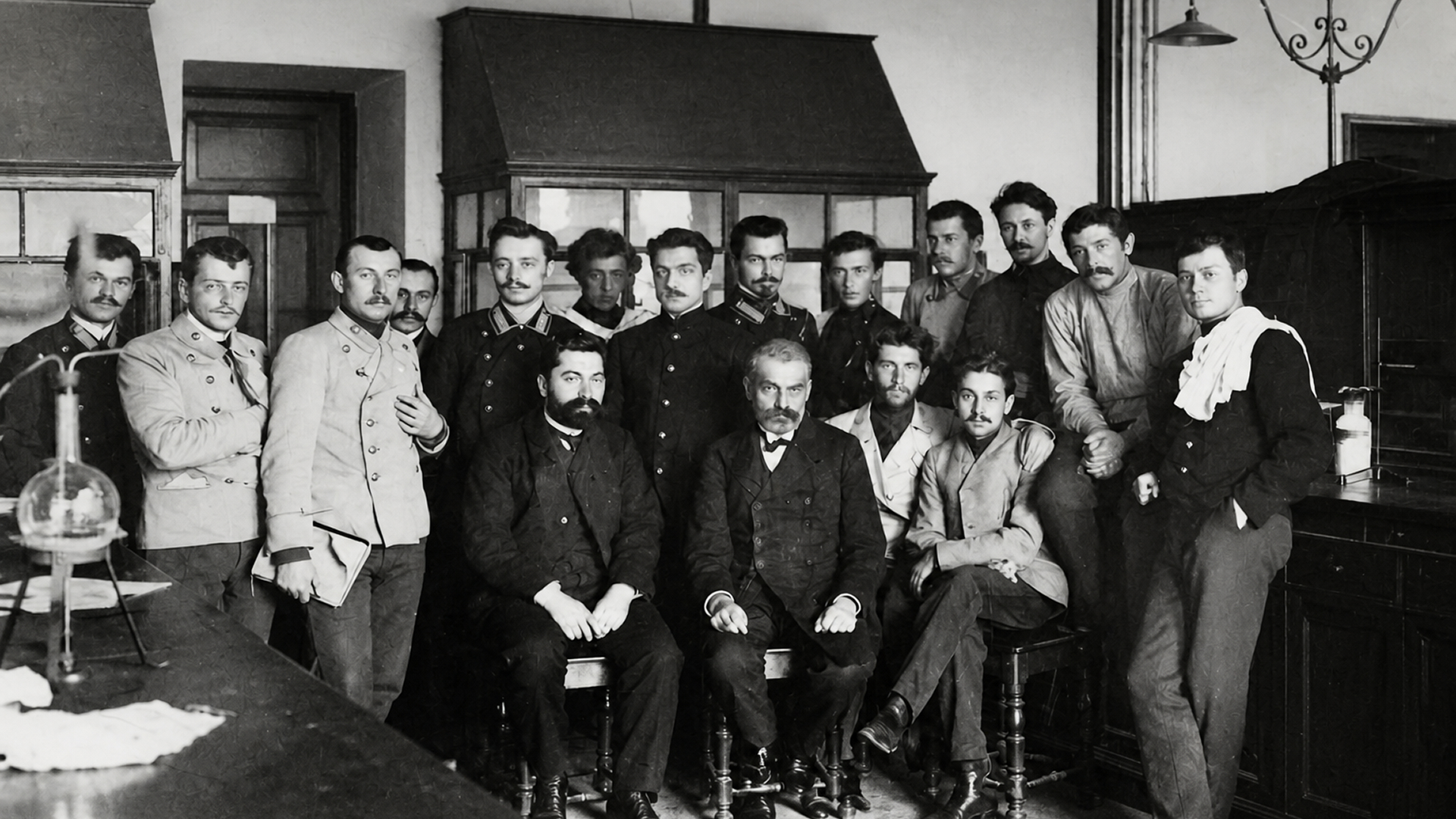
The entrance examination subjects for the Faculty of Engineering were algebra, geometry, and trigonometry.
During this period, the publication of Georgian-language textbooks in the technical sciences began, along with the development of Georgian technical terminology.
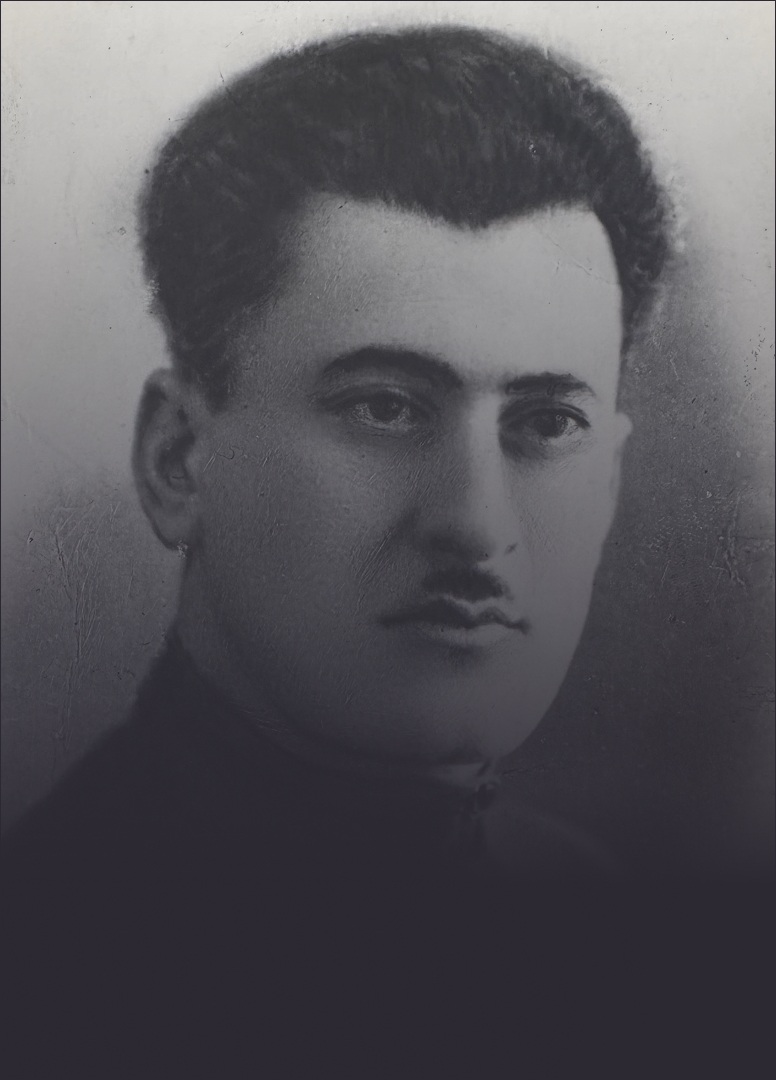
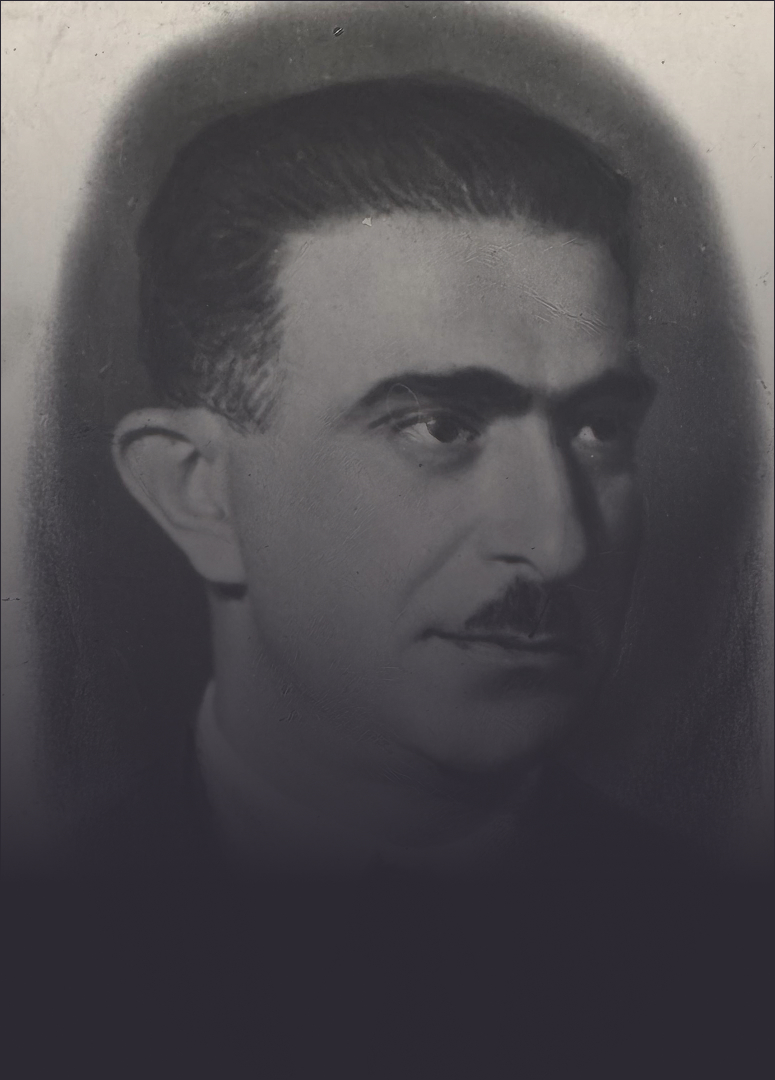
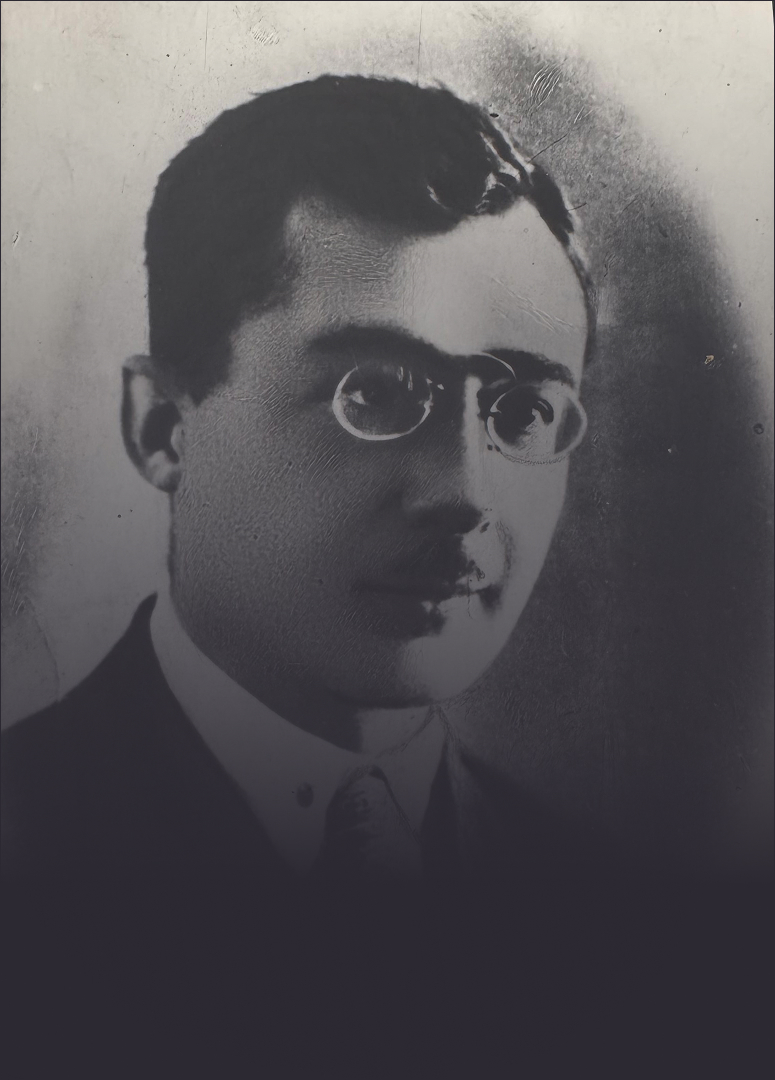
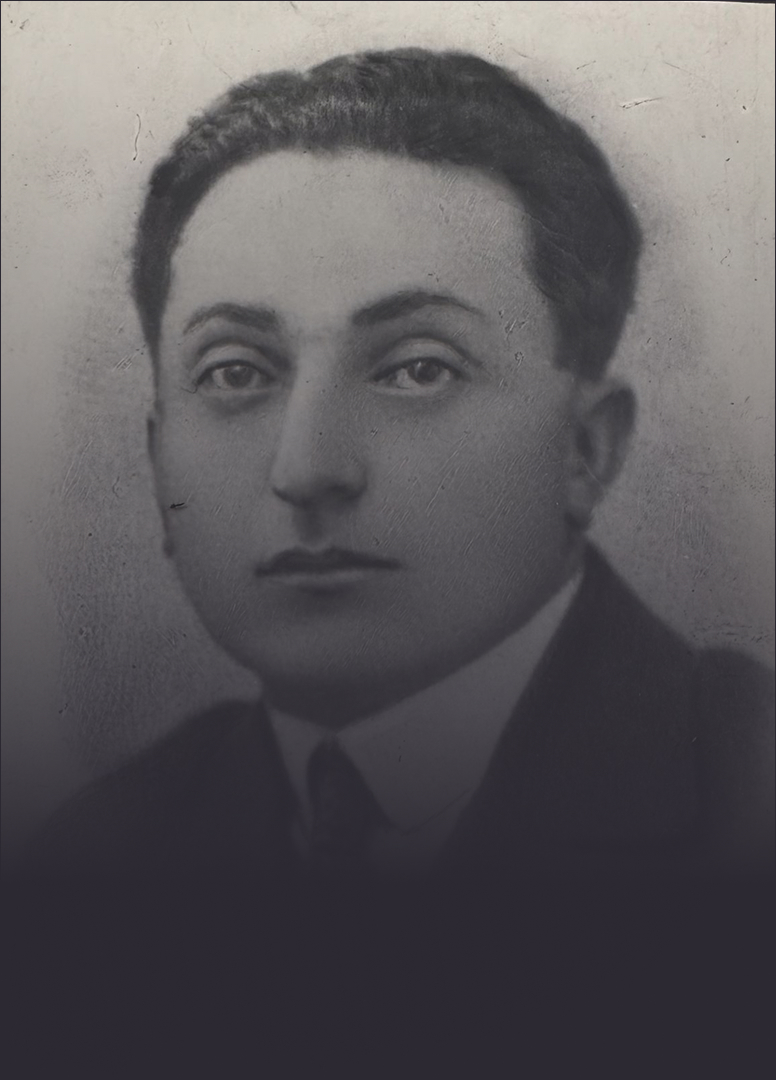
The first cohort of Georgian engineers graduated on June 28, 1928. On that day, six students of the Faculty of Engineering defended their diploma projects: Nikoloz Kalatozishvili, Viktor Mamaladze, Aleksandre Mikaberidze, Evgeni Chikovani, Ivane Gvichia, and Irakli Maghalashvili. They were soon joined by four more engineers: Konstantine Peradze, Parmen Jikia, Mikheil Khevsuriani, and Malakia Bregvadze.
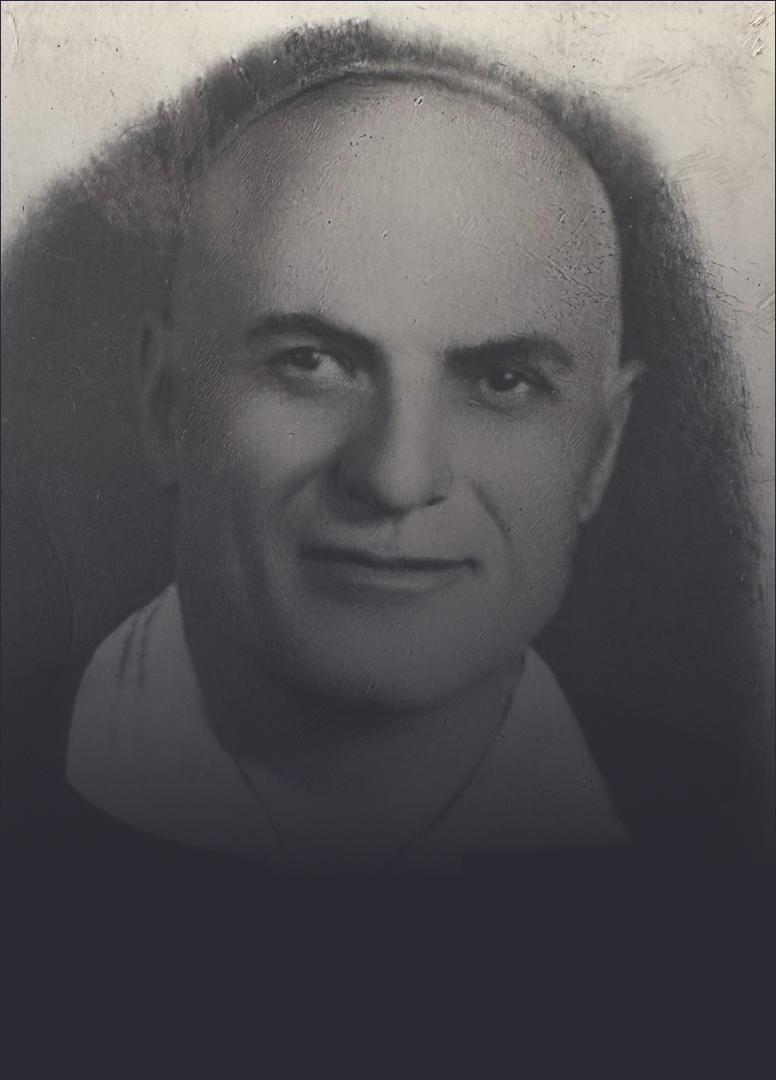
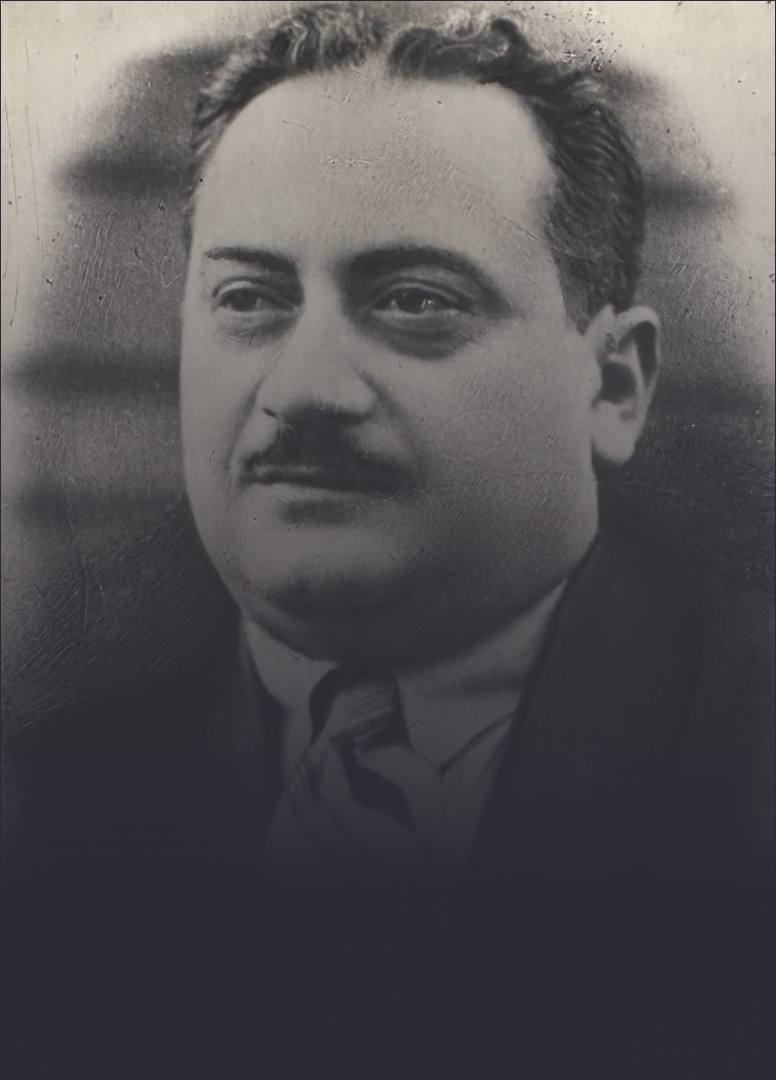
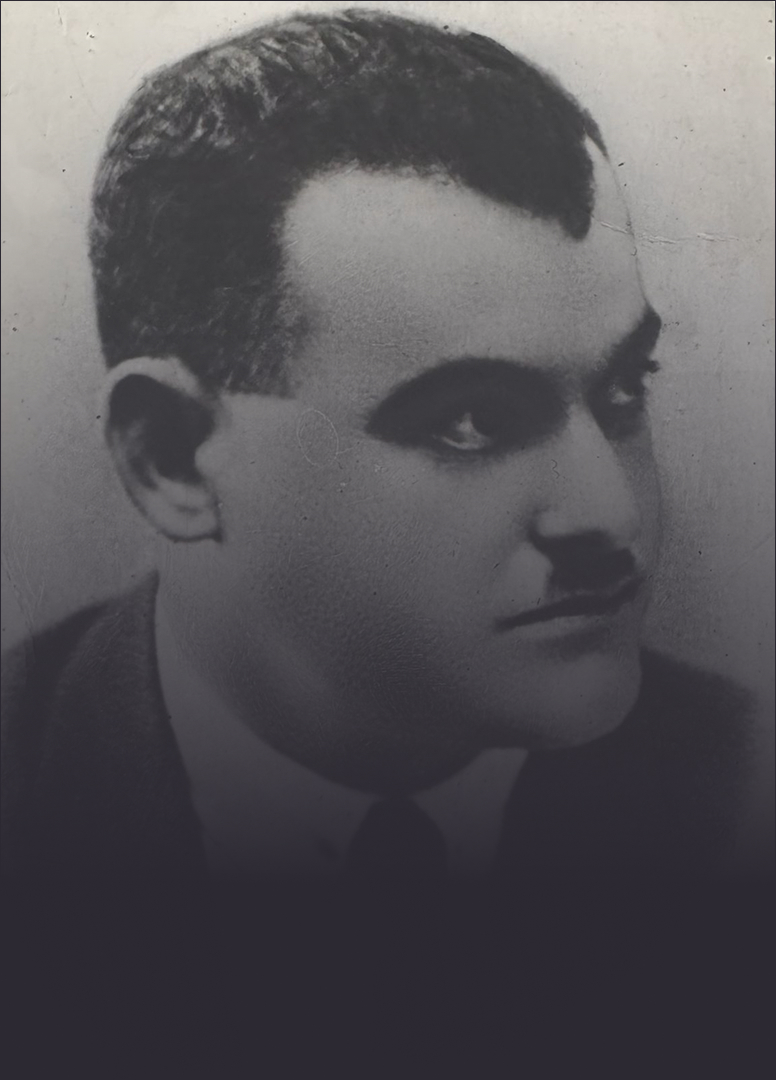
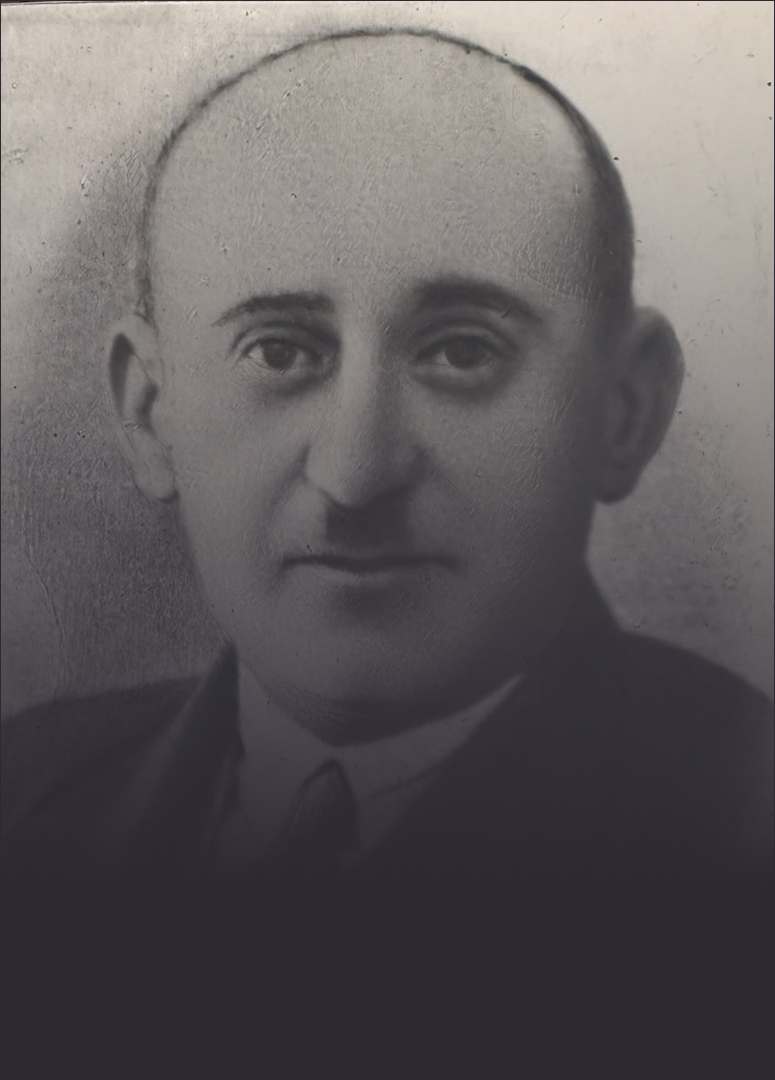
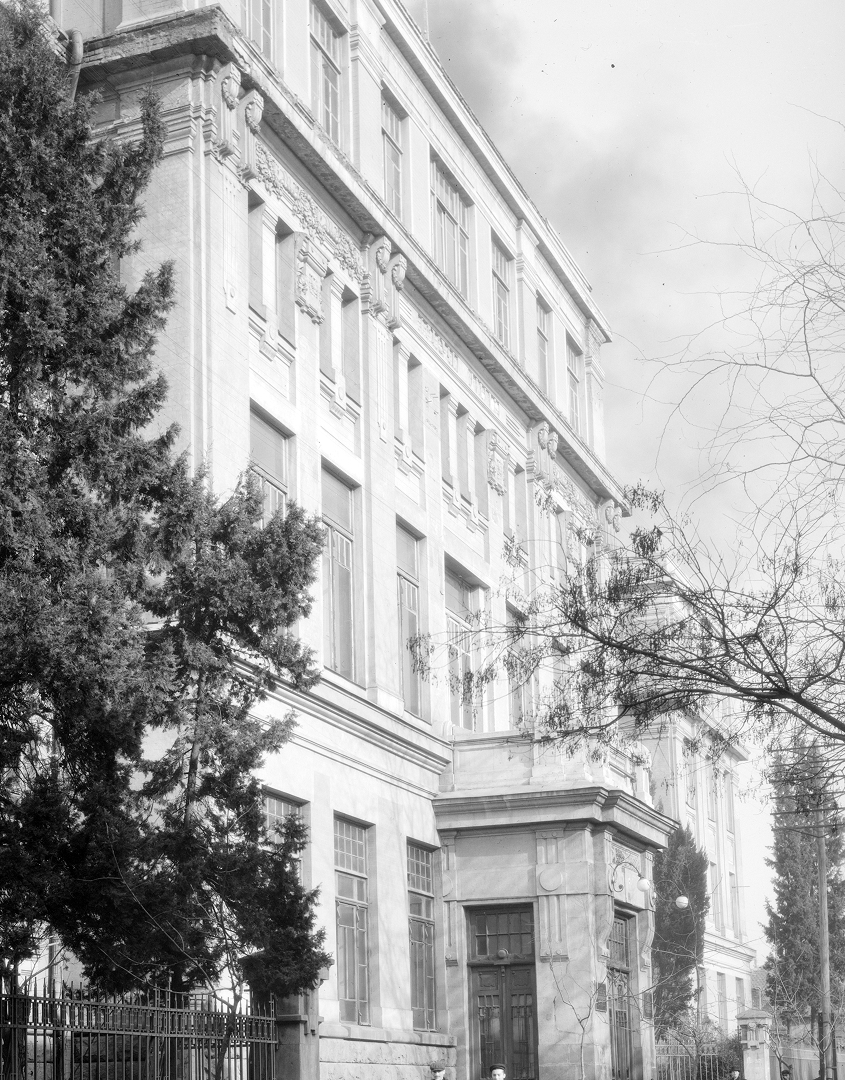
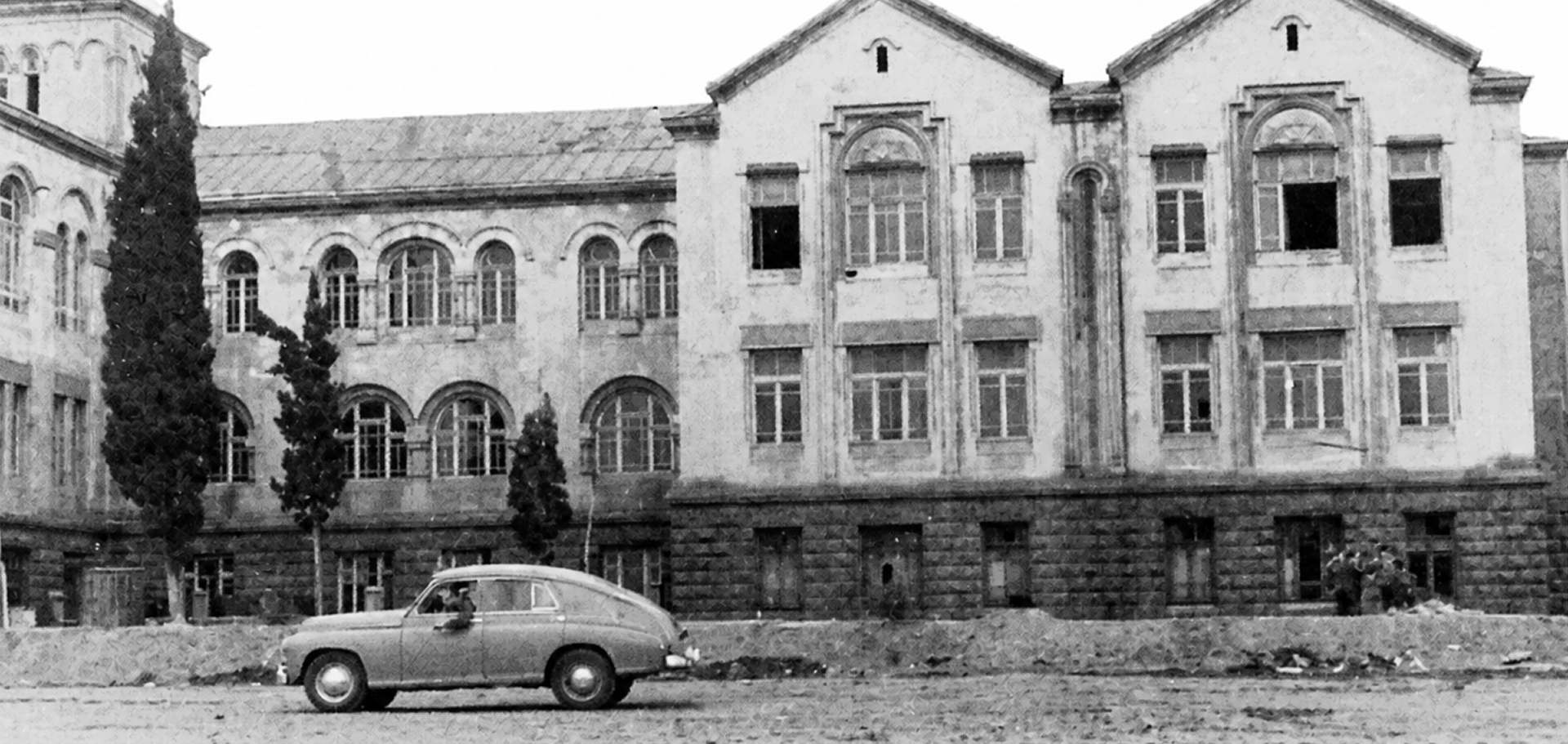
In October 1928, the Engineering Department of the Transcaucasian Polytechnic Institute, established in 1917, was incorporated into the Faculty of Engineering of Tbilisi State University. The department comprised the following faculties:
Engineering, Economics, Hydromechanical Engineering, and Agricultural Sciences, as well as departments and laboratory facilities in Physics, Chemistry, Mineralogy, Crystallography, Geodesy, Zoology, Botany, Apiculture, Animal Anatomy and Physiology, Meteorology and Climatology, Political Economy and Statistics, General and Caucasian Geography, and Mathematics.
Department of Roads and Bridges
Department of Hydraulic Engineering
Department of Civil Construction
Department of Transport Operations
Mechanical Engineering Department
Mining Engineering Department
Chemical Engineering and Technology Department
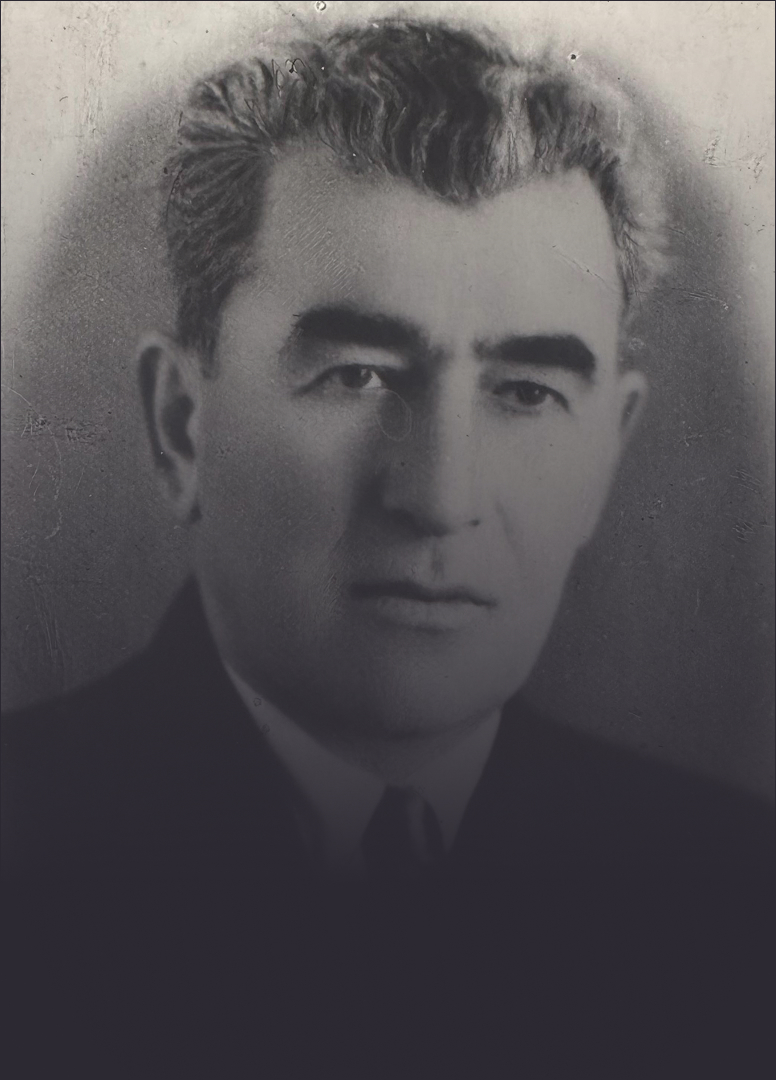
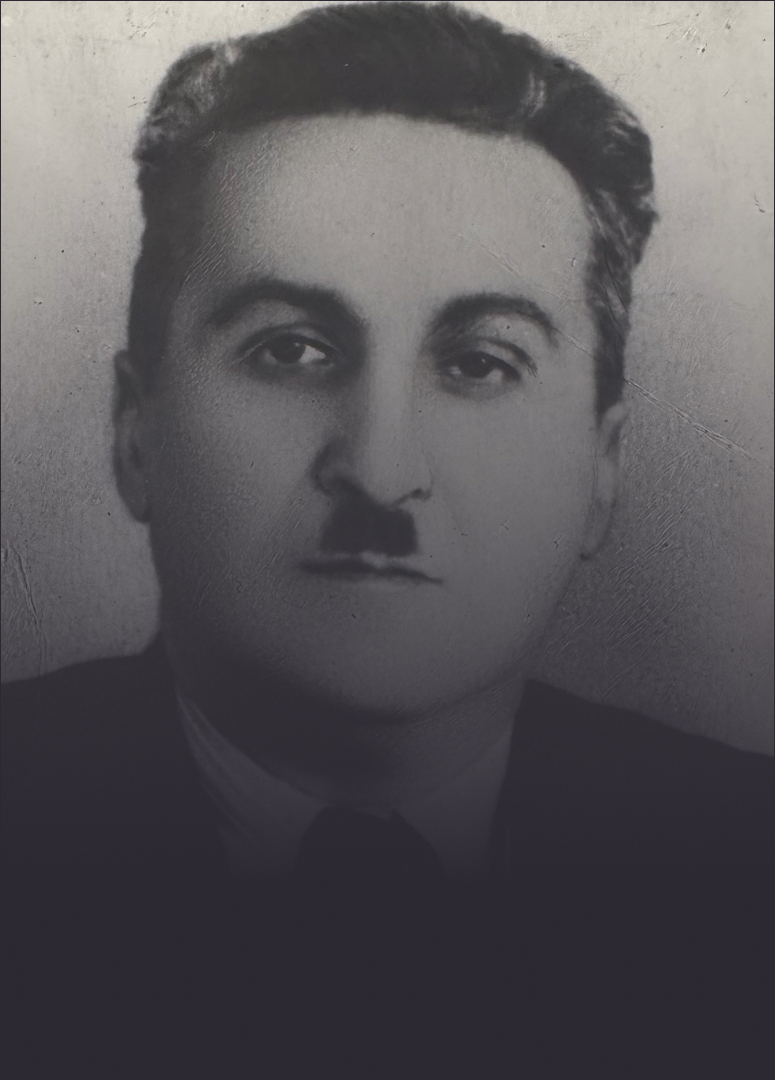
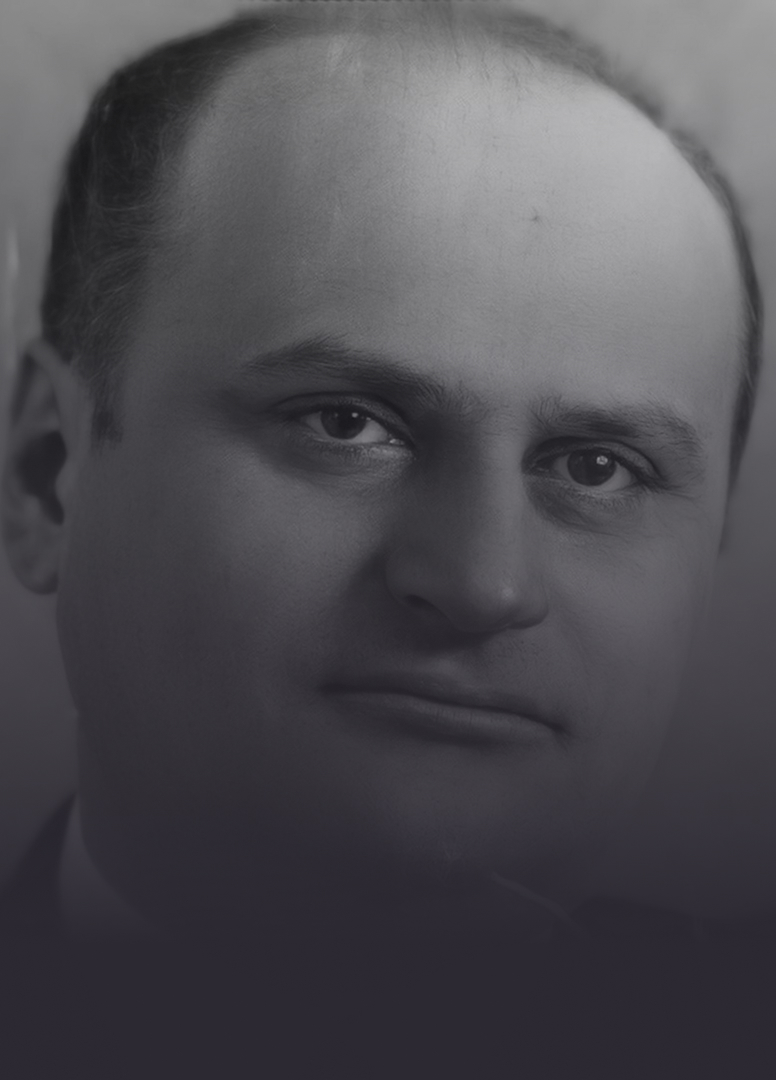
The Academic Council elected Davit Kandelaki, who at the time served as Georgia’s People’s Commissar for Education (Minister of Education), a prominent representative of the Georgian intelligentsia, and one of the initiators of the Institute’s establishment, as its first rector. Professor Nikoloz Muskhelishvili, founder of the Georgian school of mathematics and mechanics, and Professor Evgeni Petkevich were appointed as vice-rectors.
In 1933, as a result of the reorganization, it became part of the Transcaucasian Industrial Institute.
In 1932, the institute had approximately 1,500 students. In the same year, it was merged with the Transcaucasian Chemical Technology Institute, resulting in the establishment of the Transcaucasian Mining and Chemical Institute.
In 1947, it was reorganized as the Tbilisi Institute of Railway Transport Engineers.
In 1933, more than 1,000 students were enrolled. That same year, as a result of the reorganization of higher education institutions, it became part of the Transcaucasian Industrial Institute.
That same year, as a result of the reorganization of higher education institutions, it became part of the Transcaucasian Industrial Institute.
In 1930, approximately 600 students were enrolled. In 1931, the institute was relocated to (Ganja, Azerbaijan)
At that time, the Institute comprised six faculties
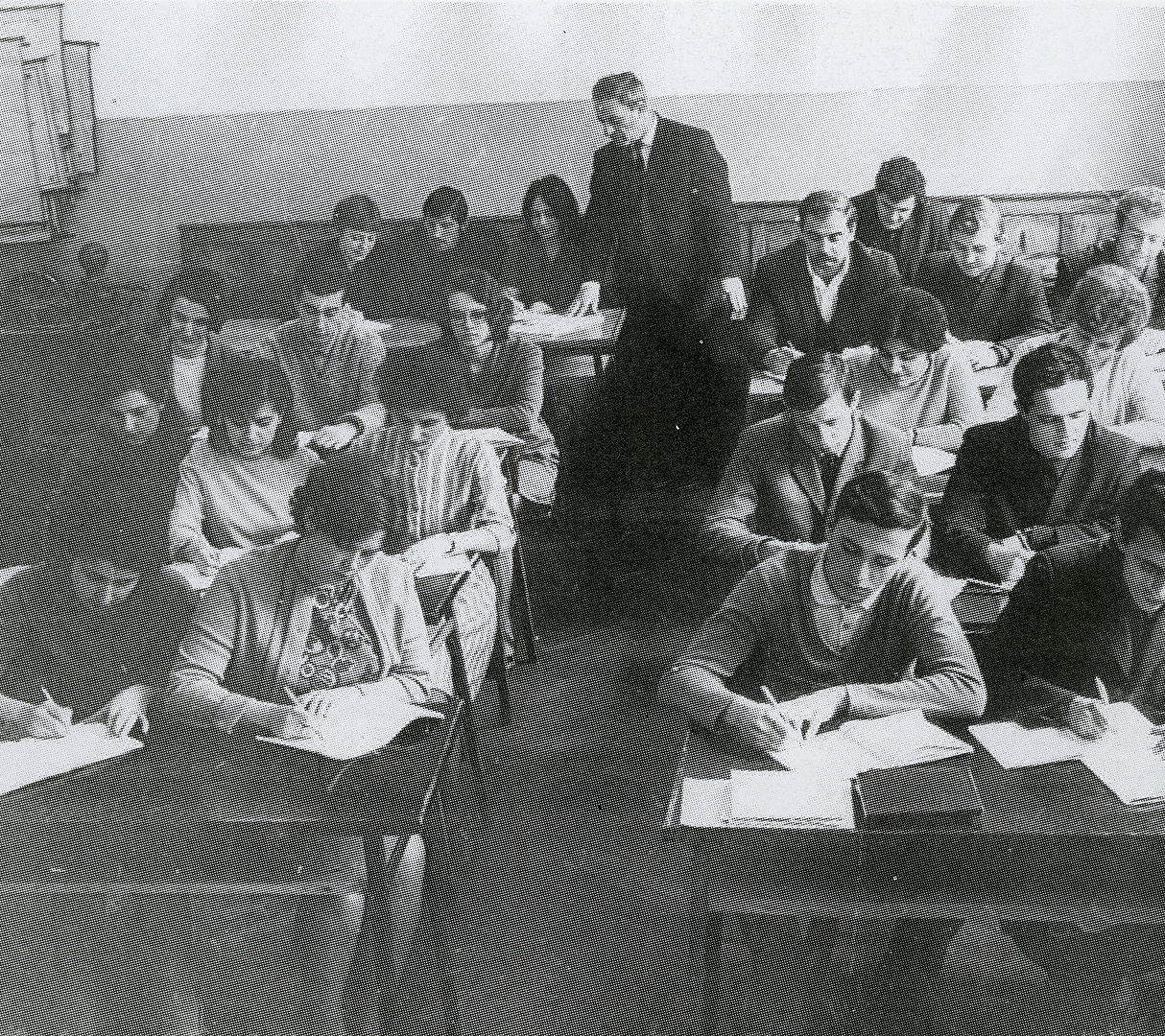
Fifteen faculties operated on a full-time basis.
Dean, Professor Gabriel Ninua
Dean, Professor N. Tsivtsivadze
Dean, Associate Professor Davit Bezashvili
Dean, Associate Professor Elmira Chkhikvadze
Dean, Professor Nikoloz Tsivtsivadze
Dean, Professor Jemal Lomsadze
Dean, Associate Professor G. Chikhladze
Dean, Associate Professor A. Shalamberidze
Dean, Professor Vladimir Sanadze
Dean, Associate Professor Nodar Mgaloblishvili
Dean, Professor Nikolozi Motsonelidze
Dean, Professor G. Japaridze
Dean, Professor A. Kereselidze
Dean, Associate Professor D. Petriashvili
Dean, Professor K. Imedashvili
Seven faculties operated under evening, part-time study programs: Tbilisi, Rustavi, Batumi, Chiatura, Tkibuli (with a Zestafoni division), Poti, and Gori. In addition, faculties offering correspondence education operated in Tbilisi and Sukhumi, with consultation centers in Telavi and Zugdidi.
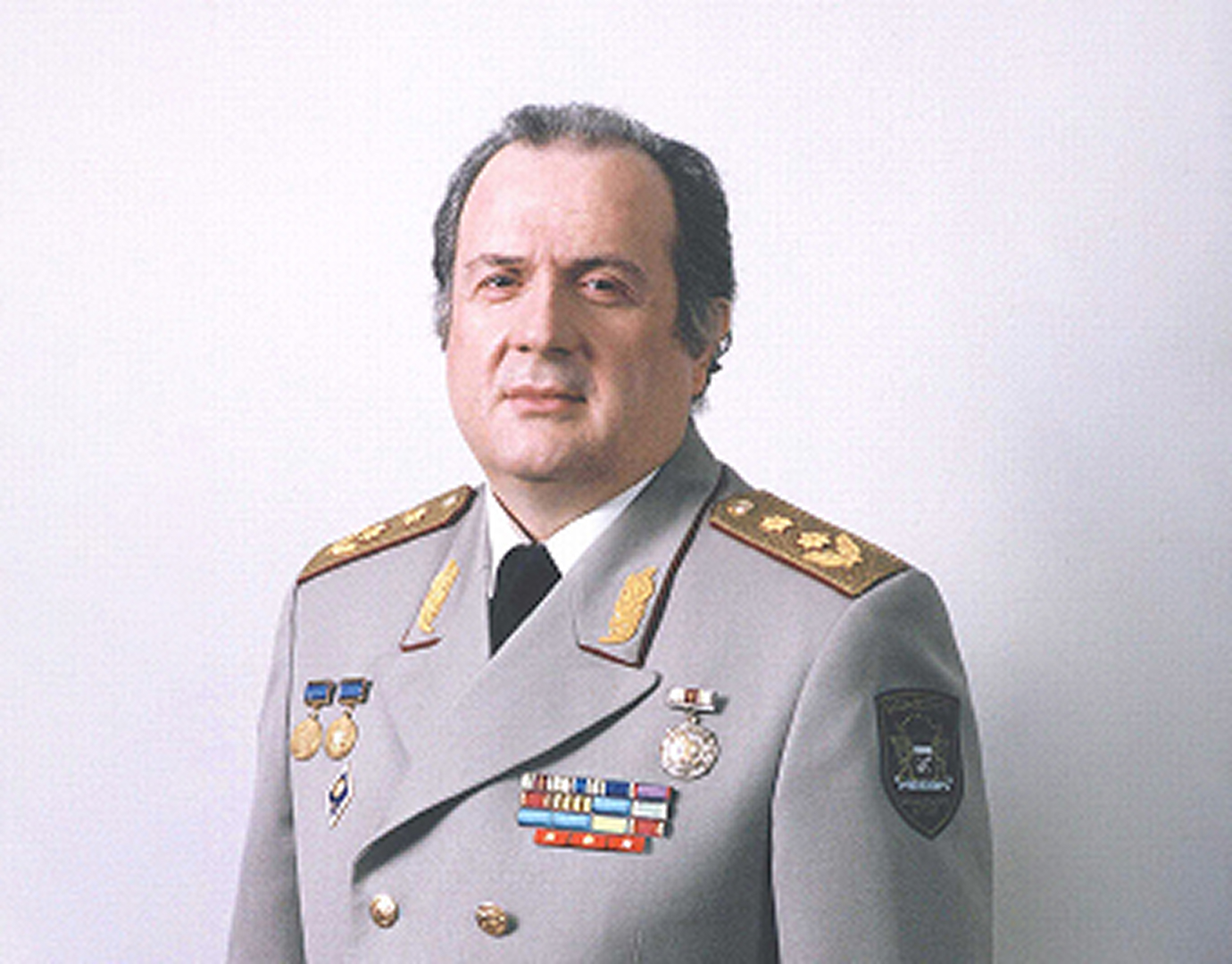
Until 1988, the heads of the Georgian Polytechnic Institute were appointed by the government. In 1988, the first election for the position of rector was held
At an expanded meeting of the Academic Council, Professor Gocha Chogovadze was elected Rector.
That year, the Georgian Polytechnic Institute was granted the status of a technical university
In 1992, the Faculty of Humanities and Technology was established.
At the end of the 1990s, reforms were initiated under Rector Professor Gocha Chogovadze with the aim of aligning the university with the European higher education system and establishing the principles of democratization and institutional autonomy. A three-tier system of higher education was introduced at the Technical University, comprising bachelor’s, master’s, and doctoral programs under Rector Professor Ramaz Khurodze. The foundation was also laid for the introduction of new fields of study, including Engineering Management, Public Administration, Banking, Business Administration, Law, and others.


In 2005, the Innovation Foundation-Technology Park was established to support the development of students’ innovative ideas.
Since 2006, student self-government has been established at GTU to ensure that students’ views are taken into consideration in the decision-making process concerning important matters of university life.



Today
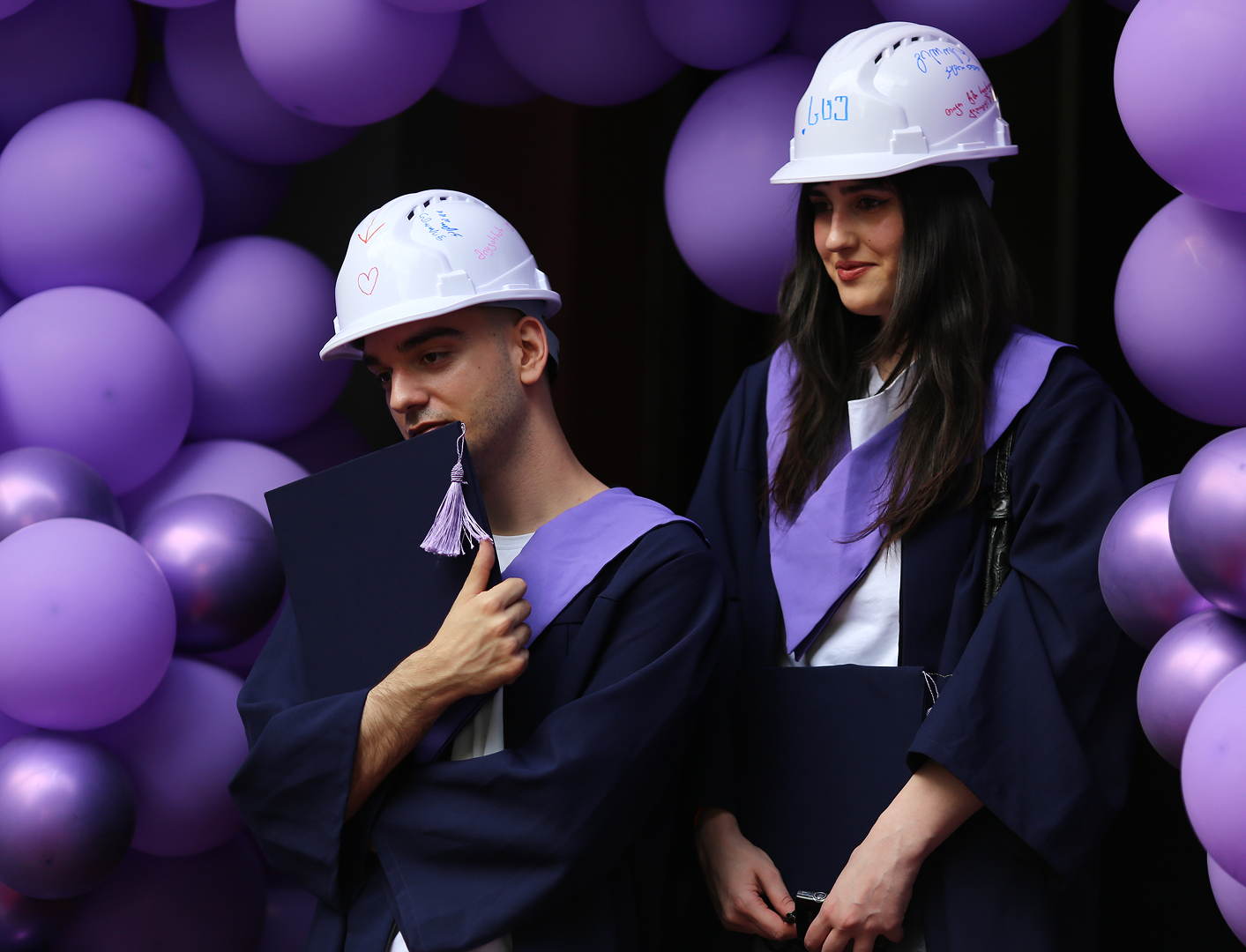

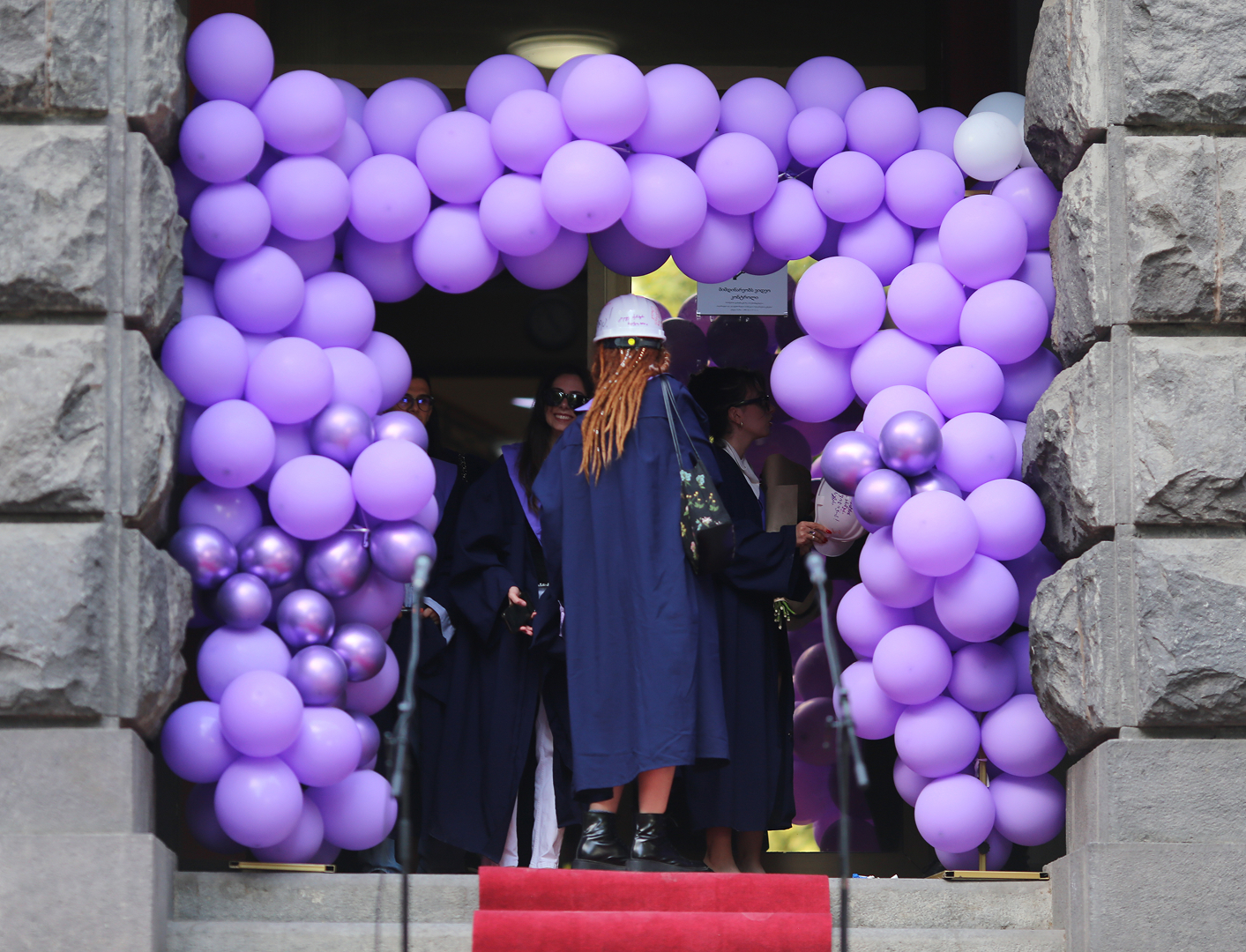
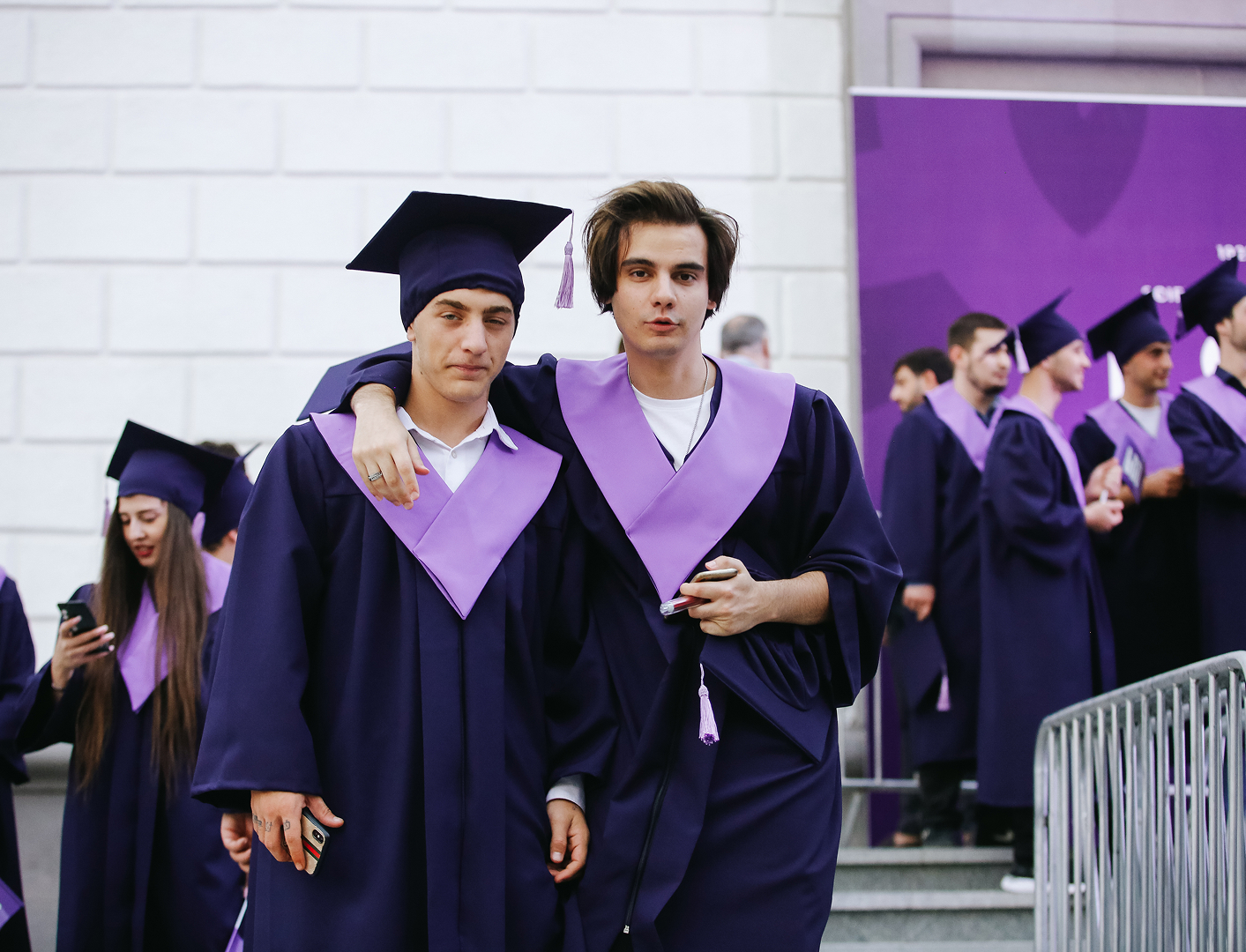
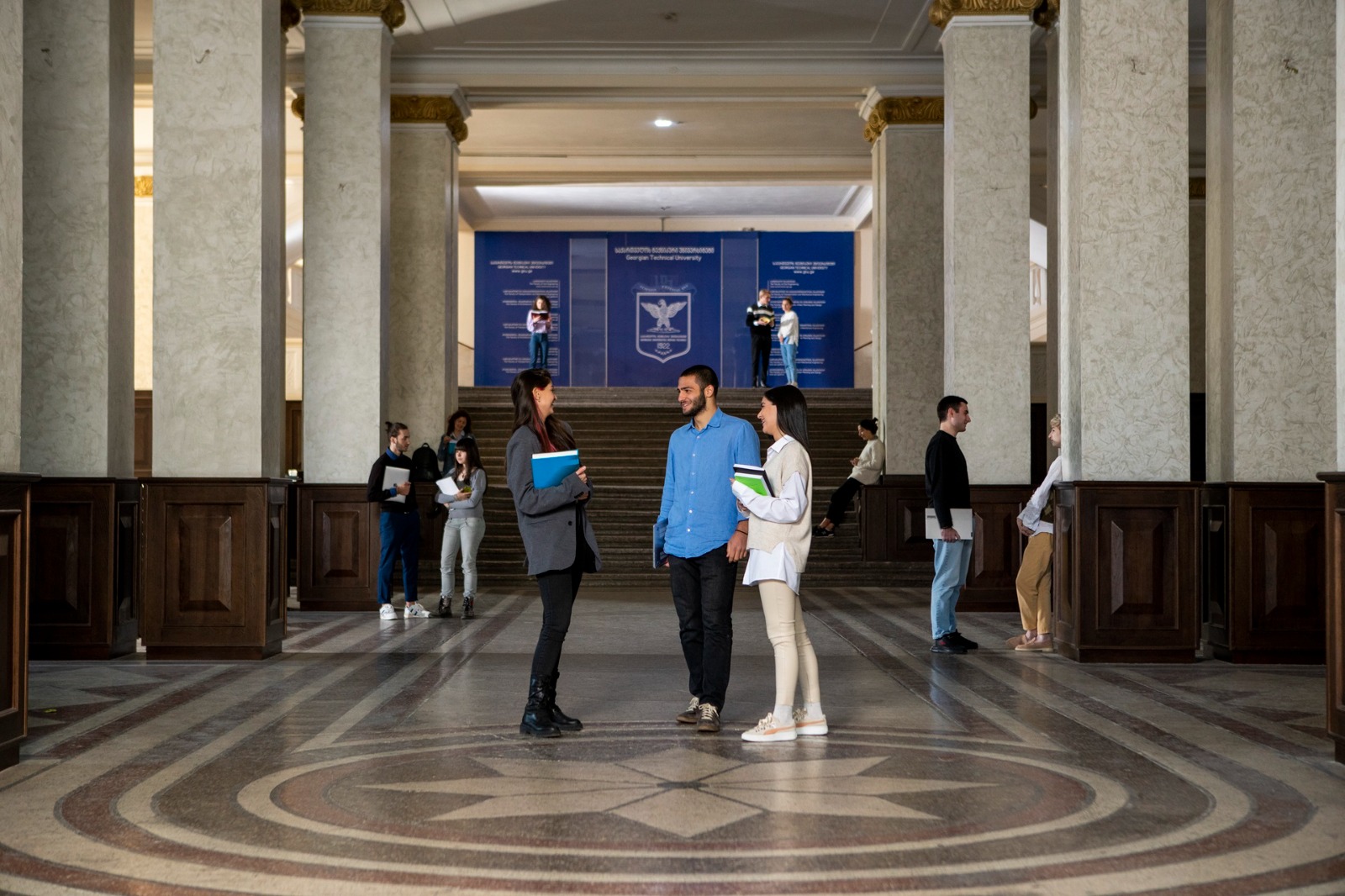
Georgian Technical University is a higher education institution with a rich tradition in engineering, technology, and the humanities, distinguished by the high quality of its educational, scientific research, and innovation activities.
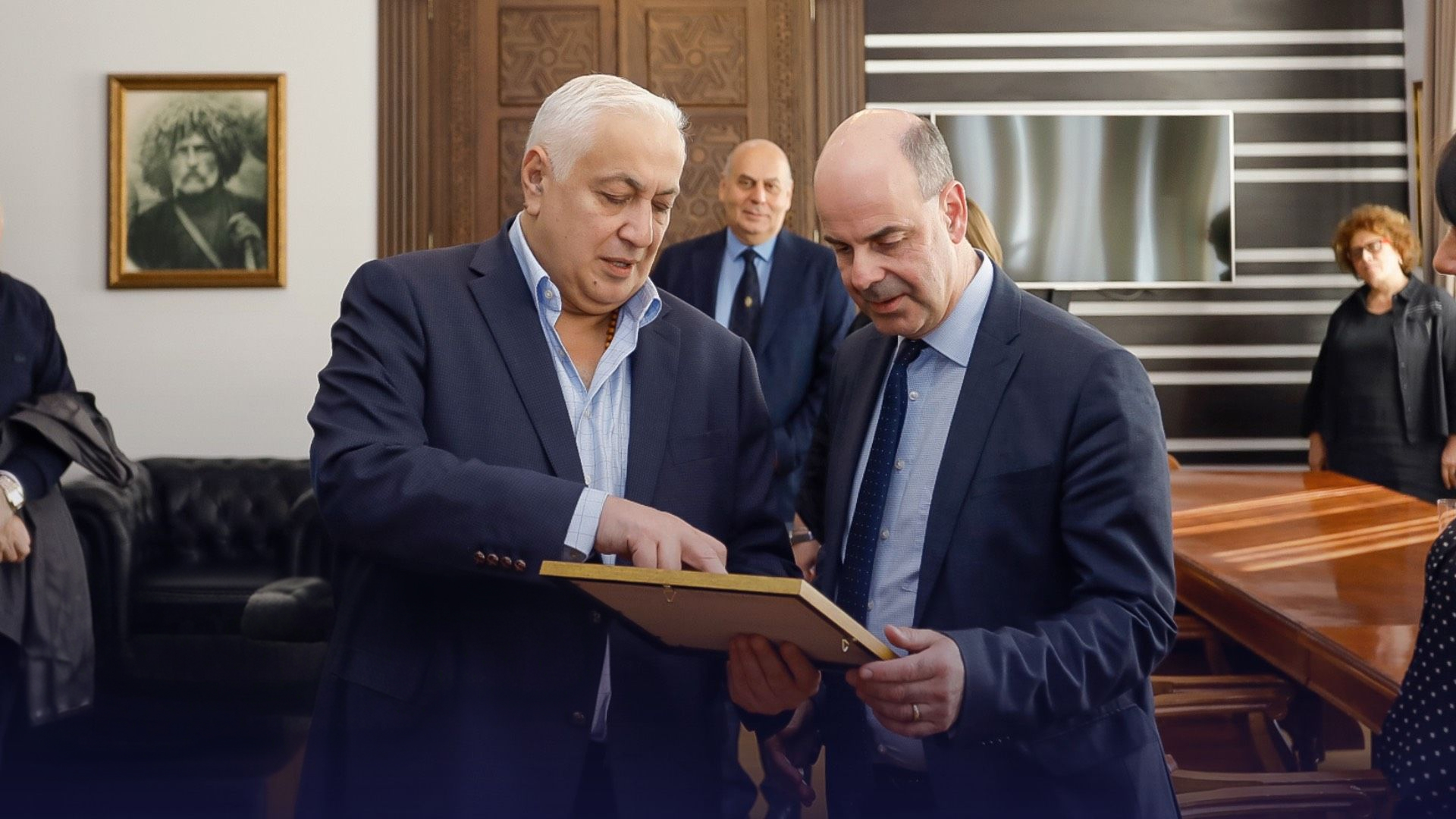
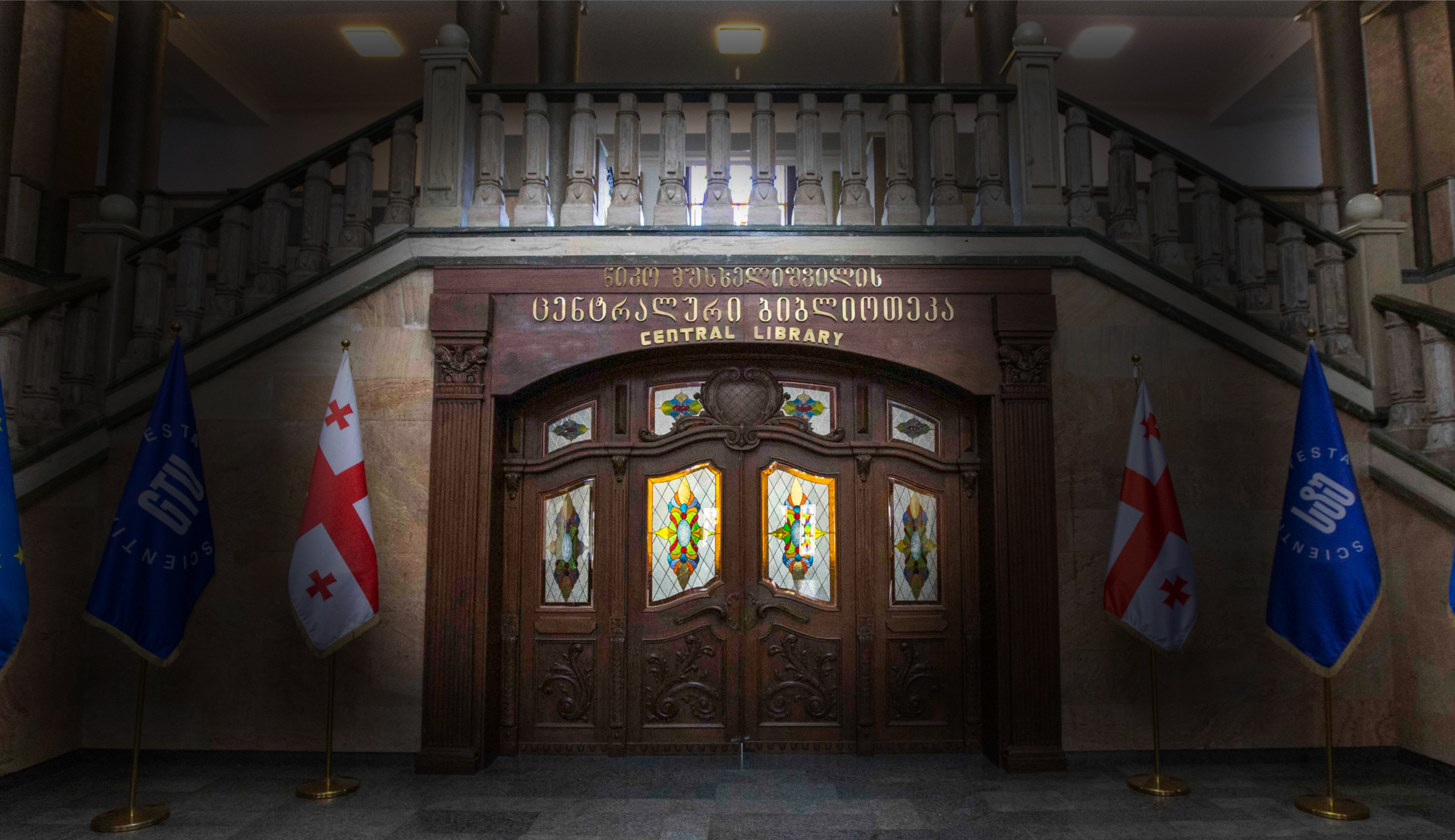
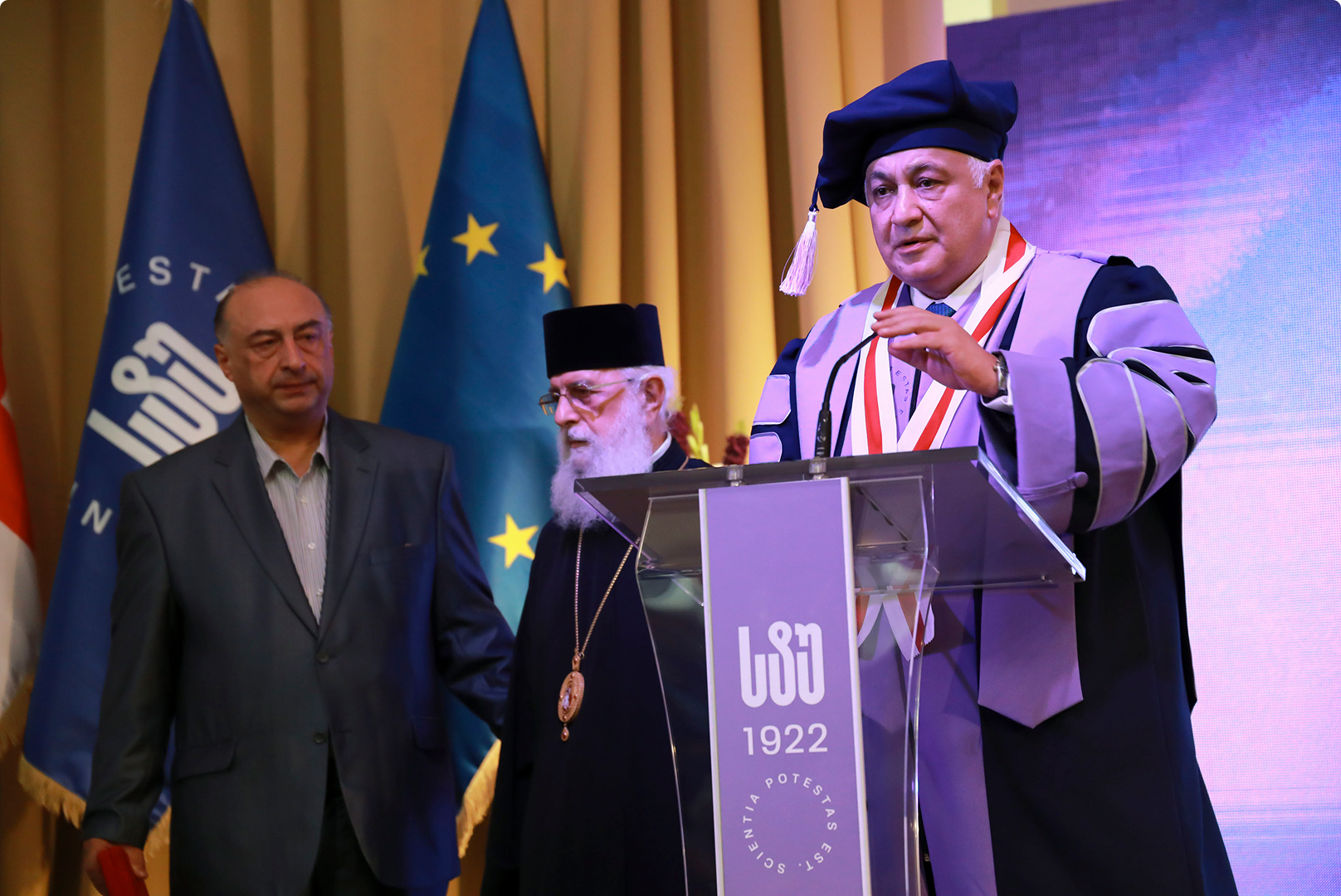
GTU is a member of the European University Association and operates in accordance with the principles of the Magna Charta Universitatum. The current Rector of the University is the distinguished scholar, Georgian hydrotechnical engineer, Academician Davit Gurgenidze, and a recipient of the Order of Honor for his personal contribution to the education and development of students and young people.
Faculty
Independent Scientific-Research Institute
Departments and Divisions
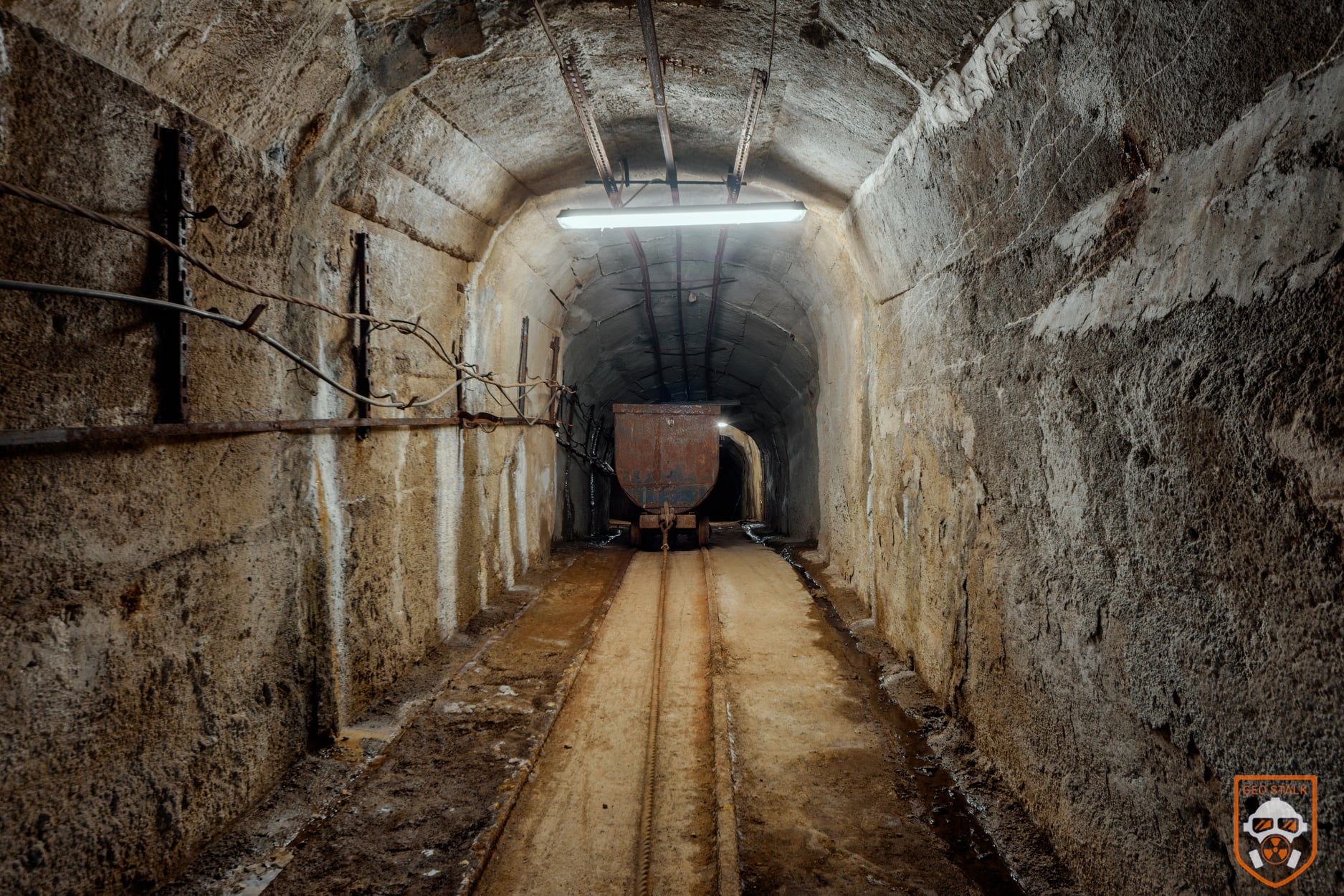
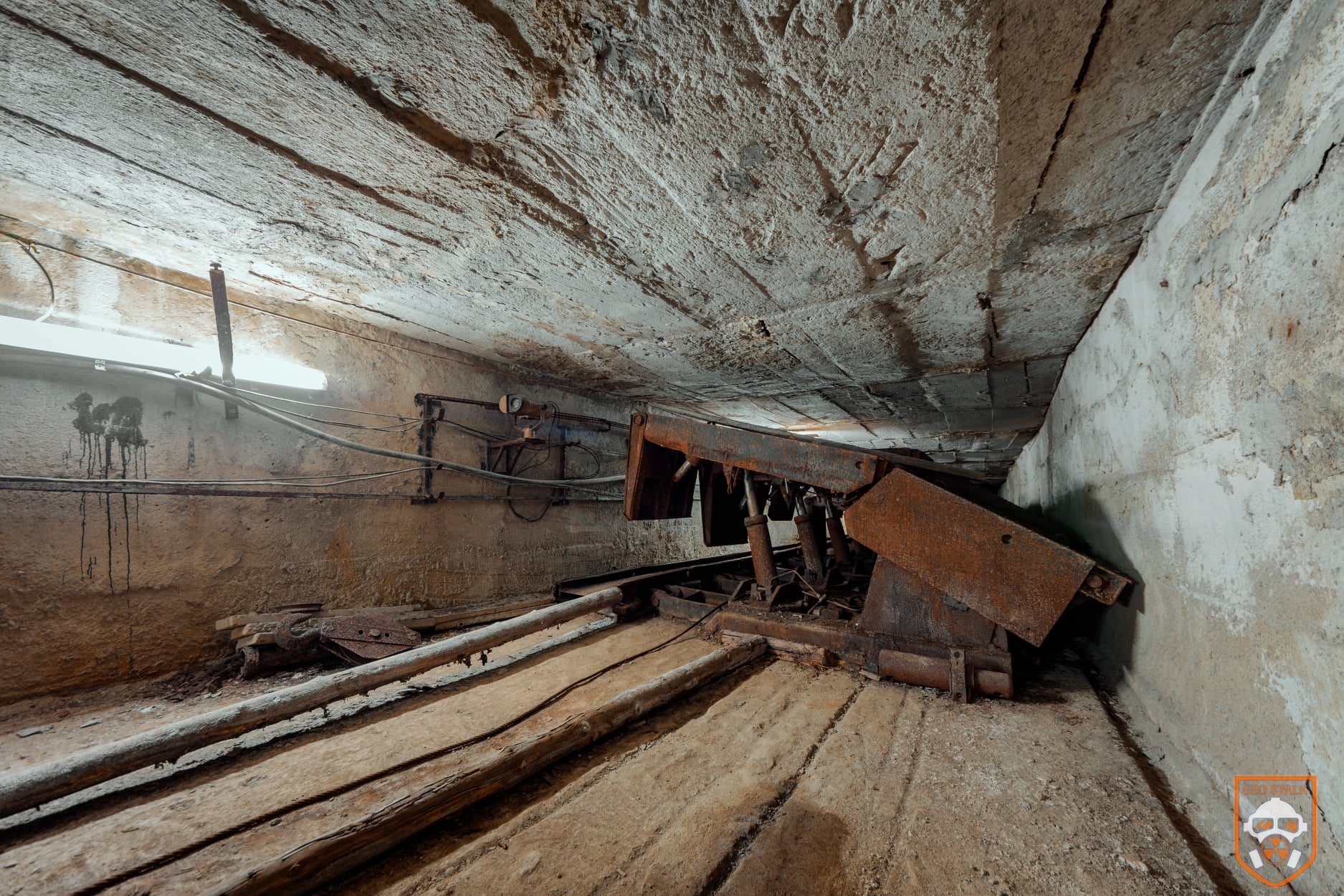
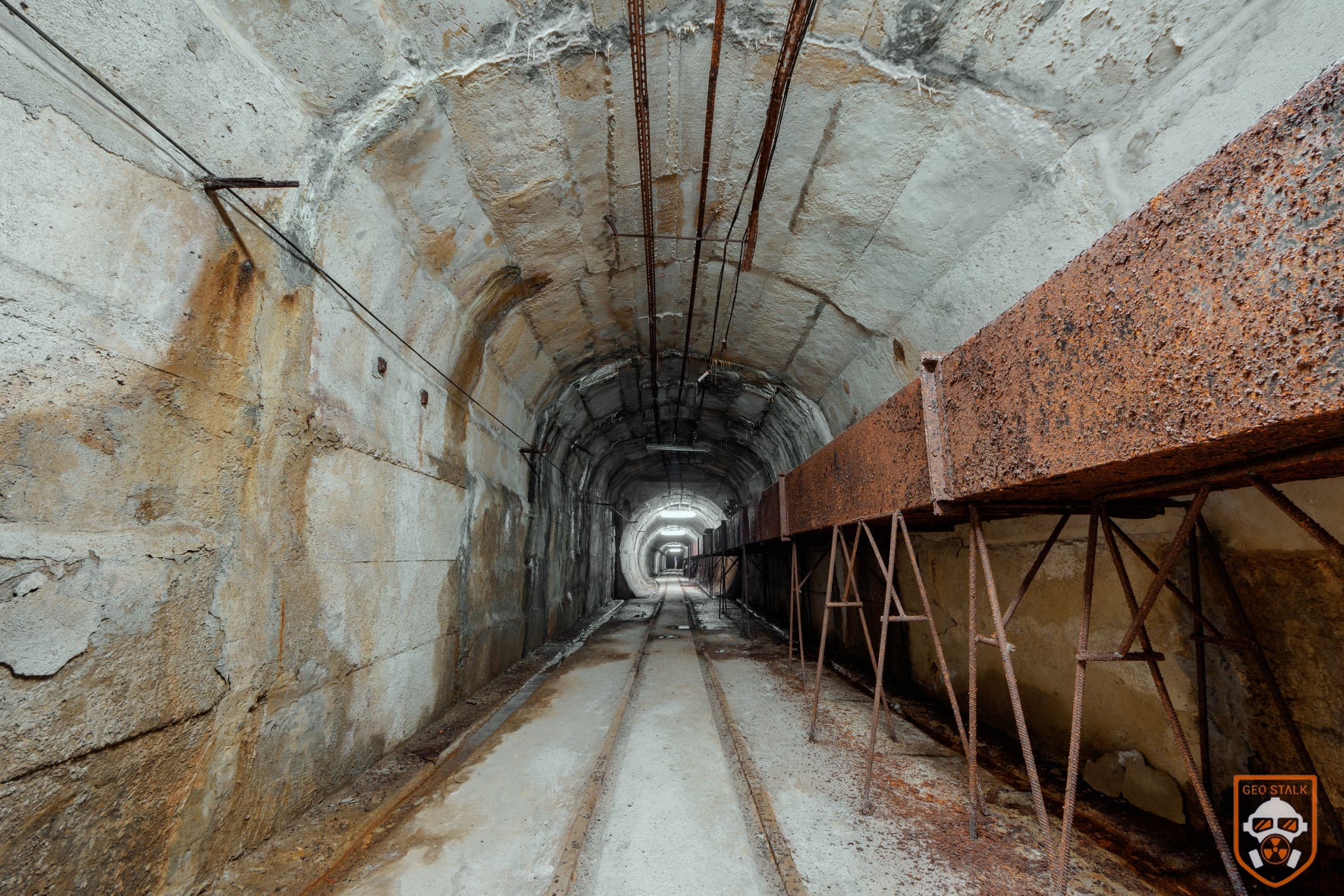
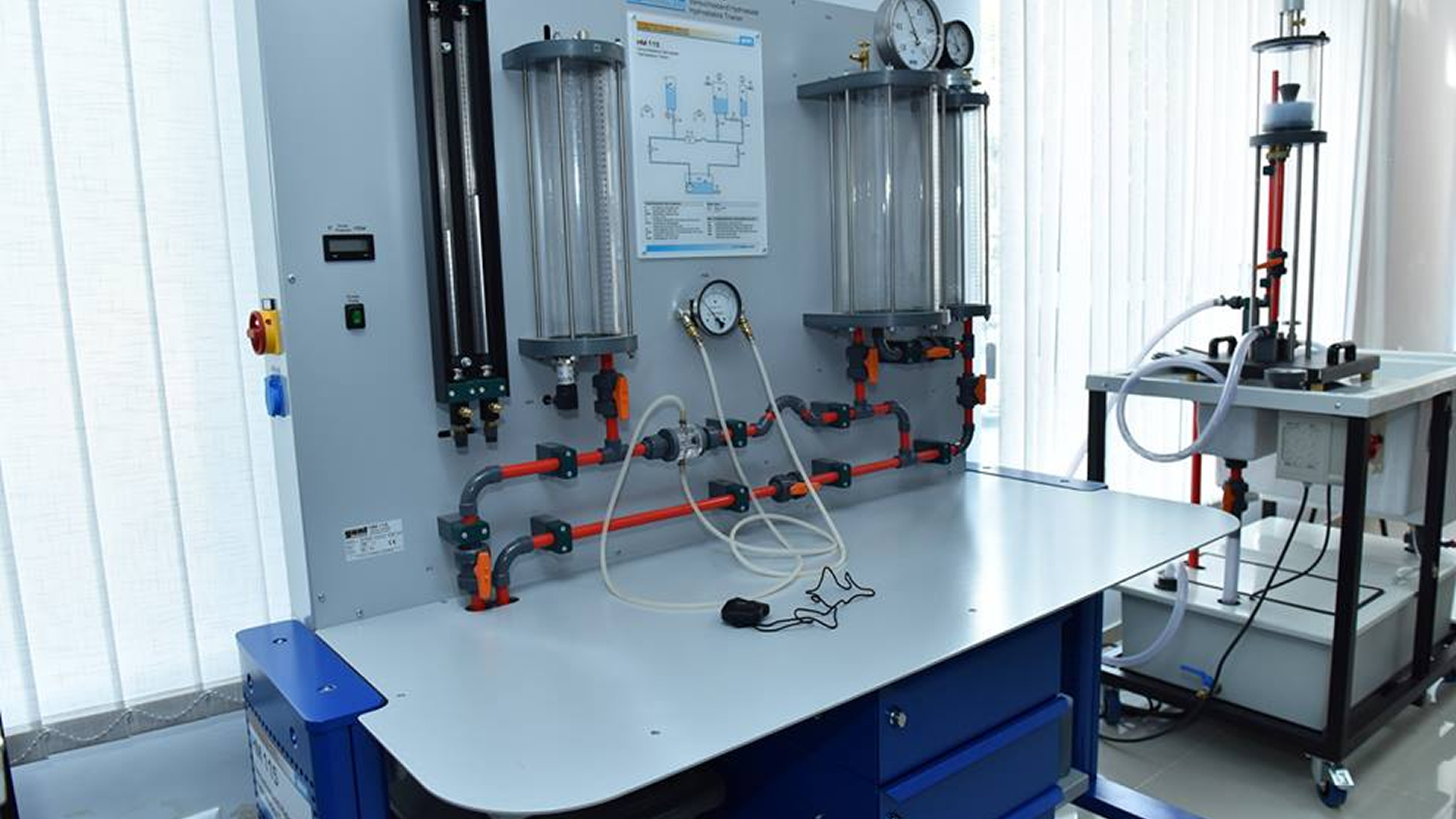
The university operates a number of laboratories, including a unique underground mine laboratory – a miniature model of a mine located beneath one of GTU’s buildings, at a depth of 16-30 meters below ground level.
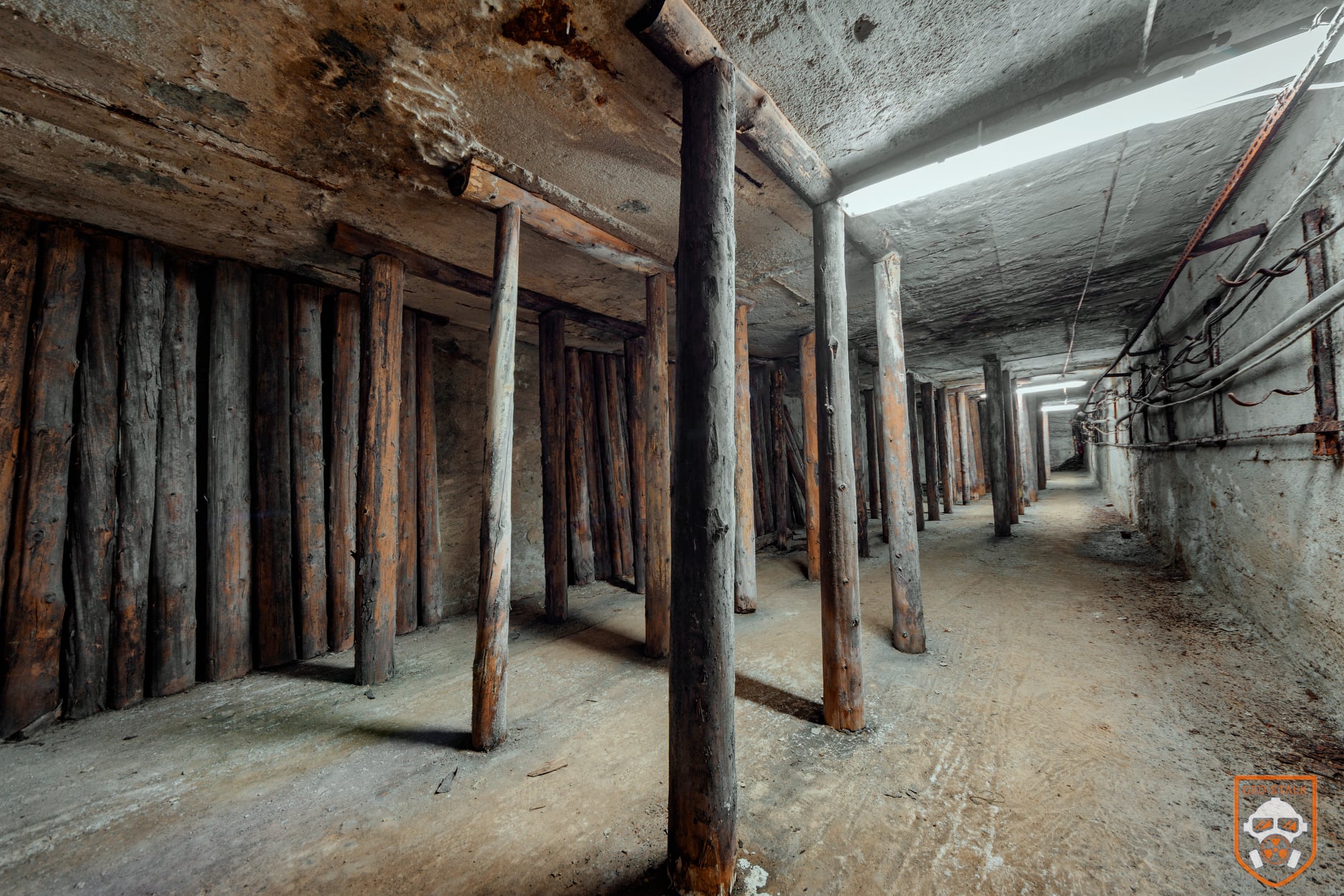
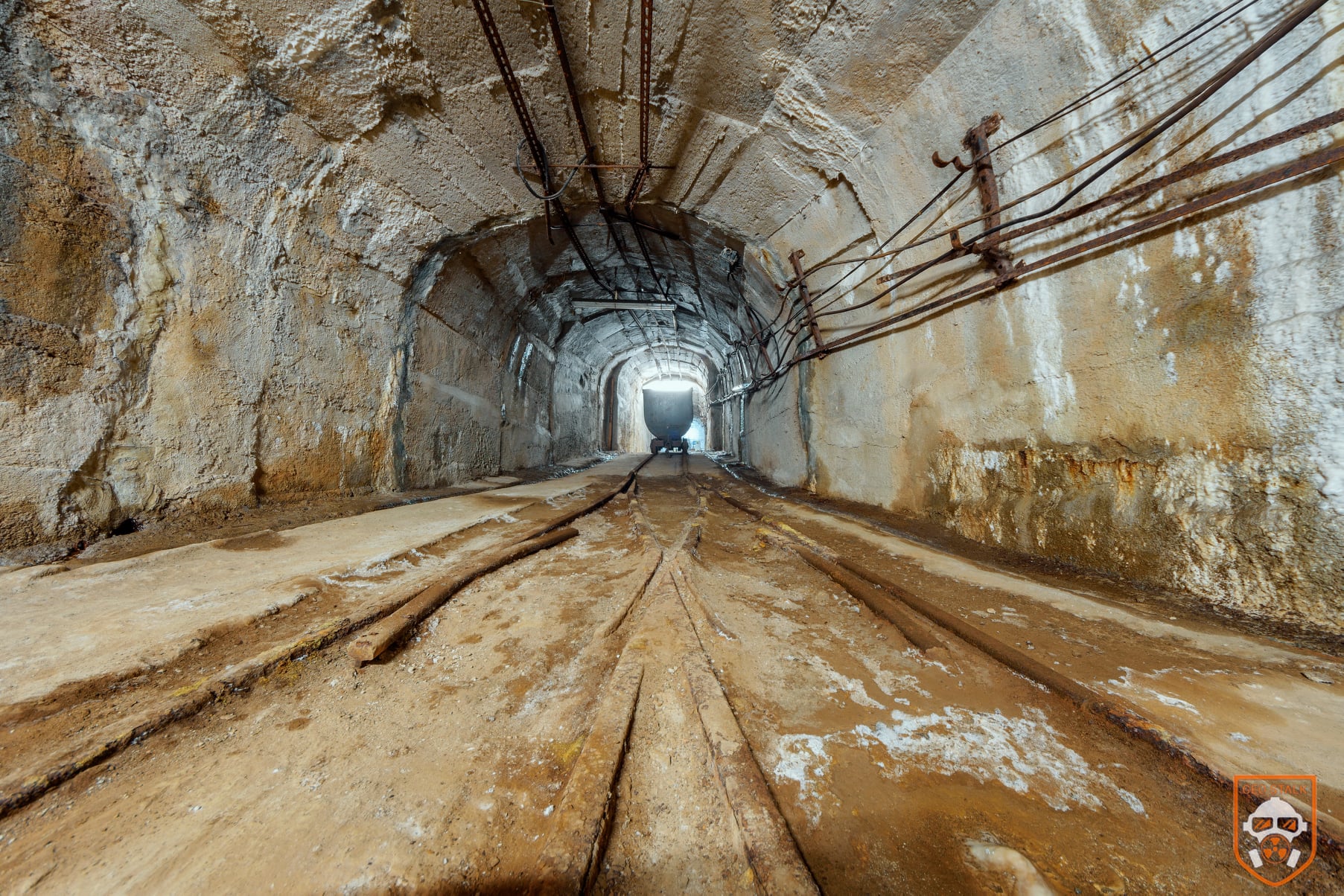
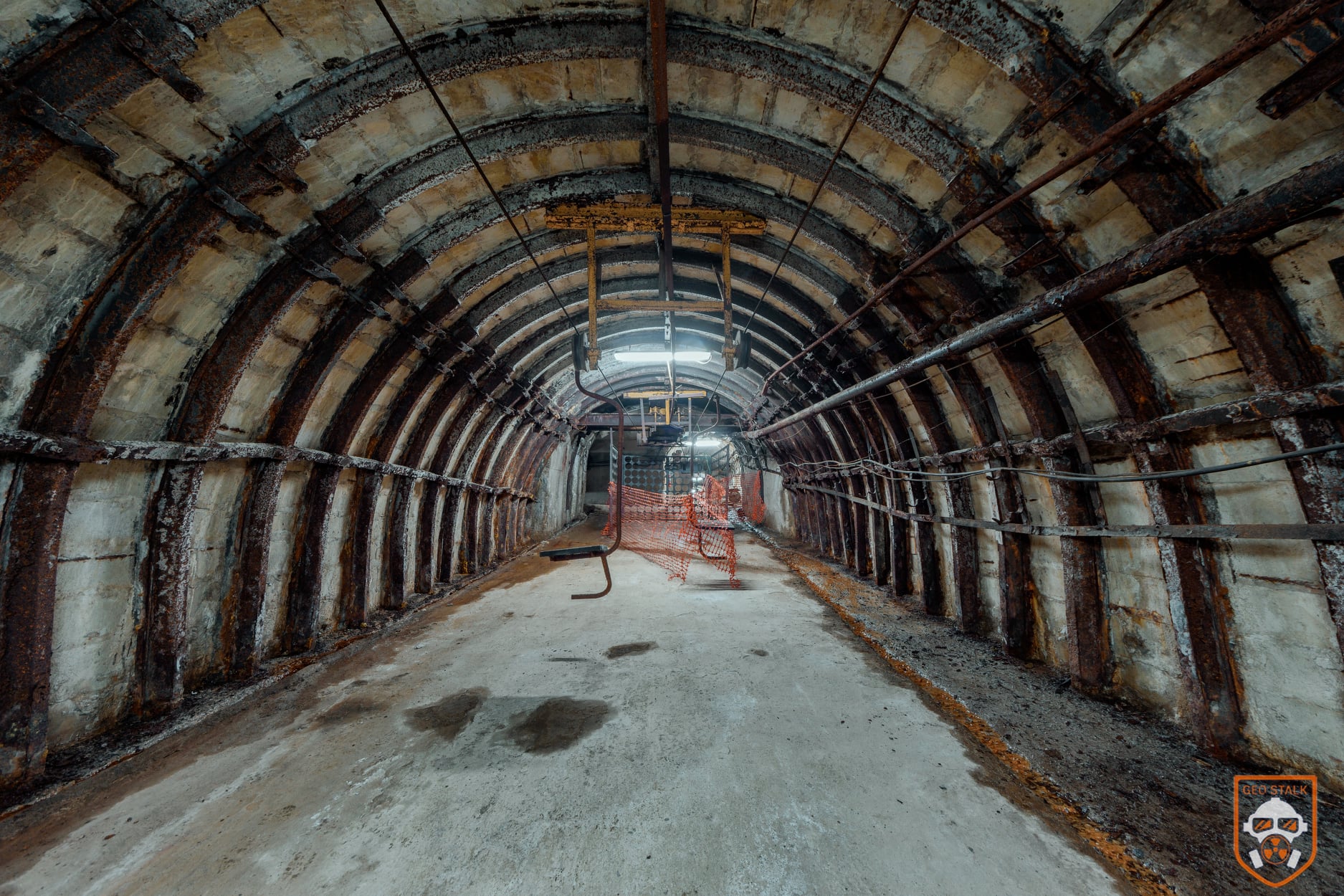
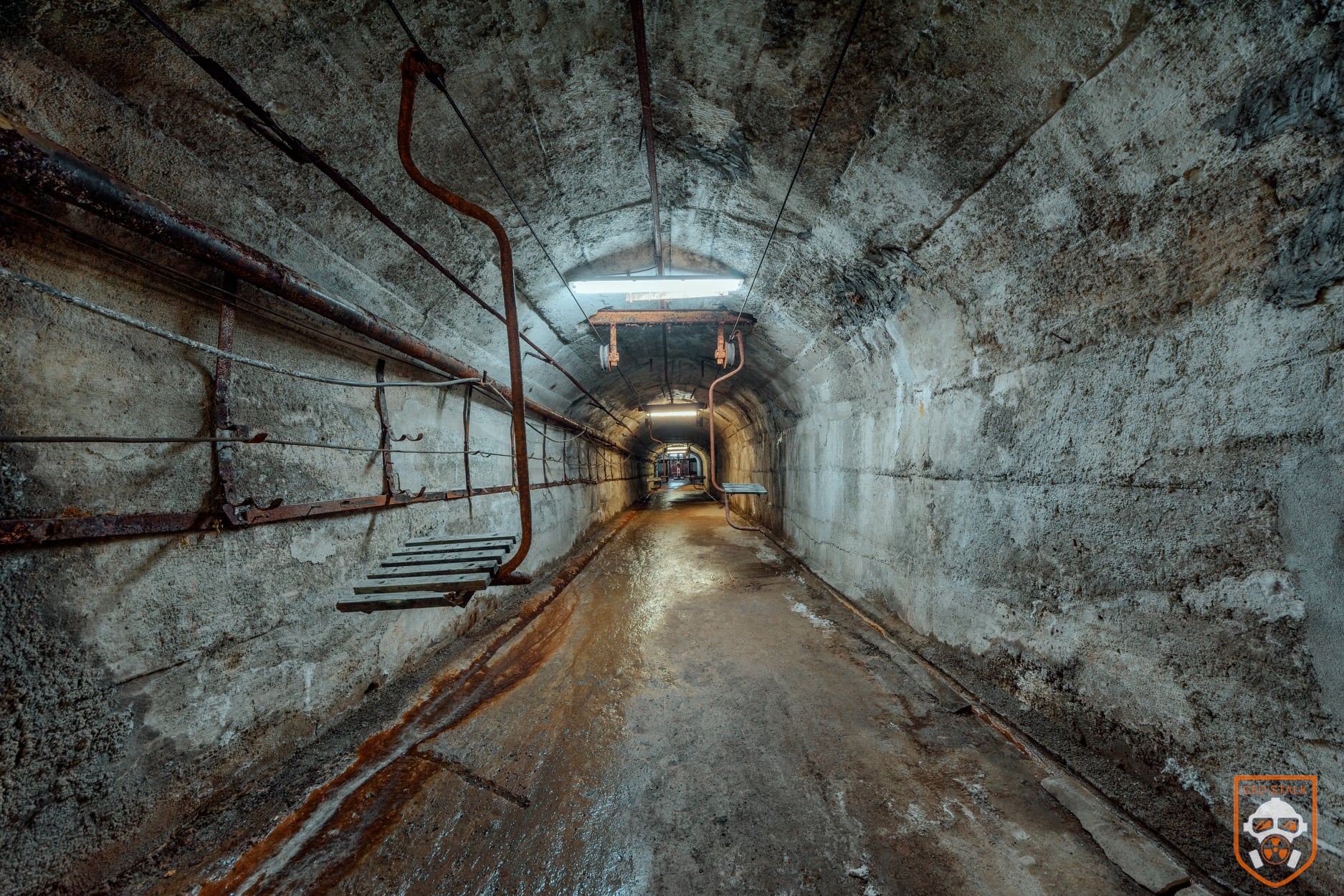
These programs encompass fields such as engineering, technology, architecture, design, the humanities, law, business, and social sciences.
GTU Maintains Close Cooperation With 68 Universities Across 17 European Countries, Where Students At All Levels Can Undertake International Mobility Under The Erasmus+ Programme, With Funding Provided By The Same Programme. These Countries Include Italy, Spain, Germany, Türkiye, Poland, France, Portugal, Sweden, Greece, And Others.

Students At All Levels In Technical, Humanities, Agricultural, And Social Sciences Programmes Are Eligible To Participate In International Mobility.
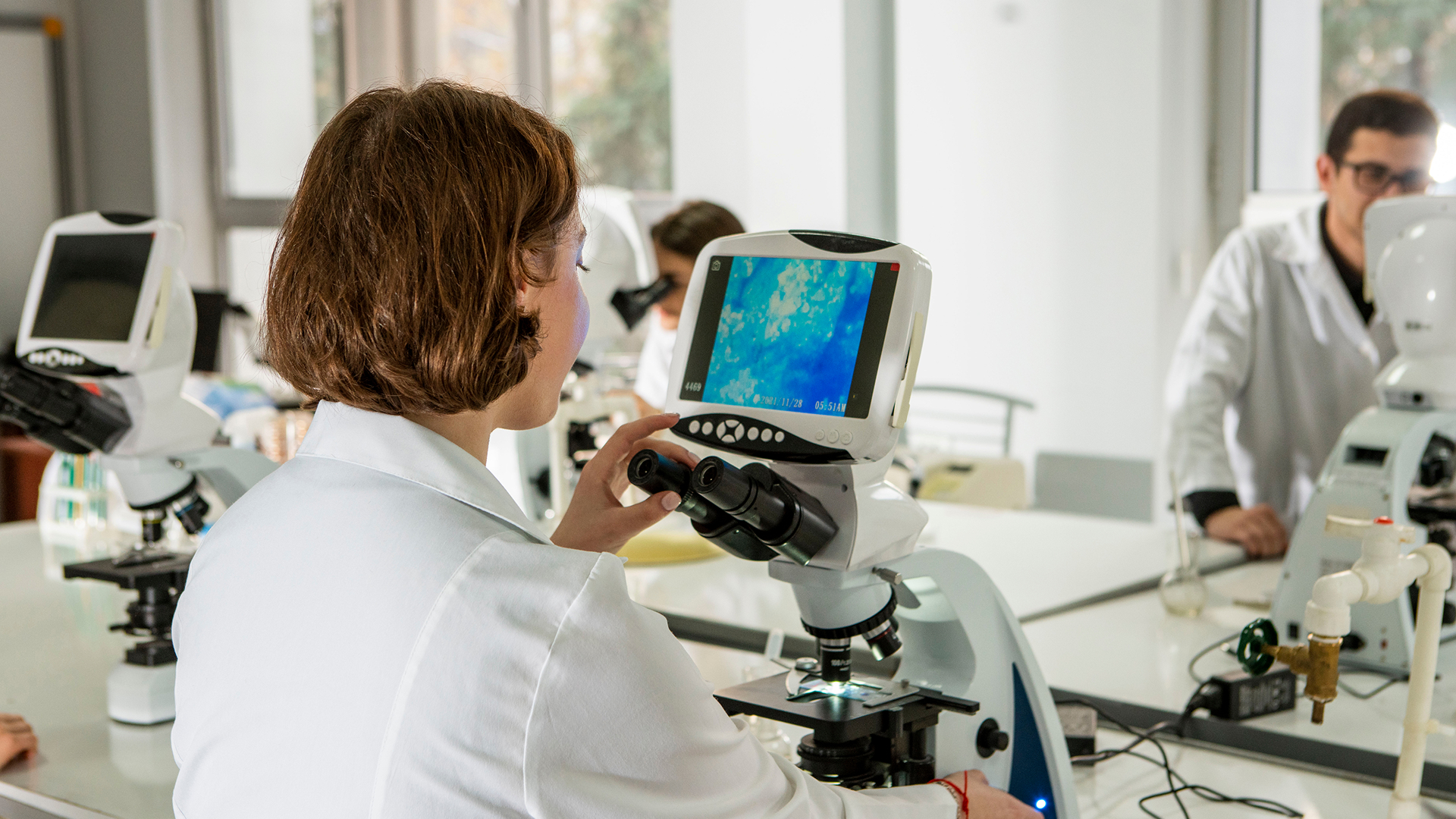
At the Faculty of Agrarian Sciences and Biosystems Engineering, the Georgian-French Bachelor’s Degree Programme “Production Management in the Dairy Industry” is implemented through close cooperation between the Georgian Technical University and the French University of Rennes. Upon completion of the programme, students receive both a Georgian Technical University diploma and a diploma from the French university.
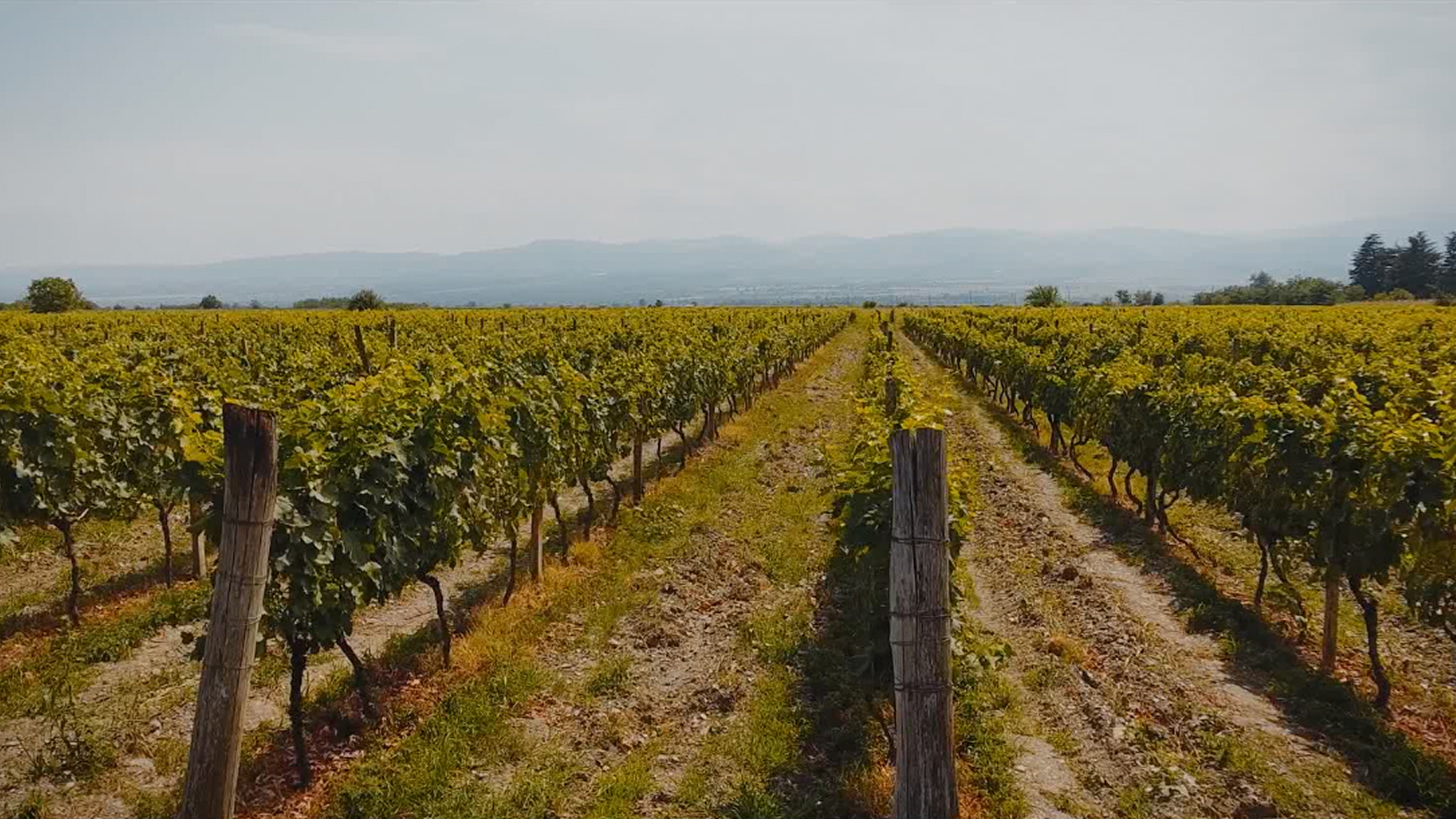
Students Enrolled In The Bachelor’s Degree Programme In Viticulture And Oenology Receive Diplomas From Both The Georgian Technical University And The University Of Milan.
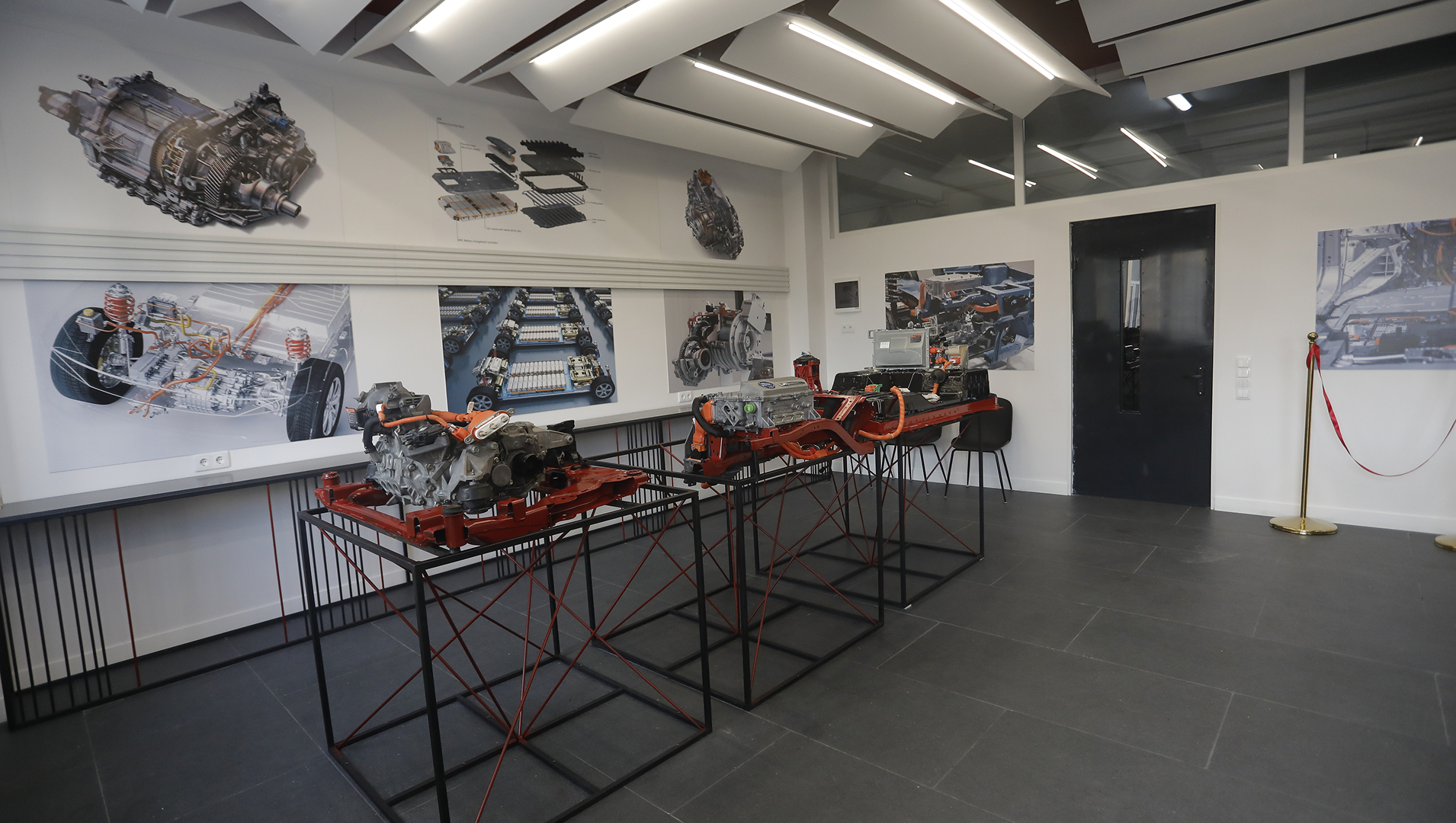
A German-Language Educational Programme In Logistics Is Offered At The Faculty Of Transport And Mechanical Engineering.


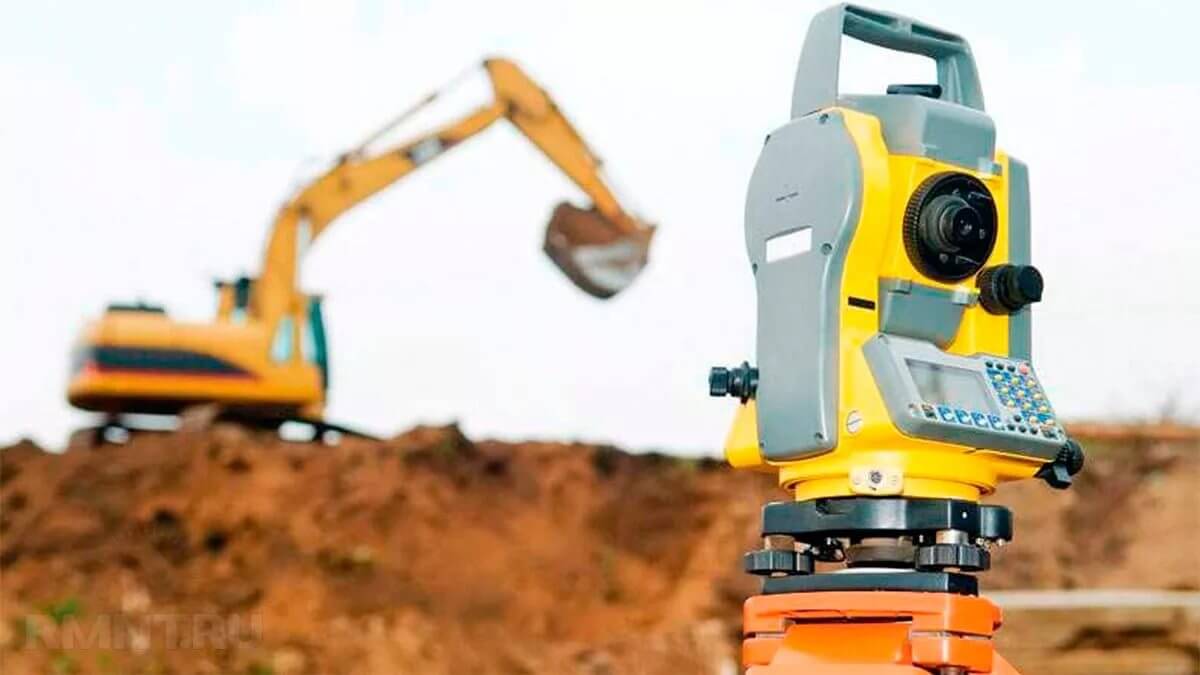
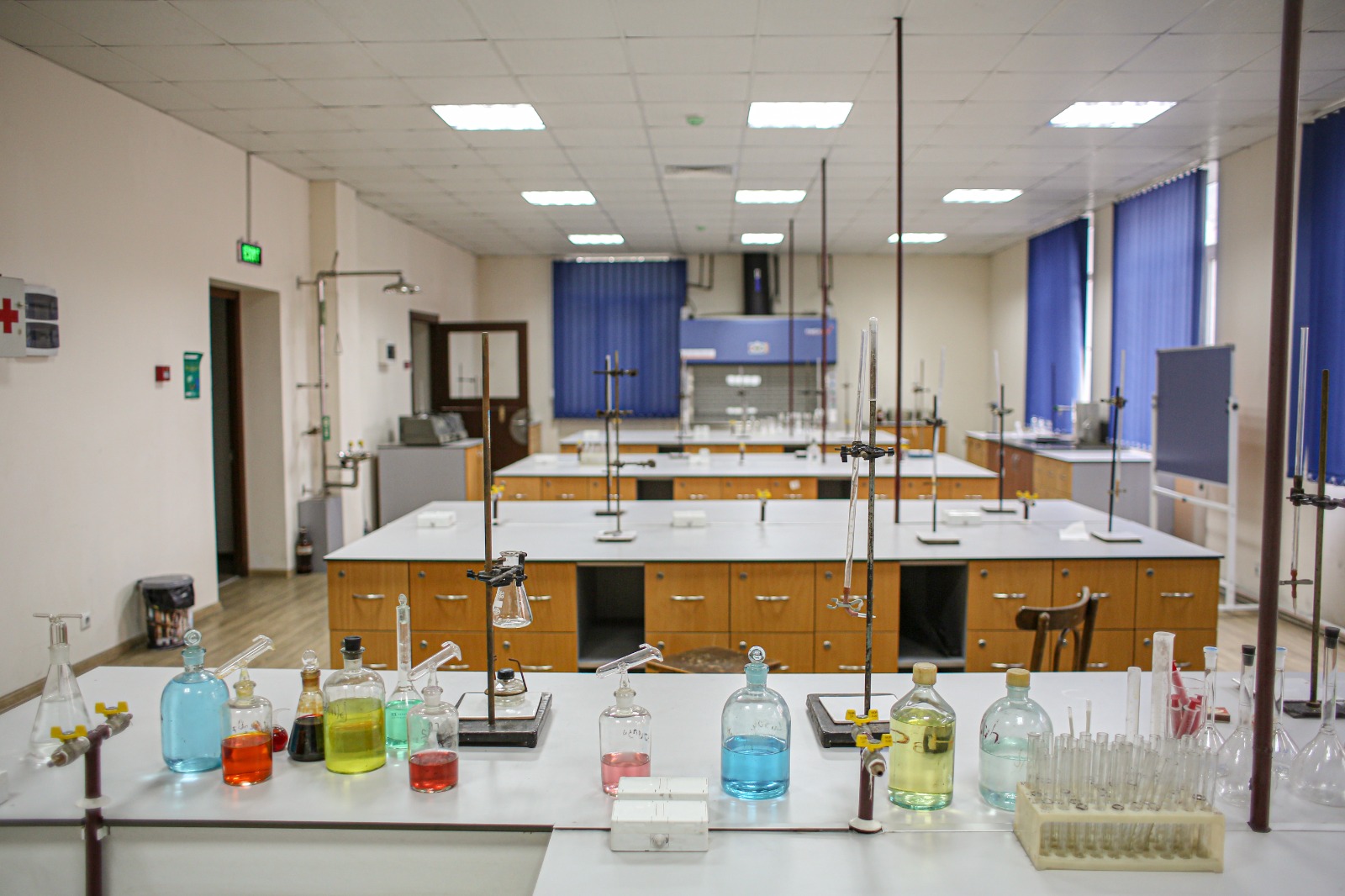
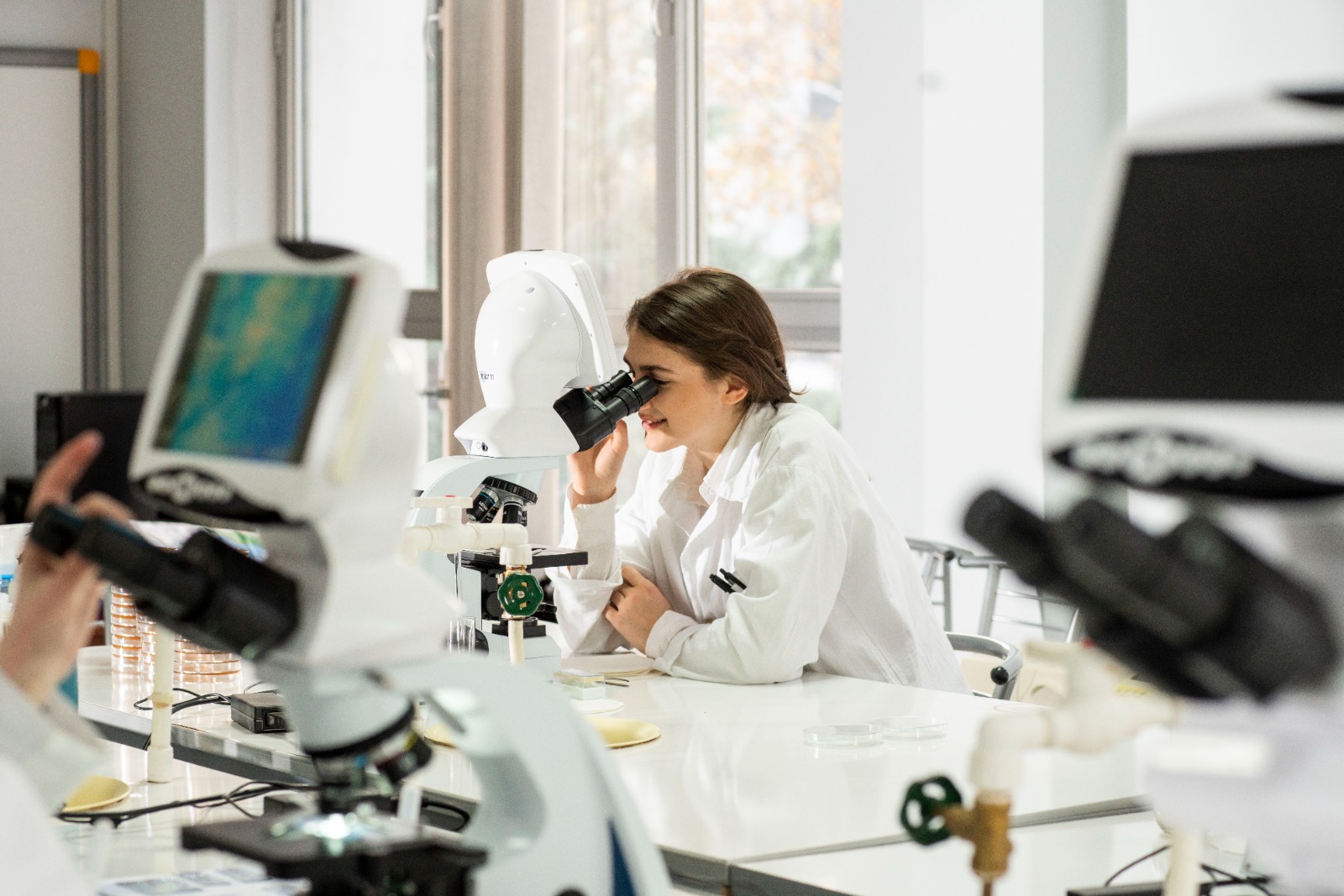

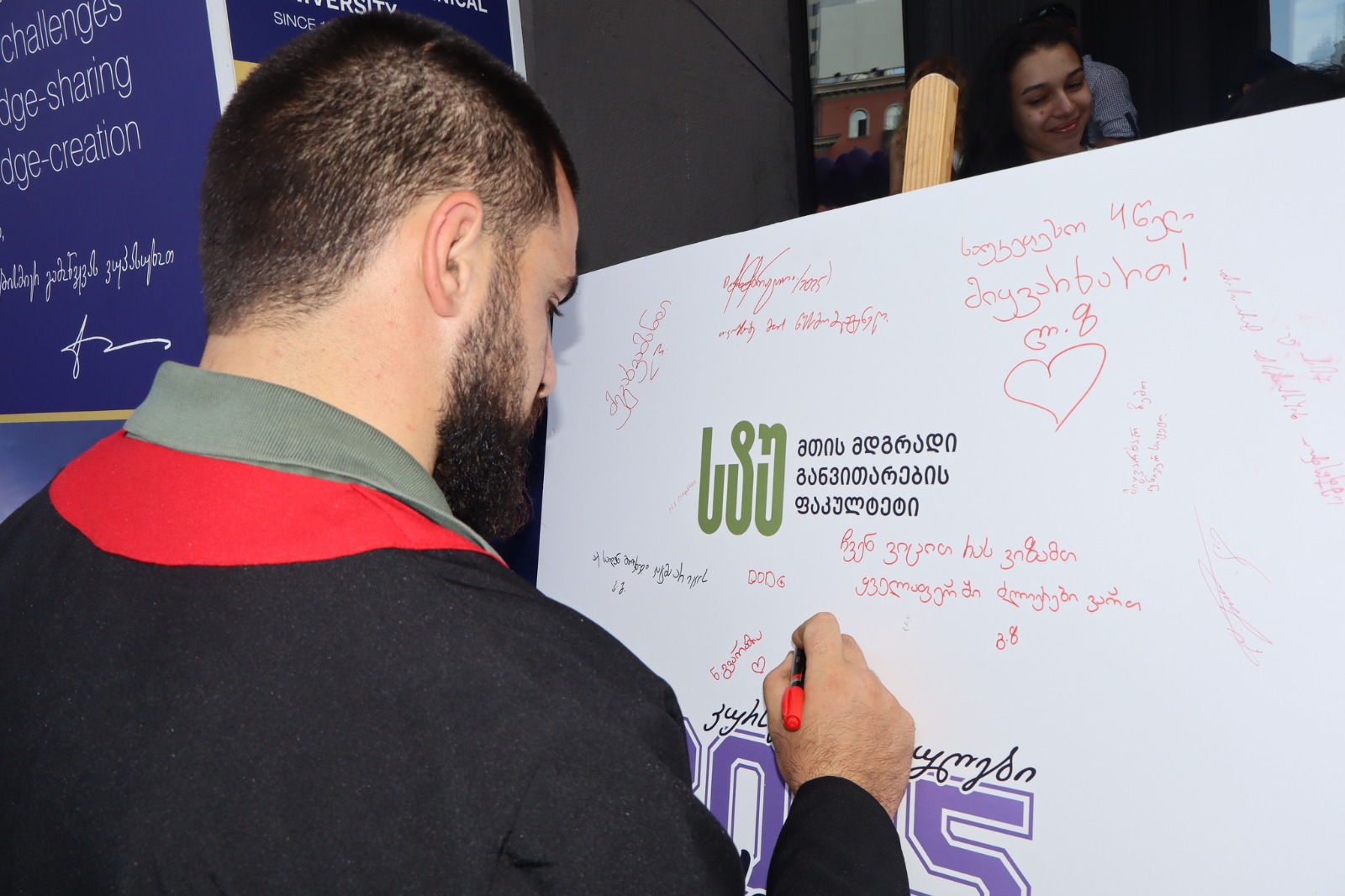
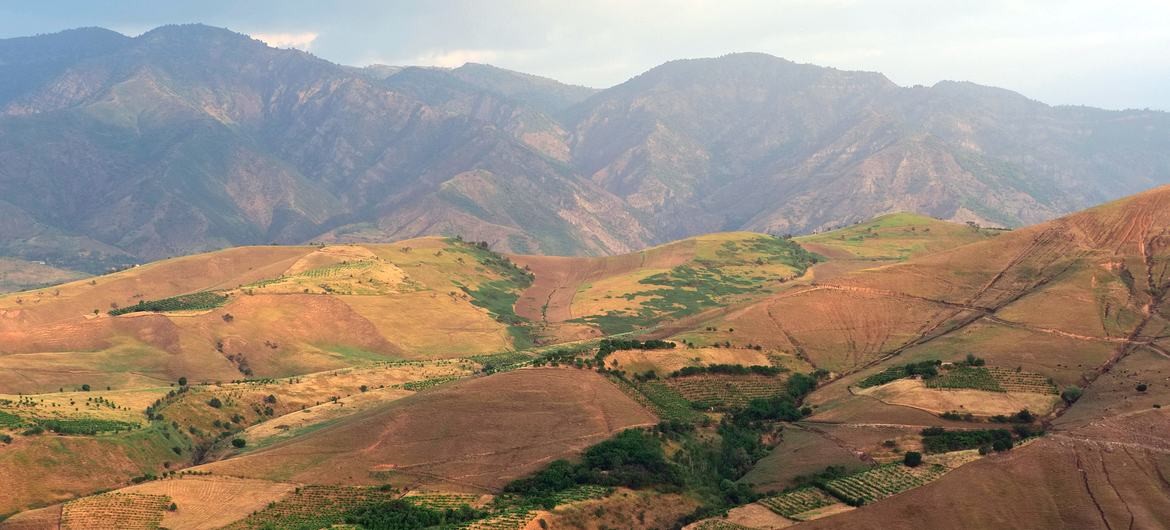

GTU offers 36 fully funded bachelor’s degree programmes, reflecting the state’s strategy to promote fields of study that are essential to the country’s development.
Several dozen students with special educational needs are enrolled in vocational programmes at the Georgian Technical University. As a leading higher education institution, GTU recognizes its vital role in creating an accessible, supportive, and comprehensive educational environment.
Under the leadership of Rector, Academician David Gurgenidze, the Georgian Technical University actively supports and works to develop inclusive services for persons with disabilities, ensuring that the doors to education remain open to all.
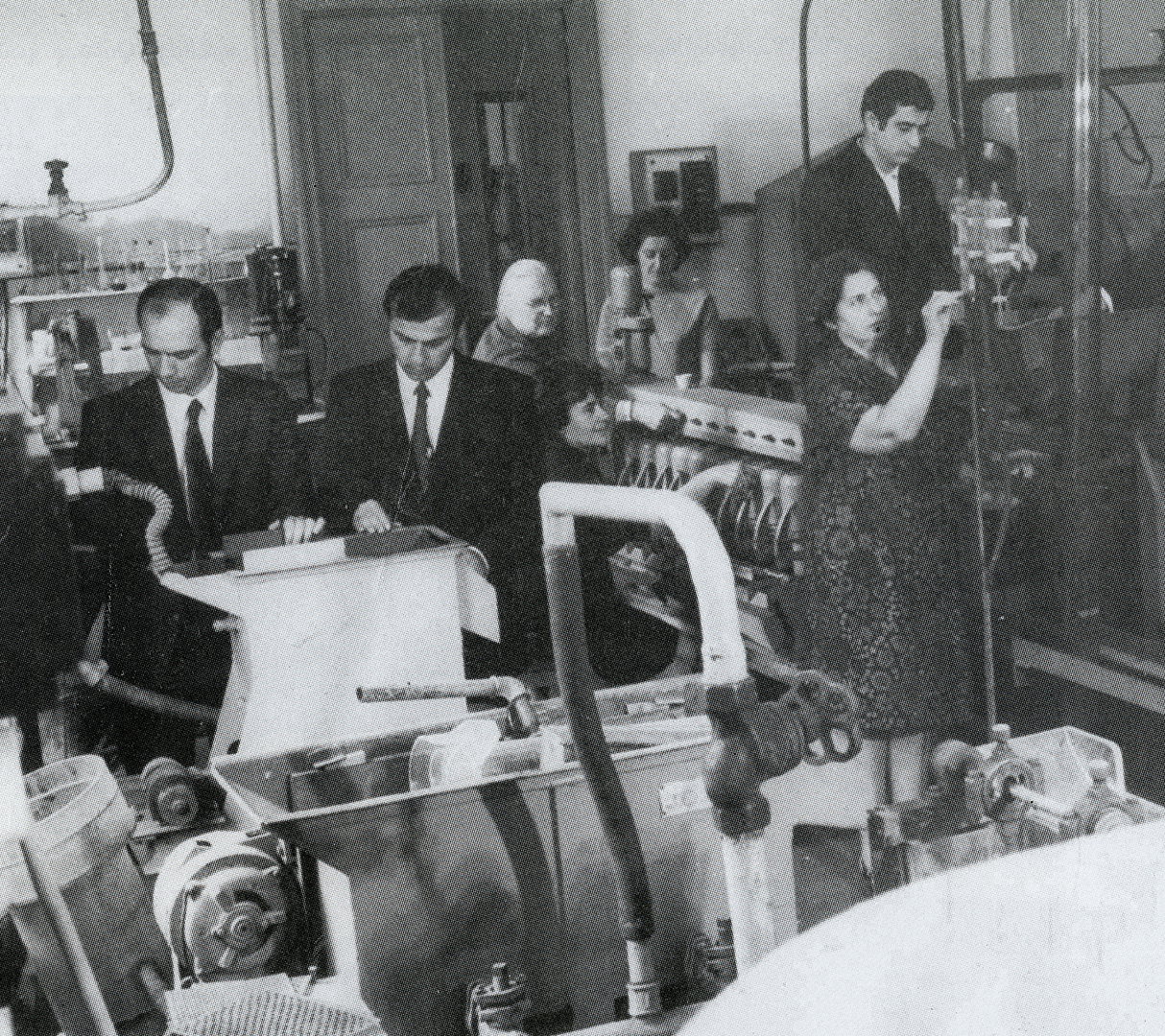
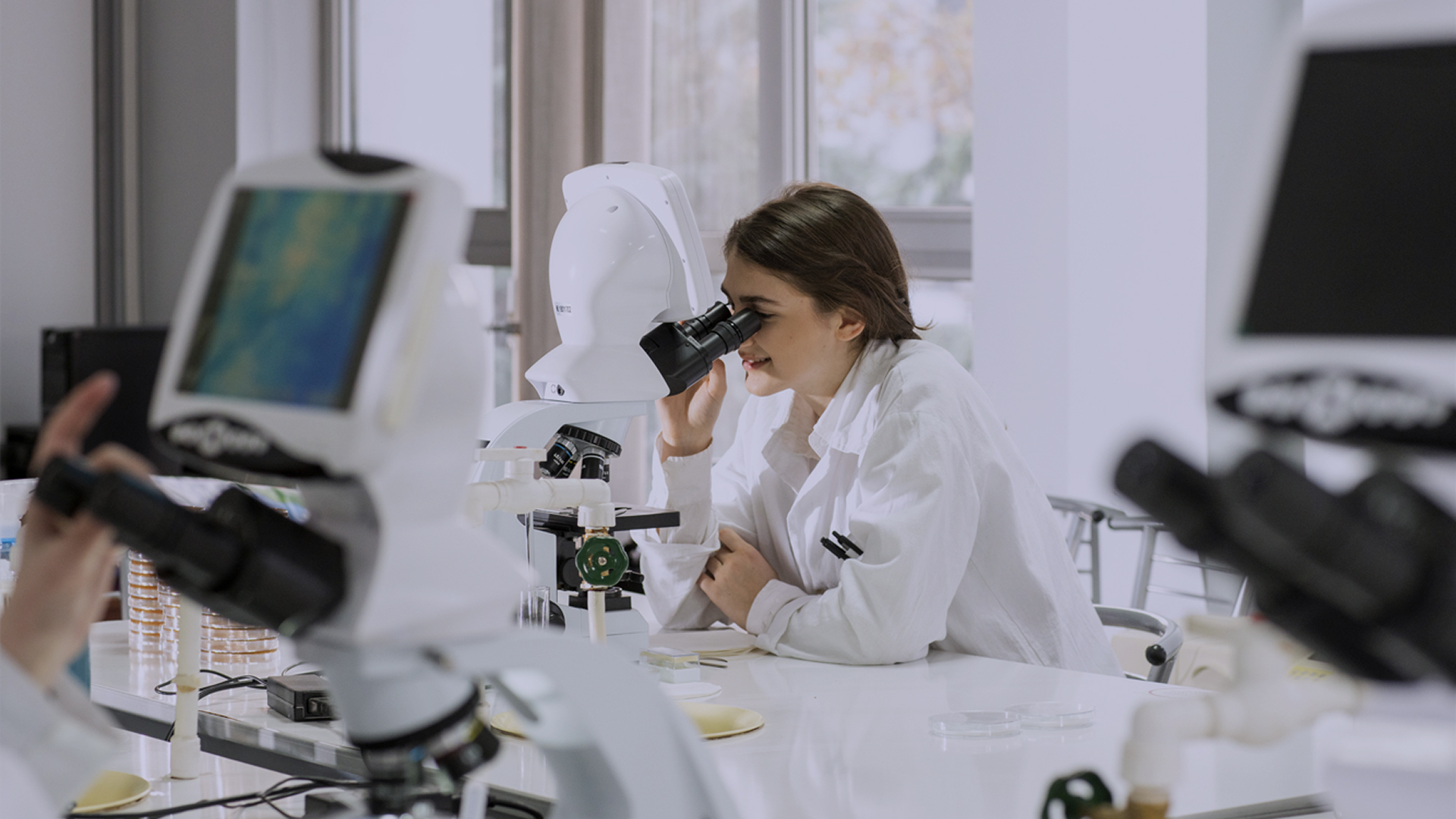
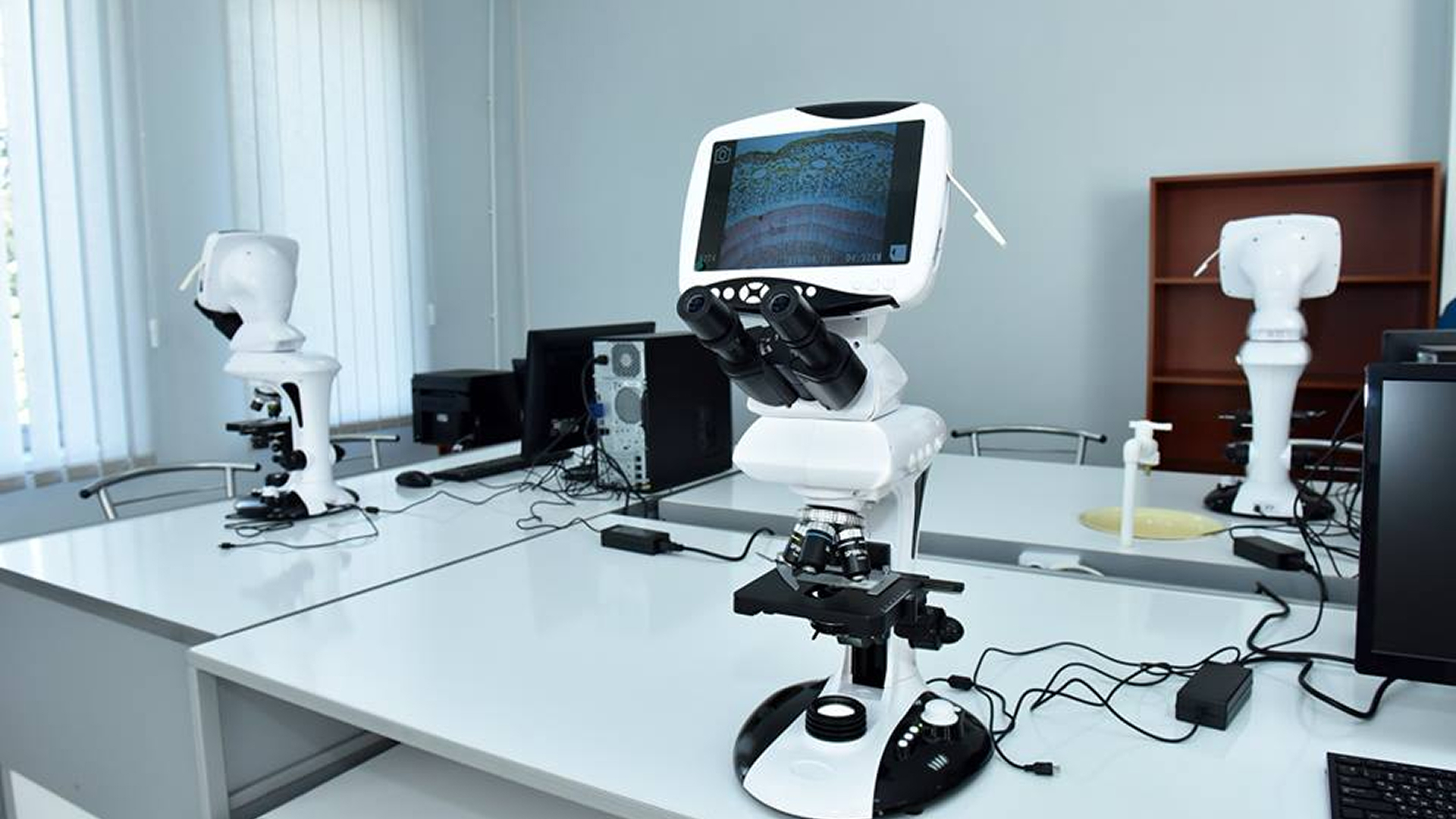
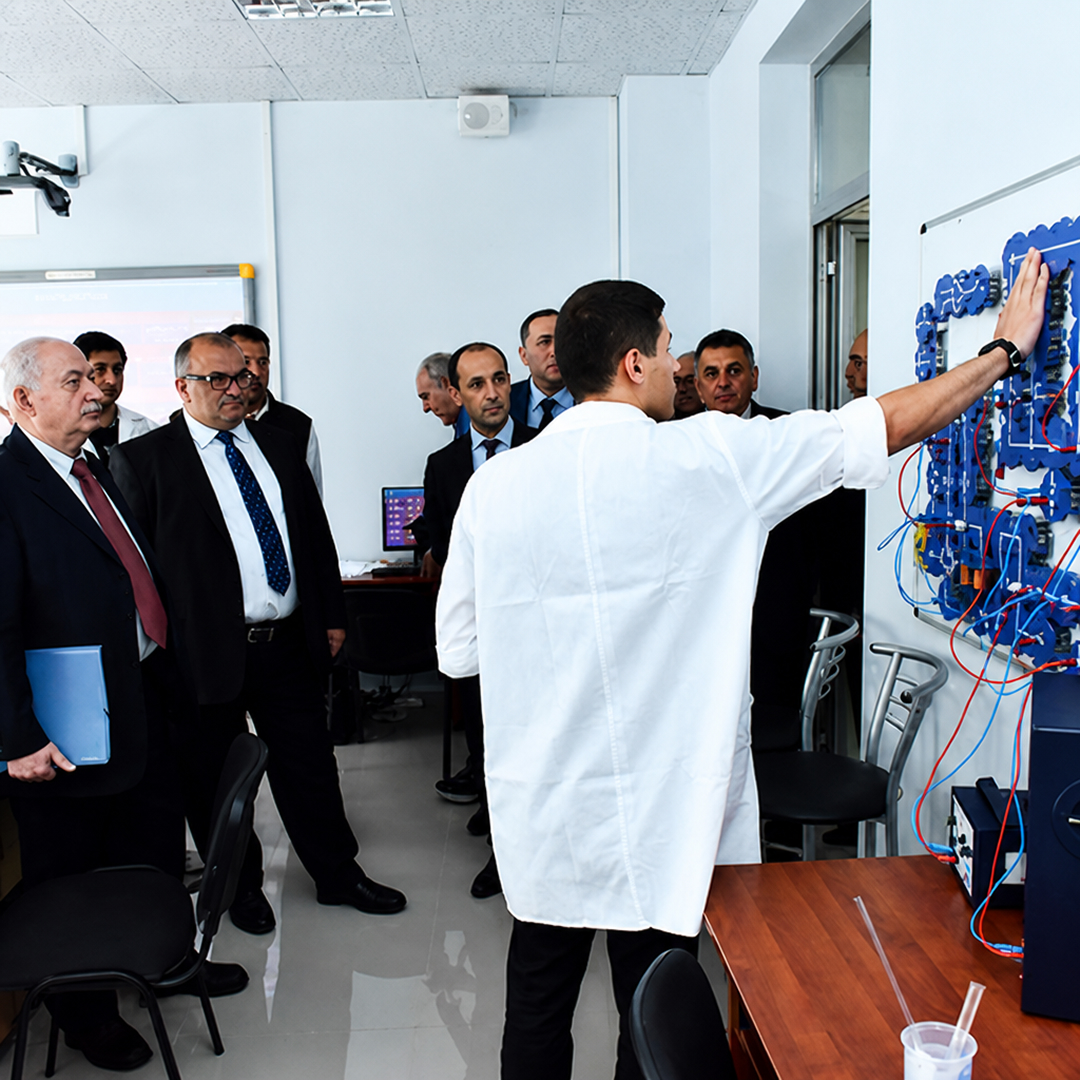
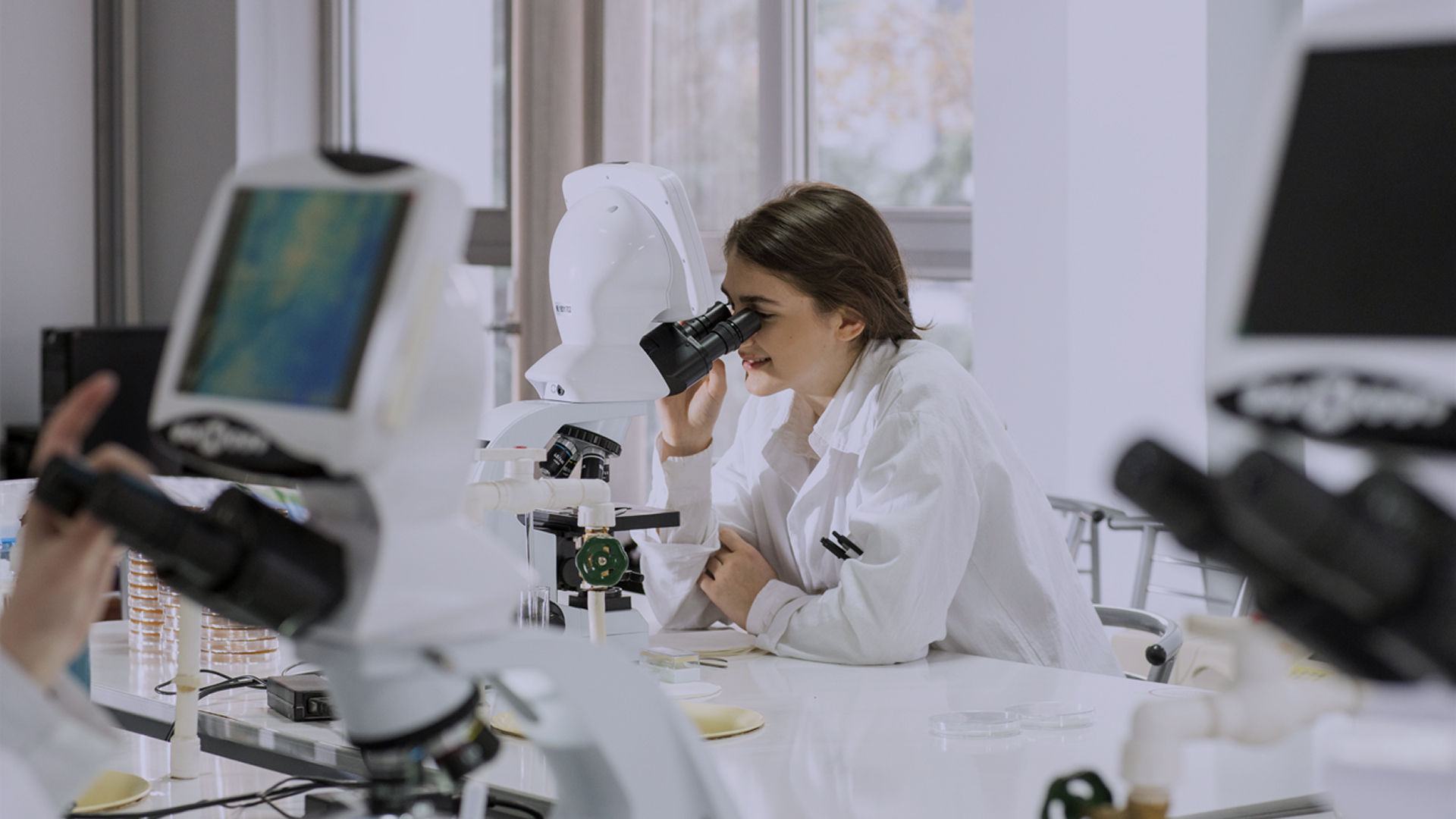
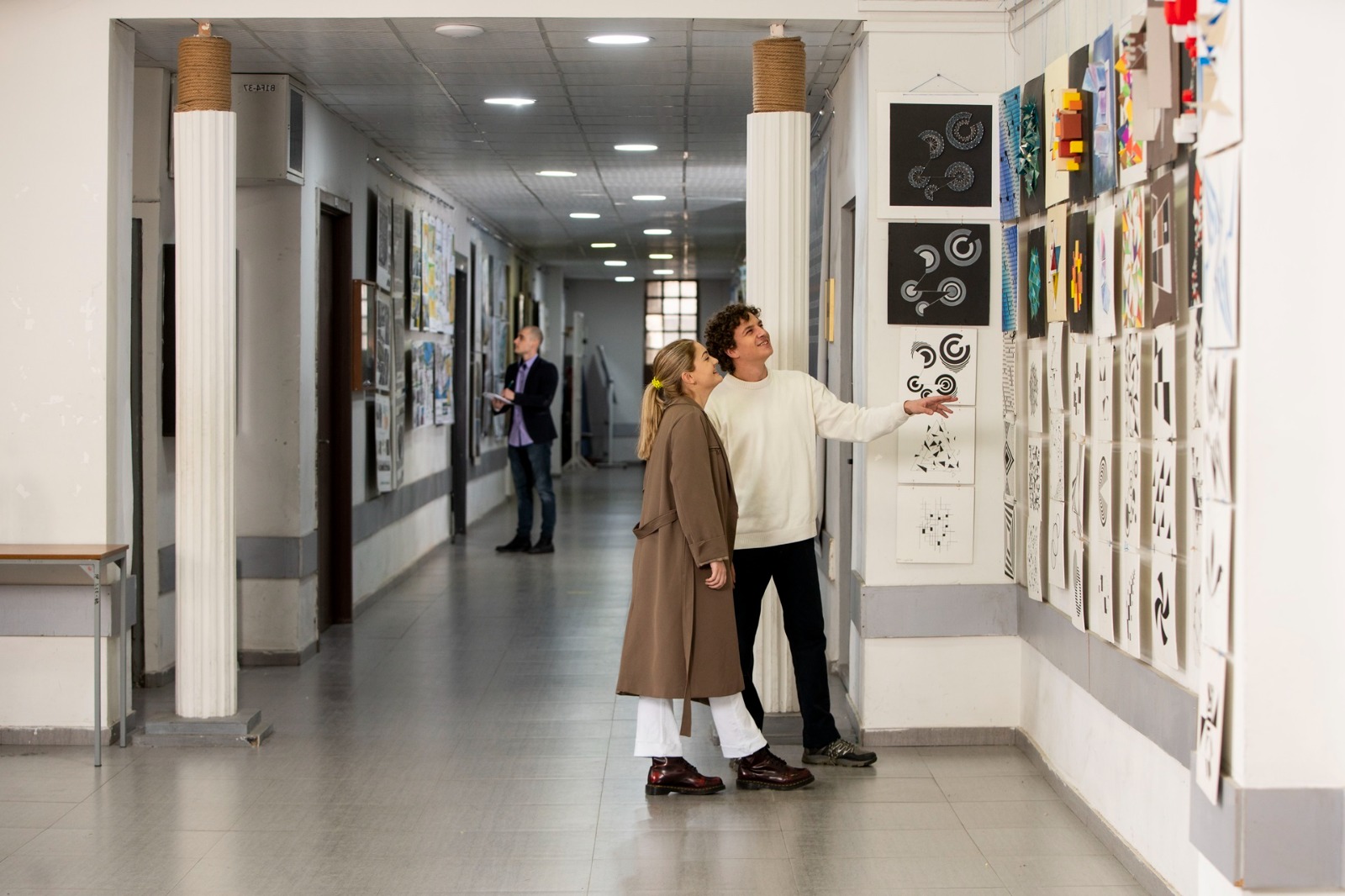
In the university’s laboratories, equipped with the latest technologies, students work on real-world tasks and collaborate with leading specialists from various fields.
For example, the Mini Hydropower Plant Laboratory and the Bridge Testing Center provide students with the opportunity to conduct experiments under real-world conditions.
At the university’s Engineering Academy, talented students from public schools receive specialized training, while academy graduates have won numerous local and international competitions, including those organized by NASA, the United States space agency.
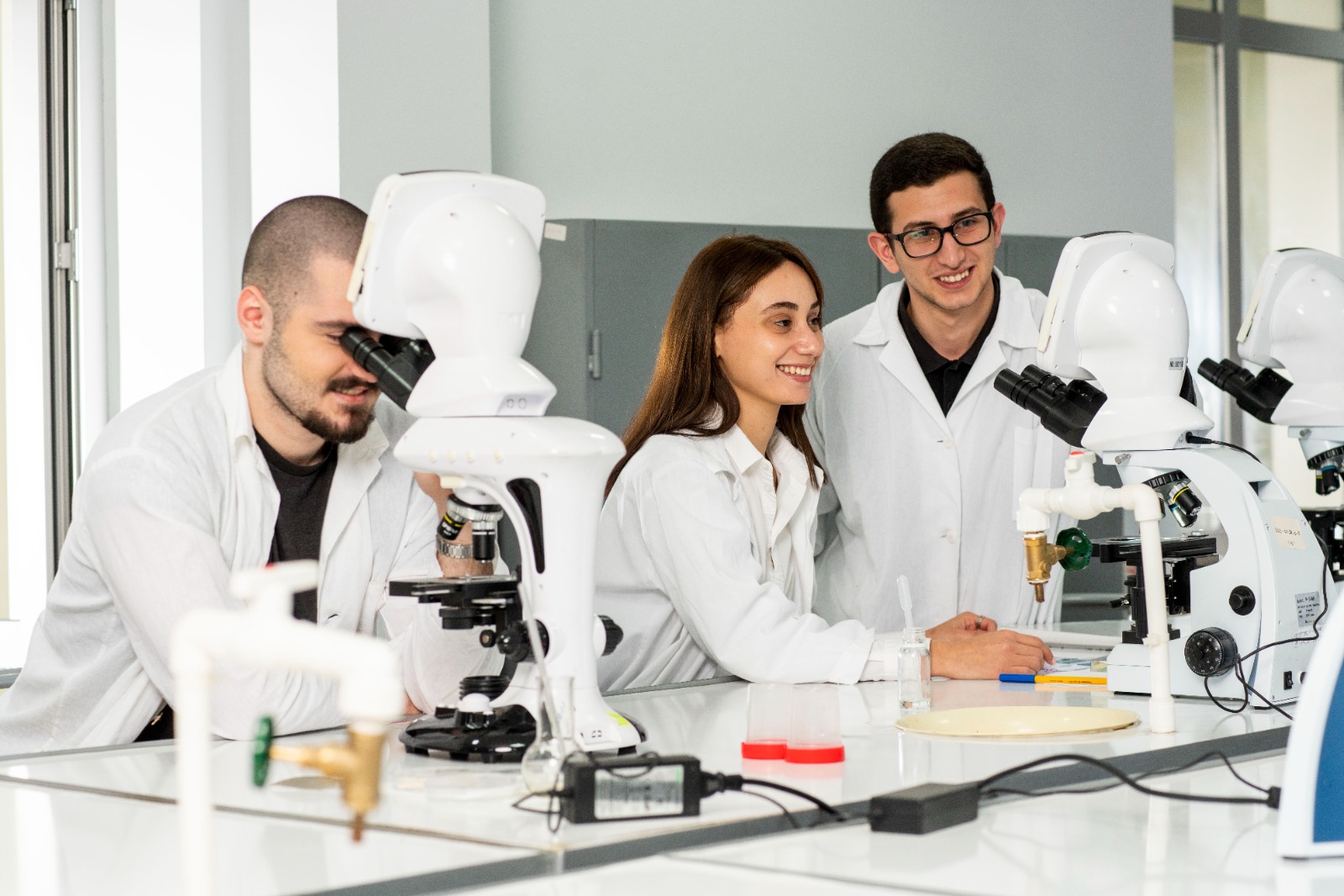
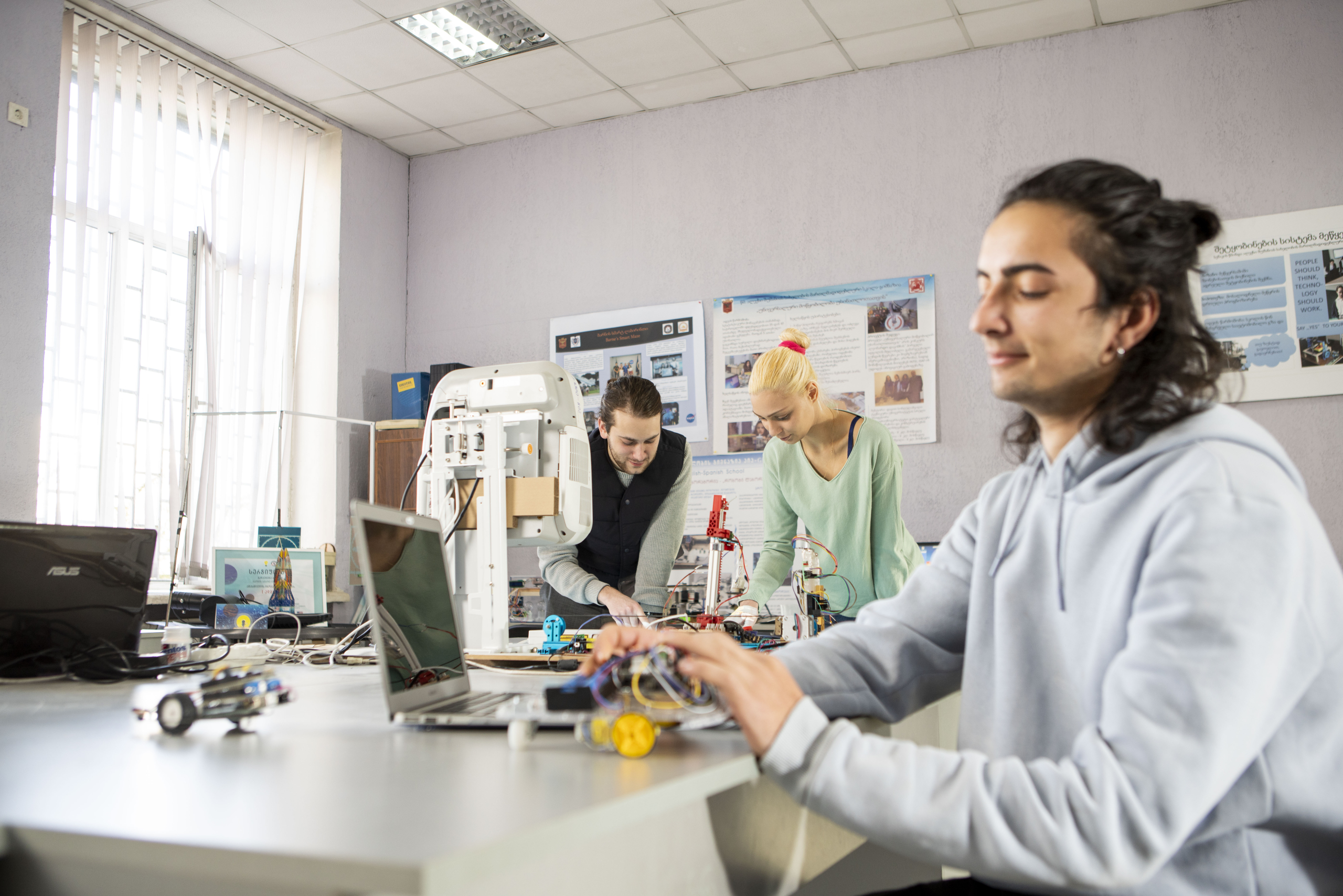
Moreover, the only holographic interferometry laboratory in the Caucasus enables the development of solutions to oncological challenges through nanoparticle synthesis. These experiments represent just a part of the initiatives that contribute to nurturing new generations of innovators.
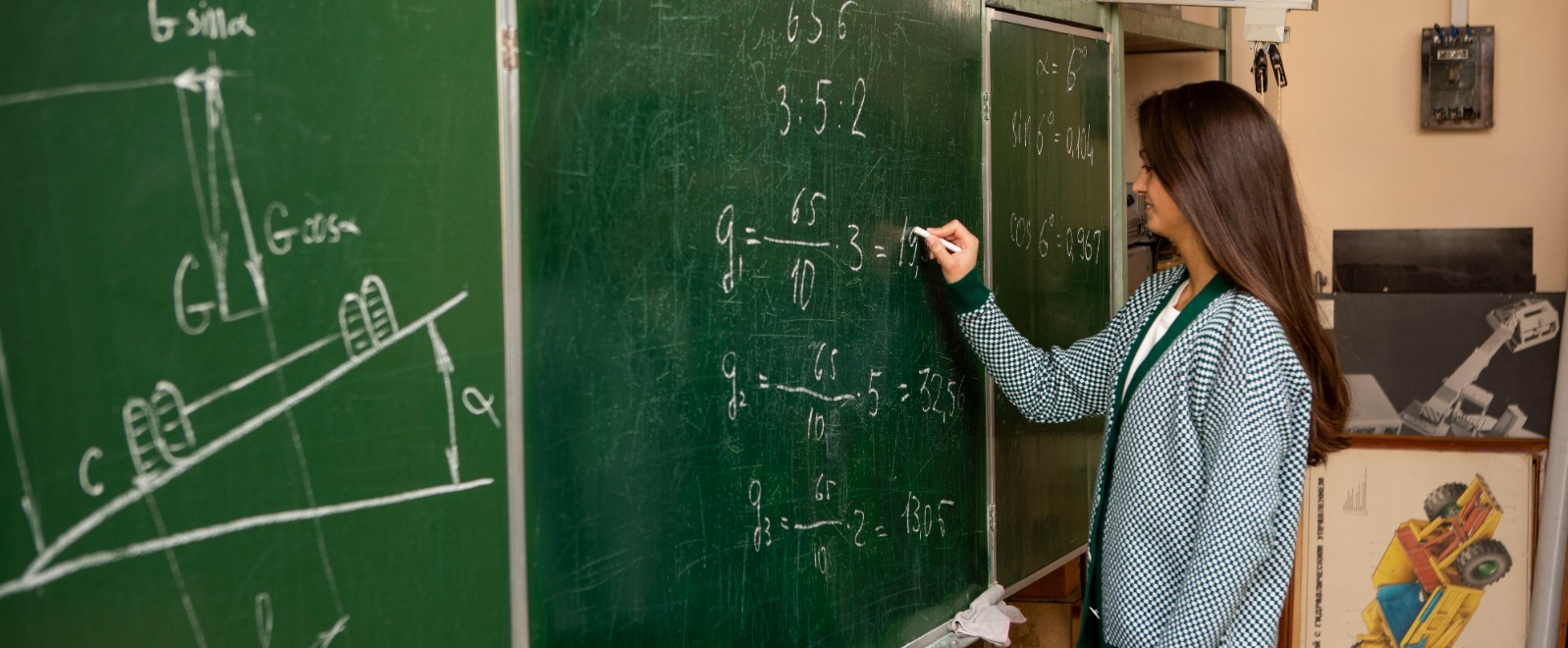
Since 2001, the Georgian Technical University has been home to the Theological Educational and Research Center, where scientific research is successfully conducted.
The Center is headed by Professor and Metropolitan Anania Japaridze, under whose direct leadership scientific research in theology and the development of young professional scholars are successfully pursued.
Theological education and research at the University are aligned with the practices and experience of leading European universities and research centers.
At one of Georgia’s largest universities, historically distinguished by its ethnic and confessional diversity, more than 50,000 students have studied the fundamentals of theology since 2001.
The Georgian Technical University Has A Longstanding And Fruitful Partnership With Some Of The World’s Leading Research Centers And Universities.
Including:
Massachusetts Institute of Technology, the Universities of California, Yale, Bern, Glasgow, and others.
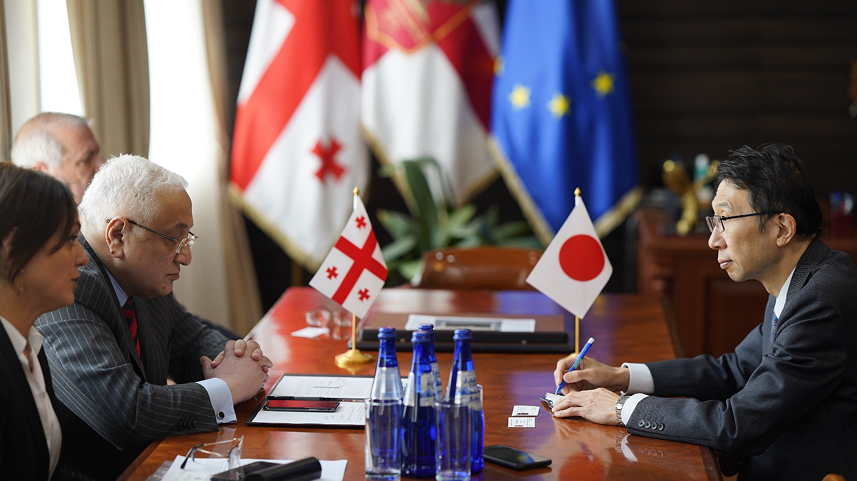
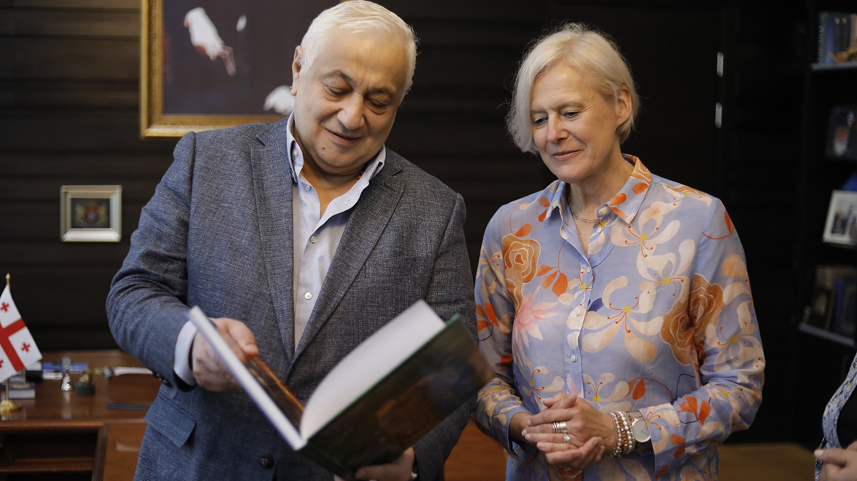
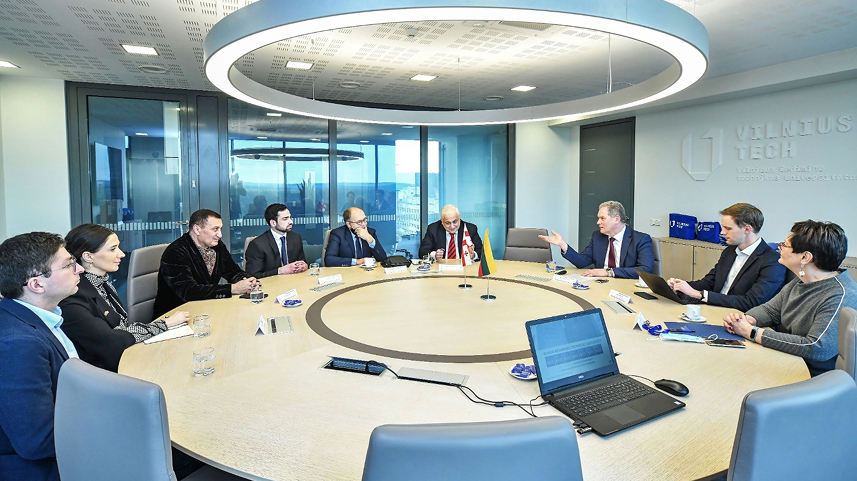
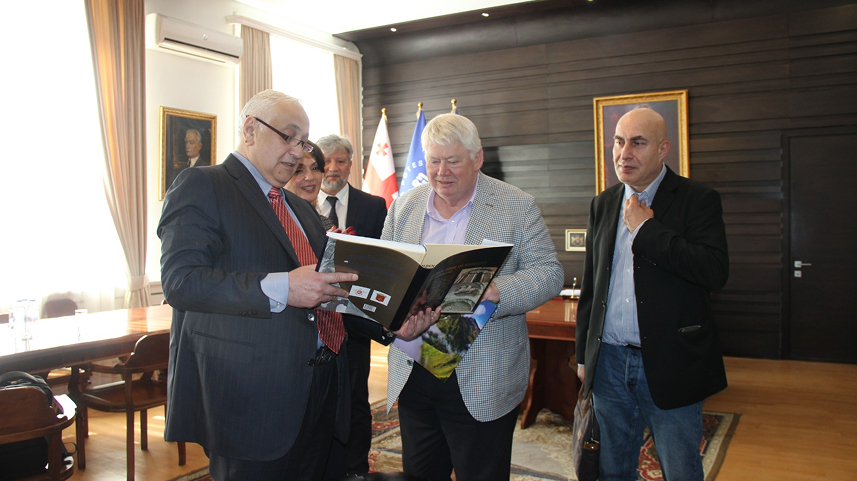
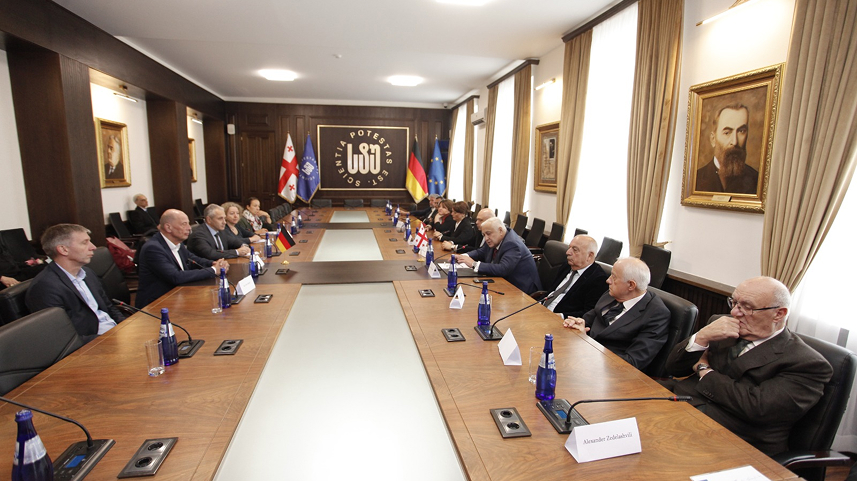
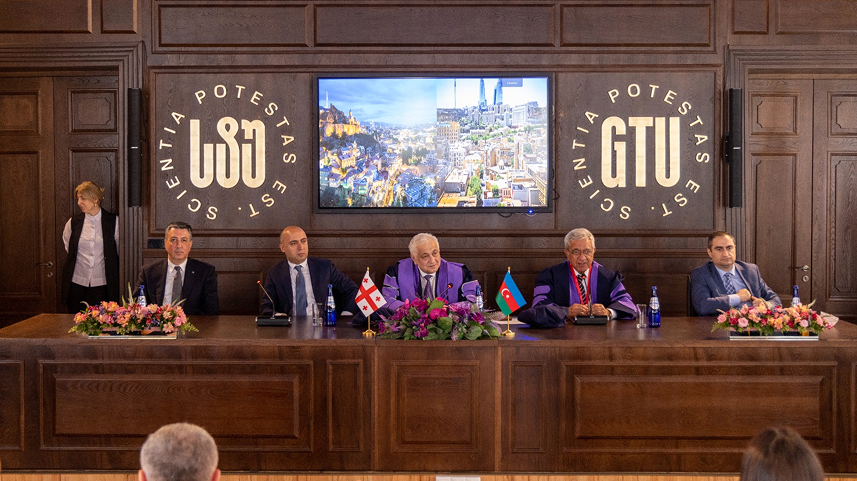
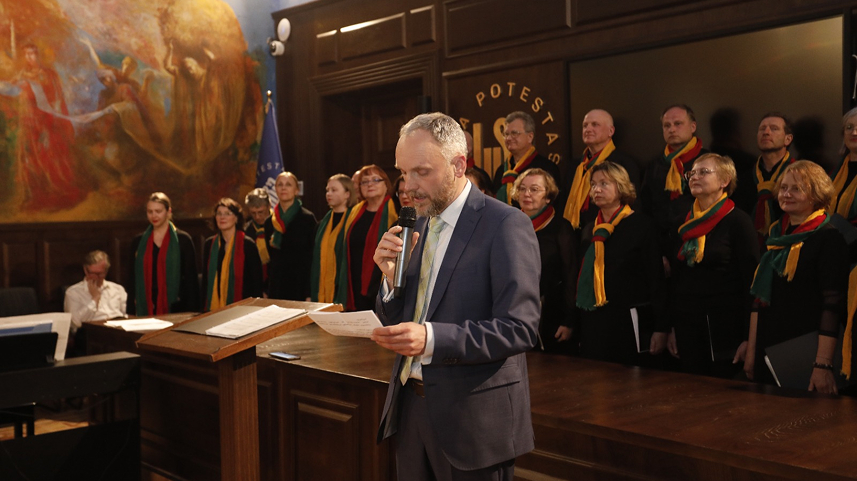
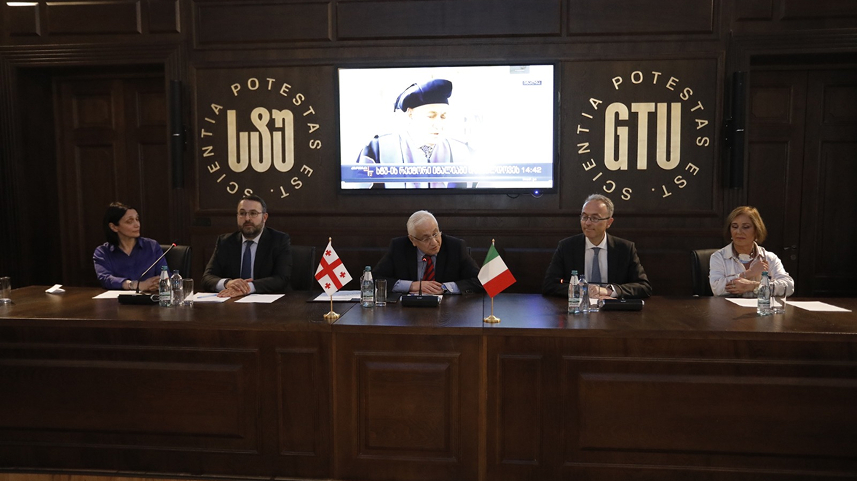
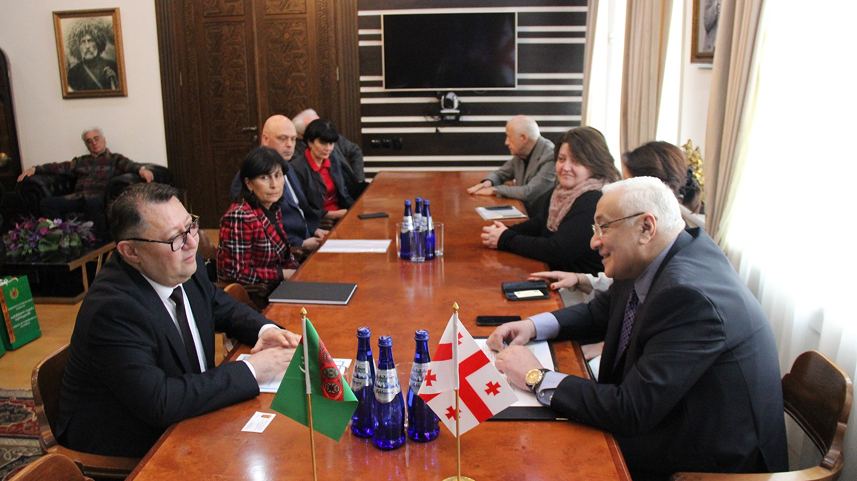
Furthermore, GTU has established memoranda of understanding with leading companies and brands worldwide, providing students with opportunities to undertake internships and gain European experience in high-tech and successful companies.

GTU is the first educational institution in the South Caucasus to have received international ABET accreditation for its English-taught Bachelor’s degree programme in Biomedical Engineering.
ABET accreditation serves as a guarantee that the university prepares competitive professionals in the fields of engineering and technology, while providing graduates with opportunities to pursue successful careers in both the Georgian and international labour markets.
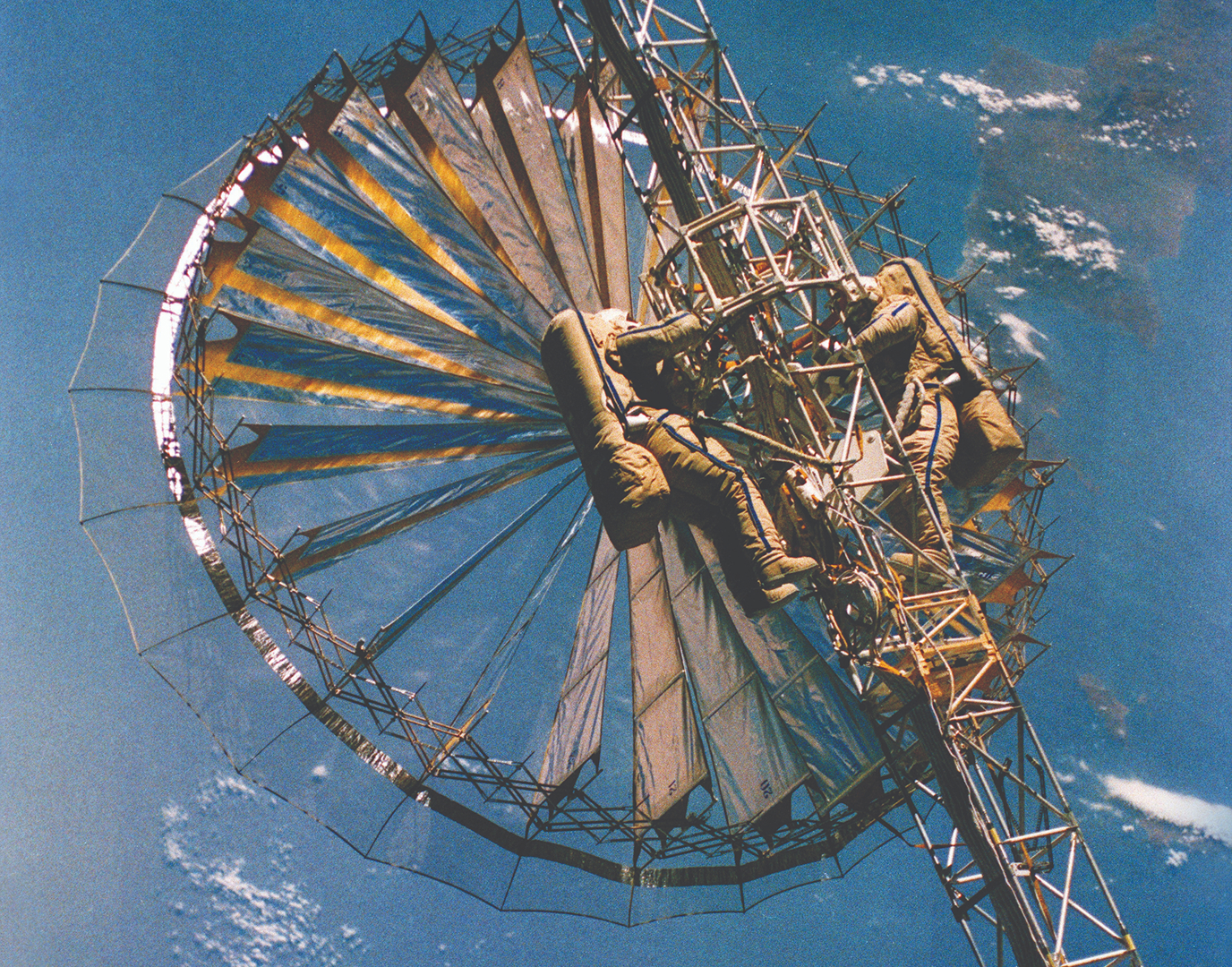
Throughout its century-long history, Georgian polytechnicians have implemented numerous significant projects contributing to the development of the country-from the construction of Enguri HPP, one of the most ambitious undertakings in Georgian engineering, to the launch into space of the first Georgian space object-a reflector.
GTU has played an active role in establishing internationally recognized scientific schools in structural mechanics and engineering seismology. Subsequently, representatives of these schools initiated the construction of industrial and civil infrastructure, gravity and arch dams, underground hydroelectric power stations in challenging terrain, and other major engineering projects in Georgia.
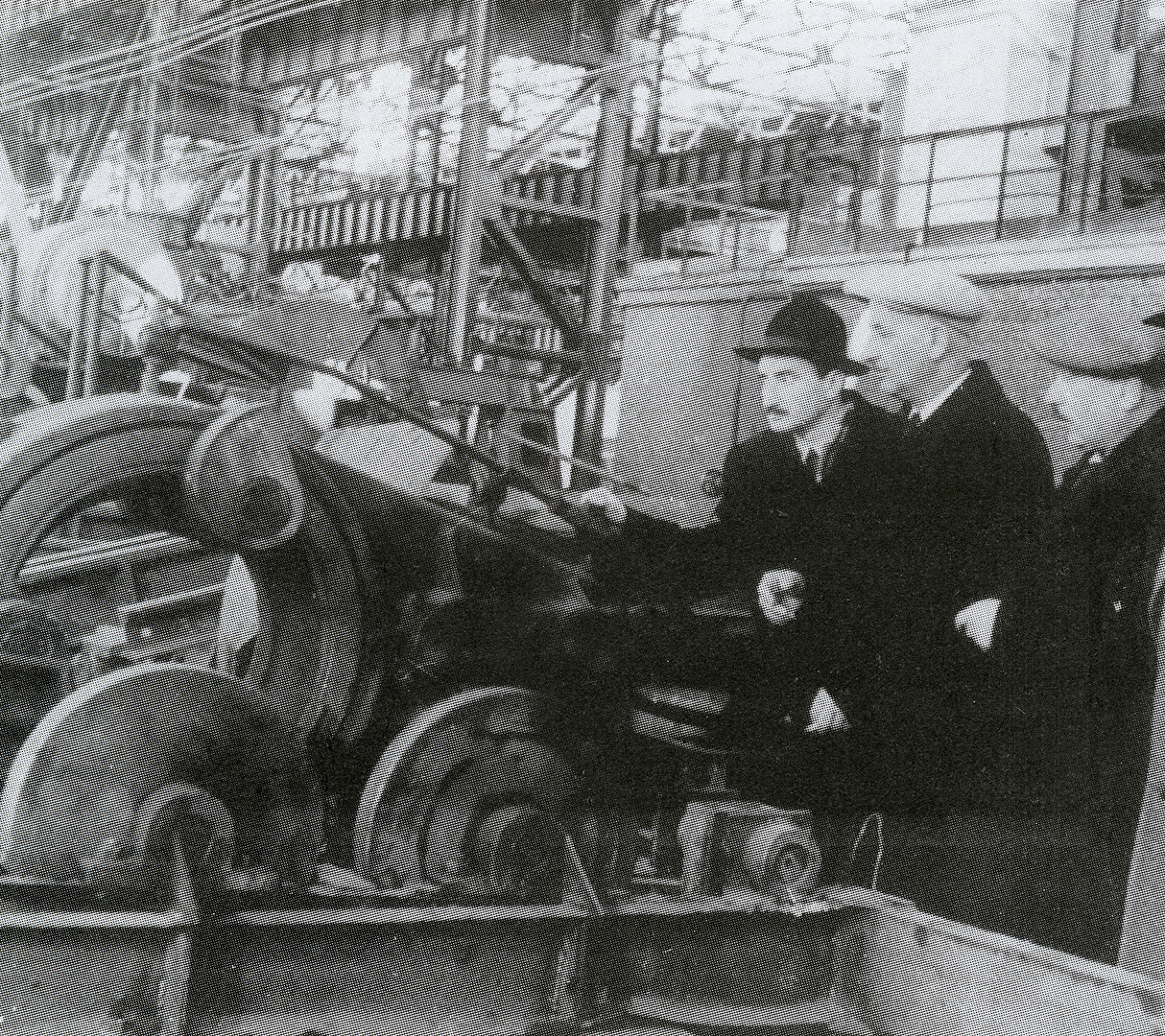
Georgian scientists have also made particularly significant contributions to the planning, construction, and operation of railway systems.
The first generation of Georgian mining engineers, who were students of Grigol Tsulukidze, one of the university’s founders, laid the foundations for the country’s mining industry.
Under the leadership of renowned scientists Alexander Janelidze, Alexander Tvalchrelidze, and Kalistrate Gabunia, Georgian geologists began applying sophisticated structural-tectonic, geophysical, and geochemical methods in geological exploration. This led to the discovery of new mineral deposits in Madneuli, Shaori, Tkvarcheli, and other locations.
Georgian power engineers have also made a major contribution to the country’s development. A unified energy system was established, and the republic was covered by a network of high-voltage transmission lines. Rioni HPP, Khram HPP, Enguri HPP, Tbilisi Thermal Power Plant, and numerous other energy facilities laid the foundations for Georgia’s modern energy sector.
In 1963, the first Georgian electronic computer, “Delisi,” was developed at the Institute of Electronics, Automation and Telemechanics of the Georgian Academy of Sciences (later renamed the Institute of Control Systems).
The active participation of Georgian polytechnicians in the Second World War is particularly noteworthy. Six graduates of the institute who took part in the war were awarded the title of Hero of the Soviet Union. The institute’s faculty members and students also played an active role in the post-war period, contributing to the reconstruction and development of the national economy.
Alongside the advancement of chemistry, the field of metallurgical science also developed.
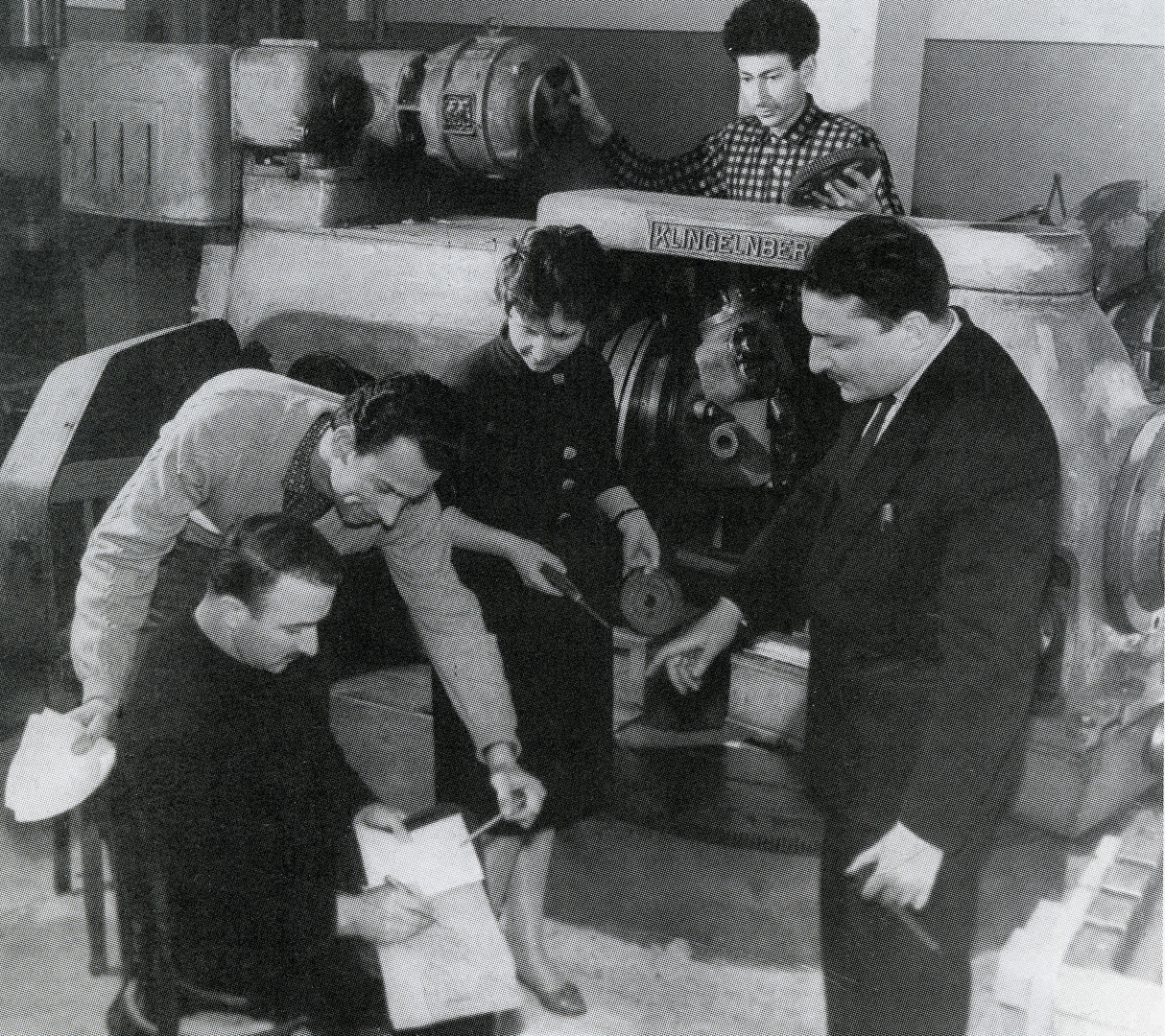
In 1959, the Tbilisi Institute of Railway Transport Engineers was incorporated into the Georgian Polytechnic Institute. Following this merger, the Faculties of Automation and Computer Engineering, Hydraulic Engineering and Sanitary Engineering, Communications and Electronics, and Automotive Engineering were established, along with specialized and problem-oriented laboratories conducting scientific research of strategic importance to the country.
In 1969, the Faculty of Architecture was established at the Georgian Polytechnic Institute. Its first dean was Professor Akaki Berishvili, who served from 1969 to 1972.
By the end of the first decade of the 21st century, the structure of the Georgian Technical University as a higher education institution had undergone significant transformation. Numerous scientific and research organizations, with substantial human resources and material and technical infrastructure, were incorporated into the University. A new University Charter was also adopted.
Today, in independent Georgia, young specialists, scientists, and researchers in engineering and technical fields have far greater opportunities to contribute to the country’s development. This provides a strong foundation for the Georgian Technical University and its graduates to carry forward a century-old tradition.