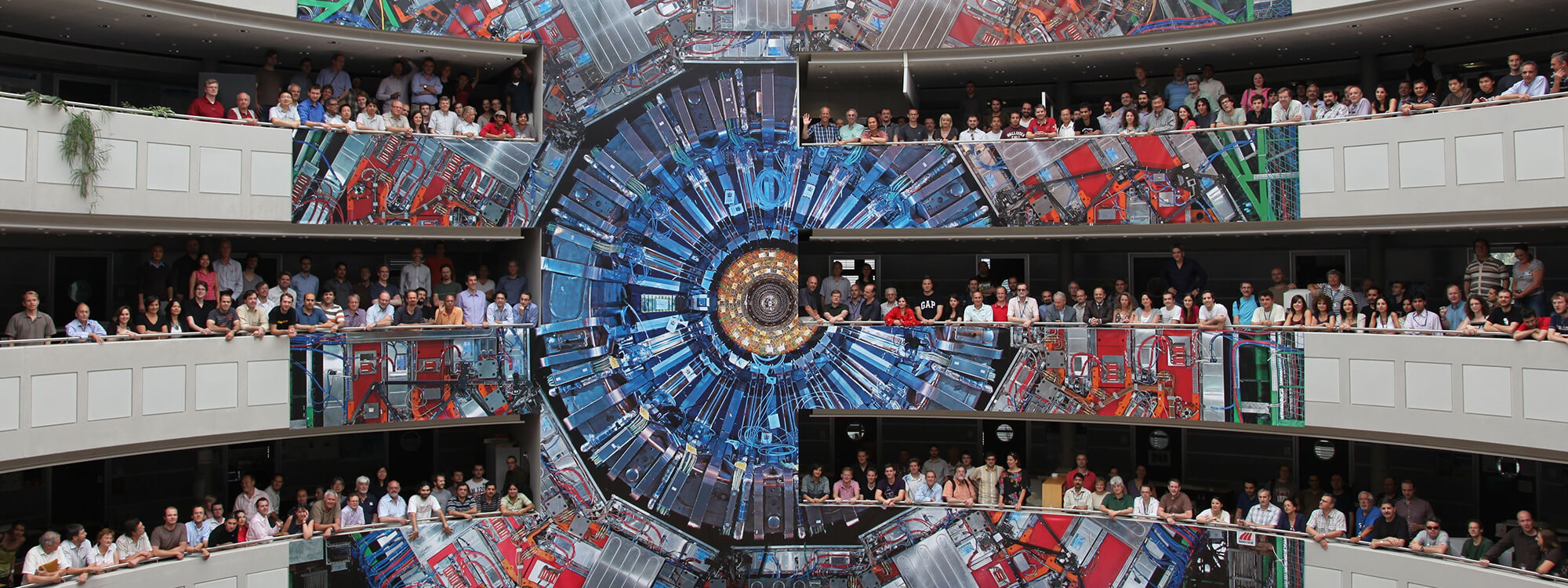
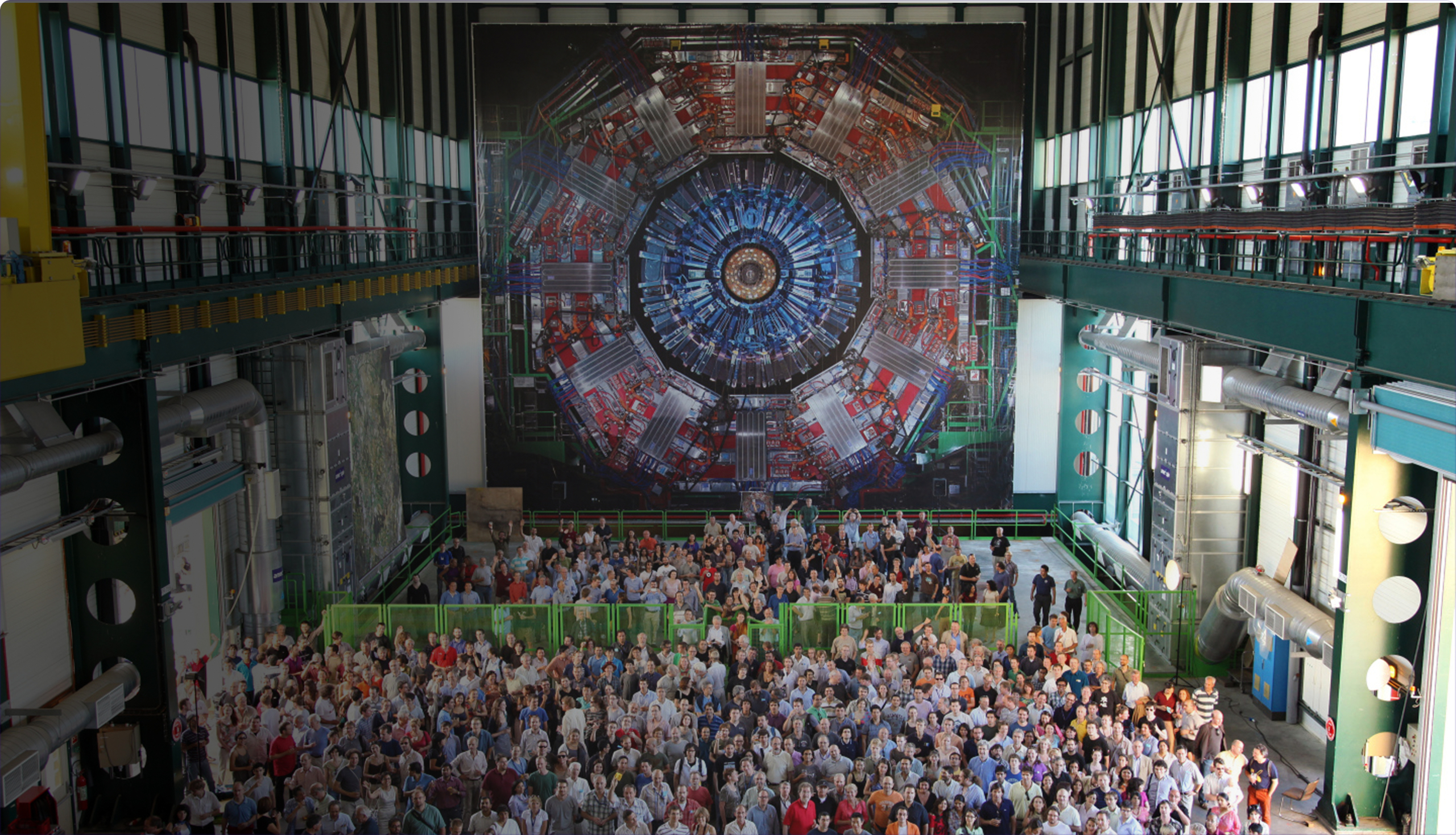
CERN / CMS Collaboration
CERN / CMS Collaboration
Research title
Scientific results of the CMS (Compact Muon Solenoid) experiment and the study of the properties of the Higgs boson.
Research location
The search for new particles and phenomena beyond the Standard Model, together with the precise measurement of the properties of the Higgs boson, requires a continuously evolving and extremely complex detector system.
Scope of the study
Continuous improvement of detector performance for the future, higher-intensity stages of the LHC (Phase-2 Upgrade), along with uninterrupted collection and processing of data.
Research objective
Precise measurement of the mass, spin and decay channels of the Higgs boson, and the search for new physics.
Contribution of GTU researchers to the experiment
According to official CERN sources, the Georgian group (a joint team of Georgian Technical University and Tbilisi State University) has been a member of CMS since 1992, even before the official establishment of the collaboration. The group took part in developing the technical design of CMS as a co-author of the 1996 Technical Design Report (TDR), and, in the early stages, in the construction of the HCAL and ECAL detectors (together with the RDMS CMS groups).
Today the group contributes to the RPC (Resistive Plate Chambers of the muon system) and HCAL (hadron calorimeter) detectors, participates in CMS IT programmes and in the development of geometry work packages, and takes part in local and central shifts during data taking. Future plans are linked to the Phase-2 Upgrade (RPC, HCAL) and to the construction of the HGCAL detector subsystem.
Contribution of GTU researchers to the experiment
Zviad Tsamalaidze
Yuri Bagaturia
Irakli Lomidze
David Lomidze
Application potential
- Expanding fundamental physics knowledge about the particle structure of the universe
- Advancing detector technologies (calorimetry, muon detection), with practical applications in medical imaging and radiation detection
- Training international scientific personnel and sharing knowledge with Georgian engineers and physicists
Other research
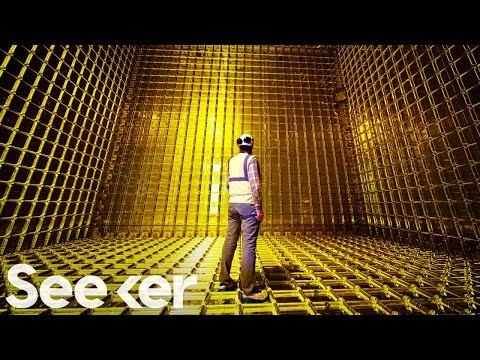
CERN / CMS HGCAL Collaboration (CMS Upgrade Program)
Development of a High-Granularity Calorimeter for the High-Luminosity Upgrade of the Large Hadron Collider