Discussion at the Georgian Technical University – The Conflicts in Abkhazia and Samachablo through the Lens of History, International Law, and Geopolitics
An academic and student initiative has been launched at the Georgian Technical University – organized and supported by the Faculty of Law and International Relations – as part of the event series titled “Week of the Fall of Abkhazia.” During the project’s inaugural working meeting, participants examined the historical-legal, geopolitical, and humanitarian aspects of the events that unfolded in Abkhazia in 1992–1993 and the fall of Sukhumi.
The initiative aims to conduct academic research into historical and legal materials on the conflicts in Abkhazia and Samachablo (the Tskhinvali region), strengthen institutional memory, and foster a culture of peace education and dialogue through active student participation.
Professor Ivane Giorgadze (Dean of the Faculty of Law and International Relations), Professor Jemal Gabelia (Deputy Dean), and Professor Nikoloz Pipia (Head of the Academic Department of Public Law) are involved in defining the project’s strategic directions and its implementation process. Dr. Sopiko Gorgiladze (International Relations) initiated the meeting. Students Giorgi Kukava, Lasha Meskhi, and Valeria Khomasuridze are actively participating in planning future initiatives.
During the working meeting, participants viewed “History Turned into a Weapon,” a 55-minute documentary film by Besarion Gafrindashvili, produced by the “Caucasus House.” An in-depth academic discussion followed the screening.
One key topic of the discussion was understanding historical experience in the context of peace and security policy.
“Discussions about peace must not remain merely general appeals; the discourse on peace must be pragmatic and show due regard for state interests. Striving for peace does not mean disregarding historical facts, legal assessments, or the country’s security interests. On the contrary, sustainable peace must be grounded in a considered alignment of historical memory, international law, and state interests. Our task is to provide students with the opportunity to examine these processes critically, academically, and responsibly.”
– Professor Ivane Giorgadze
Five main thematic areas emerged during the discussion: Russia’s “divide and rule” policy and the processes of conflict escalation; the Kremlin’s geopolitical objectives regarding the obstruction of Georgia’s Euro-Atlantic integration; Western policy in the 1990s and the factor of energy dependence; Russia’s role as a so-called conflict mediator and in the context of the 2008 aggression; as well as Georgia’s choice of values –Western democracy, the rule of law, and the principles of international law.
Professor Jemal Gabelia, Deputy Dean of the Faculty, and Professor Nikoloz Pipia, Head of the Academic Department of Public Law, focused their remarks on the chronological study of violations of international law norms and the importance of preserving institutional memory in a post-conflict environment.
The meeting’s guest of honor was Avtandil Khazalia – a professor at the Faculty of Law and Diplomacy at Sukhumi State University, Doctor of Law, and Academician of the National Academy of Sciences of Abkhazia. Drawing on his professional background – which includes serving in high-ranking positions within the Council of Ministers of the Autonomous Republic of Abkhazia during the 1990s and working as a military judge in the Abkhazia region – he shared his personal experiences and historical-legal assessments with the participants.
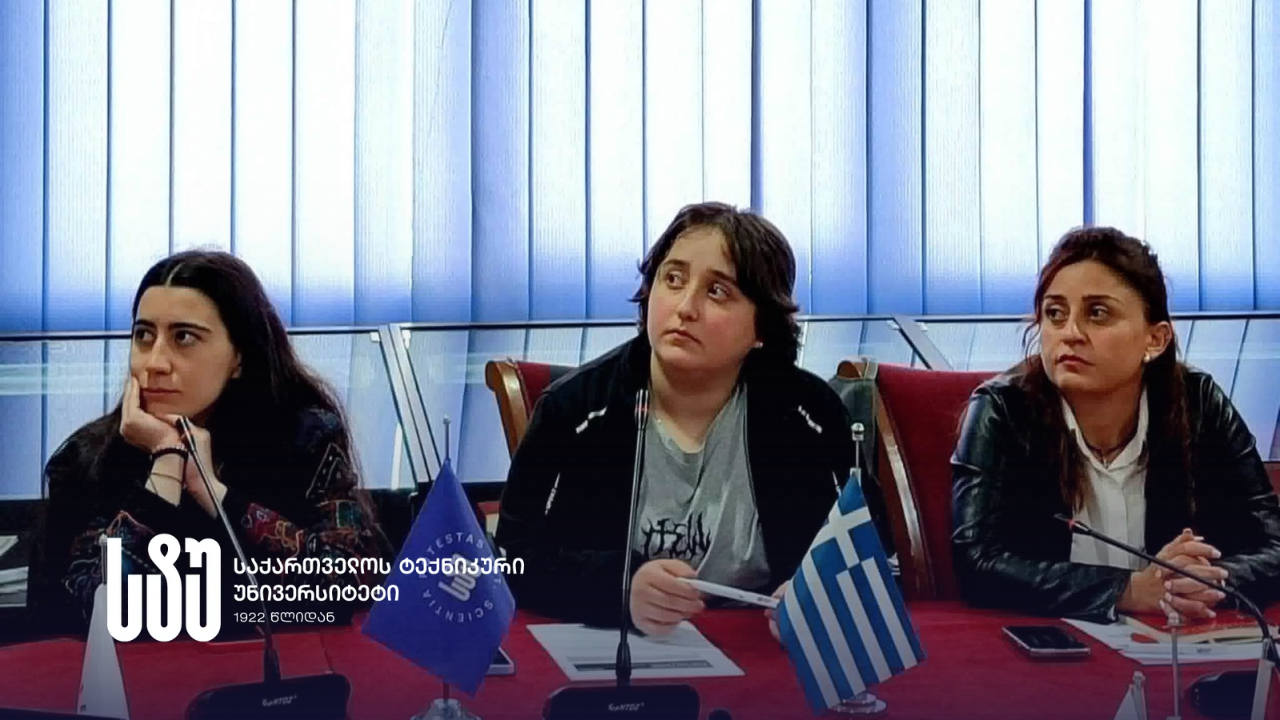
Professors Maia Benia, Nana Kankava, and Khatia Vasadze from the Georgian Technical University participated in the discussion. Their presentations addressed the humanitarian dimension of conflicts, the importance of historical memory in society, and the role of youth in the peacebuilding process.
The meeting took on profound emotional and moral significance with the address by Ketevan Kviriashvili – an GTU student and the wife of Levan Melkadze, who died heroically at Shindisi. She linked her family experience to the importance of historical memory and the struggle for freedom, noting that the new generation must carry forward the country’s history through knowledge, legal understanding, and justice.
As part of the “Week of the Fall of Abkhazia,” the working group identified several key academic and strategic areas of focus. These include locating and systematizing historical and legal documentation regarding the events in Abkhazia (1992–1993) and the Russian aggression of 2008, as well as creating a digital archive; strengthening cooperation with young people forcibly displaced from the temporarily occupied territories and implementing joint educational projects and seminars; and supporting student and academic initiatives in the fields of public diplomacy, the culture of dialogue, and countering hybrid threats.
Related
News
GTU Rector: The Commemoration Day of the Holy Great Martyr George Is a Symbol of Faith, Spiritual Fortitude, Self-Sacrifice, and the Eternal Victory of Goodness
Academician David Gurgenidze, Rector of the Georgian Technical University, extends his congratulations on the feast day of St. George (Giorgoba)...
News
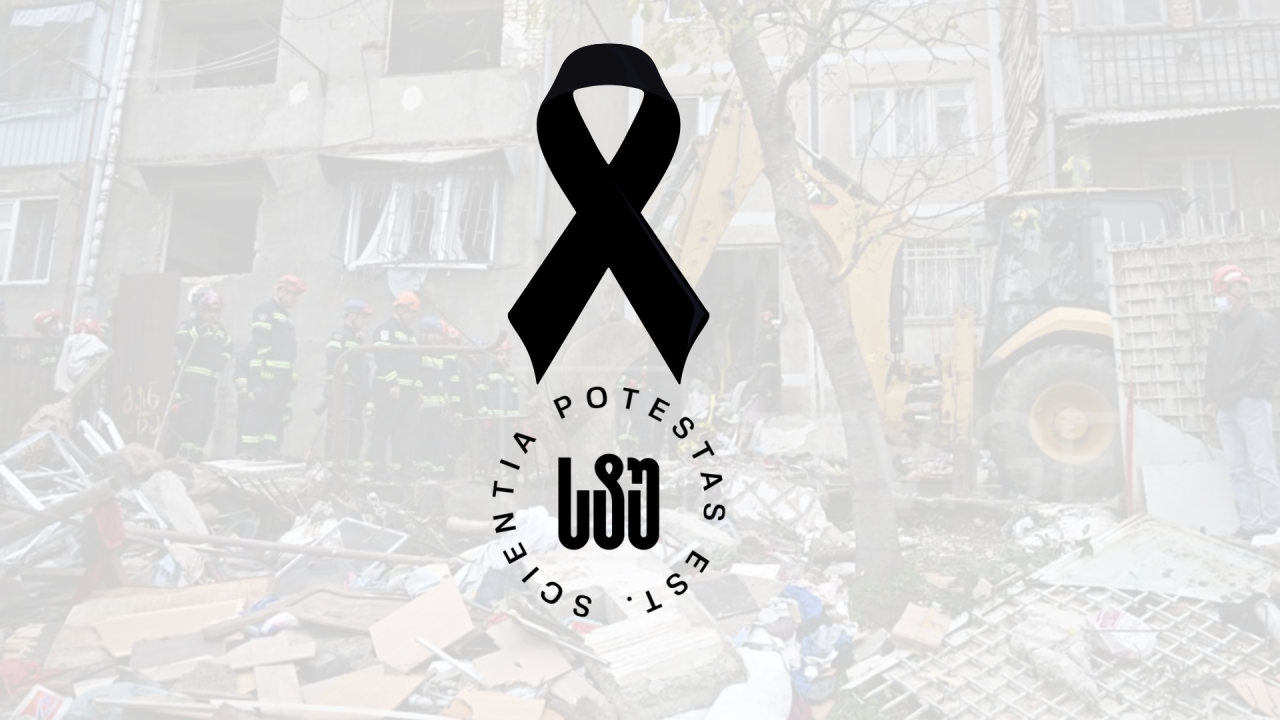
Rector of GTU: “We express our deepest sorrow over the horrific tragedy that has claimed the lives of six people”
Academician David Gurgenidze, Rector of the Georgian Technical University and Chairman of the Standing Conference of Rectors of Georgian Higher...
News
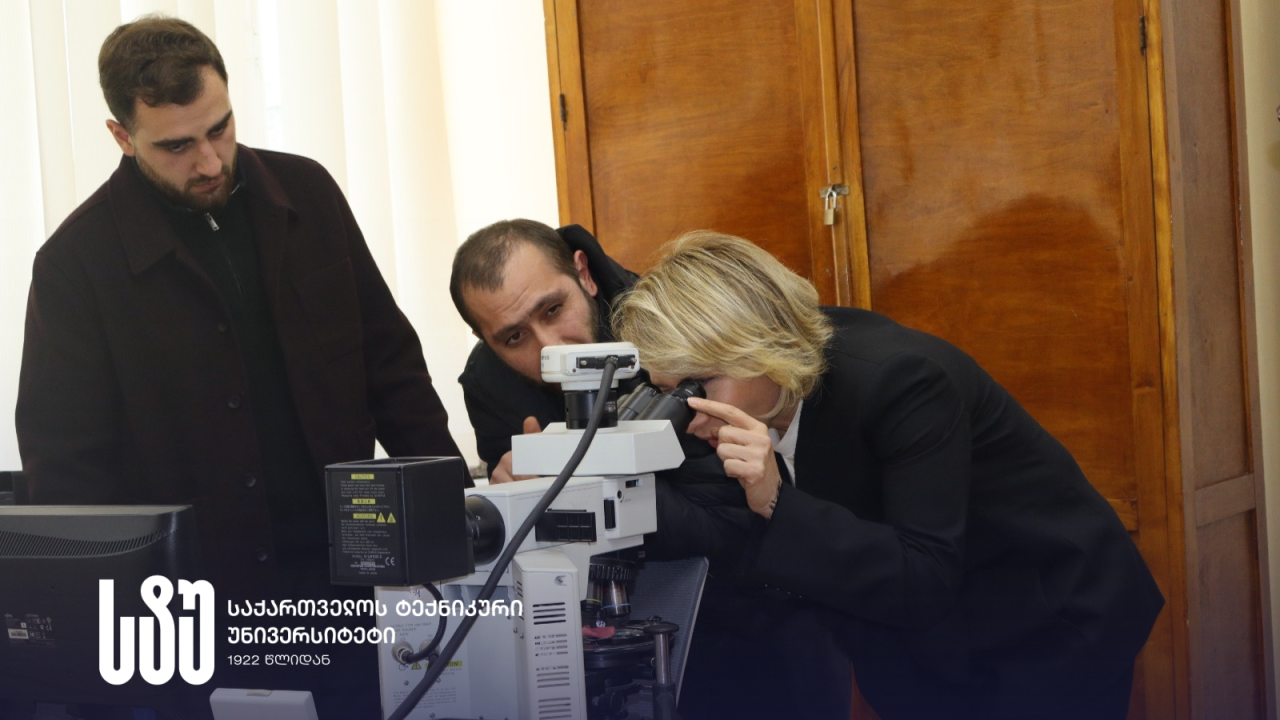
Nino Tsilosani Visits the Faculty of Mining Geology and Sustainable Mountain Development
Nino Tsilosani, Deputy Speaker of the Parliament of Georgia and Member of Parliament, visited the Georgian Technical University to learn...
News
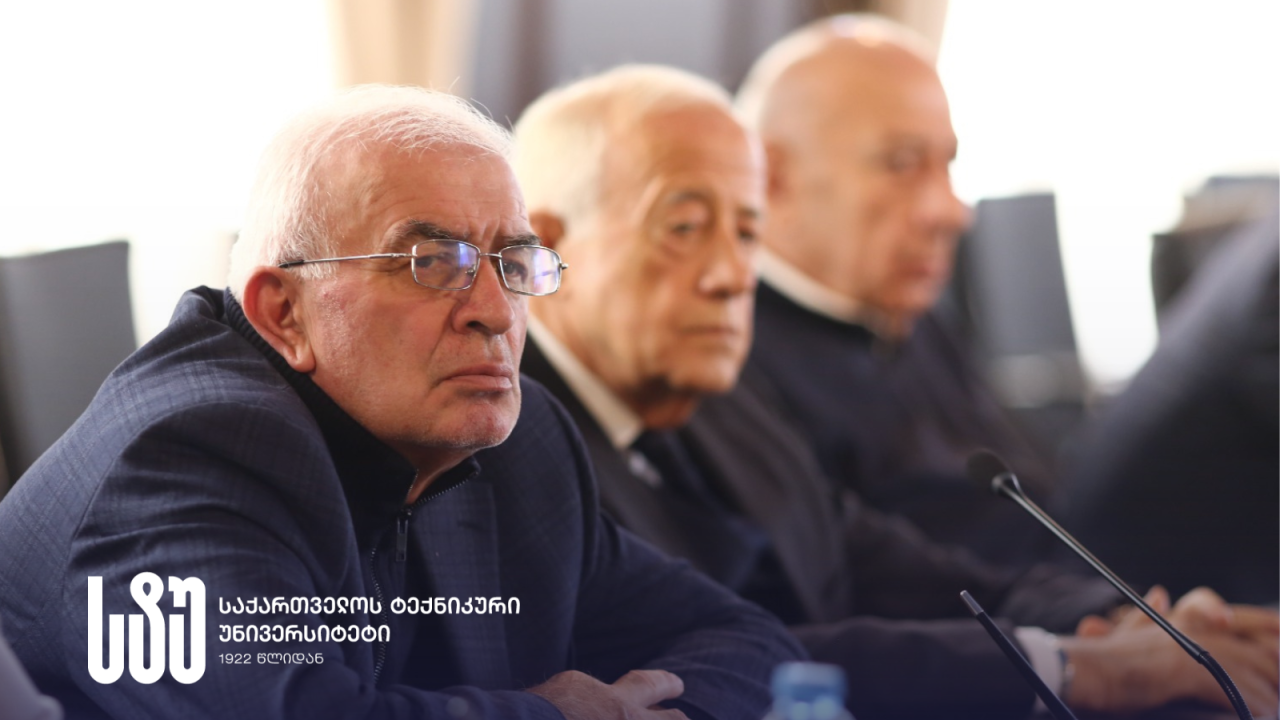
A presentation on the activities of the organization “Society Iveria” was held at the GTU; the university and the organization are to sign a memorandum
The Georgian Technical University views its mission as a vital institution – one that not only facilitates higher education and...
News
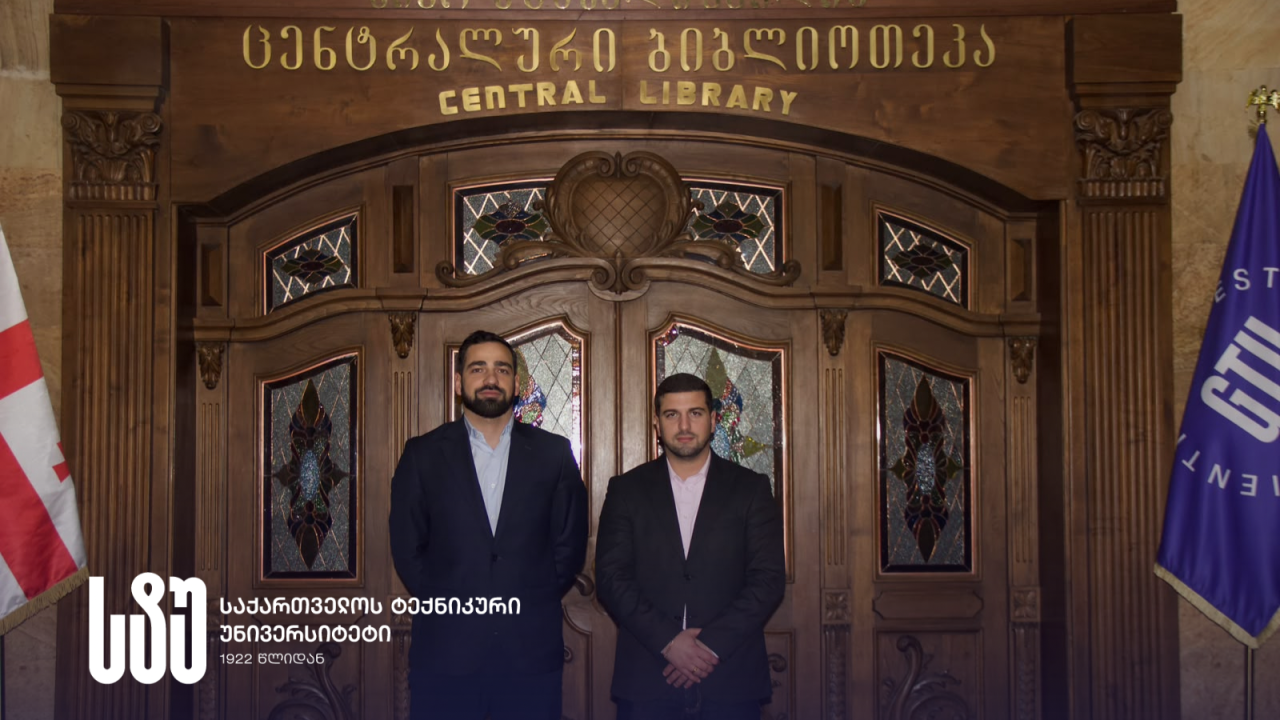
Irakli Gugushvili, a student from the Faculty of Transport Systems and Mechanical Engineering, was elected as the acting president of the Student Self-Government.
“A modern university serves as an environment for learning, personal development, critical thinking, civic responsibility, and the cultivation of leadership...

News
Rector of the Georgian Technical University Expresses Condolences on the Passing of Alexander (Sasha) Gvelesiani
On behalf of the university community, the Rector of the Georgian Technical University, Academician David Gurgenidze, expresses deep sorrow and...