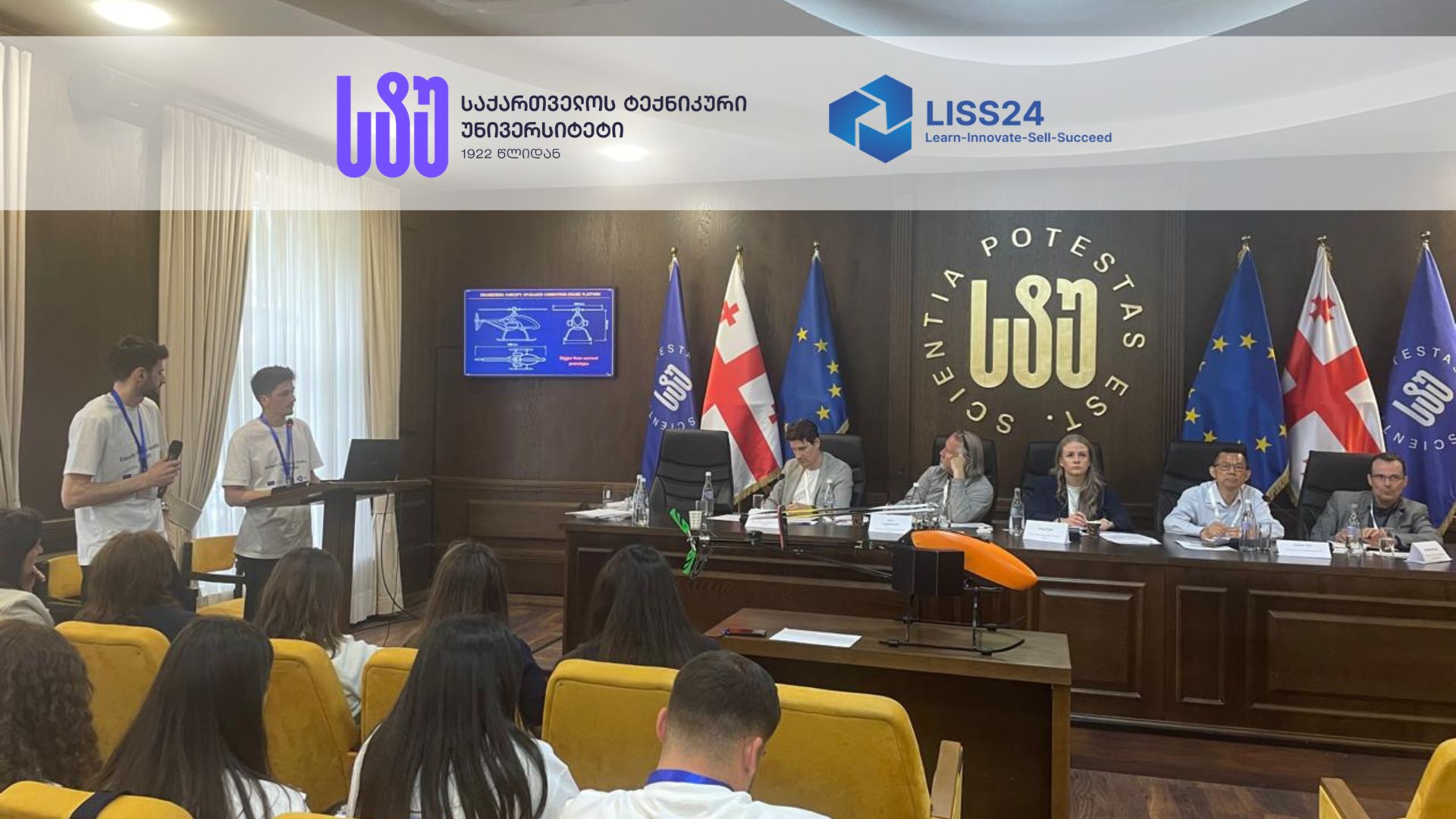
“Eastern Partnership Innovation Competition” at GTU
“For the Georgian Technical University, it is of particular importance to support international educational and research initiatives that foster innovative, creative, and entrepreneurial thinking among the youth. In the modern world, where technological progress and global competition are advancing rapidly, one of the main responsibilities of higher educational institutions is to create an environment that, alongside theoretical knowledge, provides students with practical experience, critical thinking skills, and real professional competencies,” said GTU Vice-Rector, Professor Tamar Tsereteli, at the closing event of the “Eastern Partnership Innovation Competition.”
The international competition, aimed at encouraging entrepreneurial and innovative thinking among students, promoting the sharing of experience, and showcasing creative potential, was held within the framework of the Erasmus+ KA2 project “Learn – Innovate – Sell – Succeed” (LISS24). Alongside GTU students, young people from various higher education institutions presented their original innovative projects.
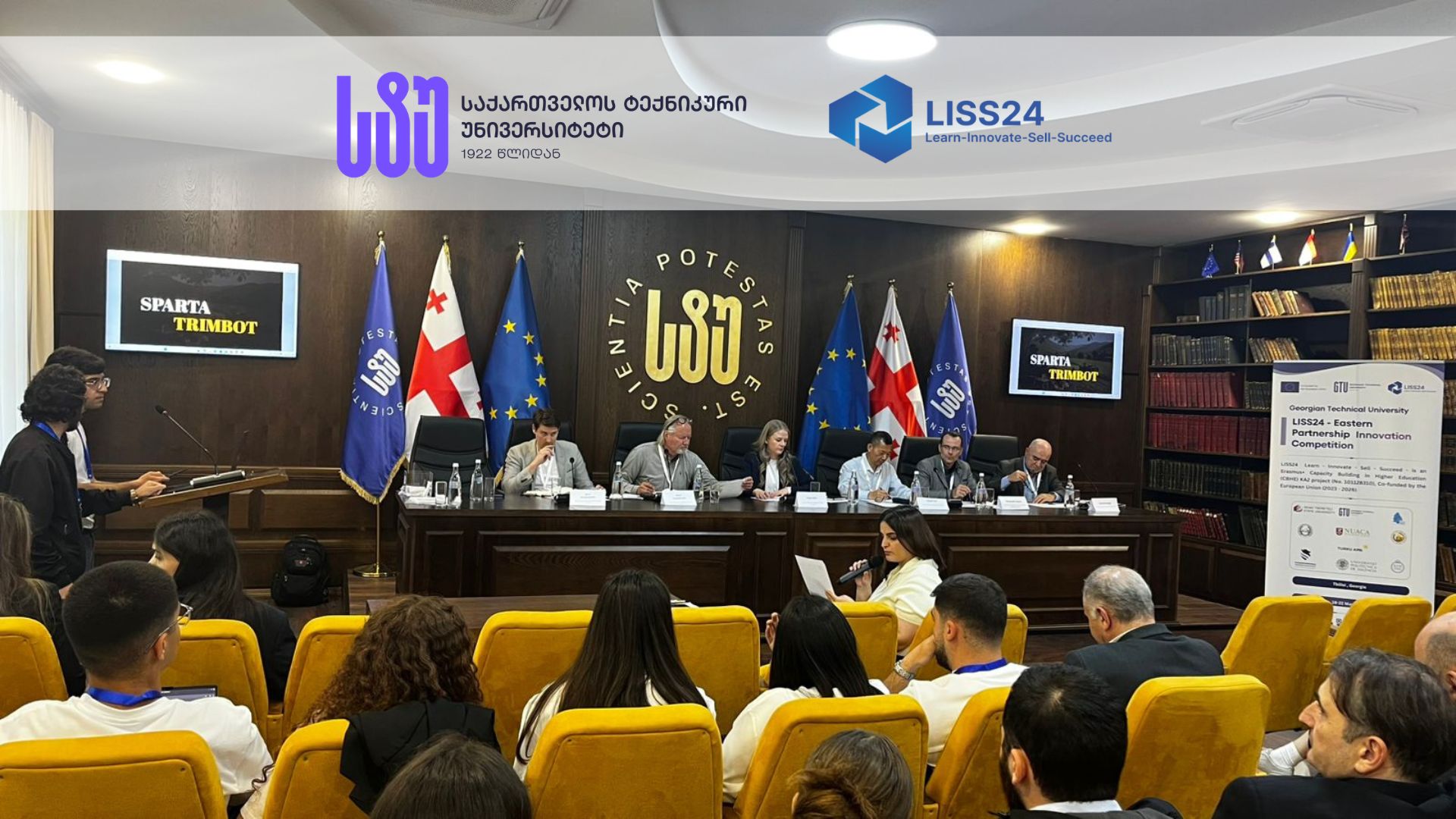
According to the Dean of the Faculty of Transport Systems and Mechanical Engineering at GTU, teams from partner higher education institutions in Armenia also participated in the competition. As Associate Professor Boris Gitolandia noted, participants presented innovative ideas addressing modern technological challenges, digital transformation, and sustainable development.
“It is especially important that, within the framework of LISS24, young people engage in multicultural international cooperation by presenting their ideas to a broad academic audience, international experts, and potential partners. Through this process, participants gain valuable experience in project management, teamwork, communication, and professional presentation skills, all of which contribute significantly to their professional growth and future opportunities. Cooperation with universities and academic communities from different countries allows students to exchange experiences, explore modern educational models and technological trends, and ultimately enhance their competitiveness. At the same time, such initiatives also play an important role in the institutional development of the university, as collaboration with international partners promotes the exchange of knowledge, research experience, and innovative practices.”
– Associate Professor Boris Gitolandia
According to the GTU Vice-Rector, the LISS24 project contributes to strengthening academic and research collaboration among Eastern Partnership countries.
“The international competition provides students and young innovators with an opportunity to develop original startup ideas, test innovative visions in practice, and demonstrate their abilities within the international academic and professional arena. Events of this kind are particularly effective in a modern educational environment and contribute to the development of entrepreneurial culture, creative thinking, and innovative approaches among young people. Such cooperation not only creates opportunities for students’ individual professional development but also contributes to the unified innovation establishment and research ecosystem in the region.
Georgian Technical University, with the support of Rector Academician David Gurgenidze, will continue to actively support regional and international youth initiatives in the future, because we believe that the primary driving force behind education, science, and technological progress is the intellectual potential of the new generation of professionals. The university places special emphasis on creating an environment that enables young researchers to actively engage in modern scientific and technological processes, develop both research and practical skills, and contribute to the sustainable development of the country and the region.
– Professor Tamar Tsereteli
The jury of the international competition held at GTU, composed of representatives from European partner countries, evaluated the students’ presentations based on relevance, innovation, and practical applicability, and announced the winners. The winning contestants were awarded certificates and symbolic gifts.
Related
News
Attention to Students Transferring to GTU Through Autumn External Mobility for the 2026–2027 Academic Year!
Please carefully read the information about vacancies and admission requirements for external mobility in the selected GTU program: https://students.emis.ge/VacancyInfo A...
News
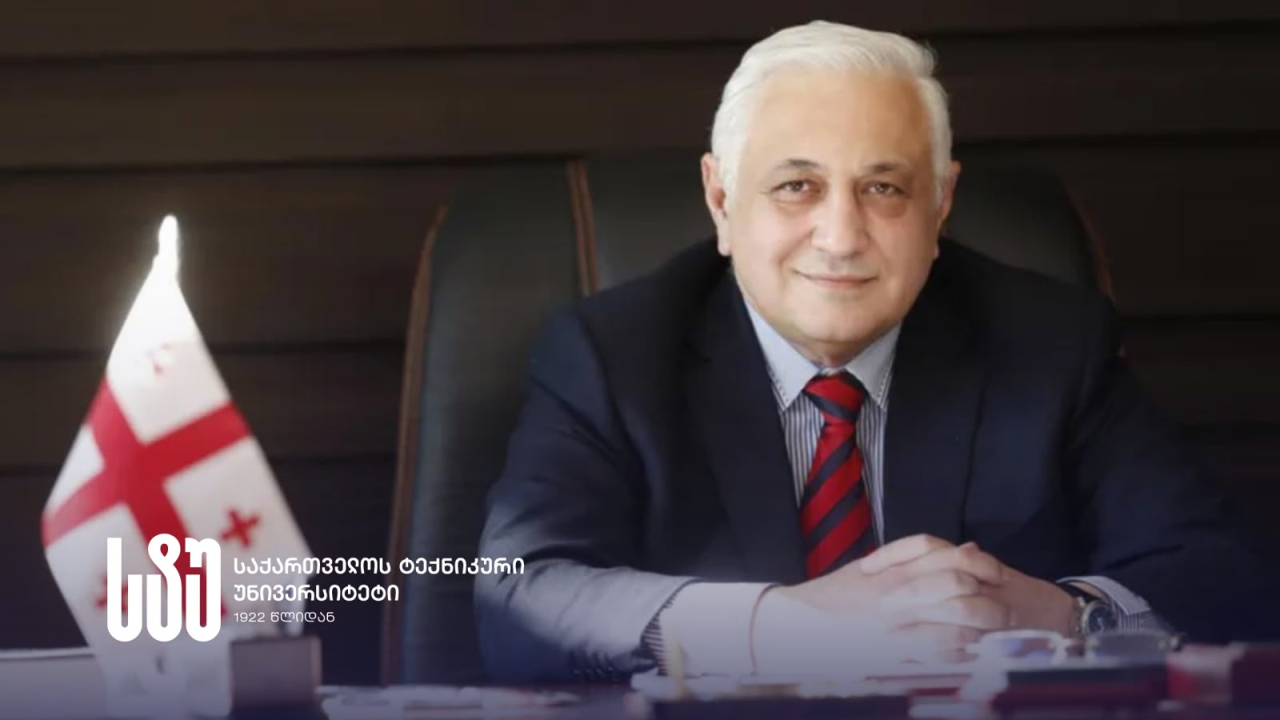
Rector of GTU, Academician David Gurgenidze Congratulates Applicants on Becoming Students
Academician David Gurgenidze, Rector of Georgian Technical University, congratulates the university applicants who successfully passed the Unified National Examinations on...
News
First-Year Students!
Initial registration of persons eligible for enrollment in GTU's bachelor's and Georgian language training educational programs based on the 2026...

News
GTU expresses its deep sorrow over the passing of the distinguished scientist and professor.
Georgian Technical University expresses its deep sorrow over the passing of Giorgi Kirmelashvili, Professor at the Department of Engineering Mathematics...
News
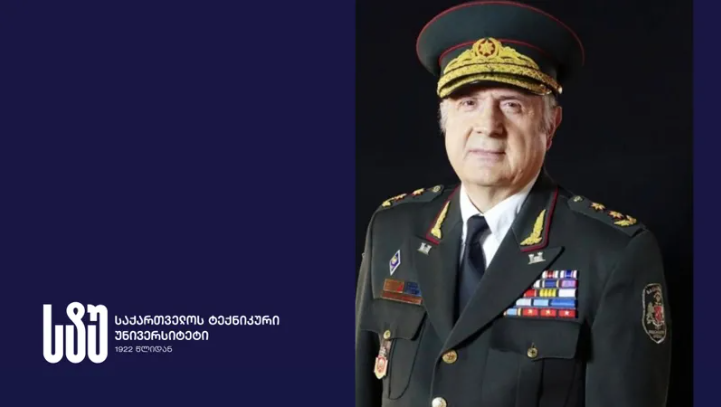
The Rector of GTU Congratulates Major General, Academician Elguja Medzmariashvili on His 80th Birthday
Rector of the Georgian Technical University, Academician David Gurgenidze, on behalf of the university community, congratulates Major General, Academician Elguja...

News
Publication of Articles and Professional Materials in the EEDA Newsletter
Employees of Georgian Technical University will have the opportunity to publish news, short articles, and professional materials in upcoming editions...