Innovative Learning Space at GTU – Students will acquire knowledge at the premises of the company “Autoban”
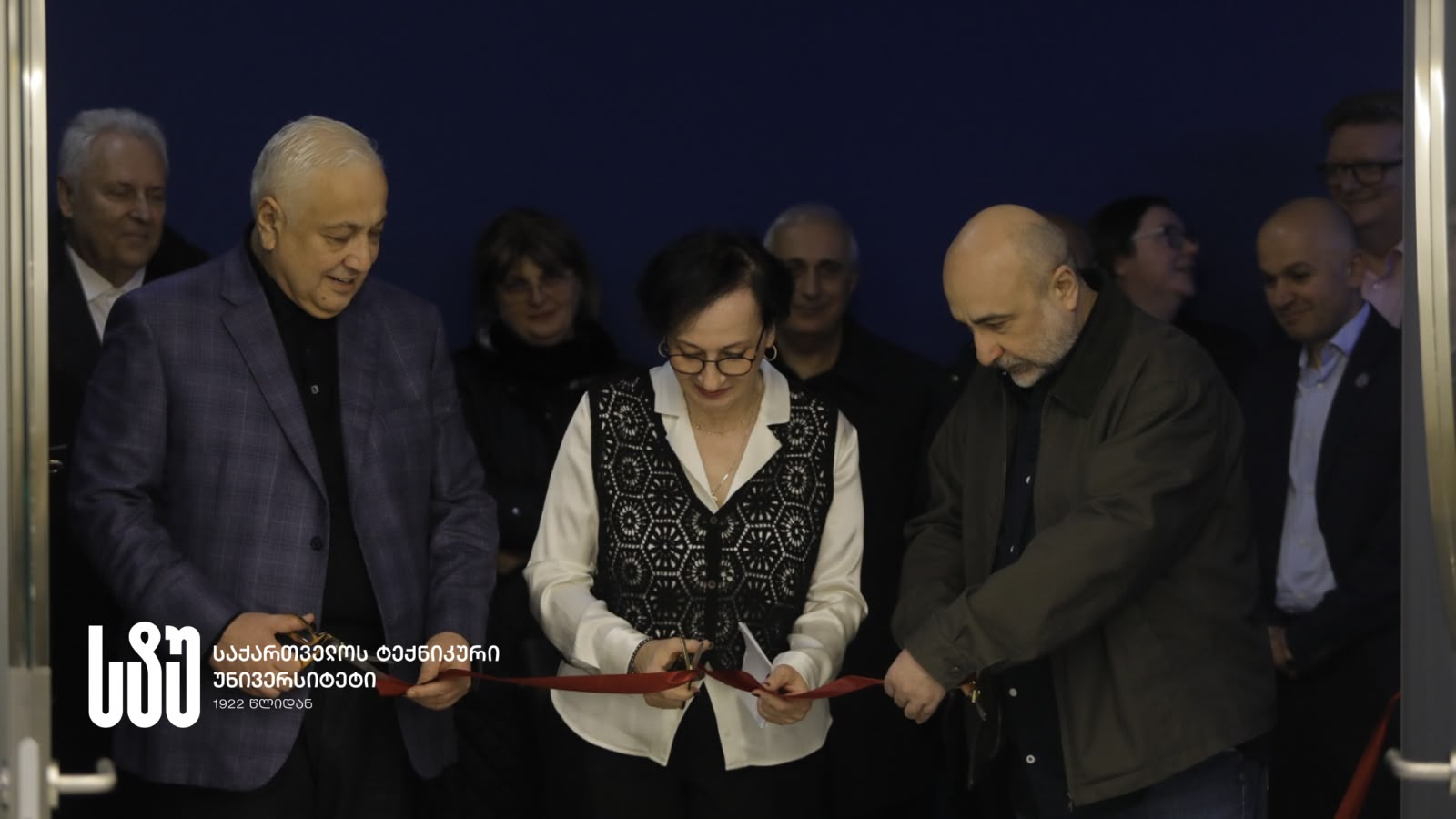
As part of a strategic partnership between the Georgian Technical University and the company “Autoban”, an innovative, state-of-the-art learning space has been opened at the Faculty of Transport Systems and Mechanical Engineering. This platform will enable students to connect their academic knowledge with the real-world challenges of the modern automotive industry.
This new space will serve as a professional hub for future engineers. Equipped with state-of-the-art technology and educational resources, the environment will enable students to connect with industry leaders during their studies. The facility will regularly host practical seminars, thematic lectures, and masterclasses led by top specialists – all designed to help young people develop into competitive professionals in the labor market.
“The quality of modern higher education depends heavily on integrating academic knowledge with real-world industry experience. Consequently, deepening partnerships with the private sector serves as a cornerstone of the university’s long-term development strategy. Collaboration between the university and the business sector yields multifaceted benefits: it enables students to acquire practical skills during their studies, gain exposure to modern technologies and production processes, accumulate professional experience, and enhance their employment prospects. In turn, companies help train highly qualified personnel, while the university aligns its educational and scientific potential with the needs of the real economy. This collaboration extends beyond the interests of the educational institution and the business sector alone; it establishes a vital foundation for the country’s technological advancement, the implementation of innovations, the strengthening of human capital, and the enhancement of economic competitiveness.
Georgian Technical University maintains long-standing, multifaceted collaborations with leading private-sector representatives. Notable partnerships include “Tegeta Holding”, “Baumer”, “Lion Trans”, “Georgian State Electrosystem”, “Energo-Pro Georgia”, “Telasi”, “Georgian Water and Power”, “SOCAR Georgia Gas”, and “RMG”, among others. We place particular importance on the modern training and practical centers and laboratories established within the university with the support of the private sector. In this regard, the “Baumer” educational and demonstration space, the electric vehicle research and training laboratory established with the support of “Lion Trans”, and the modern training center developed by “Tegeta Holding” are especially noteworthy. Another significant extension of this collaboration is the innovative learning space created with support from “Autoban”. I am confident that such projects will continue to expand, and that, with the involvement of our partners, even more modern educational and research opportunities will be created at the university. Our shared goal is to prepare professionals who will not only meet the demands of the labor market but also actively contribute to the country’s economic and technological development.”
– Academician David Gurgenidze
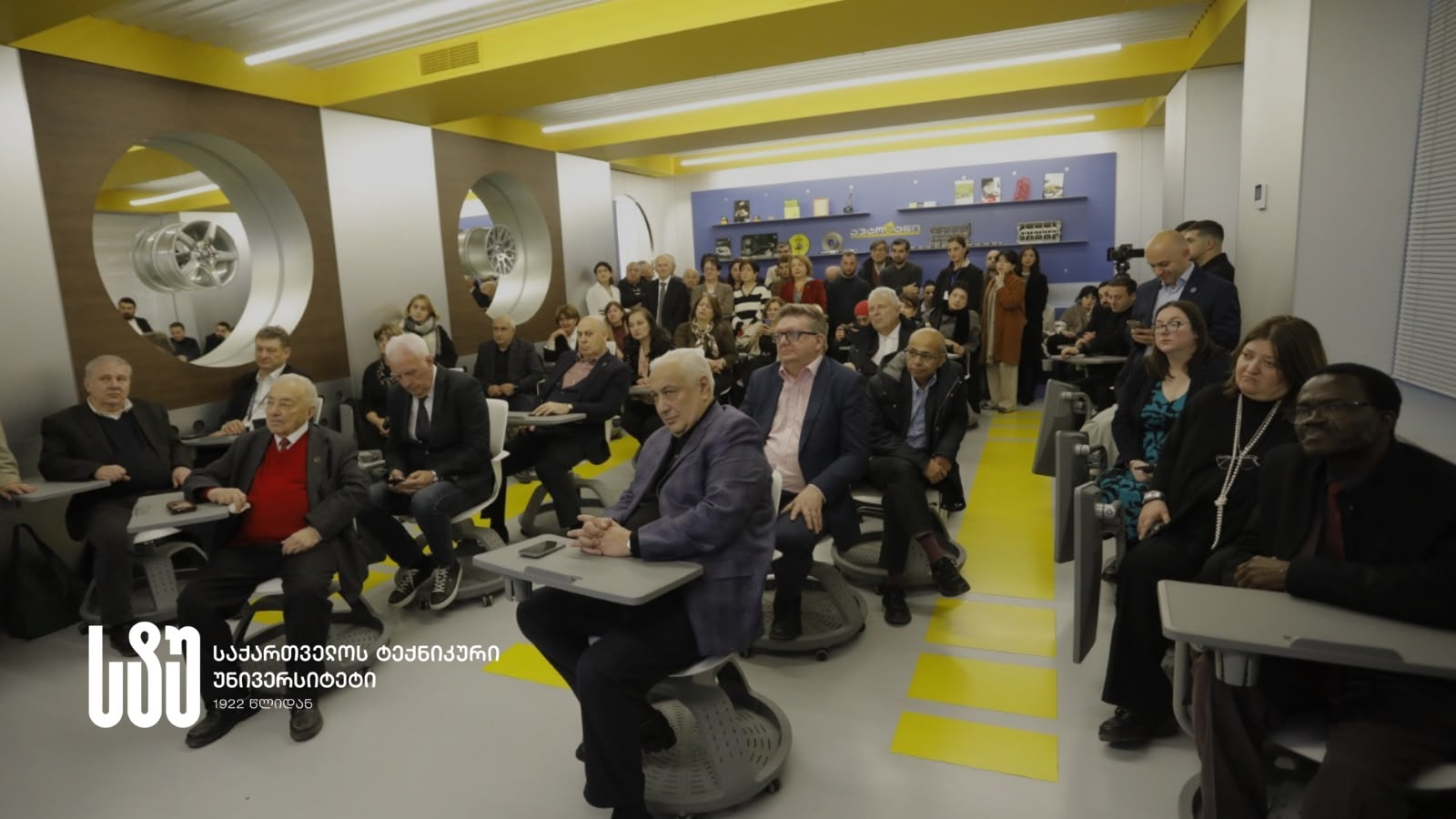
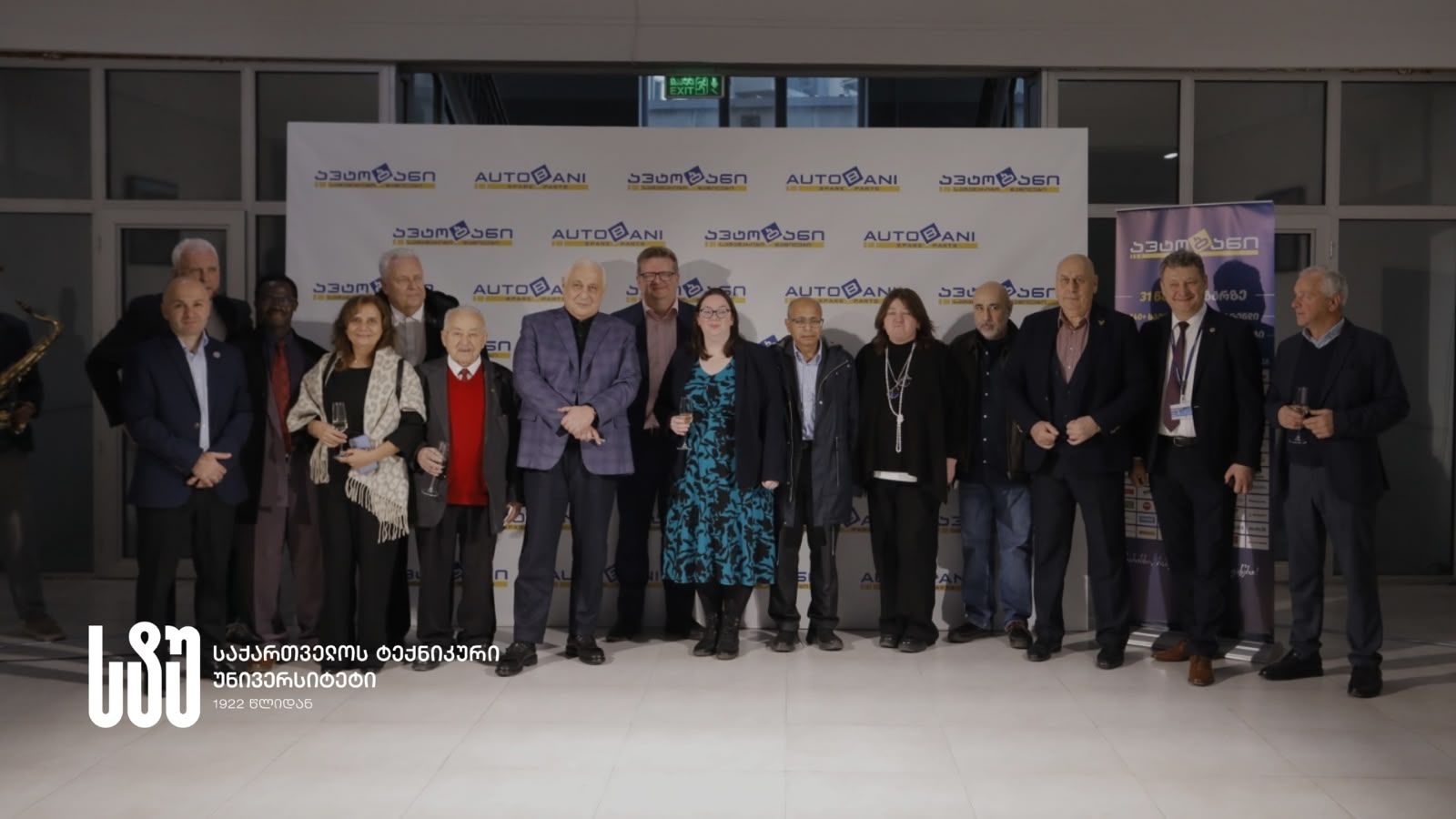
Alongside the Rector of the Georgian Technical University, the following individuals addressed the audience at the launch event for the new educational platform and spoke about the project’s significance: Bakur Khundadze and Nino Gogoladze, founders of the company “Autoban”; Boris Gitolendia, Dean of the Faculty of Transport Systems and Mechanical Engineering; distinguished professors and faculty members of the GTU; researchers from European universities participating in the 10th International Scientific Conference on Transport; Dr. Colin Rigby, Director of Entrepreneurship at the Business School of Keele University (United Kingdom); Professor Aleksander Sładkowski of the Silesian University of Technology (Poland); Shalva Obgaidze, a member of the Tbilisi City Assembly (Sakrebulo) and an active race car driver; as well as the project’s architect, Tornike Dadiani.
Related
News
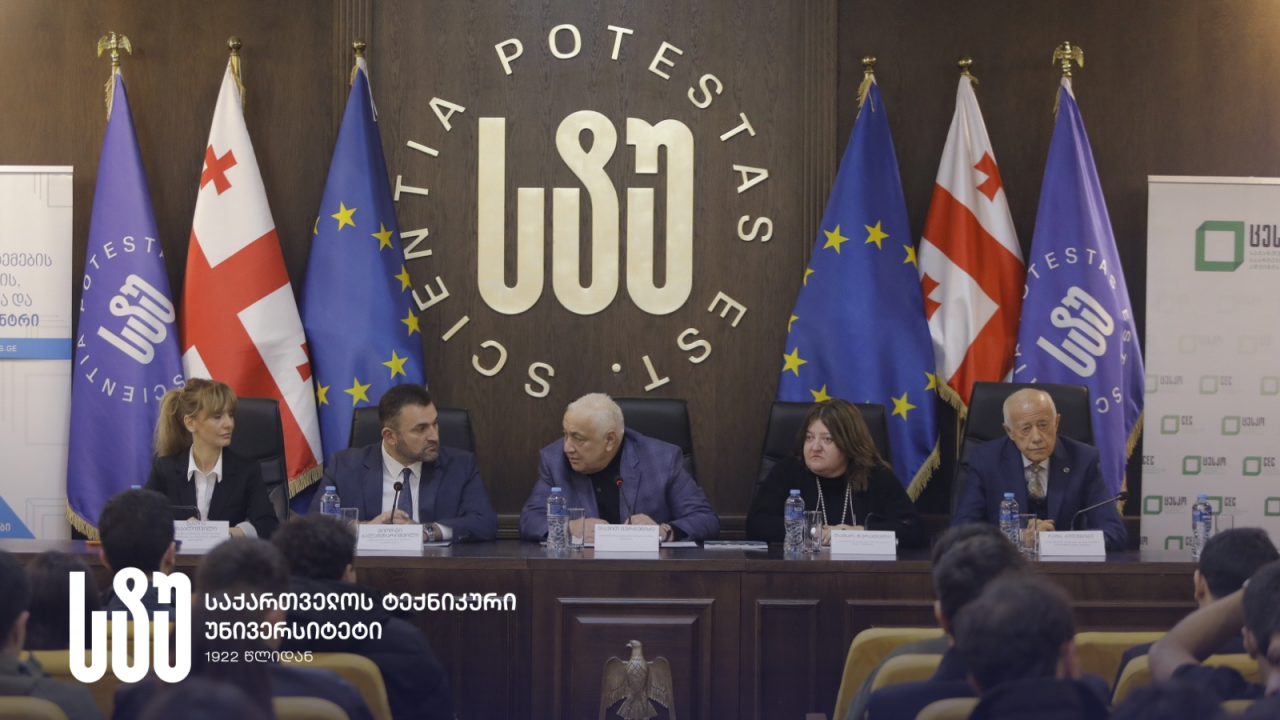
Project to Promote Civic Engagement Among Students from Ethnic Minorities at GTU
An information project titled “Inclusive Electoral Environment and Promoting Youth Engagement in Open Governance Processes has been launched at the...
News
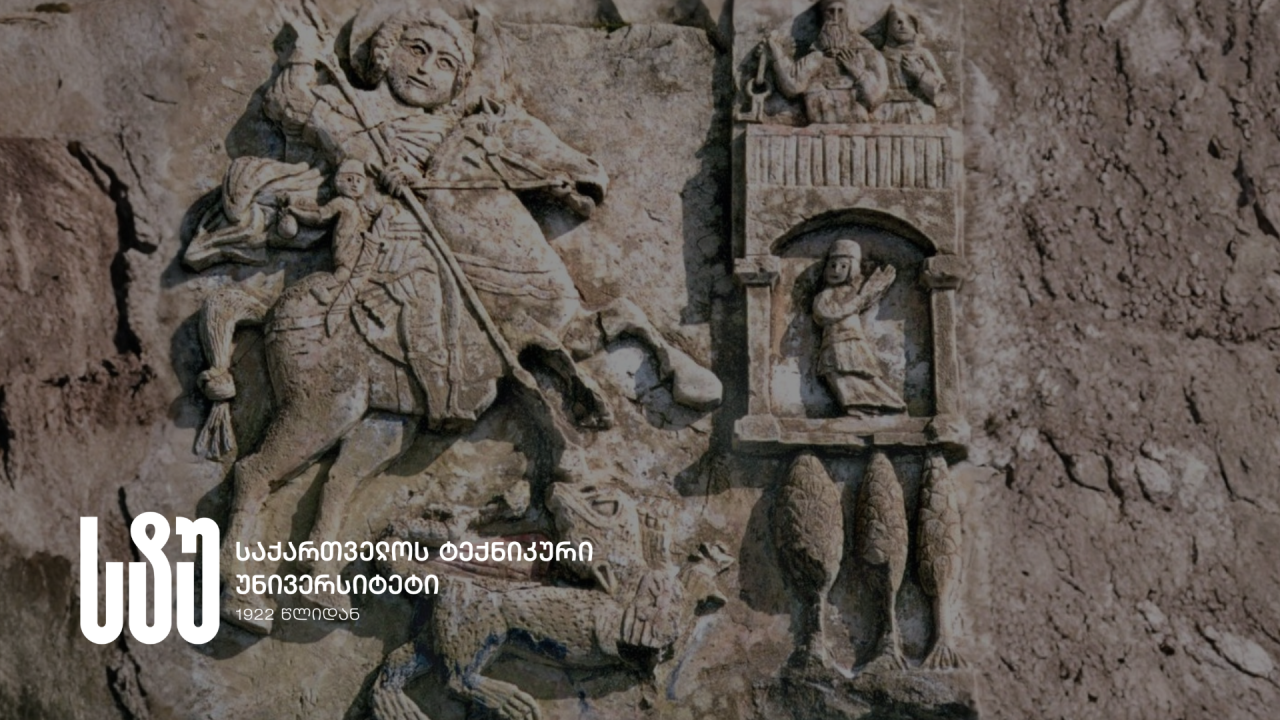
GTU Rector: The Commemoration Day of the Holy Great Martyr George Is a Symbol of Faith, Spiritual Fortitude, Self-Sacrifice, and the Eternal Victory of Goodness
Academician David Gurgenidze, Rector of the Georgian Technical University, extends his congratulations on the feast day of St. George (Giorgoba)...

News
Rector of GTU: “We express our deepest sorrow over the horrific tragedy that has claimed the lives of six people”
Academician David Gurgenidze, Rector of the Georgian Technical University and Chairman of the Standing Conference of Rectors of Georgian Higher...
News
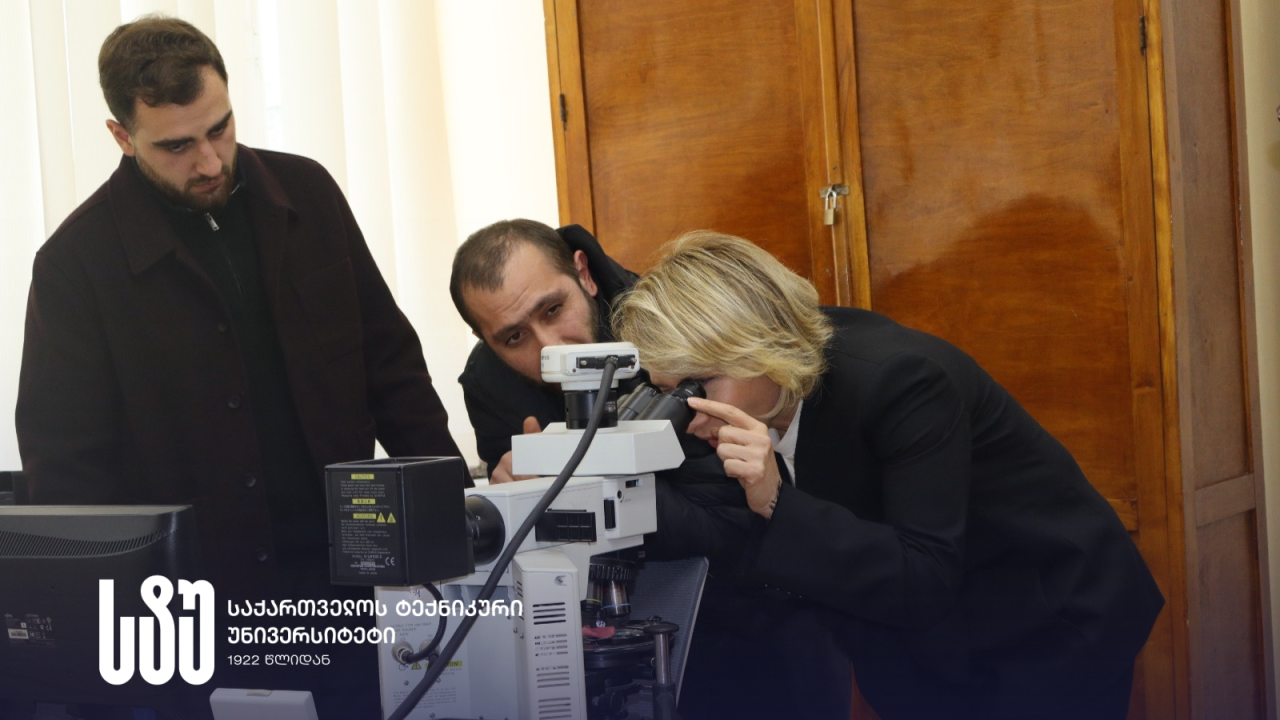
Nino Tsilosani Visits the Faculty of Mining Geology and Sustainable Mountain Development
Nino Tsilosani, Deputy Speaker of the Parliament of Georgia and Member of Parliament, visited the Georgian Technical University to learn...
News
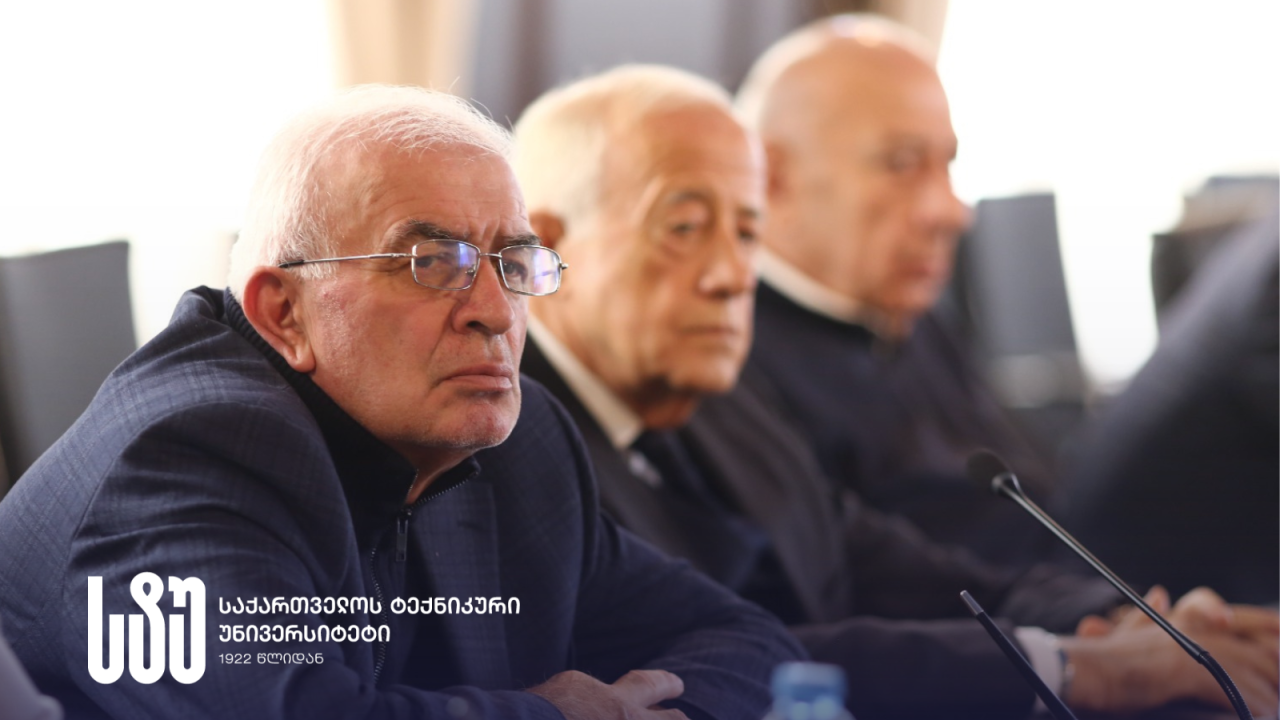
A presentation on the activities of the organization “Society Iveria” was held at the GTU; the university and the organization are to sign a memorandum
The Georgian Technical University views its mission as a vital institution – one that not only facilitates higher education and...
News
Irakli Gugushvili, a student from the Faculty of Transport Systems and Mechanical Engineering, was elected as the acting president of the Student Self-Government.
“A modern university serves as an environment for learning, personal development, critical thinking, civic responsibility, and the cultivation of leadership...