Project to Promote Civic Engagement Among Students from Ethnic Minorities at GTU
An information project titled “Inclusive Electoral Environment and Promoting Youth Engagement in Open Governance Processes has been launched at the Georgian Technical University. The initiative aims to raise electoral awareness among young people from ethnic minority backgrounds, deepen their understanding of democratic processes, and encourage active participation in socio-political life.
The program is designed for students enrolled in the “Georgian Language Preparatory Educational Program” (the “1+4” program) at the Georgian Technical University – students who are citizens of Georgia and belong to ethnic minority groups.
This information project is being implemented through a partnership between the Central Election Commission of Georgia, the Center for Electoral Systems Development, Reforms and Training (a Legal Entity of Public Law), and the Georgian Technical University. The project aims to foster an inclusive electoral environment, encourage the participation of young people from ethnic minority groups in electoral processes, and support their civic integration.
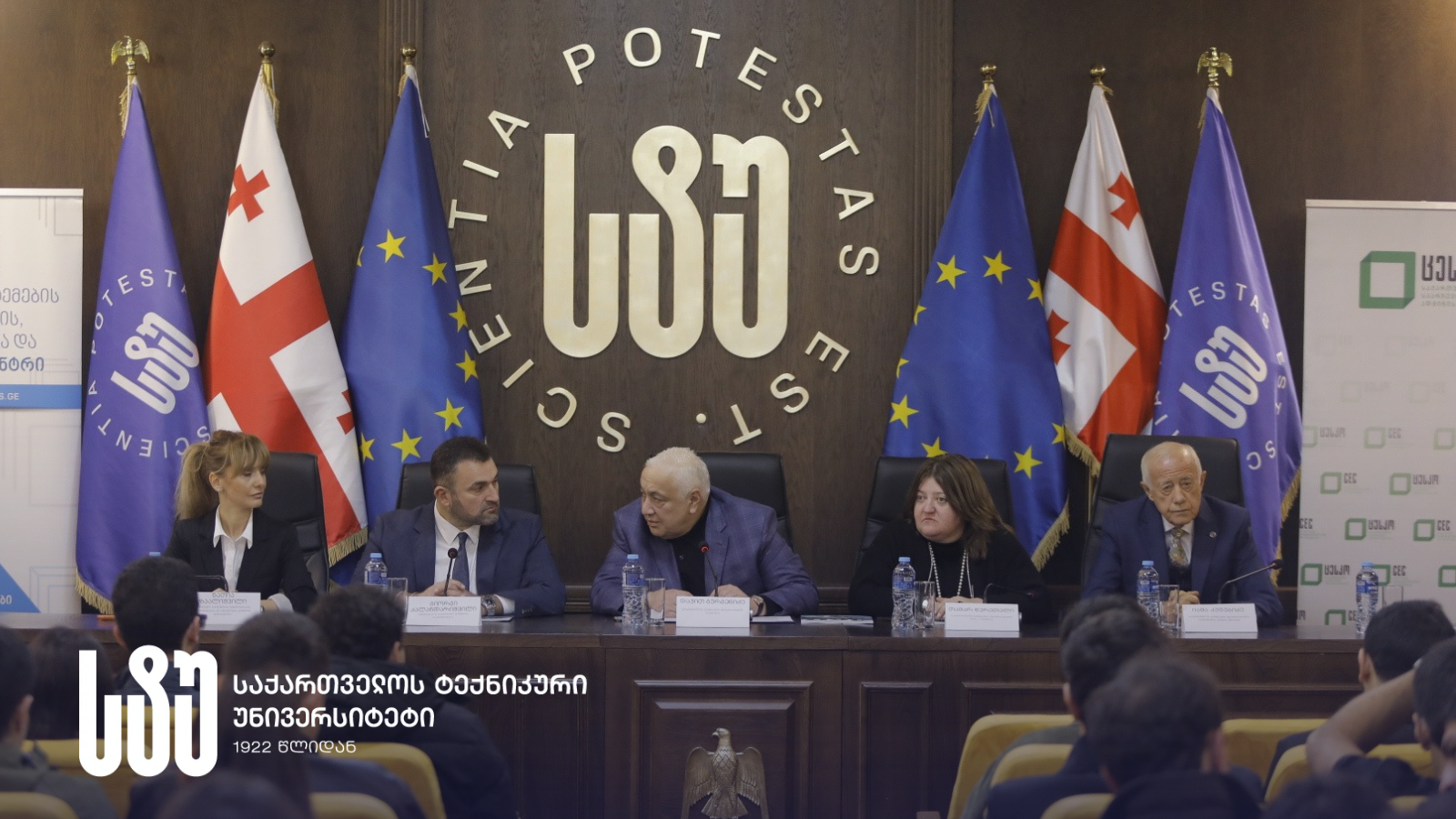
The project launch event was attended by deans of faculties, administrative representatives, and students of the Georgian Technical University; Giorgi Kalandarishvili, Chairperson of the Central Election Commission of Georgia; Natia Zaalishvili, Director of the Centre for Electoral Systems Development, Reforms and Training; Giorgi Santuriani, Head of the CEC’s working group on ethnic minority issues; and Keti Karenashvili, Secretary of the same group.
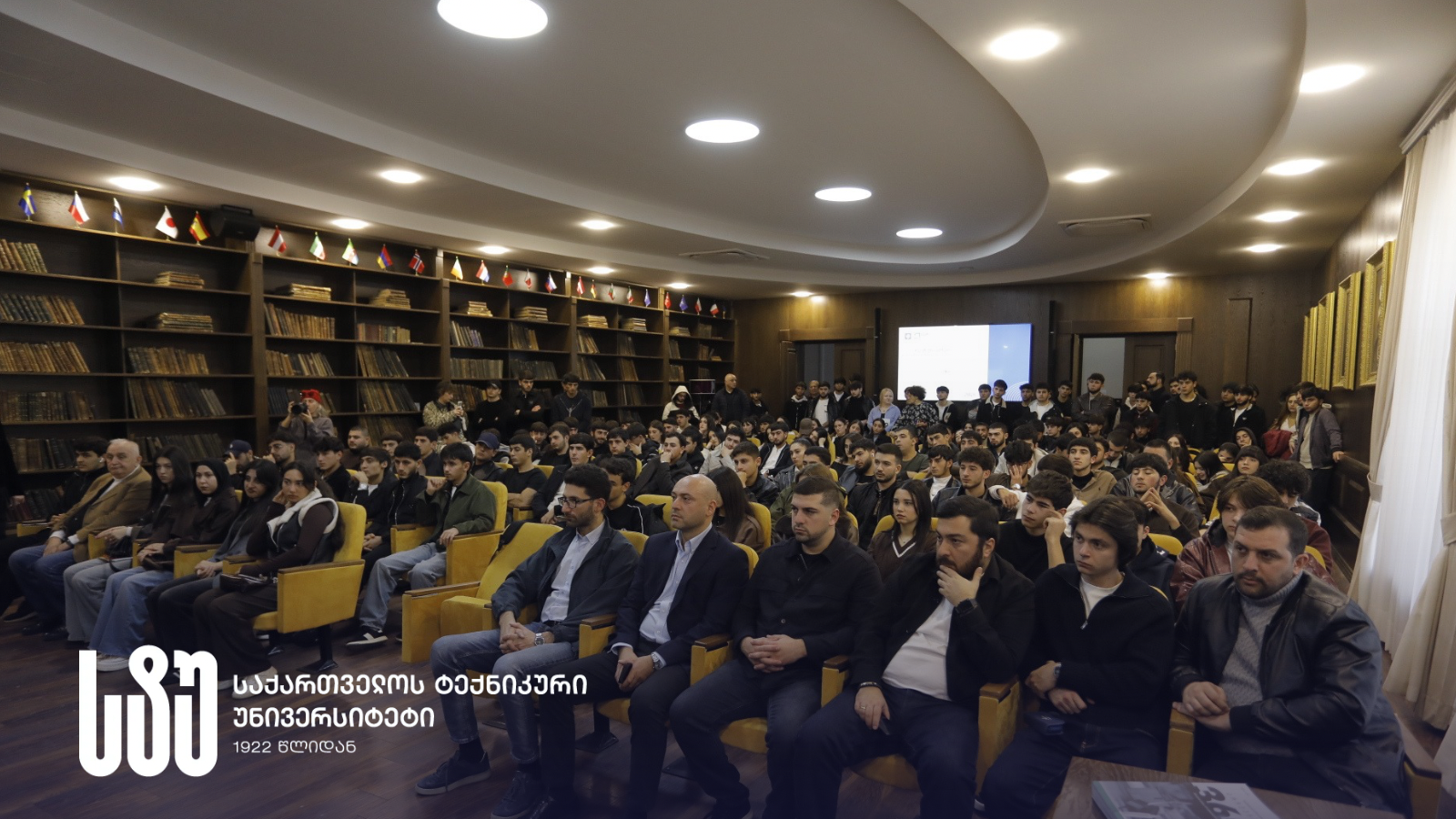
The event was opened by the Rector of the Georgian Technical University, Academician David Gurgenidze.
In his welcoming remarks, the Rector emphasized the importance of cooperation among the education system, higher education institutions, and state institutions to strengthen democratic values, raise young people’s civic awareness, and foster their engagement in societal processes.
According to Academician David Gurgenidze, implementing such initiatives at the university entails more than expanding educational activities. It also relates to a key societal function of higher education: fostering the development of informed, responsible, and active citizens. In this regard, it is particularly important to create an educational space for students from ethnic minority backgrounds – a space where they can learn the principles of democratic governance, how the electoral system works, and the legal and practical mechanisms for civic participation.
According to David Gurgenidze, it is of particular importance to the university to support every student, foster the development of their capabilities, and create an academic environment where all young people – regardless of their ethnic background – feel equal, secure, and like full-fledged members of the university community.
“Dear students, I would like to welcome you with special warmth and tell you that the Georgian Technical University is your “alma mater.” Here, your goals, culture, traditions, and experiences form an essential part of university life. We want you not only to receive a quality education but also to actively engage in the country’s public life, be well-versed in your civic rights and opportunities, and remain fully confident that your contribution to Georgia’s development is just as significant as that of any other citizen. I am certain that, alongside education and science, we are united by a love for Georgia, mutual respect, and other shared values – all of which provide a powerful impetus for us to work together to build a stronger, more equal, and democratic society.”
– Academician David Gurgenidze
Within the framework of the project, students will become familiar with the specific features of Georgia’s electoral system, the operations of the election administration, citizens’ electoral rights, and the mechanisms available for participating in public life and decision-making processes. This initiative is particularly important for students in the “1+4” program; for them, understanding Georgia’s social and institutional environment is as important as mastering the state language during their university education.
Related
News
Innovative Learning Space at GTU – Students will acquire knowledge at the premises of the company “Autoban”
As part of a strategic partnership between the Georgian Technical University and the company “Autoban”, an innovative, state-of-the-art learning space...

News
GTU Rector: The Commemoration Day of the Holy Great Martyr George Is a Symbol of Faith, Spiritual Fortitude, Self-Sacrifice, and the Eternal Victory of Goodness
Academician David Gurgenidze, Rector of the Georgian Technical University, extends his congratulations on the feast day of St. George (Giorgoba)...
News
Rector of GTU: “We express our deepest sorrow over the horrific tragedy that has claimed the lives of six people”
Academician David Gurgenidze, Rector of the Georgian Technical University and Chairman of the Standing Conference of Rectors of Georgian Higher...
News
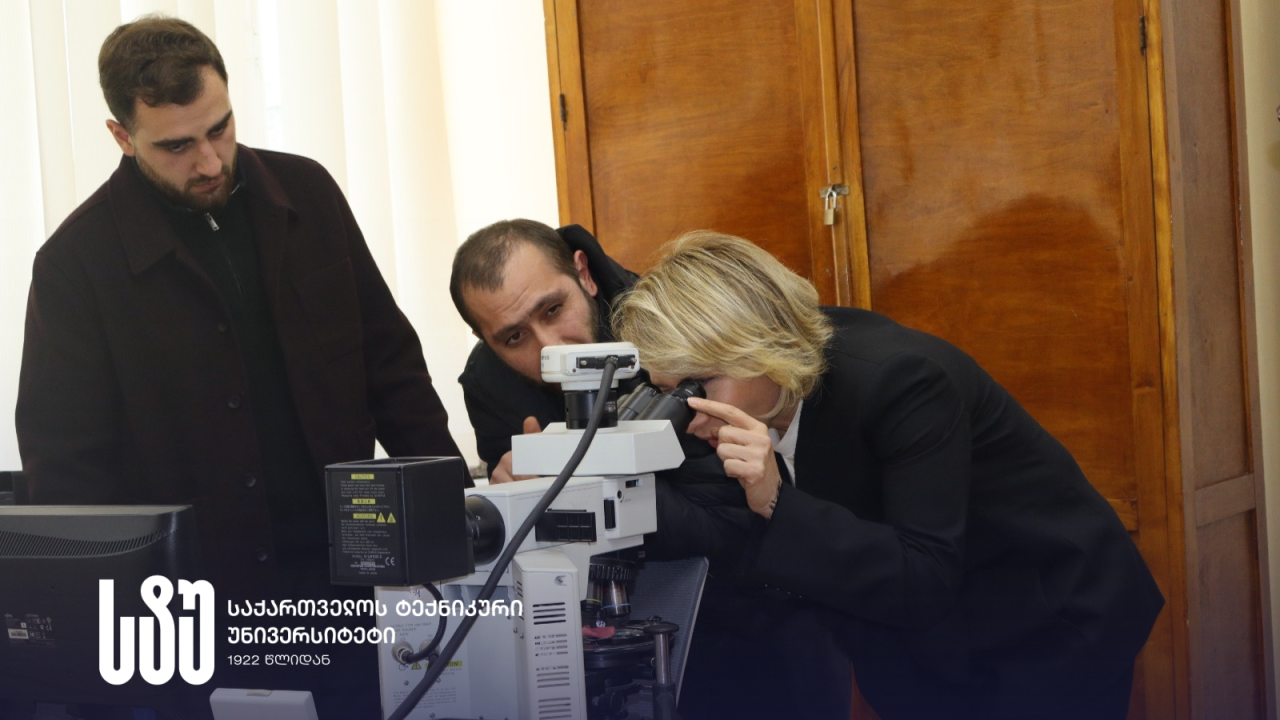
Nino Tsilosani Visits the Faculty of Mining Geology and Sustainable Mountain Development
Nino Tsilosani, Deputy Speaker of the Parliament of Georgia and Member of Parliament, visited the Georgian Technical University to learn...
News
A presentation on the activities of the organization “Society Iveria” was held at the GTU; the university and the organization are to sign a memorandum
The Georgian Technical University views its mission as a vital institution – one that not only facilitates higher education and...
News
Irakli Gugushvili, a student from the Faculty of Transport Systems and Mechanical Engineering, was elected as the acting president of the Student Self-Government.
“A modern university serves as an environment for learning, personal development, critical thinking, civic responsibility, and the cultivation of leadership...