First Georgian Drone Prototype Developed at GTU
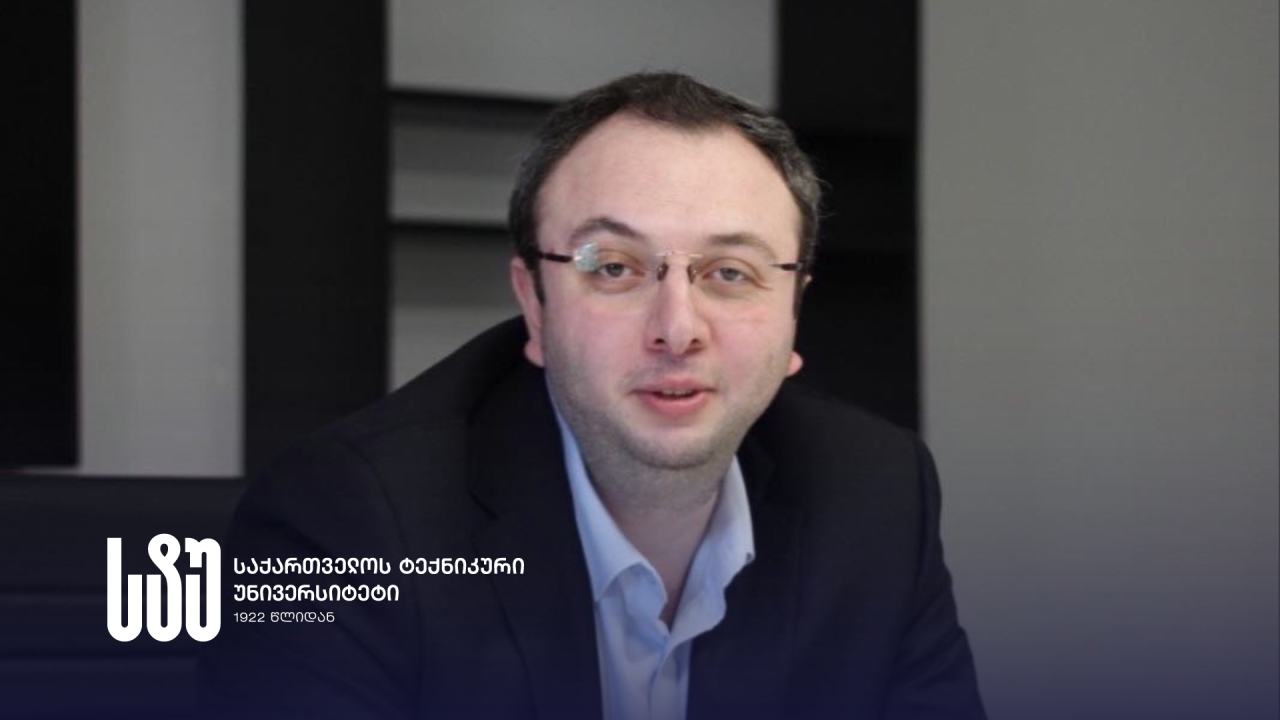
“The creation of the first Georgian unmanned aerial vehicle prototype, carried out within the framework of cooperation between the Georgian Technical University and the company “Heliguard”, is an event of particular importance for the country’s innovative and engineering development. This is a clear example of how a strategically important innovative product can be created through the effective collaboration of a leading engineering university and the private sector. For us, as a leading engineering and technological university, it is especially important that students, young scientists, and researchers are actively involved in this process. Such projects provide them with a unique opportunity to work with modern technologies, gain practical experience, and become part of the new technological ecosystem that is being formed in Georgia.
I wish every success to all participants of the project,” said GTU Rector, Academician David Gurgenidze, during the field and laboratory testing of the unmanned aerial vehicle.
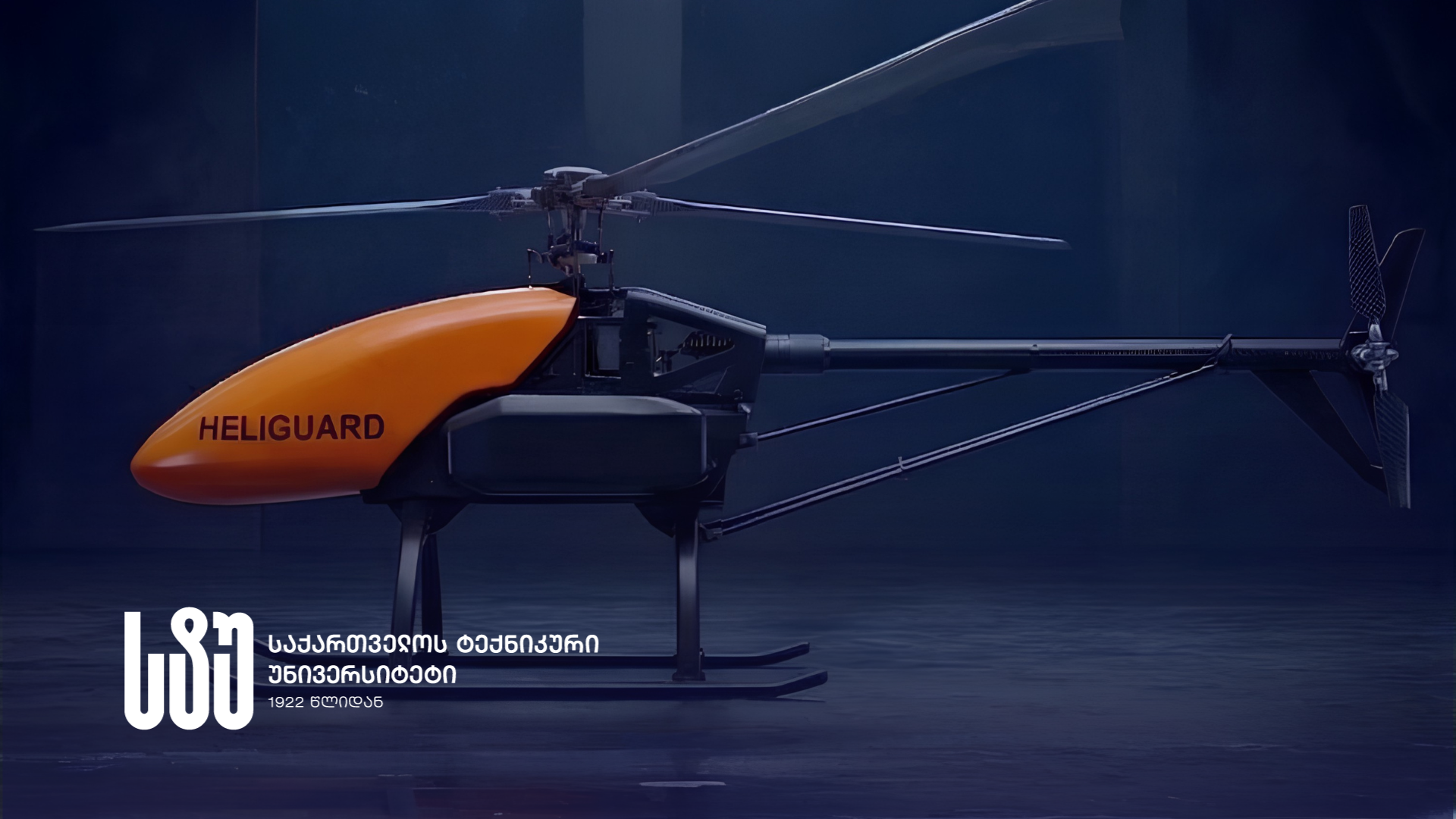
Notably, the prototype of the first Georgian unmanned aerial vehicle (drone) was developed within the framework of the memorandum signed between the university and the company “Heliguard.” As a result of the joint research and development (R&D) project, the device successfully passed a full cycle of field and laboratory testing.
According to the Dean of the Faculty of Transport Systems and Mechanical Engineering at GTU, the strategic goal of the project is to develop the unmanned aerial vehicle industry in Georgia. Associate Professor Boris Gitolendia noted that researchers from the Faculty of Transport Systems and Mechanical Engineering, as well as students from the Aviation and Mechanical Engineering programs, are actively involved in the project.
“The strategic goal of the project is to develop the unmanned aerial vehicle industry in Georgia and strengthen the country’s technological potential. The project is of particular importance from both scientific research and educational perspectives, as it is directly related to the development of innovative engineering fields at the university. Researchers from the Faculty of Transport Systems and Mechanical Engineering, together with students from the Aviation and Mechanical Engineering programs, are actively participating in the project, which allows them to engage in research and practical activities based on real engineering challenges. Projects like this contribute to the practical application of academic knowledge, the professional development of young specialists, and the creation of a modern technological ecosystem in our country.”
– Associate Professor Boris Gitolendia
Within the framework of the project, multidisciplinary research was conducted in the fields of aerodynamics, electrical and electronic engineering, software development, artificial intelligence, sensor systems, and cybersecurity. Special attention was paid to flight safety, control, and navigation accuracy, and compliance with international technical standards.
According to the GTU Rector, the project is expected to expand in the future through the involvement of multidisciplinary teams, including students and academic staff from the Faculties of Informatics and Control Systems, as well as Power Engineering. As Academician David Gurgenidze stated, this collaboration will further improve the device’s software capabilities and energy efficiency.
“The world is rapidly moving toward a high-tech economy, where innovation, science, and engineering thinking are the key factors determining a country’s competitiveness. The field of unmanned aerial vehicles is one of the fastest-growing sectors, with a significant impact on civil and industrial applications, security, agriculture, logistics, and emergency management. Accordingly, the development of such technology in Georgia is not only a scientific achievement but also an important step toward the country’s technological independence and industrial advancement. I would like to emphasize that the university’s mission is to create an environment where innovation is born, research is developed, and products are created that have a real impact on the country’s economy and technological progress. This project is a continuation of that vision and once again demonstrates that the Georgian Technical University possesses both the intellectual and scientific-technological resources necessary to participate in important international projects and create competitive technological products. The drone we tested is capable of carrying a payload of up to 10 kilograms. However, our ultimate goal is to develop an unmanned aerial vehicle capable of carrying 100 to 150 kilograms for rescue operations.”
– Academician David Gurgenidze
Technical Specifications of the HG-0800 Unmanned Aerial Vehicle: Flight duration: 90 minutes; Maximum weight: 30 kg (high payload capacity); Maximum speed: 150 km/h (cruising speed: 80–90 km/h); Range of action: up to 40 km; Body material: lightweight and durable carbon fiber; Safety system: autorotation system for safe landing in case of power failure.

Related
Scientific
UNI4VERSE FINEDU – Innovative Competition for Students Has Begun
For Students of Georgian Technical University At the initiative of the Georgia’s Innovation and Technology Agency (GITA), the university competition...
Scientific
Modern Scientific Center for Materials Research at GTU
“Creating a modern research infrastructure is one of the key priorities of the Georgian Technical University. The Materials Research Center...
Scientific
July 23 is the day of the first Georgian space object
27 years ago, on July 23, 1999, for the first time in the history of independent Georgia, the Georgian scientific...

News
GTU Doctoral Student Roman Tsertsvadze to Deliver a Lecture Course at a Leading Engineering University in France
Roman Tsertsvadze, a doctoral student at the Faculty of Informatics and Control Systems of the Georgian Technical University, will deliver...
News
New Renewable Energy Laboratory Opens at GTU
A Renewable Energy Training Laboratory has been opened at the Faculty of Power Engineering of the Georgian Technical University within...
Scientific
GTU Hosts Public Lecture by Dante Alighieri Society Secretary General Professor Alessandro Masi
Georgian Technical University hosted a public lecture by Professor Alessandro Masi, Secretary General of the Dante Alighieri Society, as part...