Two Critiques of Democracy: Plato and Friedrich Nietzsche” Levan Gigineishvili’s Public Lecture Held at GTU
The Office of Technology and Grant Projects organized a public lecture by philologist and Professor Levan Gigineishvili, “Two Critiques of Democracy: Plato and Friedrich Nietzsche” at the Georgian Technical University.
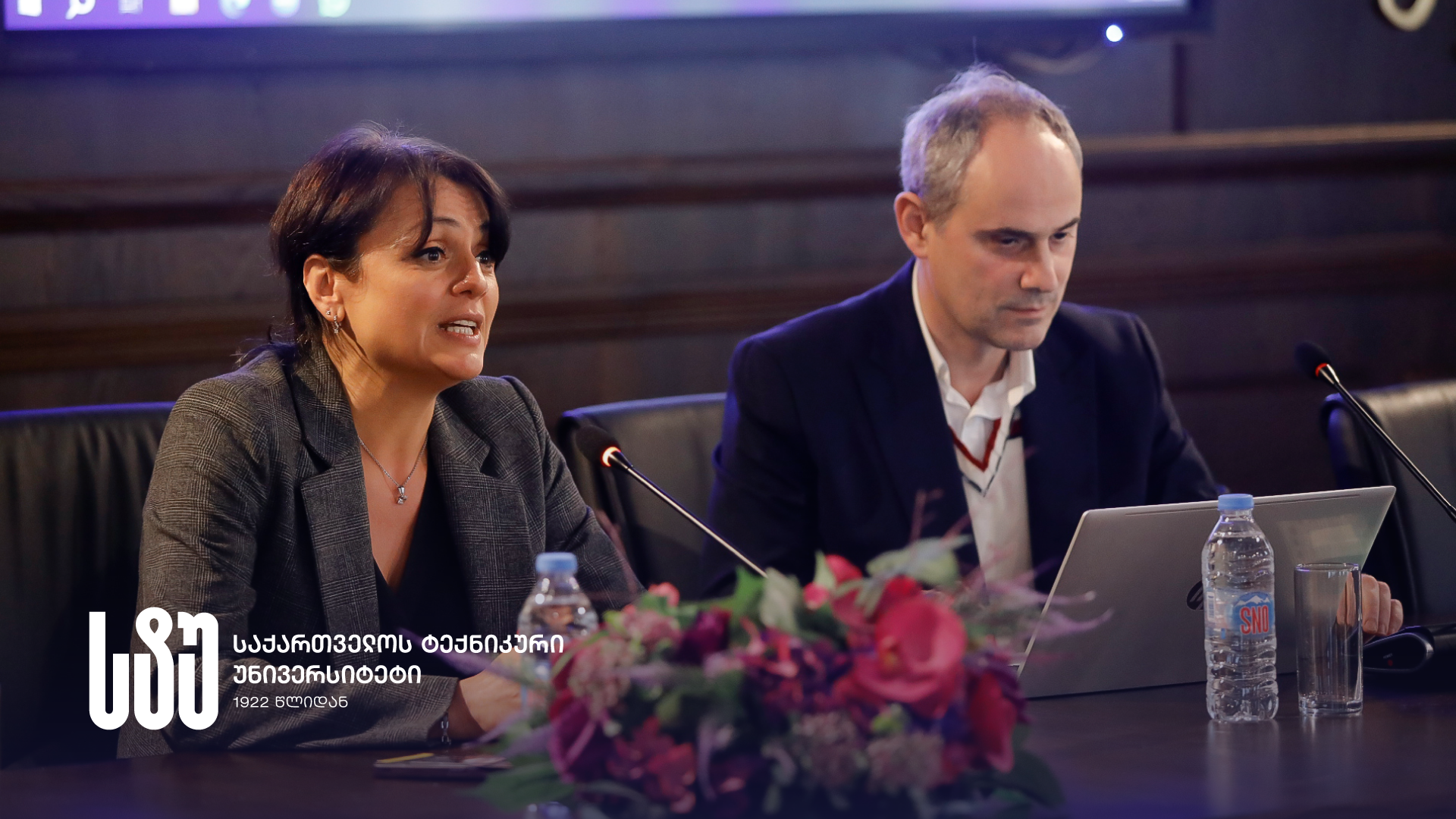
The Vice-Rector of the Georgian Technical University, Professor Tamar Lominadze opened the public lecture.
She thanked Levan Gigineishvili and the Office of GTU Technology and Grant Projects for organizing the public lecture.

“What is democracy and the essence of human nature corresponding to democratic governance, how is a democratic system established in a state, how do people live in it, and what “threats” this system carries in the state under democratic conditions, these are issues that are very interesting and important for human cognition at various stages of society development.”
A Greek philosopher of the classical period, he was a student of Socrates and teacher of Aristotle, author of the “Philosophical Dialogues”, and founder of the Academy of Athens. In his metaphysical dialogues and writings, he debated the best possible forms of government, discussing aristocracy, democracy, monarchy, and so on.
Its main theme is the conflict between nature and generally accepted views, the human mind and character, knowledge, and true faith. Nietzsche, on the other hand, entered the history of thought as a radical critic and nihilist of the era. With Nietzsche, humanity loses its support, and man is left without orientation. God is dead, and the values justified by the existence of God, which man has worshipped until now, lose their value, the highest values are devalued, and a terrifying nihilism takes hold. And saying “No” to everything that used to give meaning to the world and human life.
According to Nietzsche, the Superhuman means the development of a strong person and the basis for the creation of a high humanity. The dancing and joyful god Zarathustra is strong and merciless. Should a person doubt the existence of such a God, who opposes Christianity, because Nietzsche believes that Christian democracy, which is built on equality, destroys humanity. According to Nietzsche, the first problem that needs to be solved is creating a new theory of existence, a “Philosophy of life”. I think the different approaches and thoughts of two great philosophers and thinkers of other times, Plato and Nietzsche, will be interesting for our youth,” said Tamar Lominadze.
At the end of the public lecture, Professor Levan Gigineishvili answered the students’ questions.
Related
News
GTU Responds to Articles Published in the Newspaper “Asaval-Dasavali”
The Georgian Technical University addresses a series of articles published in issue 86/87 of the newspaper “Asaval-Dasavali” (dated November 9,...
News
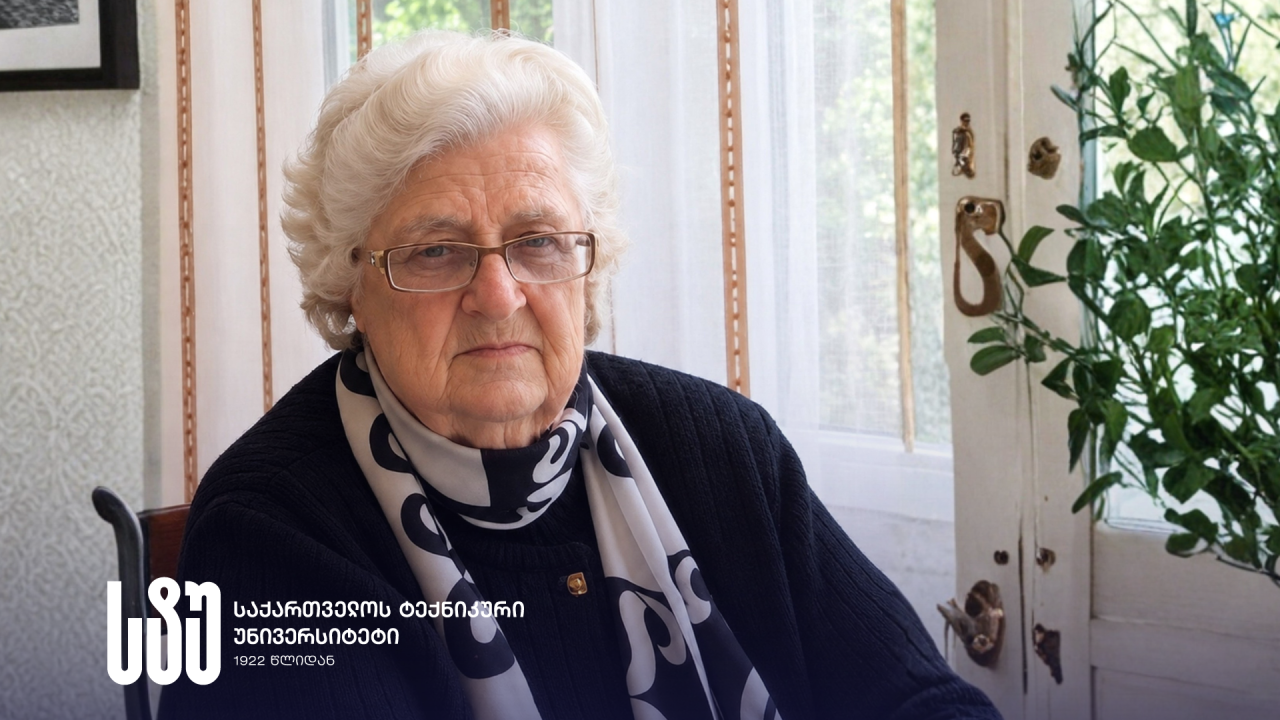
Rector of the GTU Expresses Condolences on the Passing of Professor Nino (Neli) Chichinadze
On behalf of the university community, the Rector of the Georgian Technical University, Academician David Gurgenidze, expresses his condolences to...
News
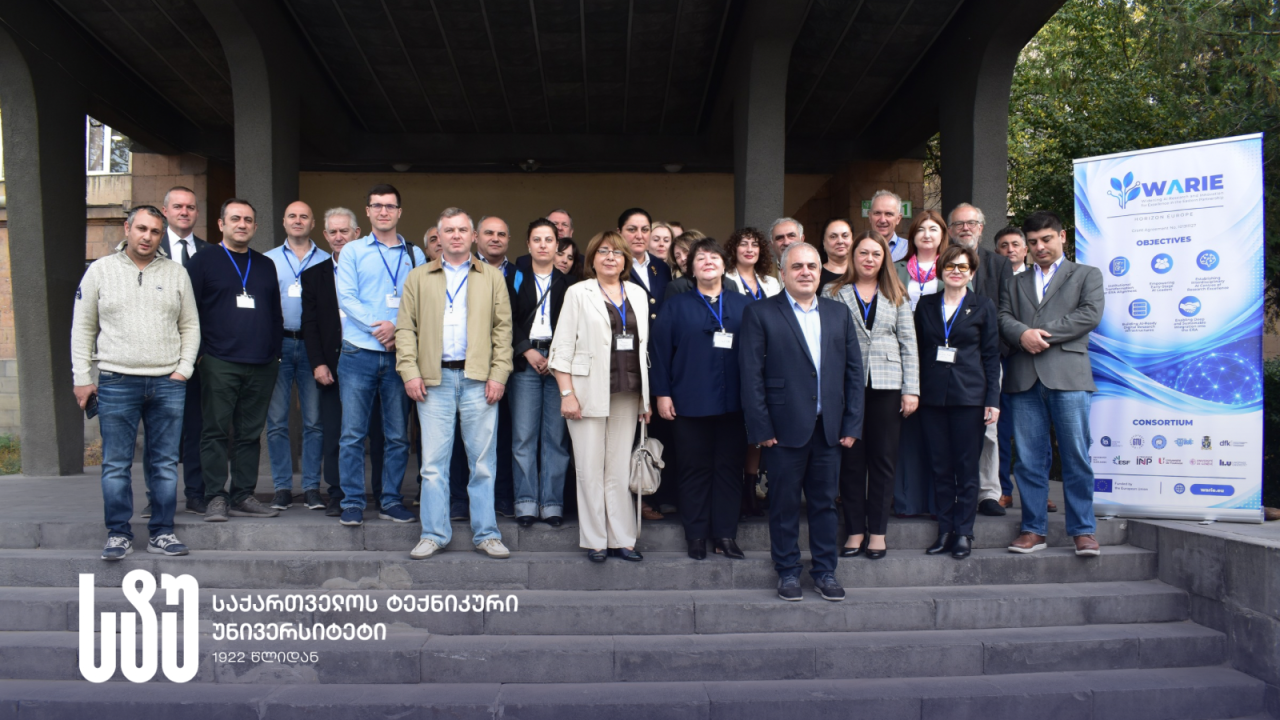
The Niko Muskhelishvili Institute of Computational Mathematics at the Georgian Technical University has won another international grant project under the “Horizon Europe” framework
“Participation in the WARIE project – funded through “Horizon Europe” – serves as further confirmation of our university’s scientific potential,...

News
Announcement of the Council of the Faculty of Law and International Relations on Calling the Election for the Position of Head of the Faculty Quality Assurance Office
In accordance with Article 25 of the Law of Georgia "On Higher Education"; Article 22 of the Charter of the...
News
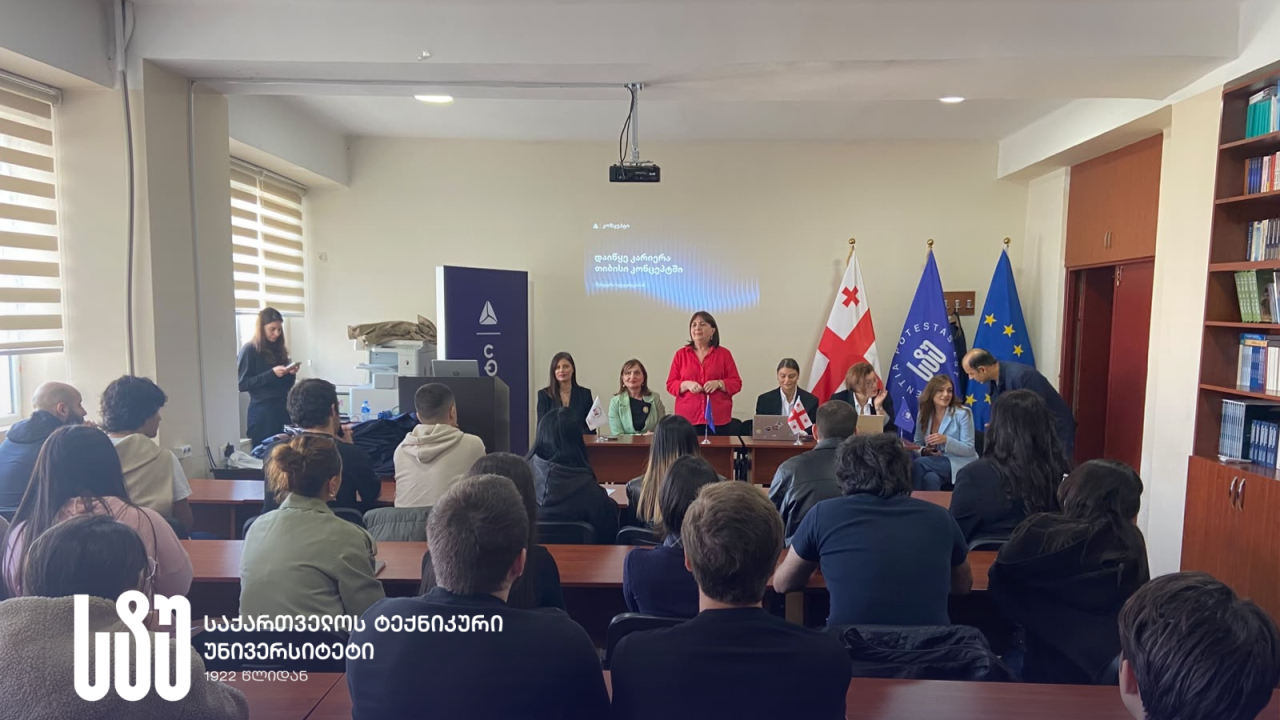
Students from the Faculty of Business Technologies at the GTU met with representatives from TBC Concept
Organized by the Career Development Service, the meeting between students from the GTU Faculty of Business Technologies and representatives of...
News
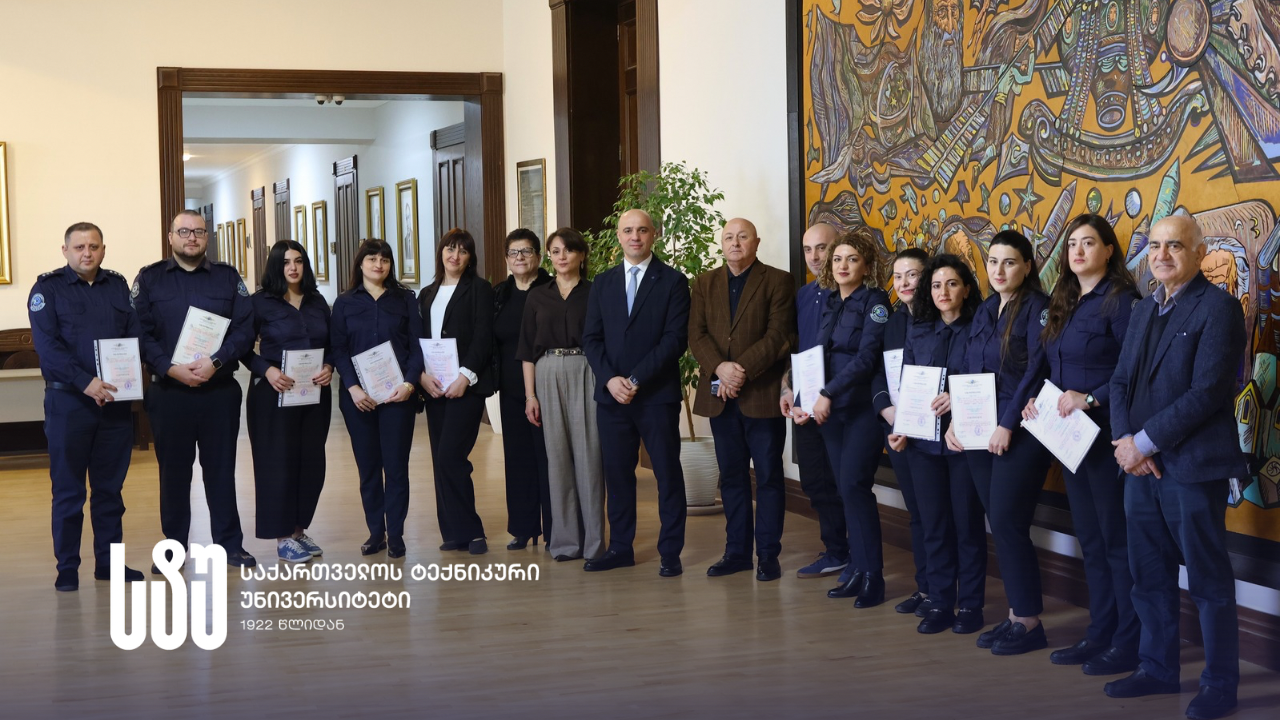
Certificates Awarded to 23 Customs Officers of the Revenue Service
The Georgian Technical University has awarded certificates to 23 customs officers from the Customs Department of the Revenue Service (under...