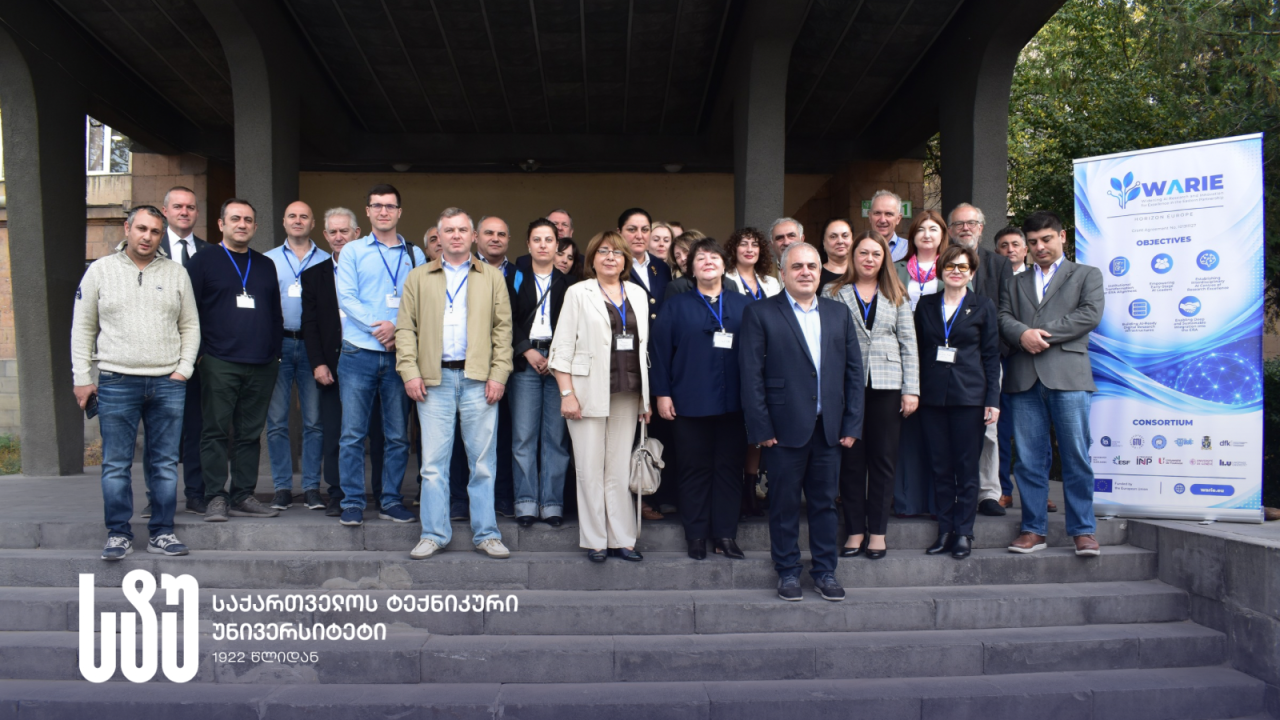
Concluding Conference for the ERASMUS+ Project “MICRO-GEAR” Opens at GTU
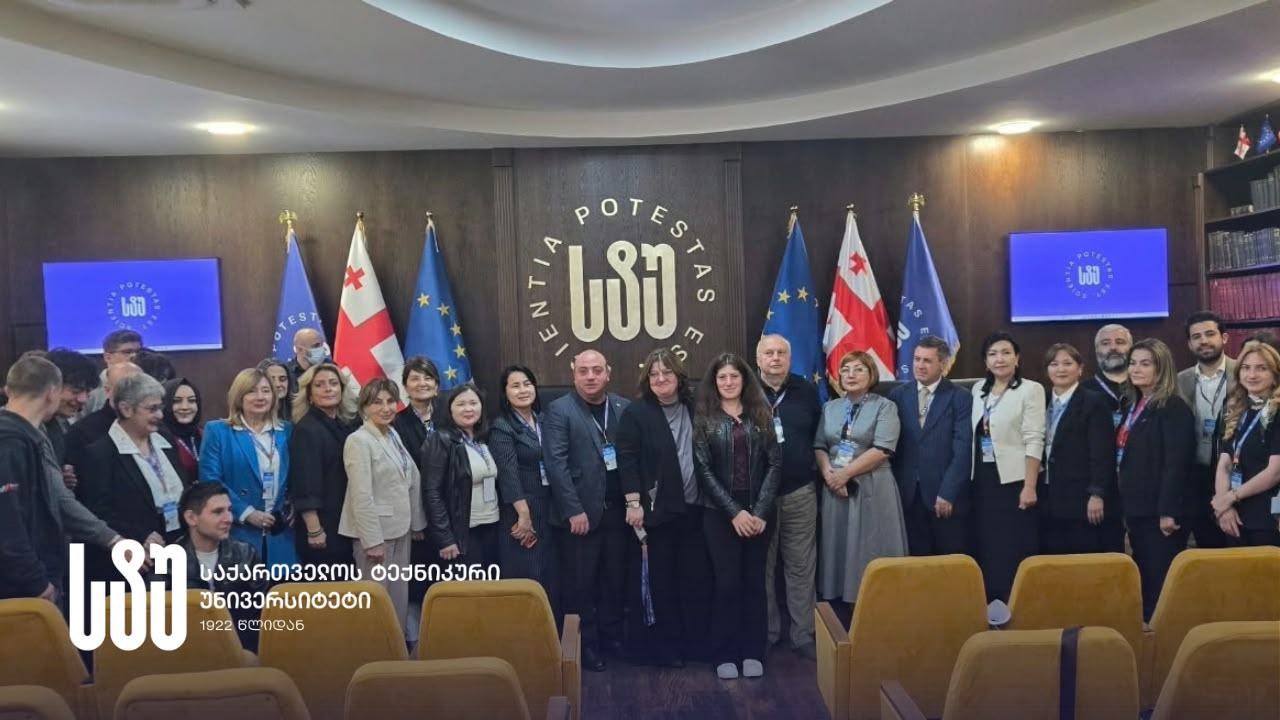
A concluding conference has opened at Georgian Technical University as part of the EU ERASMUS+ project, “Introducing Micro-certification in the Higher Education Systems of Georgia and Armenia: A Beacon for the South Caucasus” (Micro-GEAR). The three-year project, which began in January 2024, involves 16 institutions from 6 countries, with Georgian Technical University serving as the consortium’s lead organization and project coordinator. Project partners and beneficiaries include the Ministry of Education, Science and Youth of Georgia, the Ministry of Education and Science of Armenia, the national quality assurance centers of both countries, and various universities and scientific centers. European partners in the project include Saarland University (Germany), Carlos III University of Madrid (Spain), the European Universities of Aniello Merone of Rome (Italy), the association CIMEA (Information Center on Academic Mobility and Equivalence, Italy), and the consulting firm GIRAF PM e.K. (Germany).
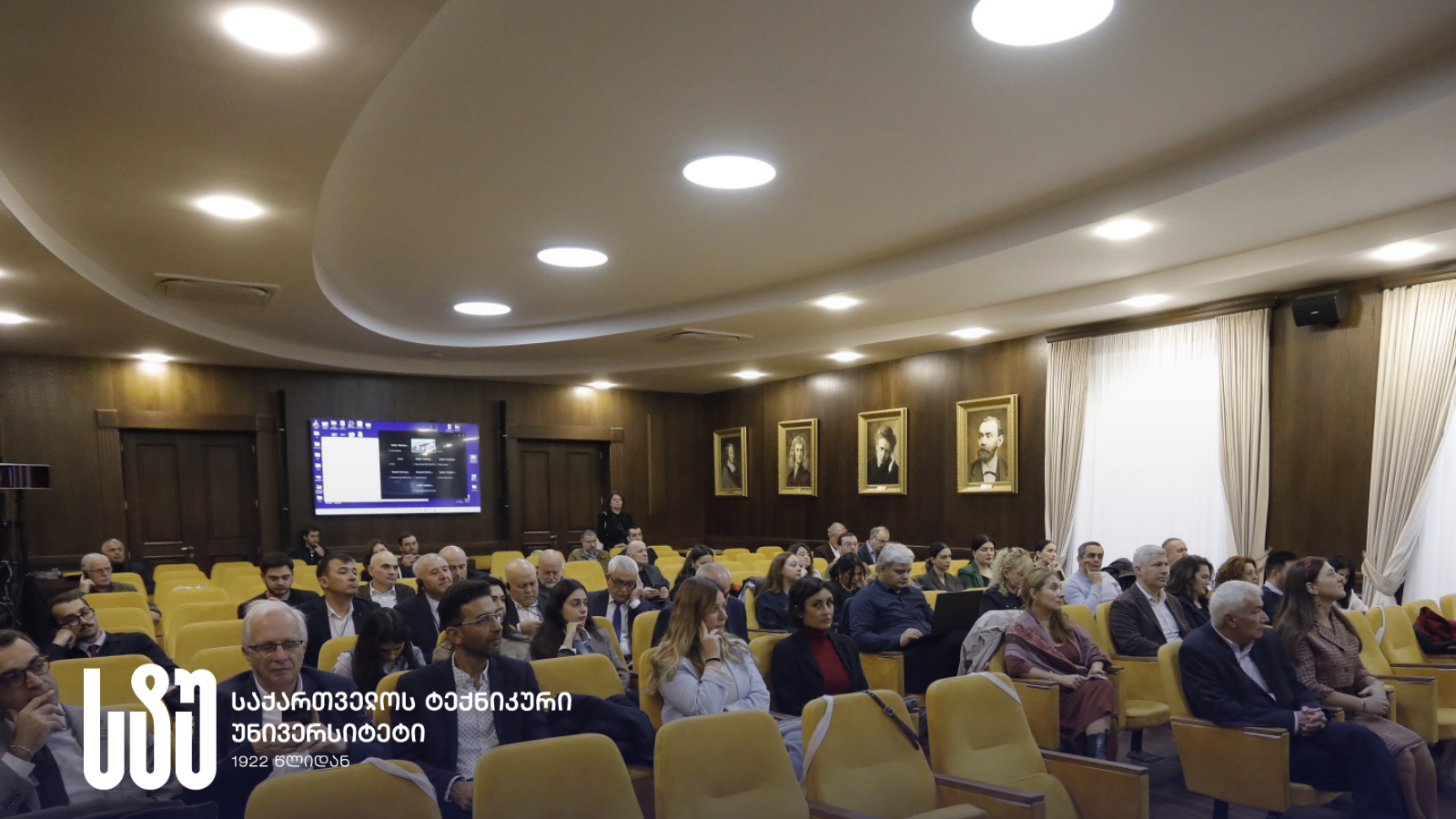
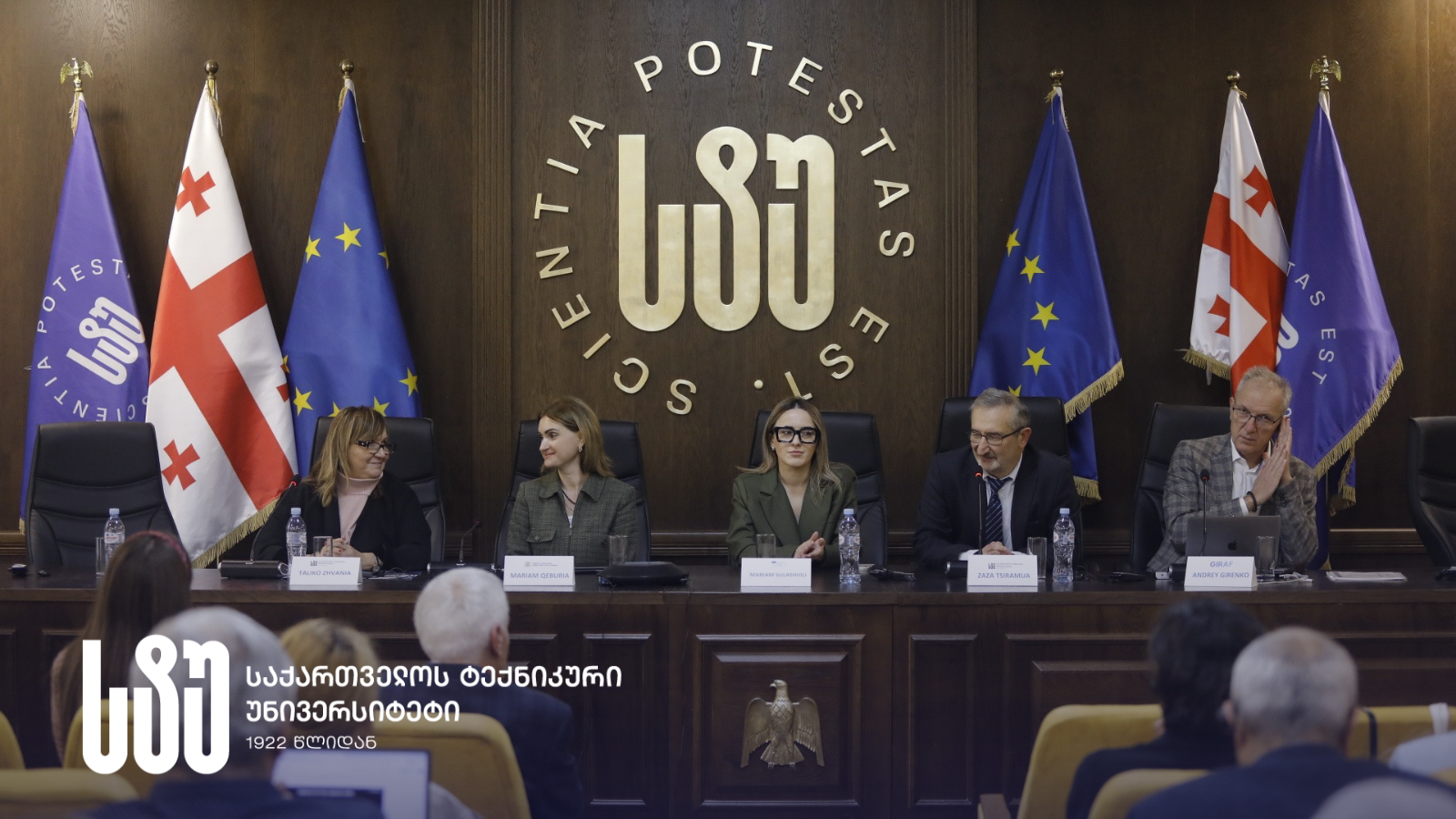
Professor Taliko Zhvania, Dean of the Faculty of Informatics and Control Systems at the Georgian Technical University, opened the conference. As the Dean noted, the Micro-GEAR project is an initiative of particular significance for modernizing higher education systems in Georgia and Armenia, aligning them with the European Higher Education Area, and implementing modern educational approaches. She highlighted that the Georgian Technical University plays a key role in the coordination and academic aspects of the project – a fact that further underscores the university’s capacity to lead large-scale international educational collaborations and to apply its expertise toward implementing reforms of regional importance.
“The introduction of micro-credentials is a significant trend in modern higher education. It addresses the rapidly changing demands of the labor market, supports lifelong learning, and enables individuals to update their knowledge, acquire new competencies, and enhance their professional qualifications throughout their lives. Notably, this project brings together educational institutions from Georgia and Armenia, alongside European partners. This collaboration facilitates the sharing of experience, the formulation of common approaches, and the establishment of European principles for the development of quality in higher education.”
– Professor Taliko Zhvania
One of the primary objectives of the Micro-GEAR project is to establish the institutional, methodological, and regulatory foundations necessary for introducing micro-credentials – a flexible, competency-oriented educational mechanism – into the higher education system. A micro-credential documents the knowledge, skills, and competencies acquired upon completing a specific course, module, or short-term educational program. Unlike traditional academic qualifications, micro-credentials focus on clearly defined learning outcomes within a narrower scope, enabling learners to choose areas of study that align with their personal educational and professional development needs.
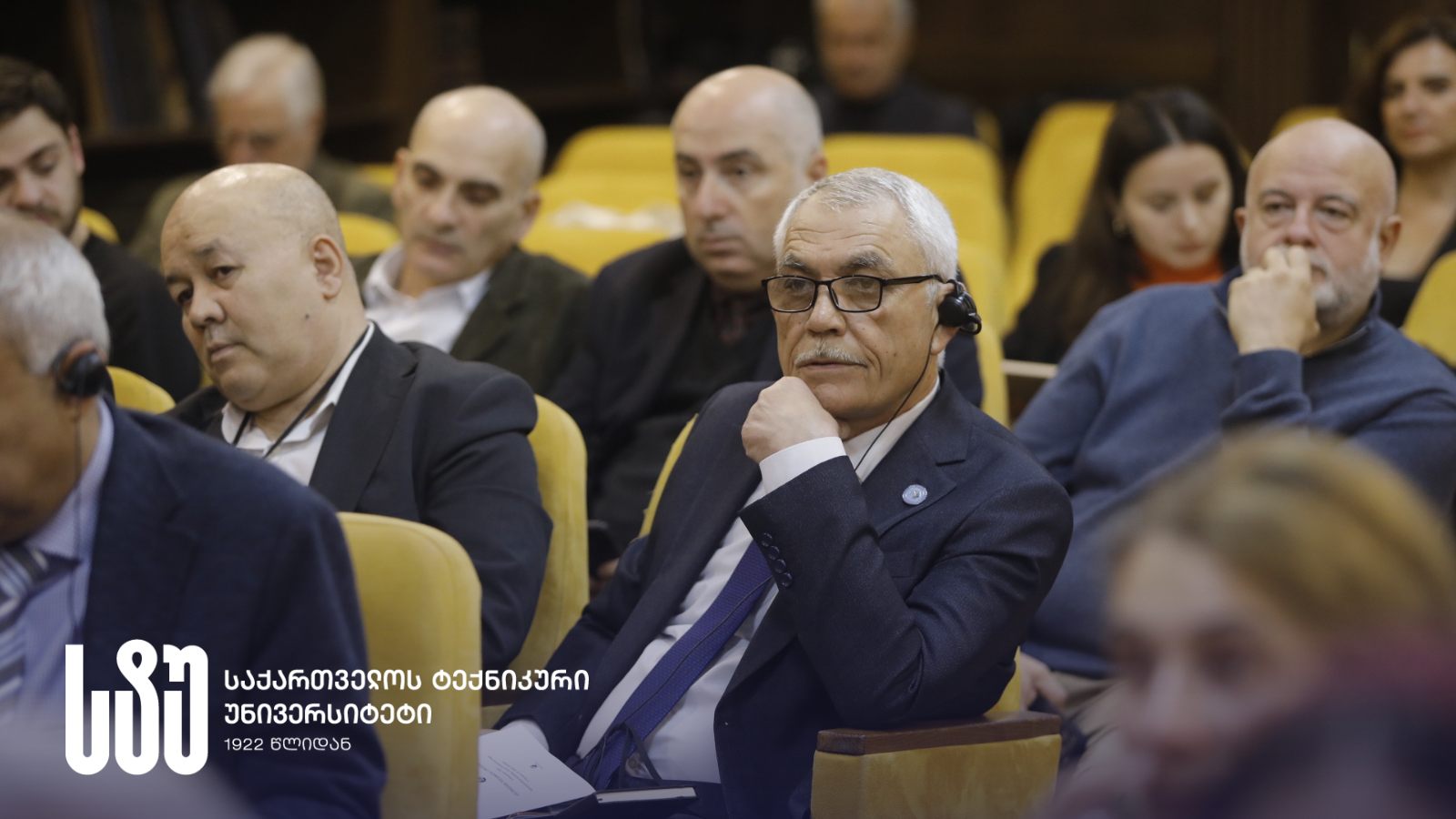
According to Professor Zaza Tsiramua, Head of the Computer Network Management Department at GTU and Coordinator of the Cisco Academy, the development of a micro-credentialing system is particularly relevant in the context of the modern labor market – where digital transformation, technological progress, and new professional requirements necessitate continuous learning and the constant updating of competencies. In this regard, micro-credentialing enables higher education institutions to create short-term training programs tailored to labor market demands, expand their educational offerings, and make learning more accessible to individuals across various age groups and professional backgrounds.
“The project is based on the Council of the European Union’s recommendations on using micro-credentials to promote lifelong learning and employment. Its implementation aims to update relevant components of the National Qualifications Frameworks of Georgia and Armenia, develop common principles for the quality assurance, recognition, and accumulation of micro-credentials, and establish mechanisms for their issuance and mutual recognition. These processes will enhance the flexibility of educational systems, increase the transparency of qualifications, and ensure that acquired competencies are better showcased – both nationally and internationally.
Throughout the three-year project, the team paid particular attention to the educational environment, legislative and institutional frameworks, quality assurance mechanisms in higher education, and the specific needs related to micro-credentialing within the partner countries. The project partners also worked to establish common approaches for introducing micro-credentials, develop the necessary methodological foundations, and strengthen higher education institutions’ capacities.
Activities carried out within the framework of the project include sharing international experience, deepening cooperation among partner universities and organizations, supporting the development of educational programs, and advancing practices for the recognition of micro-credentials. Another key focus is strengthening the professional competencies of academic and administrative staff – a prerequisite for the effective implementation of new educational formats and the establishment of sustainable institutional practices.”
– Professor Zaza Tsiramua
During the concluding conference, project partners will review key outcomes, progress achieved, partner organizations’ experiences, and opportunities to develop the micro-credentialing system further. Particular attention will be given to the practical application of the approaches developed within the project, the prospects for establishing micro-credentials within the higher education systems of Georgia and Armenia, and ensuring the sustainability of the results achieved.
For the Georgian Technical University, coordinating the Micro-GEAR project represents a significant opportunity to develop international educational cooperation, deepen partnerships with European institutions, and strengthen the university’s role in regional educational reform processes. Participating as the lead organization attests to the university’s institutional and academic capacity to implement international-scale initiatives successfully and to contribute its experience to the development of higher education.
Related
Conferences and Seminars
XII International Scientific-Practical Conference Opens at GTU
The XII International Scientific-Practical Conference, titled “The Development of Mining and Geology as a Prerequisite for Economic Revival”, has opened...
Conferences and Seminars
“Government and Society – 2026” – XX International Scientific Conference Opens at GTU
The XX annual international scientific conference, “Government and Society – 2026”, has opened at the Georgian Technical University. The Faculty...
Conferences and Seminars
International Conference – “Modern Challenges and Achievements in Information and Communication Technologies – 2026”
The fifth international scientific-practical conference, “Modern Challenges and Achievements in Information and Communication Technologies – 2026,” was held at Akaki...
Conferences and Seminars
The 3rd International Student Conference “German-Georgian Student Conference (GGSC) – 2026” Opens at GTU
The 3rd International Student Conference, “German-Georgian Student Conference (GGSC) – 2026,” was officially opened at Georgian Technical University, organized by...
Conferences and Seminars
The III International Conference “Global Practices in Multidisciplinary Scientific Research” Was Held at GTU
The III International Conference, “Global Practices in Multidisciplinary Scientific Research,” was held at Georgian Technical University. The event provided researchers...
Conferences and Seminars
“GTU Nano 2026 – Nanotechnology” – 8th International Scientific Conference at GTU
The 8th international scientific conference, “GTU Nano 2026 – Nanotechnology,” was held at the Georgian Technical University and drew renowned...