GTU delegation attended the summary conference of the ERASMUS+ project LISS24
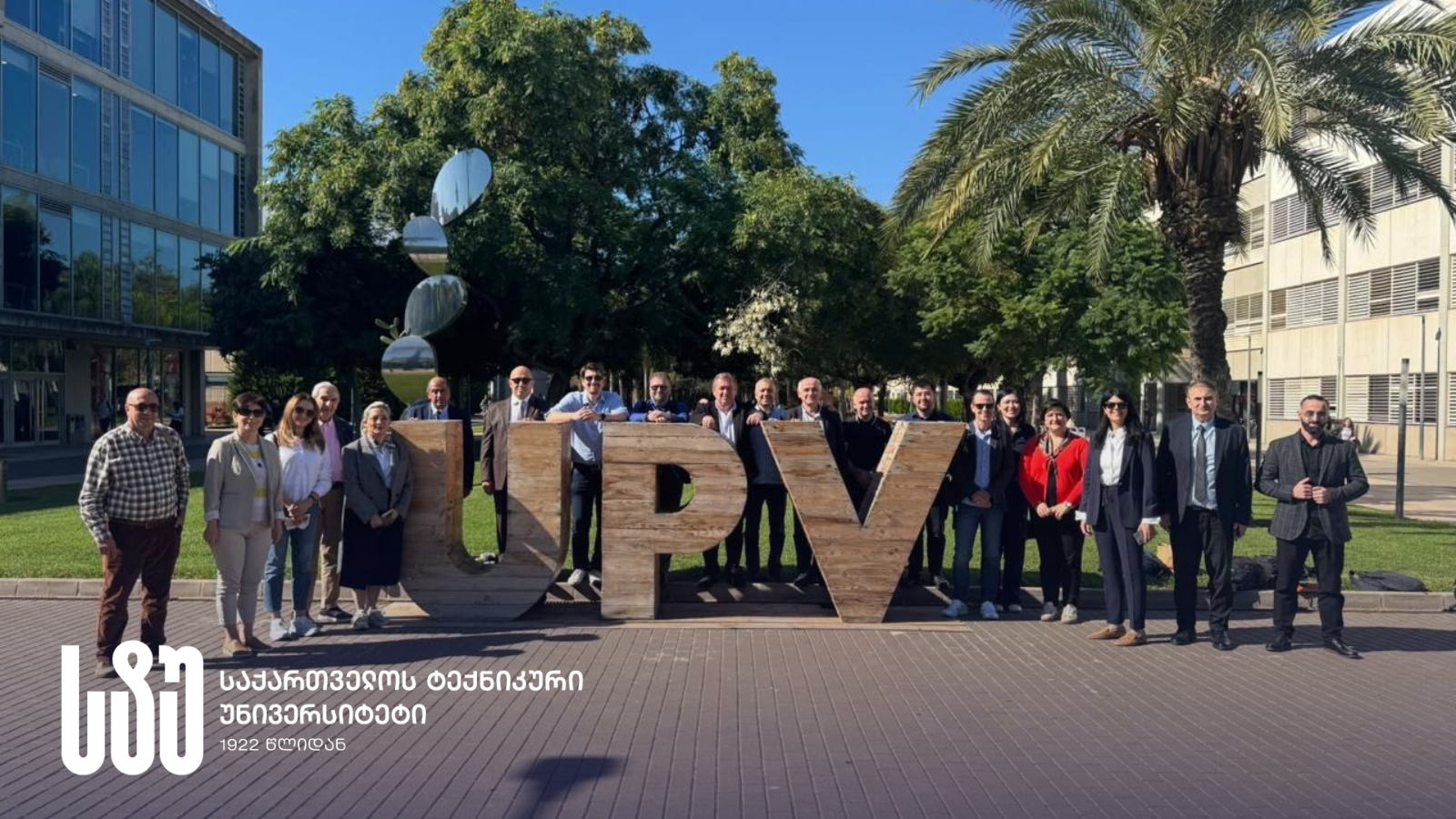
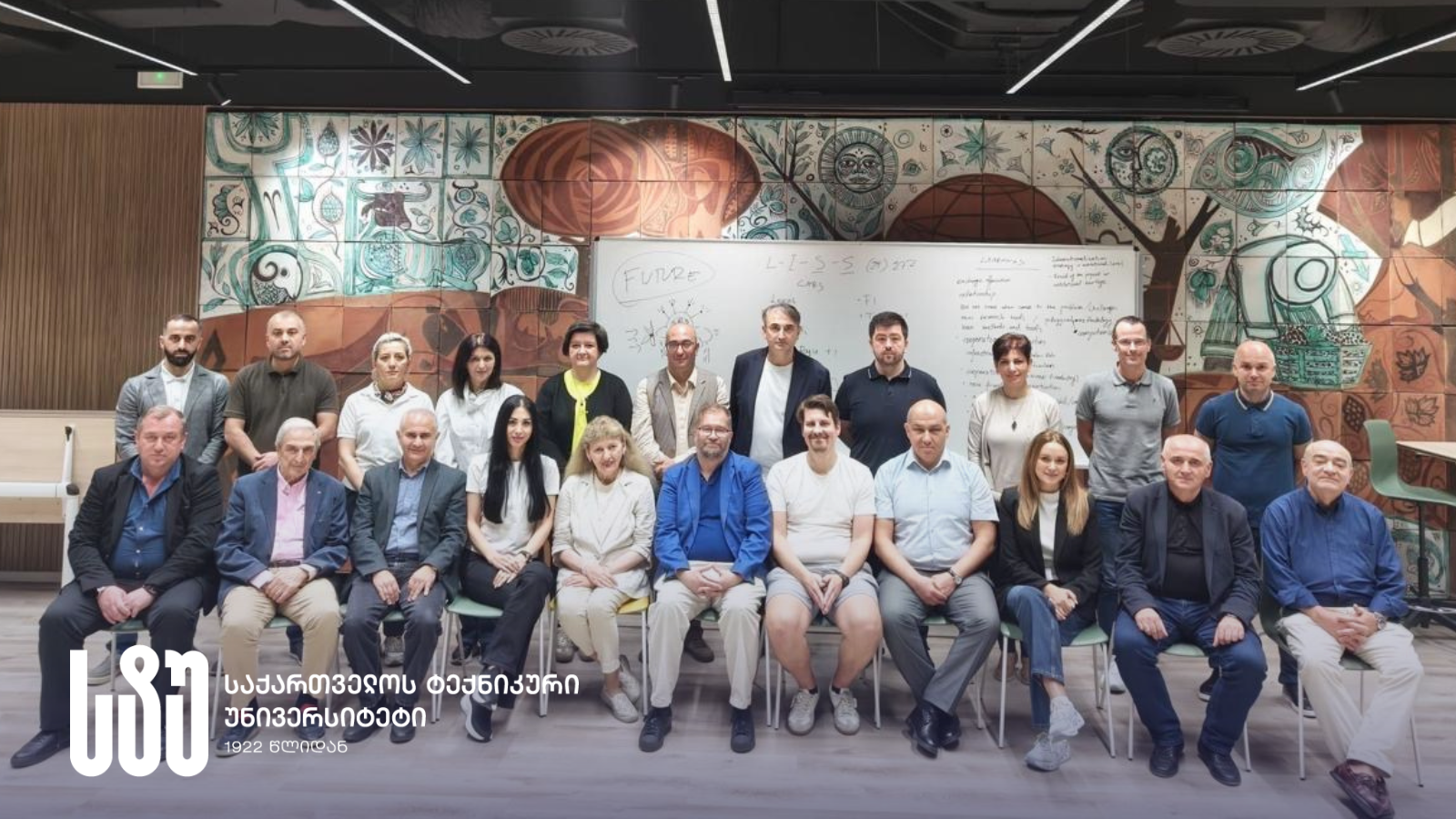
The delegation of scientists and researchers of the Georgian Technical University attended the summary conference and the final meeting of the international consortium held within the framework of the grant project of the European Union Erasmus+ program – LISS24 (Learn – Innovate – Sell – Succeed) at the Polytechnic University of Valencia (Universitat Politècnica de València – UPV) in Spain.
Representatives from ten leading universities in six countries in Europe and the South Caucasus participated in the event. The meeting aimed to summarize project activities and results, discuss ways to ensure the sustainability of initiatives implemented at partner universities, and define new directions for future international cooperation.
Georgian Technical University is one of the project’s lead partner institutions and serves as its national coordinator in Georgia. The university’s participation in the international consortium’s concluding event further underscores its commitment to developing the European Higher Education Area, modernizing engineering education, and strengthening collaboration between universities and the business sector.
According to Associate Professor Boris Gitolendia, Dean of the Faculty of Transport Systems and Mechanical Engineering at GTU, the Erasmus+ LISS24 project commenced in 2023 and is scheduled to conclude in 2026. It is funded under the “Capacity Building in Higher Education” (CBHE) component of the European Union’s Erasmus+ program. Turku University of Applied Sciences (Finland) coordinates the project.
“The primary objective of the project is to strengthen innovative capabilities and competencies essential for engaging with the business sector within universities in Armenia and Georgia, with a particular focus on engineering education. The initiative centers on developing knowledge and practical skills aligned with the demands of the modern labor market, fostering an entrepreneurial mindset among students, and enhancing their competitiveness within the international business environment. LISS24 places special emphasis on integrating modern business-to-business (B2B) sales methods, innovation management, and digital-technology-based commercial activities into the educational process.
The educational approaches developed within the framework of the project combine theoretical instruction, practical exercises, student competitions, and genuine opportunities for collaboration with the business sector. Notably, in April 2026, the country’s first “Sales Lab” was established at the Georgian Technical University as part of the LISS24 project. It was founded as a research unit and serves as a multifunctional learning and practical space designed to develop students’ professional skills in B2B and B2C sales, while also facilitating joint research projects with the business sector.”
– Associate Professor Boris Gitolendia
Ten universities from Finland, Spain, Austria, Sweden, Armenia, and Georgia are involved in implementing the project. Alongside the Georgian Technical University, the international consortium includes the Turku University of Applied Sciences, the Polytechnic University of Valencia, the University of Applied Sciences Wiener Neustadt, the KTH Royal Institute of Technology (Sweden), the National Polytechnic University of Armenia, the Armenian National Agrarian University, the National University of Architecture and Construction of Armenia, Akaki Tsereteli State University, and Batumi Shota Rustaveli State University.
The project activities include several main directions. These include developing new training courses in B2B sales and innovation, updating existing training programs, providing professional training for academic staff, organizing student competitions, creating sales laboratories, and strengthening cooperation between universities and the private sector.
According to a summary published by the project’s international consortium, 11 new training courses were developed and 2 existing ones were updated under LISS24, focusing on B2B sales and innovation. Furthermore, six “Sales Labs” were established at partner universities in Armenia and Georgia, enabling students to learn modern methods for managing customer relations, negotiations, sales strategies, and business processes in a practical environment.
Student competitions hold a significant place within the project, aiming to facilitate the application of theoretical knowledge in practice, assess professional skills, and support the transformation of innovative ideas into viable business opportunities. In this context, a B2B sales competition for students – the first of its kind in Georgia – was held at the Georgian Technical University in June 2025, as part of the Erasmus+ LISS24 project.
At the Georgian Technical University, the Office of Technology and Grant Projects coordinates the project. The involvement of the academic and administrative staff of the university is of special importance in the implementation and sustainable development of the project results. In addition, the LISS24 consortium invited the rector of the Georgian Technical University, academician David Gurgenidze, as a higher education expert, further strengthening his role in institutionalizing the university’s international partnership and project results.
During the concluding meeting in Valencia, the partners emphasized the long-term sustainability of the project’s outcomes. Discussions covered continuing to operate sales laboratories, integrating the developed training courses into university curricula, maintaining cooperation with the business sector, implementing joint research, and developing new international educational initiatives. Furthermore, participants explored opportunities to share the experience gained with other educational institutions and to develop further the professional network established among the partner universities.
The implementation of LISS24 has enabled the Georgian Technical University to deepen its cooperation with leading European universities, share international experience, introduce modern teaching and assessment methods, and strengthen the links between higher education and the business sector. The final stage of the project doesn’t mark the end of the partnership; on the contrary, the agreements reached and the collaborative ties established in Valencia lay the foundation for new international educational and research initiatives that will facilitate the integration of Georgian Technical University into the European educational and innovation space.
Related
International Visits
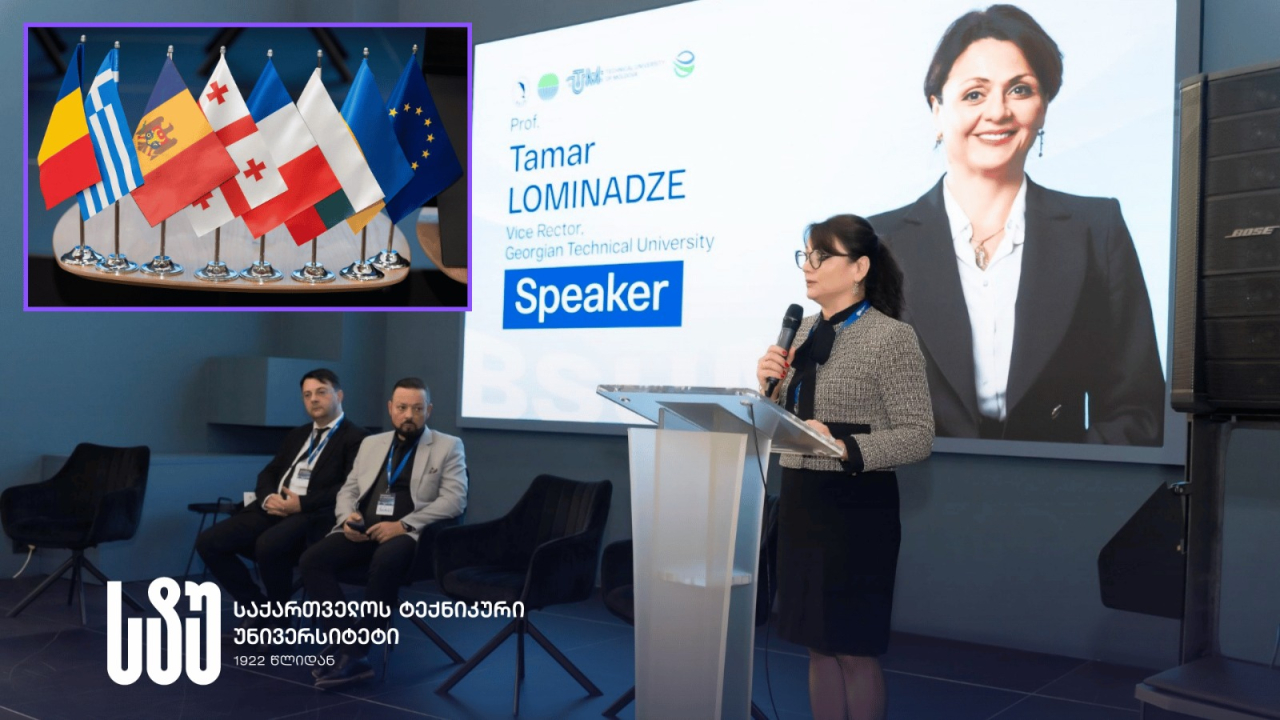
The Vice-Rector of the GTU addressed the participants of the International Congress of the Black Sea Universities Network (BSUN – 2026)
“We live in an era where humanity’s scientific and technological capabilities are reaching unprecedented heights; yet, issues of peace and...
International Visits
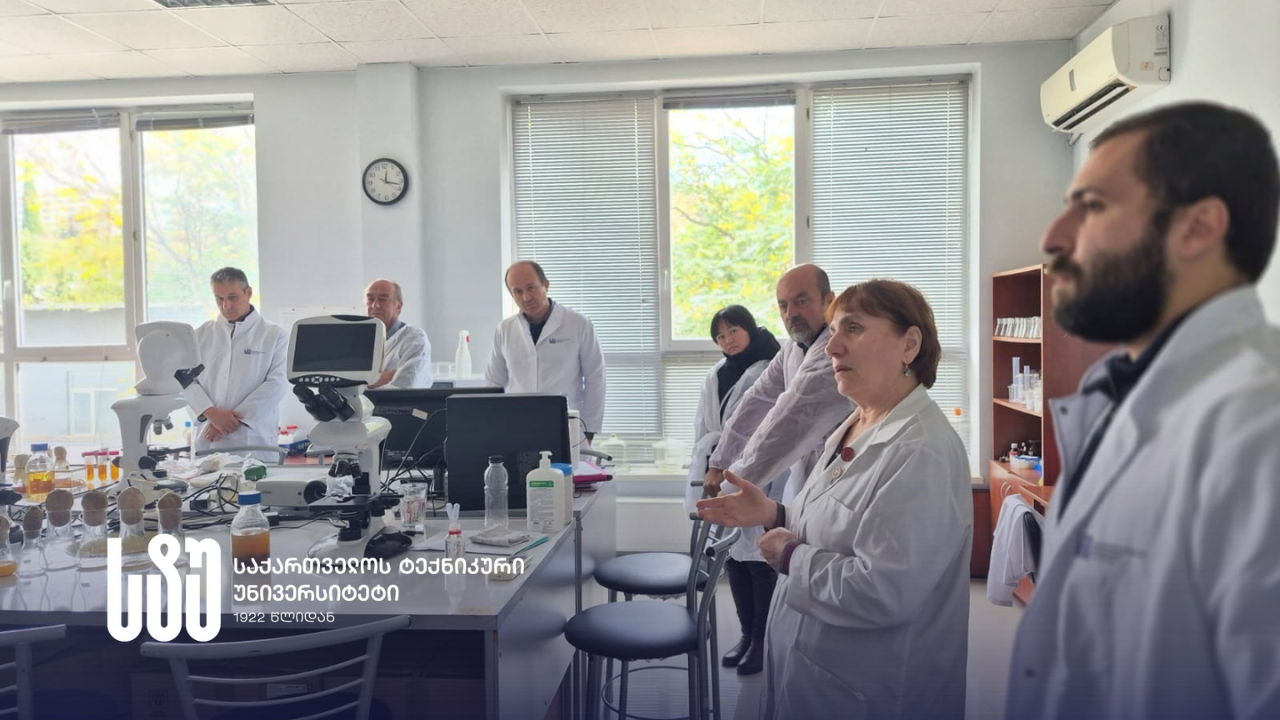
Annual Meeting of the VINIFERA EUROMASTER Consortium Partners at GTU
The Georgian Technical University hosted the annual meeting of partners from “Vinifera EuroMaster”, an international educational consortium focused on viticulture...
International Visits
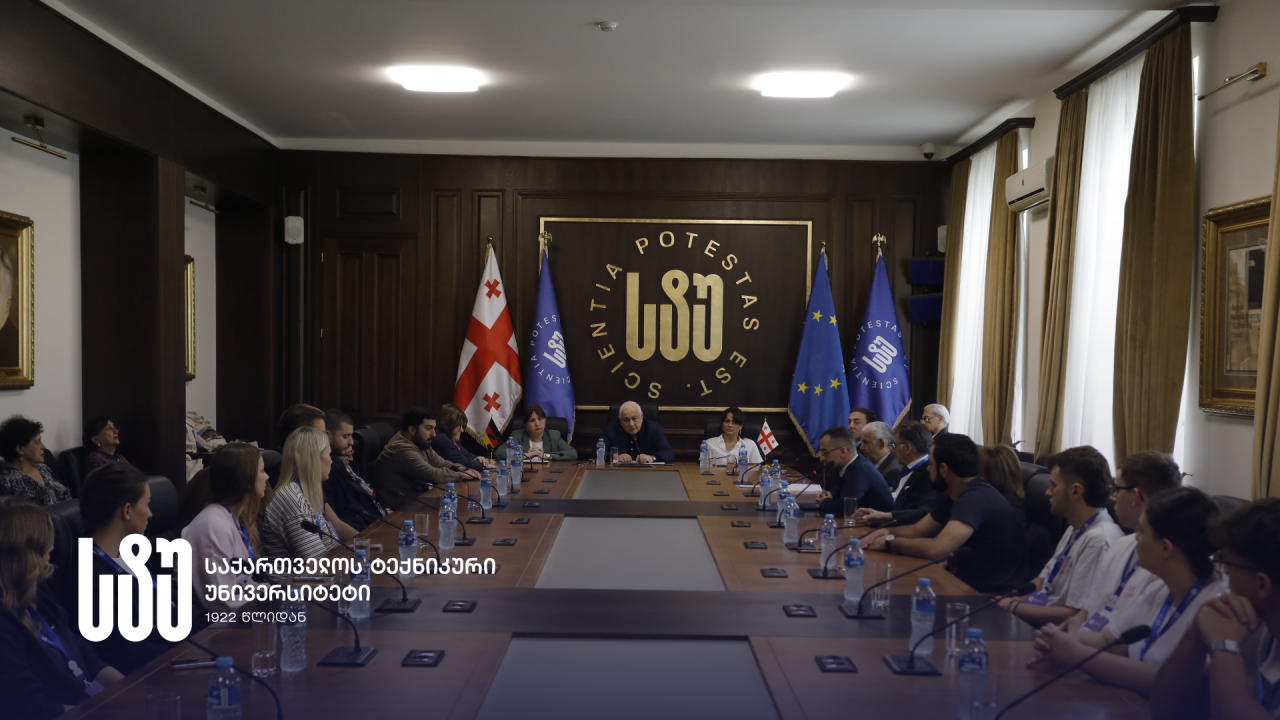
Meeting of the GTU Rector with a Delegation of Scientists from the Saarland University of Applied Sciences and Technology
“We view the development of joint doctoral programs and the securing of international scientific grants as key prospects for deepening...
International Visits
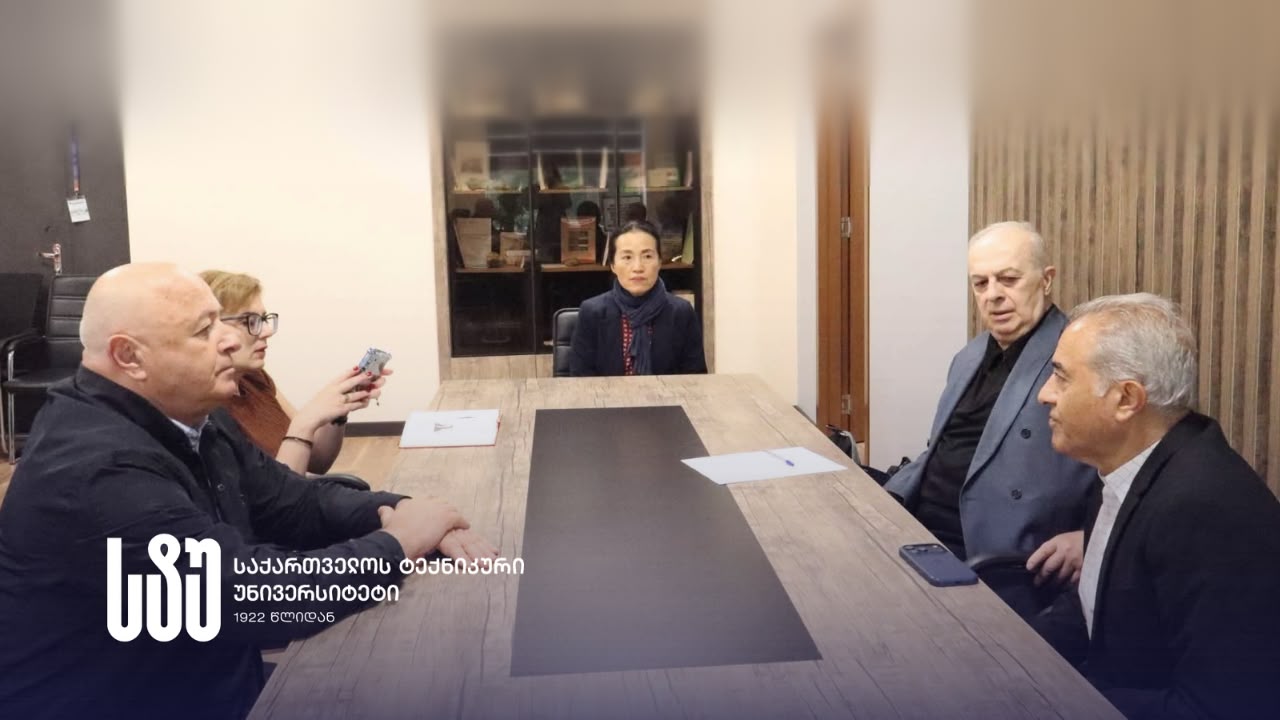
Visit of Representatives from the Norwegian Geotechnical Institute to GTU
“International partnership is one of the cornerstones of our faculty's development. These connections are vital for giving students practical experience,...
International Visits
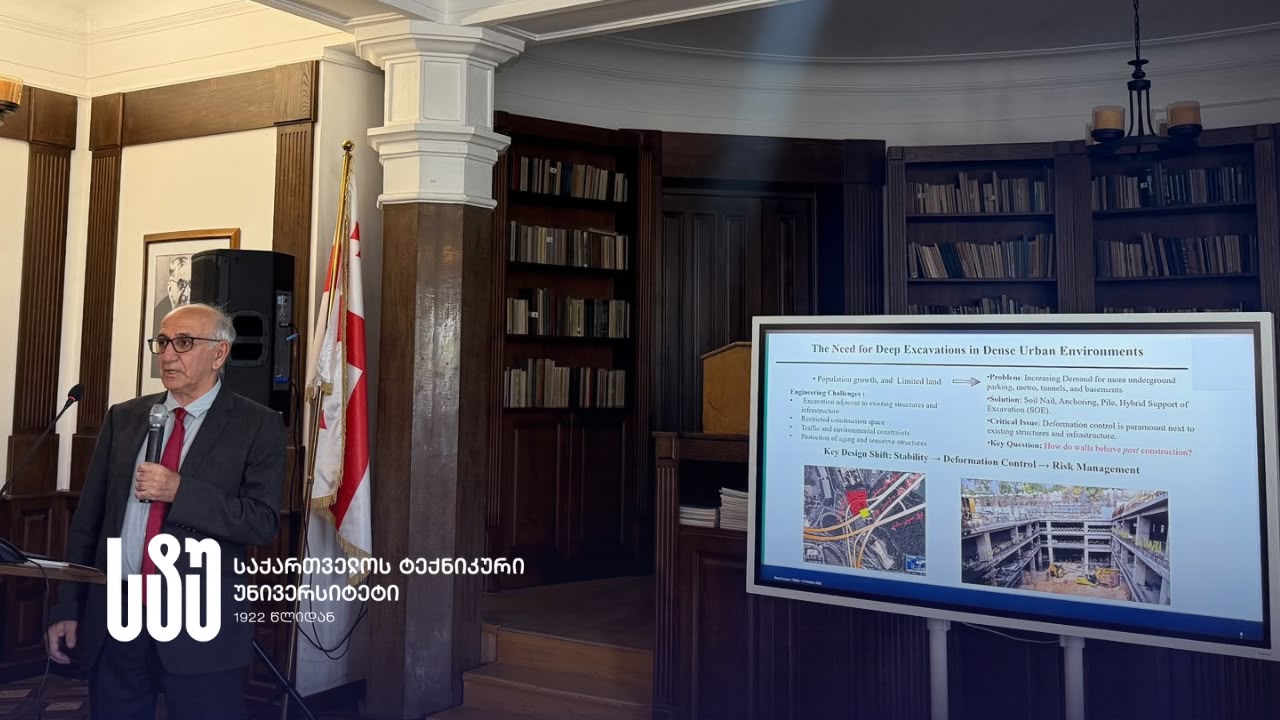
Public Lecture by Dr. Shahab Yasrobi, Geotechnical Engineering Expert and International Consultant at GTU
Georgian Technical University hosted a public lecture by Dr. Shahab Yasrobi, a professional geotechnical engineer, international consultant, tunneling specialist, and...
International Visits
Representatives of Japanese Companies and Organizations at GTU
Representatives of Japanese business companies and organizations paid a working visit to the Georgian Technical University. The delegation met with...