GTU Students Present Digital Waste Management Platform at “Hackathon 2026”, Earning Special Recognition
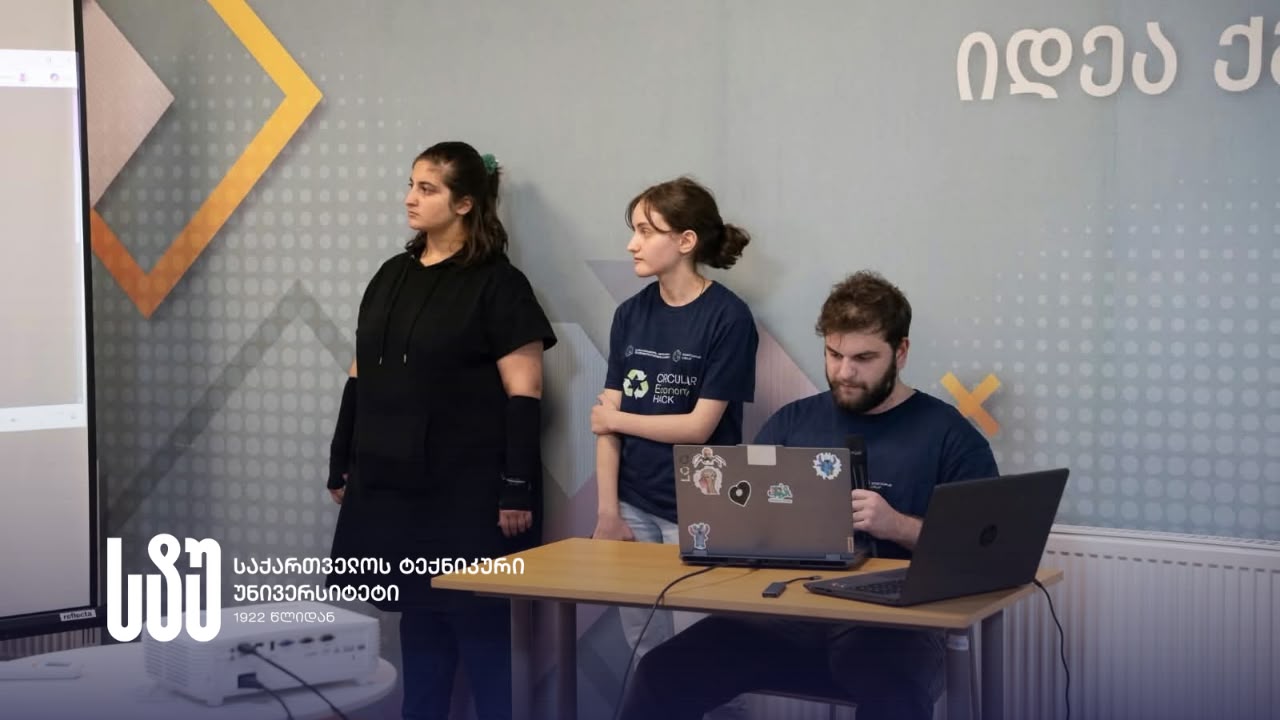
A group of third-year students from the Faculty of Informatics and Control Systems at Georgian Technical University, Aleksi Mamniashvili, Nino Miminoshvili, and Mariam Tsakadze, mentored by Khatuna Akhalaia, Roni Kvachadze, and Sandro Kandelaki, participated in the “Circular Hackathon 2026”. The team received special recognition from “Tegeta Green Planet” and was named a “Selected Team.”
The students developed a digital platform that integrates various waste management organizations into a unified system. Through this platform, waste recycling facilities, transport companies, and auto service centers can connect, form partnerships, and exchange essential information.
According to the students, one of the platform’s primary purposes is to simplify the tracking of waste and monitor its movement. The system will help users organize waste-related processes, manage relevant data, and meet obligations mandated by environmental legislation. The project’s creators aim to use this technological solution to make waste management more efficient, transparent, and accessible.
Aleksi Mamniashvili said the team began the project by examining existing challenges in the circular economy.
“We reviewed existing research and gathered our own information on the challenges facing the circular economy, eventually selecting one specific problem to address: the difficulties surrounding automotive waste management. These include inadequate or malfunctioning record-keeping systems within Extended Producer Responsibility (EPR) organizations, as well as the challenge of finding potential partners. We put in a great deal of work – discussing, brainstorming, and analyzing the current landscape – to develop our project, AutoLoop.”
– Student Aleksi Mamniashvili
According to Nino Miminoshvili, the team is satisfied with their participation in the hackathon and the results they achieved.
“We are very pleased with what we accomplished. This was our first hackathon, and we are confident that, in the future, we will be even better prepared to take on similar challenges. I wouldn’t say the experience was easy; at times we felt quite anxious, and it took a great deal of hard work to reach the final result. From the very beginning, we understood that we might not be chosen as the company’s preferred team, but that possibility didn’t hinder our work process in any way.”
– Student Nino Miminoshvili
According to Mariam Tsakadze, the hackathon was well-organized, and the working environment was tailored to the comfort and needs of the participants.
“We received a great deal of useful advice and support from the mentors and organizers, which was essential for creating and developing our project. It was a highly engaging and practically valuable experience; one we continue to draw on even after the hackathon concluded. We deepened our knowledge of the circular economy, as well as idea generation, project presentation, and development. We learned to proactively identify potential challenges and devise solutions. We believe that the knowledge and experience we gained will certainly assist us in our future endeavors and career advancement.”
– Student Mariam Tsakadze
The dean of the Faculty of Informatics and Control Systems at GTU, Professor Taliko Zhvania states, that the students’ success is particularly significant; such events give young people the opportunity to apply their theoretical knowledge in practice, tackle real-world challenges, and showcase their capabilities to a broader audience.
“I congratulate our students on this success and wish them continued progress, new achievements, and further professional development.
It is especially gratifying to see young people actively participating in various hackathons, presenting compelling ideas, and striving to solve practical problems using modern technologies. For the Faculty, this student engagement, along with support for their initiatives and creative potential, is important.
Students from our faculty regularly participate in hackathons covering a variety of topics. We also host hackathons within the university, giving young people the chance to work in teams, develop innovative ideas, gain new experience, and present their own projects. We want our students to have more opportunities to connect their knowledge with practical work and transform their ideas into real-world projects.”
– Professor Taliko Zhvania
Related
Student Activities
“GTU Student Games 2026” Begins
An internal university project, “GTU Student Games 2026”, is launching at Georgian Technical University to enliven student life and increase...
Student Activities
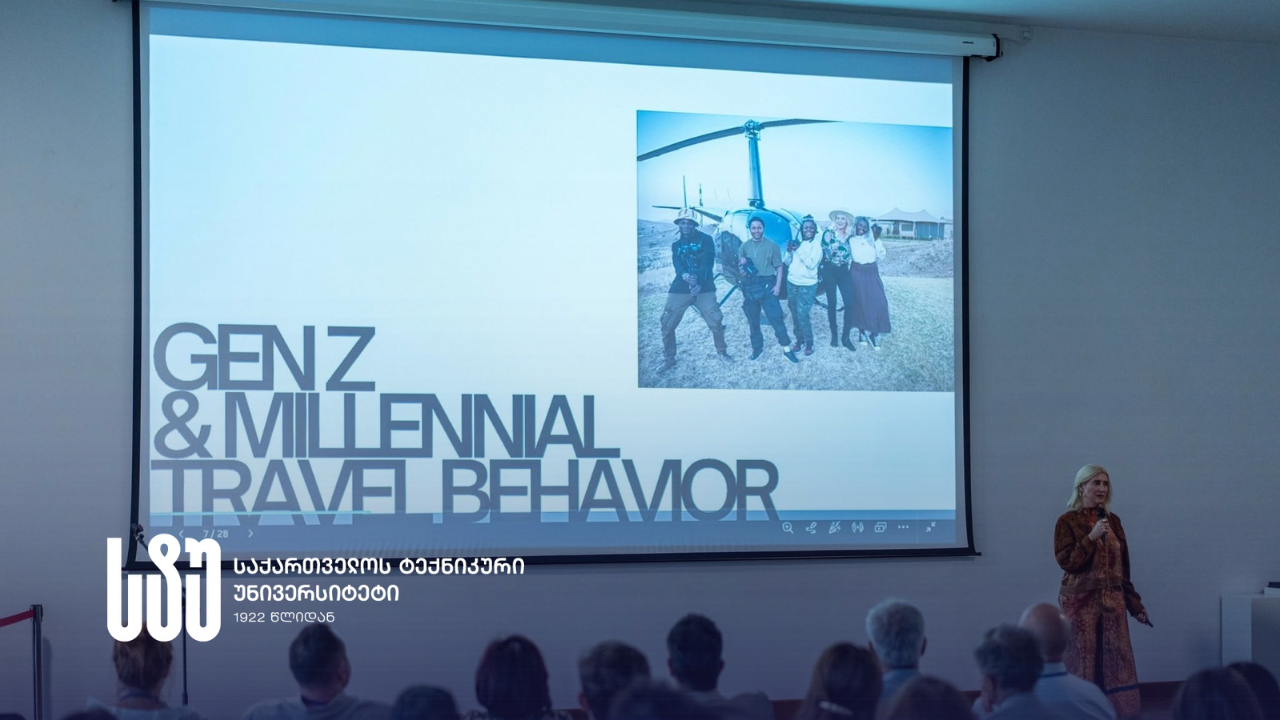
Students from the GTU Faculty of Business Technologies evaluated their experience at ARTFF 2026 through the lens of modern technology
“One of the most significant challenges in higher education is creating an environment where academic knowledge naturally intersects with real-world...

Student Activities
GTU Master’s Student Completes One-Year Internship at the International Atomic Energy Agency (IAEA)
Elene Chikviladze, a second-year student of the Applied Geology Master’s Educational Program at the Faculty of Mining Geology and Sustainable...
Student Activities
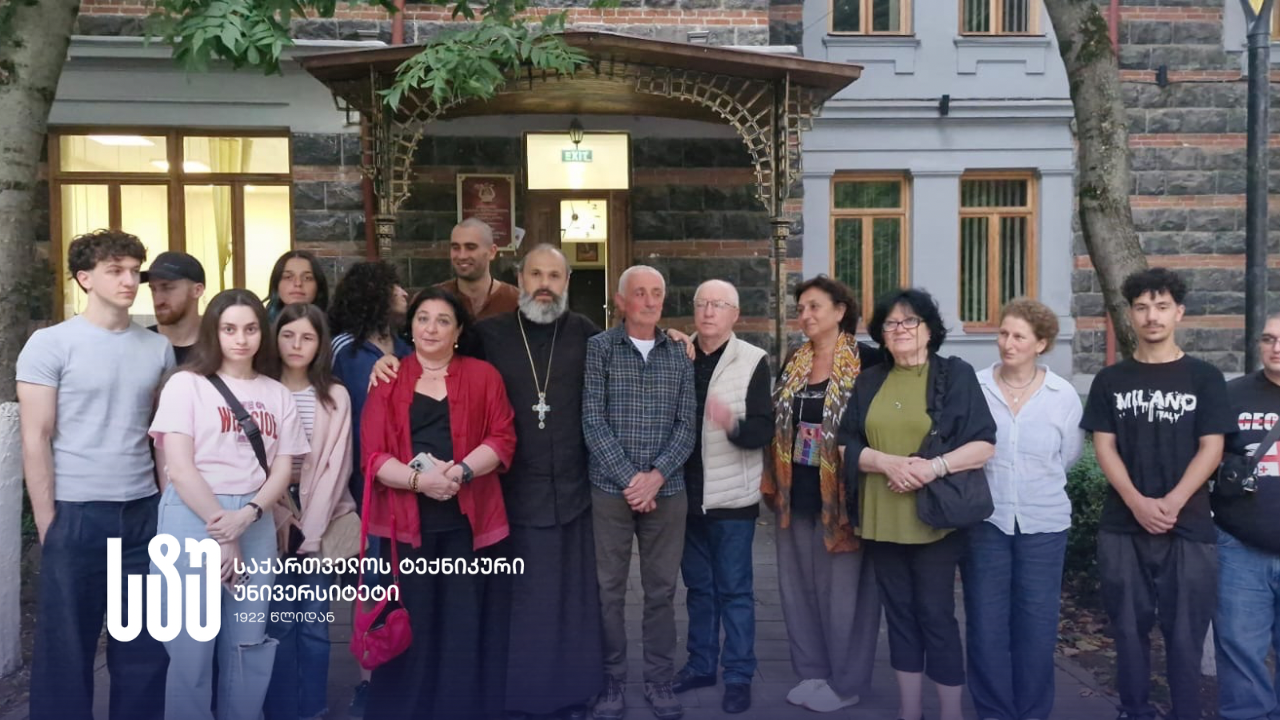
GTU Students and Professors Visit the Diocese of Akhalkalaki and Kumurdo
Students and professors of the Architecture Educational Program of the Faculty of Architecture, Urbanism and Design, together with representatives of...
Student Activities
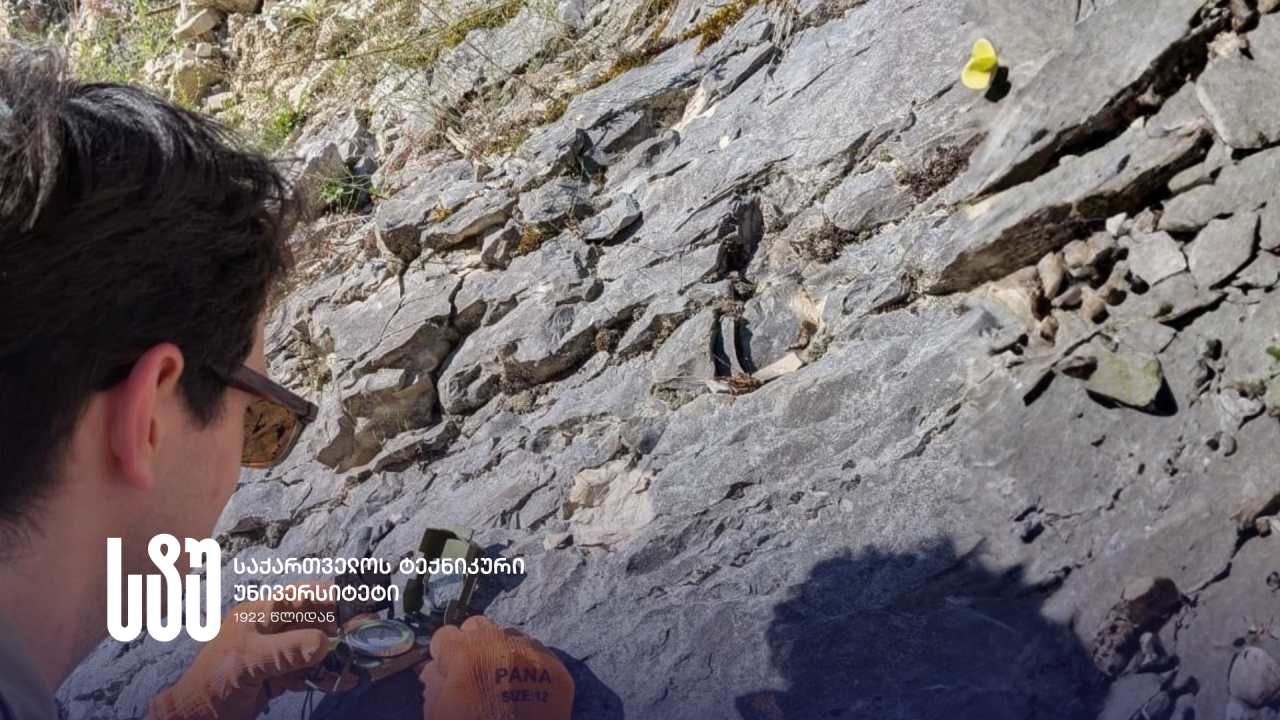
GTU Student Conducts Biostratigraphic Study of Upper Cretaceous Sediments in Racha
A fourth-year student of the Faculty of Mining Geology and Sustainable Mountain Development of the Georgian Technical University conducted a...
Student Activities
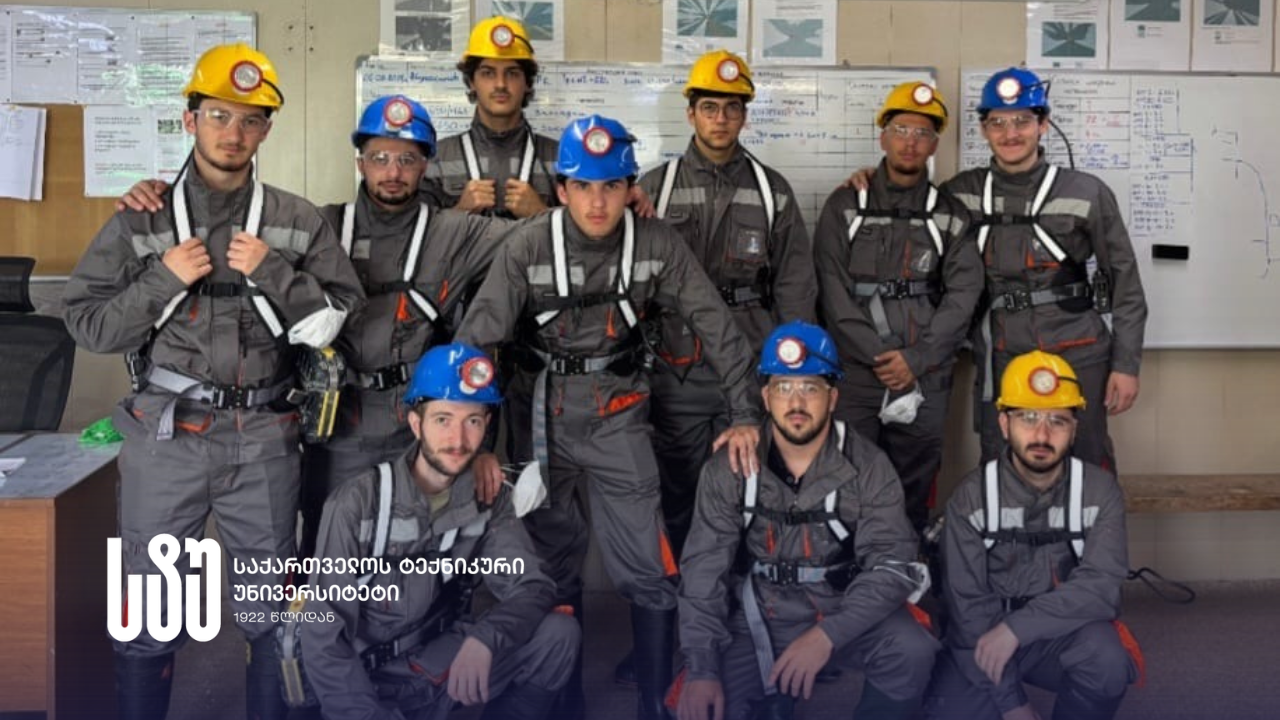
Students of the GTU Faculty of Mining Geology and Sustainable Mountain Development participate in the “RMG” Summer School
“Participation in the “RMG” Summer School is a particularly important opportunity for students of the Faculty of Mining Geology and...