Public Lecture at GTU – “Registration, Transformation, and Analysis of Single-Phase Short-Circuit Signals”
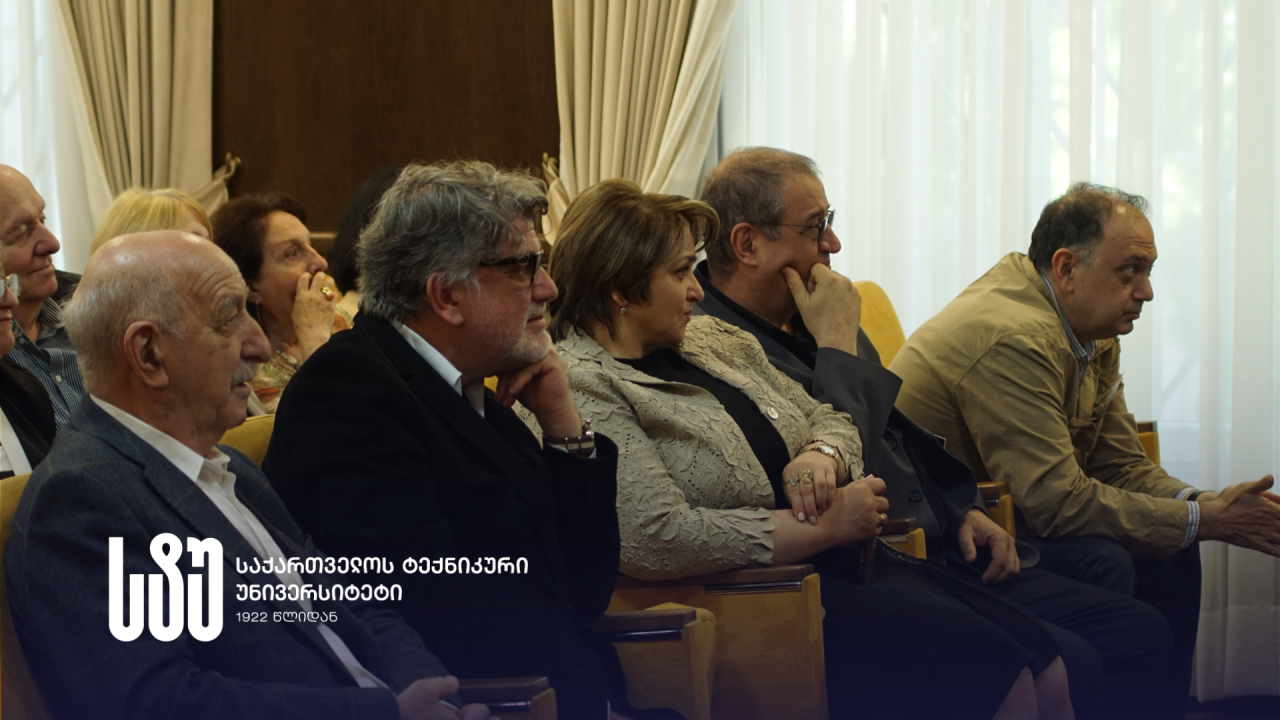
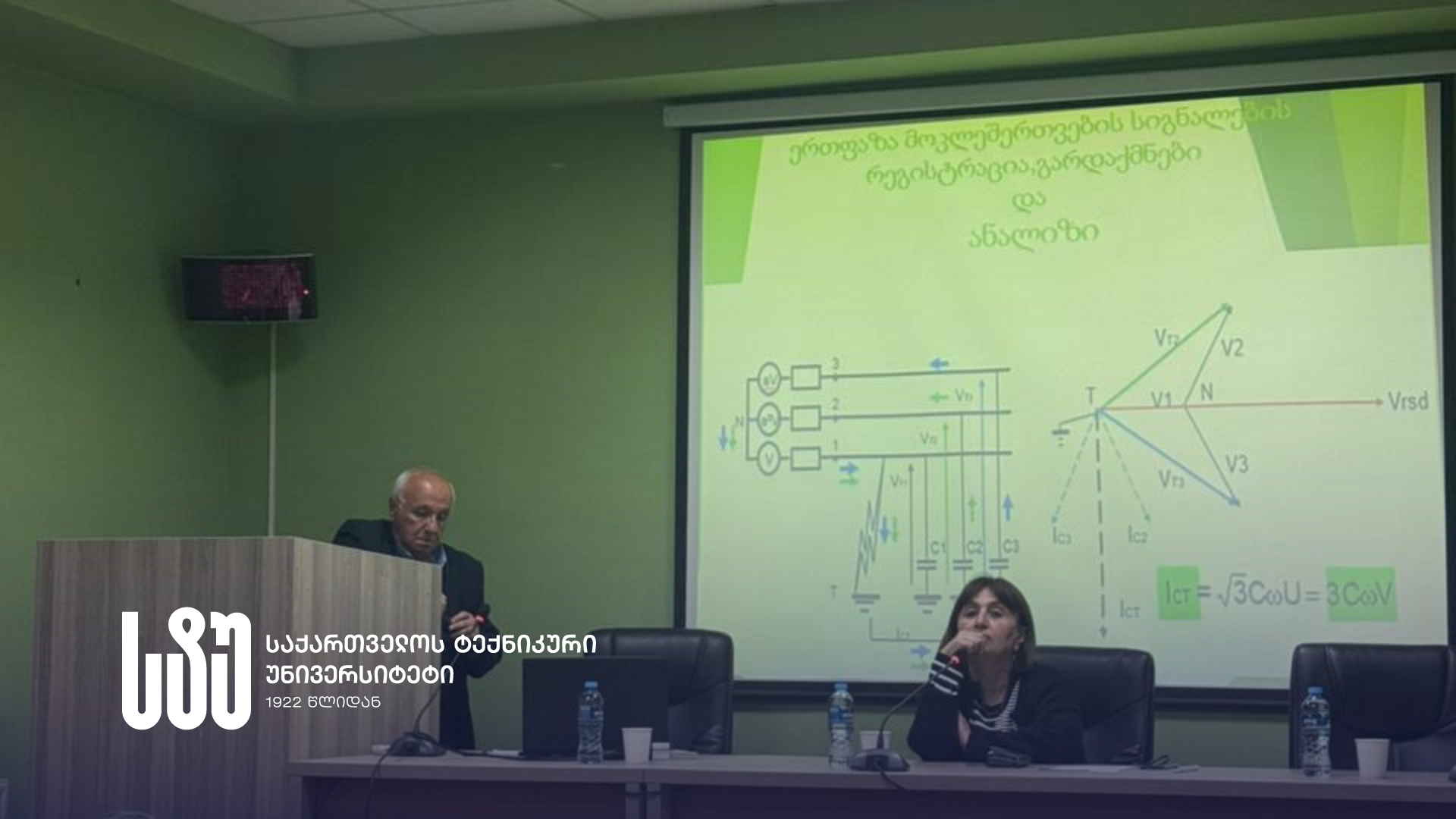
Associate Professor Malkhaz Kvrivishvili delivered a public lecture titled “Registration, Transformation, and Analysis of Single-Phase Short-Circuit Signals” for students and specialists of the Faculty of Power Engineering at Georgian Technical University.
The lecture focused on one of the most important and relevant areas of modern power systems: the study of emergency modes, digital signal processing, and the improvement of power system protection mechanisms. The meeting addressed the causes of single-phase short-circuit processes, their physical nature, and modern methods used for the registration and analysis of emergency signals.
Professor Malkhaz Kvrivishvili introduced students and attendees to modern approaches to signal transformation, time and frequency domain analysis methods, and digital technologies used in relay protection and automation systems. Special attention was given to the reliability and safety of power systems, as single-phase short circuits are considered among the most common faults in power networks.
According to the Dean of the Power Engineering, the public lecture by Associate Professor Malkhaz Kvrivishvili was held within the framework of the educational and scientific project “Open Space of Energy.” As Professor Ketevan Kutateladze noted, the faculty is actively working to create an educational environment that connects students with modern technologies and real engineering challenges. She emphasized that public lectures, discussions, and scientific meetings provide students with opportunities to combine theoretical knowledge with practical experience and gain a deeper understanding of current trends in the field.
“The registration and analysis of single-phase short-circuit signals are important both theoretically and practically, since the stable and safe operation of power systems depends on the timely detection and proper management of emergency processes. The relevance of this topic is further increased by the growing automation of power systems and their integration with digital technologies. Therefore, theoretical knowledge alone is no longer sufficient for an engineer; expertise in modern signal analysis methods, data interpretation, and practical application is also essential. Studying these issues enables students to better understand electrical processes and apply innovative diagnostic tools in their professional activities.”
– Professor Ketevan Kutateladze
For information, the Faculty of Power Engineering at Georgian Technical University continues to host weekly public lectures every Wednesday as part of its new educational and scientific project, “Open Space of Energy,” inviting students and interested members of the public to attend.
Related
News
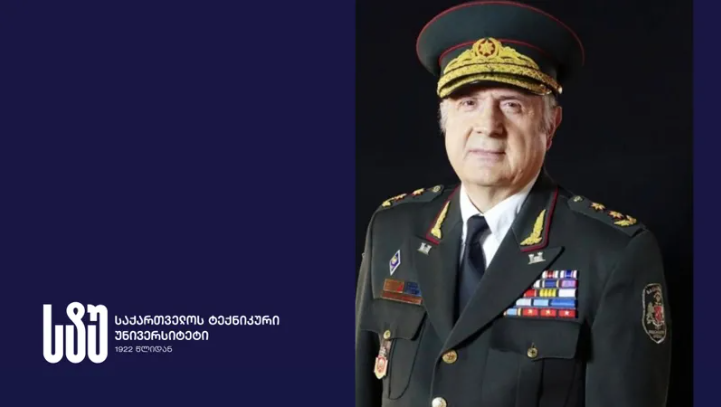
The Rector of GTU Congratulates Major General, Academician Elguja Medzmariashvili on His 80th Birthday
Rector of the Georgian Technical University, Academician David Gurgenidze, on behalf of the university community, congratulates Major General, Academician Elguja...

News
Publication of Articles and Professional Materials in the EEDA Newsletter
Employees of Georgian Technical University will have the opportunity to publish news, short articles, and professional materials in upcoming editions...
News
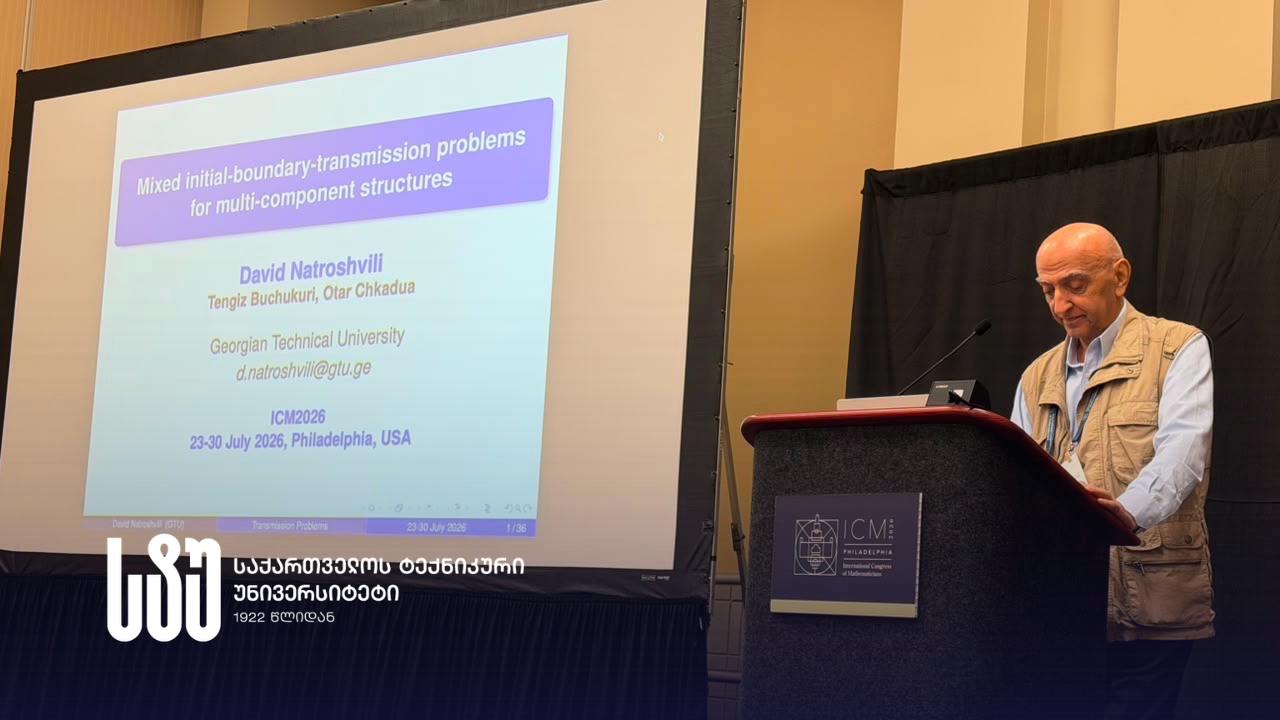
GTU professor, along with world-leading scientists, participated in the International Congress of Mathematicians – ICM 2026 – in Philadelphia
It is noteworthy that the congress is held once every four years and discusses many areas of modern mathematics. Its...
News
3-Month Paid Internship Program for Students and Graduates Begins
Starting September 1, 2026, the 3-Month Paid Internship Program, a competition to select interns will be launched initiated by the...
News
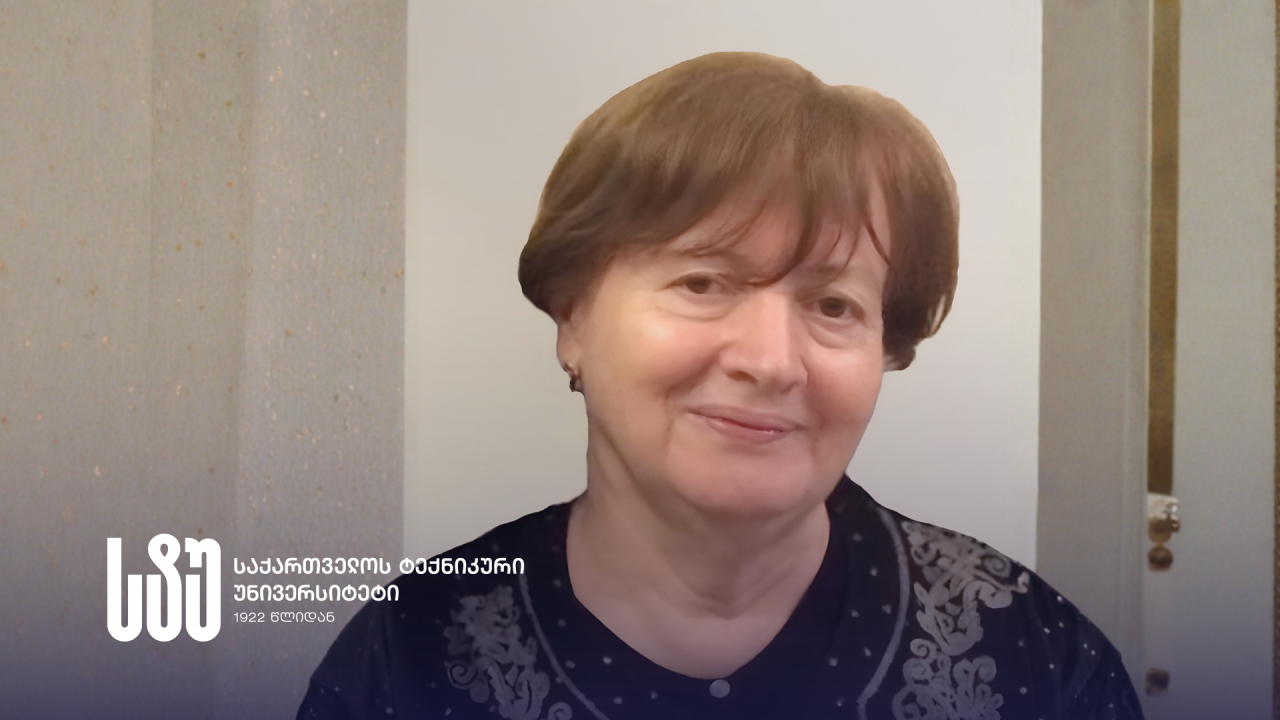
GTU Rector Expresses Condolences to the Family and Colleagues over the Passing of Professor Lamara Berishvili
The Rector of the Georgian Technical University, Academician David Gurgenidze, on behalf of the university community, expresses his deep sorrow...
News
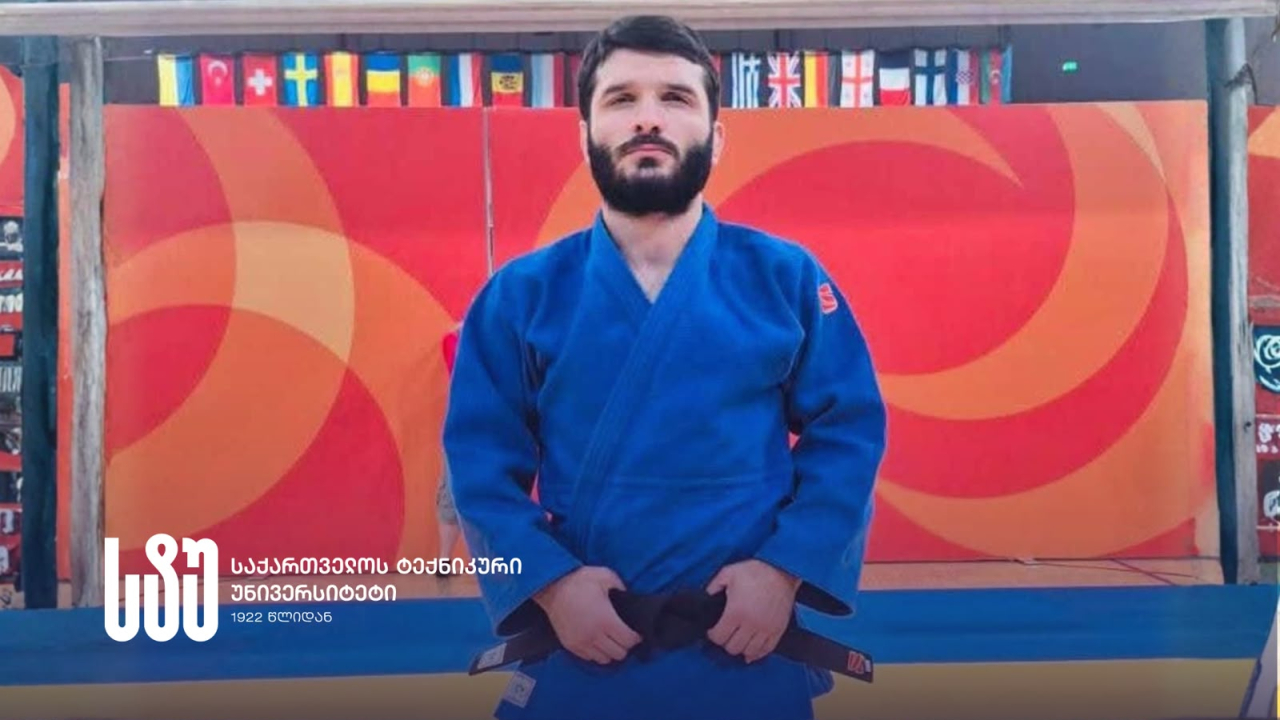
GTU Rector Congratulates the Georgian Para-Judo Team and GTU Student on Winning the European Championship for the Second Time
The Rector of the Georgian Technical University, Academician David Gurgenidze, on behalf of the university community, congratulates Levan Gugava, a...