Memorial Event at GTU Honoring Those Who Fought and Lost Their Lives for Georgia’s Territorial Integrity in Abkhazia
“Today, as one of the important objectives of Georgia’s state policy is to preserve peace, ensure stability, and resolve existing challenges through diplomatic efforts, it is particularly important for society to recognize its shared responsibility toward this goal. The desire for peace does not mean forgetting history. The history of our homeland obliges us to create a future for generations to come in which confrontation is replaced by cooperation and the experience of war by the pursuit of peace. We remember those who fought and lost their lives for the unity of Georgia. We pay tribute to their families, veterans, and all those who personally endured the pain of this difficult chapter in our history. For us, their memory is not merely about remembering the past. It is a responsibility to safeguard peace and ensure that future generations are not given cause to experience the pain of war again,” said Academician David Gurgenidze, Rector of Georgian Technical University, at an event dedicated to honoring those who fought and lost their lives for Georgia’s territorial integrity in Abkhazia.
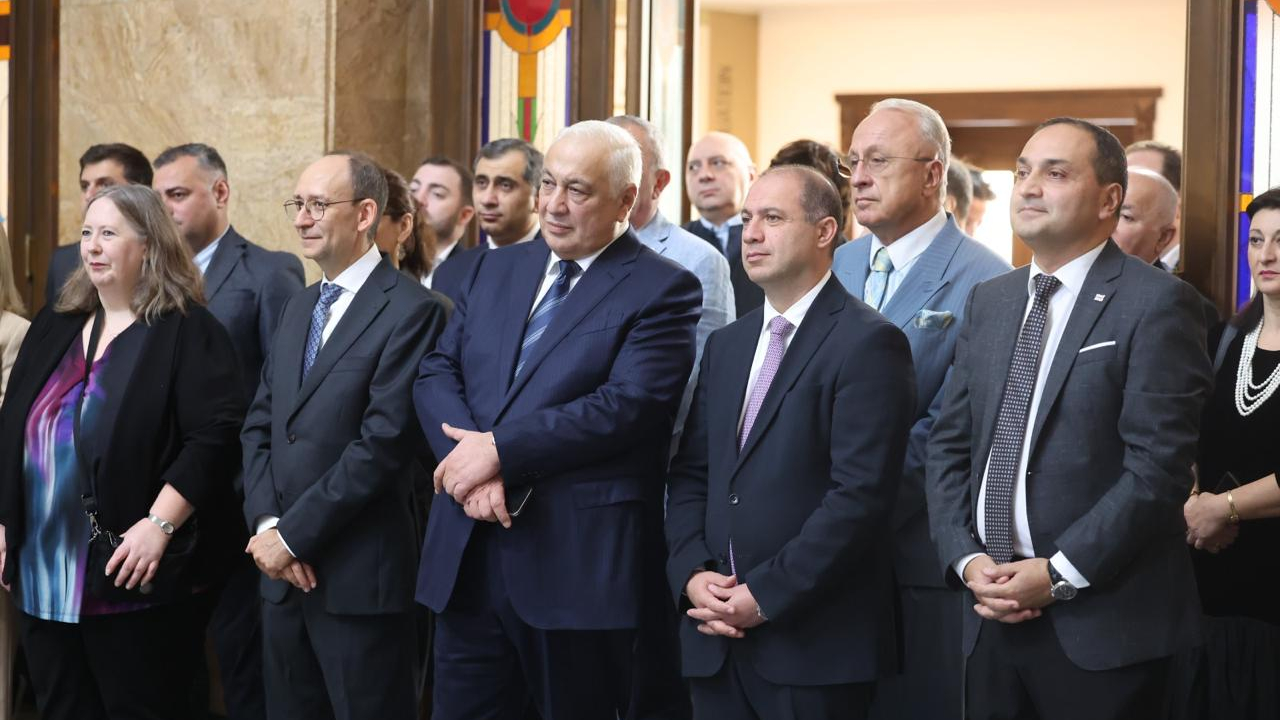
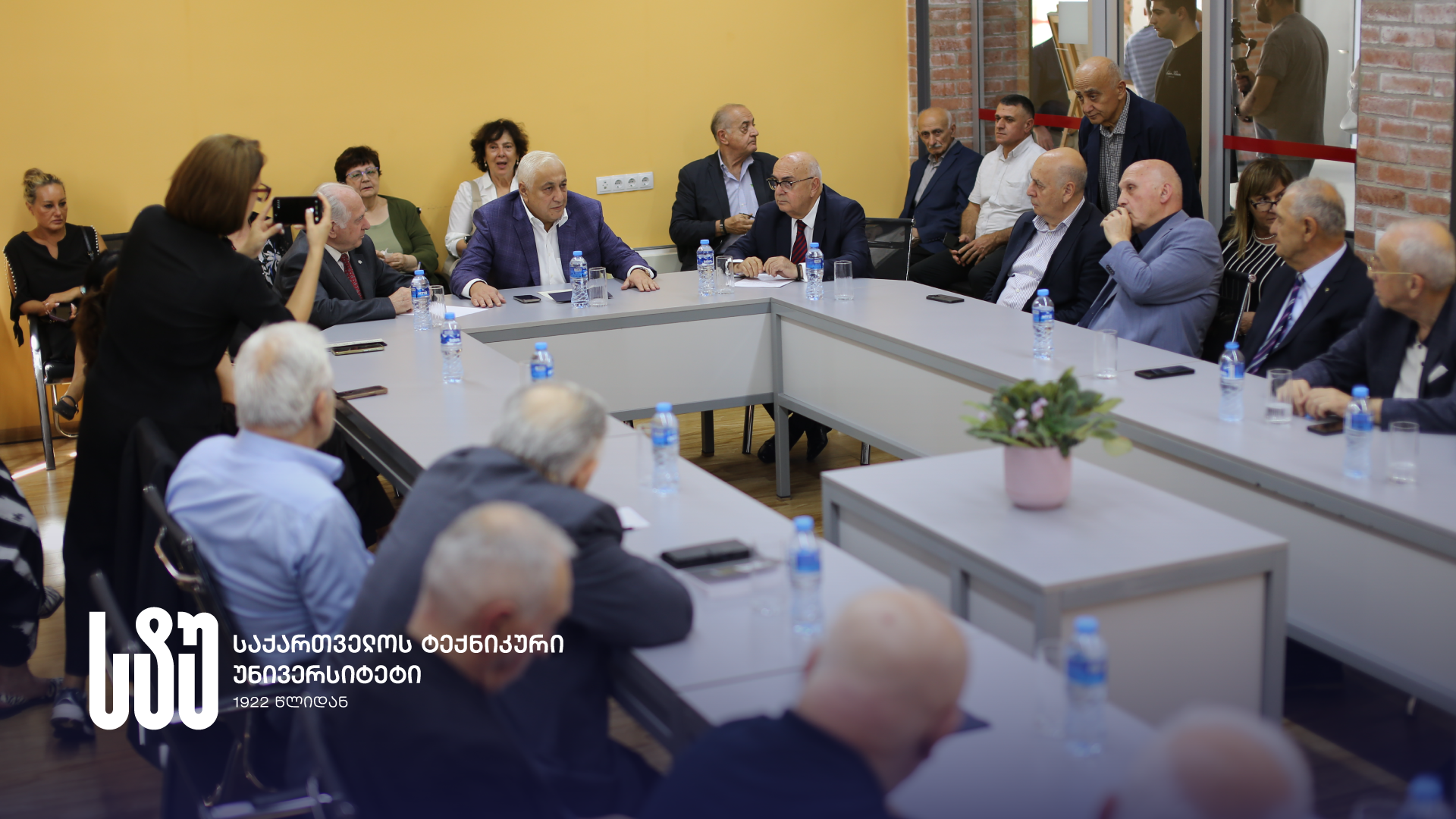
Georgian Technical University hosted an event dedicated to honoring those who fought and lost their lives for Georgia’s territorial integrity in Abkhazia. The event was attended by war veterans, Jemal Gakharia, Chairperson of the Supreme Council of the Autonomous Republic of Abkhazia, Vakhtang Kolbaia, Chairman of the Zhiuli Shartava Society, university professors and academic staff, students, and other invited guests.
The event was opened by the Rector of Georgian Technical University. In his address, Academician David Gurgenidze placed particular emphasis on the significance of honoring the memory of those who lost their lives in the struggle for the unity of their homeland. As the Rector noted, preserving national memory and strengthening a sense of historical responsibility among future generations are of particular importance to society.
“We have gathered once again to pay tribute to those who sacrificed their lives in the struggle for Georgia’s territorial integrity. Their memory is an integral part of our country’s history, and this history must never be forgotten. Zhiuli Shartava holds a particularly significant place in this history — a person whose name has remained a symbol of dignity, dedication, and a profound sense of state responsibility in Georgia’s recent history. In the most difficult circumstances, Zhiuli Shartava set an example of what loyalty to one’s homeland and responsibility toward one’s country truly mean.
For Georgian Technical University, the legacy associated with Zhiuli Shartava is of particular importance. Our university is home to the Zhiuli Shartava Laboratory — an opportunity to connect his name and the values he embodied with education, science, professional development, and the future of our country for generations of young people. The university has a special responsibility not only to provide future generations with knowledge, but also to preserve historical memory. War is the most devastating experience for an individual, a society, and a country. We know all too well the cost of war — the lives lost, the tragedies endured by families, the relationships destroyed, and the pain that has remained unhealed for decades. That is why there is no alternative to peace. I would like to thank the Government of Georgia for its efforts to preserve peace and stability in the country and to create an environment conducive to its development.”
– Academician David Gurgenidze
During the event, addresses were delivered by Jemal Gakharia, Chairperson of the Supreme Council of the Autonomous Republic of Abkhazia; Vakhtang Kolbaia, Chairman of the Zhiuli Shartava Society; war veterans; and other invited guests. The meeting commemorated the participants of the war in Abkhazia and those who sacrificed their lives in the struggle for Georgia’s territorial integrity. The event concluded with a screening of the short film In the Footsteps of the Rukhi Meetings.
Related
News
GTU Rector Expresses Condolences on the Passing of Paata Natsvlishvili
David Gurgenidze, Rector of Georgian Technical University and Academician, on behalf of the university community, expresses deep sorrow over the...
News
GTU Marks the 95th Anniversary of Academician Irakli Jordania’s Birth and the 48th Anniversary of the Establishment of the Center for the Study of Productive Forces and Natural Resources
“Georgian Technical University’s Irakli Jordania Center was established 48 years ago, and today, September 17, its founder, Academician Irakli Jordania,...

News
DAAD Scholarship Programmes for the 2027–2028 Academic Year
For the 2027-2028 academic year, the German Academic Exchange Service (DAAD) is announcing scholarship opportunities. The programs include summer courses,...
News
GTU Rector Congratulates Professor Henry Kuprashvili on His 80th Birthday
On behalf of the university community, the Rector of the Georgian Technical University, Academician David Gurgenidze, congratulates Professor Henry Kuprashvili...
News
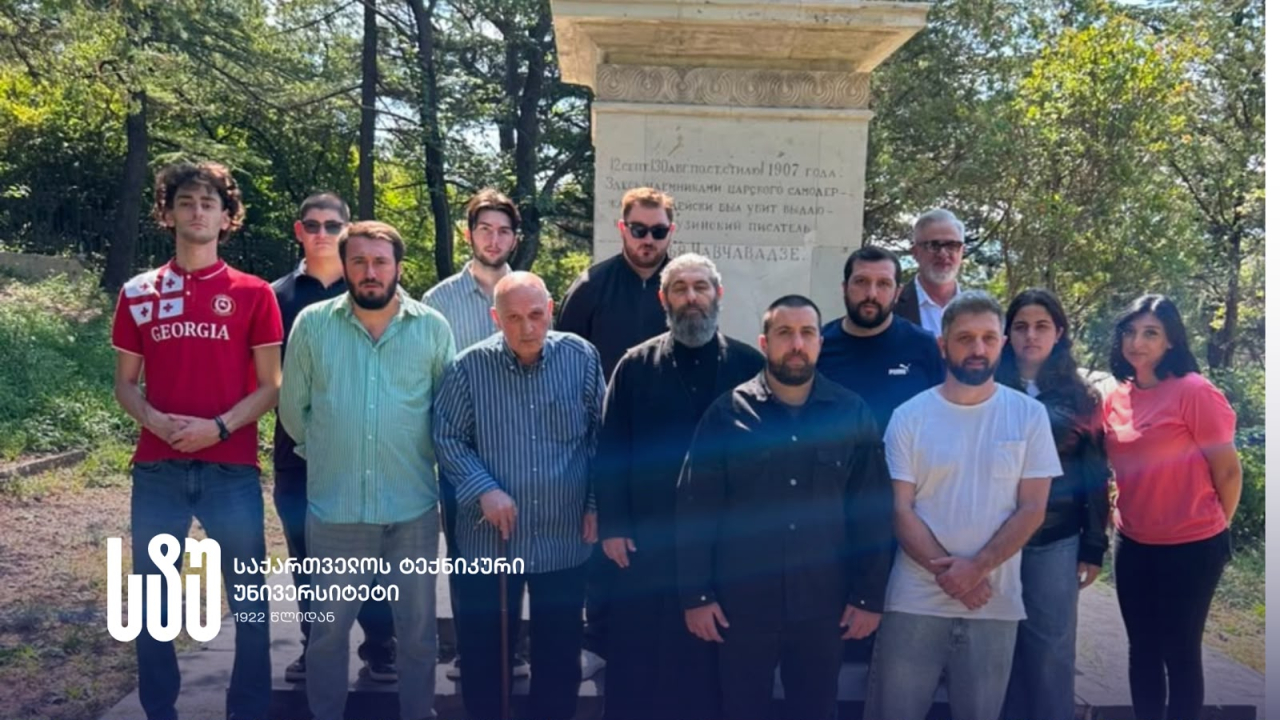
GTU Students Pay Tribute to the Memory of Ilia Chavchavadze
“Ilia’s path is defined by education, national self-awareness, the rule of law, responsibility, and service to one’s country. For this...

News
The GTU Rector expresses condolences to the family and colleagues of Professor Irina Badagadze
On behalf of the university community, the Rector of the Georgian Technical University, Academician David Gurgenidze, expresses his deep sorrow...