Cybersecurity Awareness Event at GTU
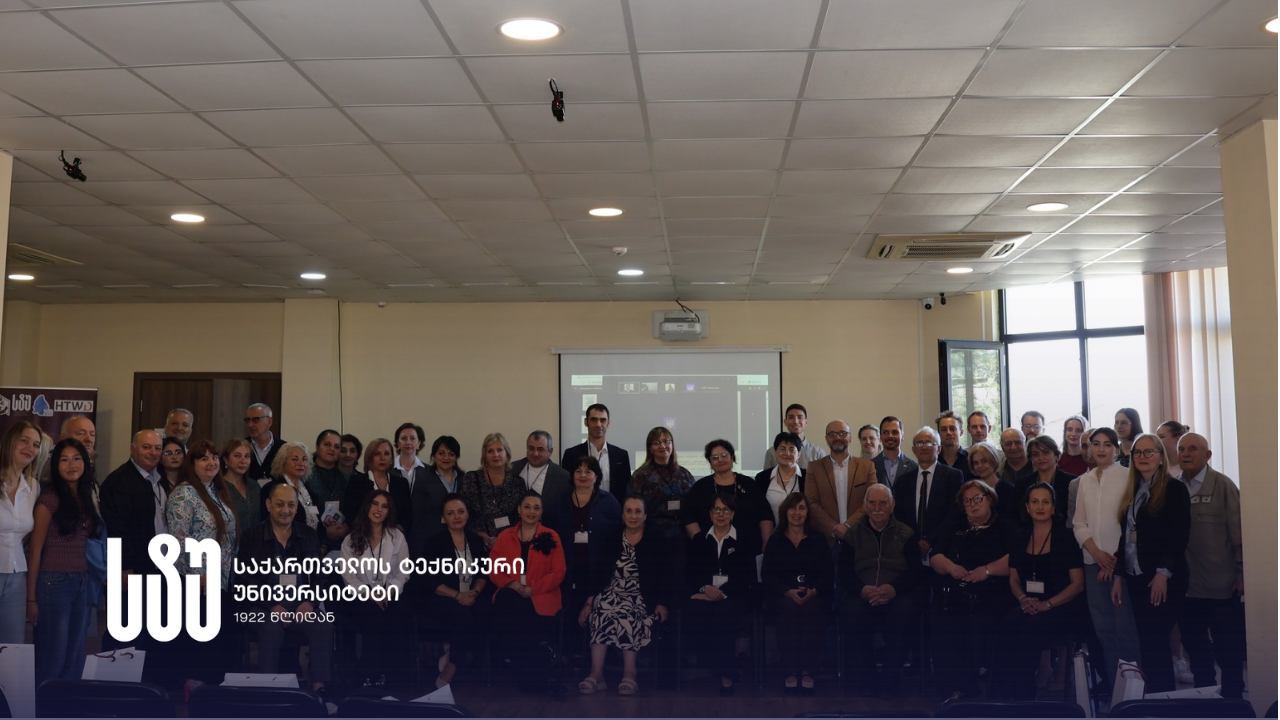
The Faculty of Informatics and Control Systems at Georgian Technical University is participating in a cybersecurity awareness campaign. The event aims to inform students and university staff about modern cyber threats, build practical digital security skills, and strengthen a culture of protecting personal and university information.
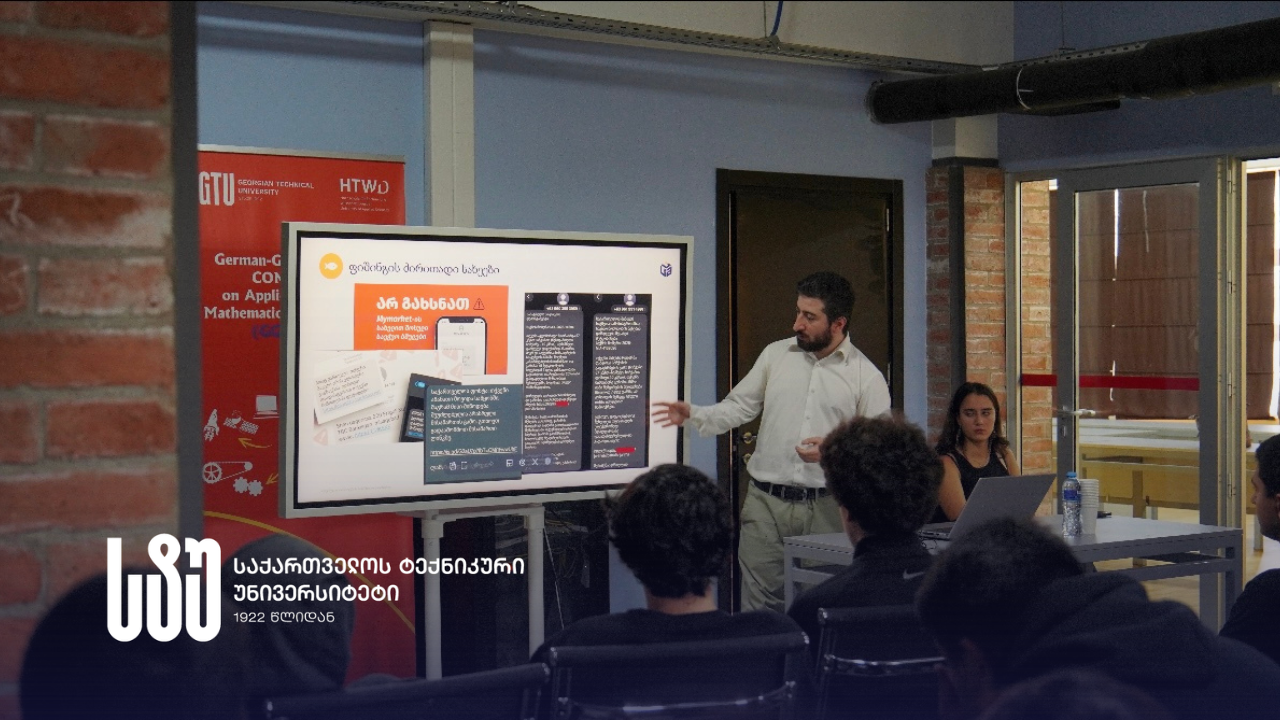
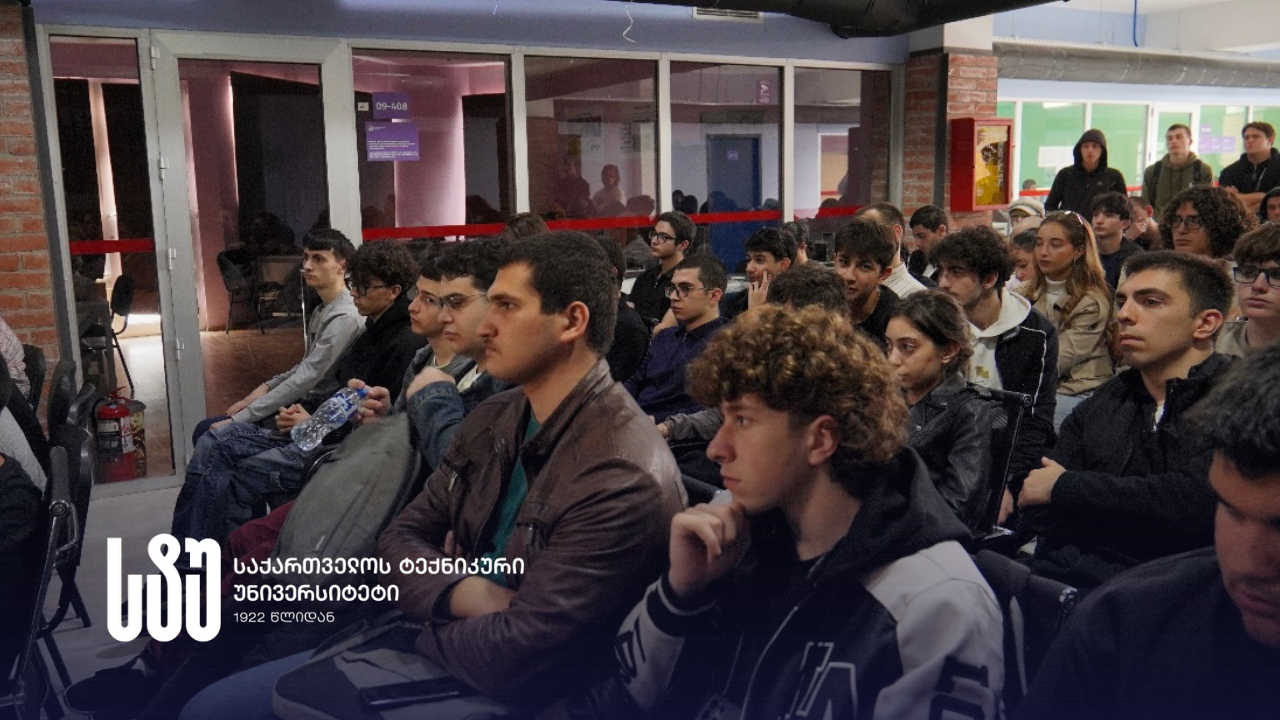
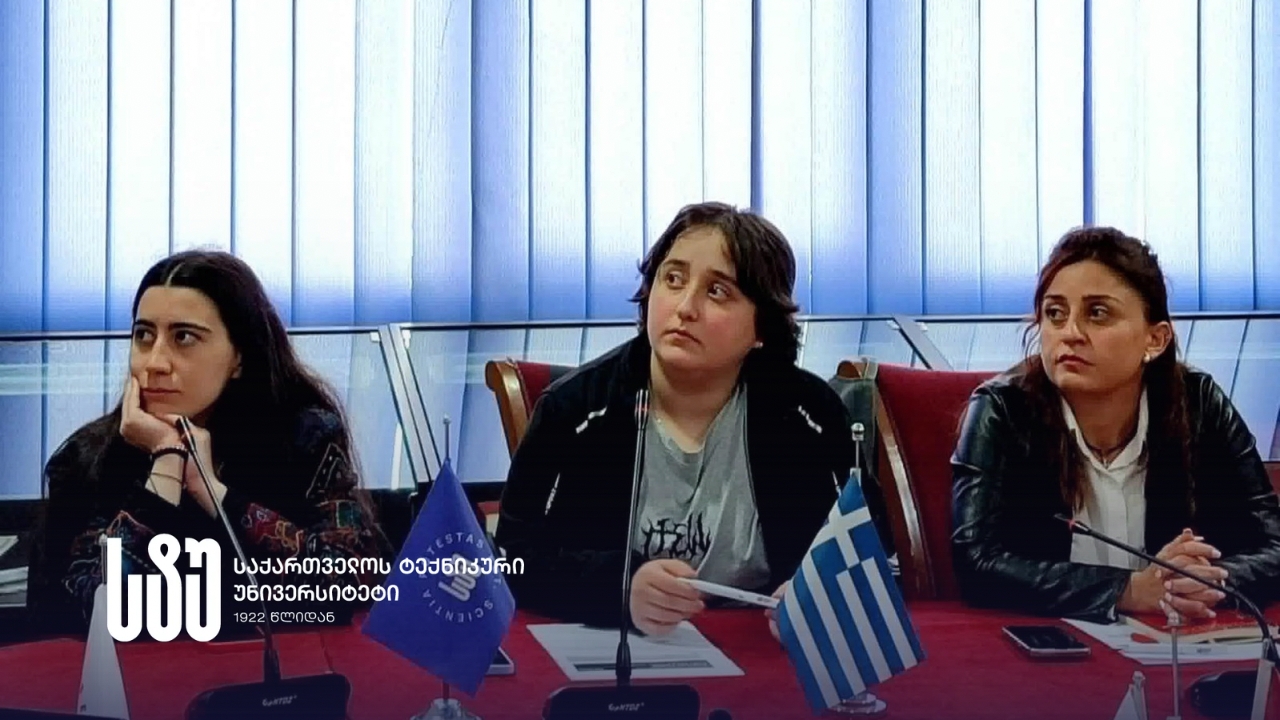
Students from the Faculty of Informatics and Control Systems met with representatives from the Computer Emergency Response Team (CERT) of the Digital Governance Agency’s (DGA) Cybersecurity Department.
They introduced students to current cyber threats, practical information-protection methods, and the fundamental rules of cyber hygiene. The meeting included an educational quiz, and the winners received symbolic prizes.
According to the Dean of the Faculty of Informatics and Control Systems at GTU, cybersecurity includes measures to protect information systems, networks, software, and digital data from unauthorized access, damage, theft, and other cyber threats.
It is founded on ensuring the confidentiality, integrity, and availability of information. As Taliko Zhvania states, cybersecurity is especially important to a modern university because educational and research processes, electronic communication, academic resources, and personal data increasingly depend on digital infrastructure.
As the Dean states, October is Cybersecurity Awareness Month. Under Georgia’s cybersecurity strategy and action plan, the Digital Governance Agency conducts annual educational activities to raise public awareness of cybersecurity issues. Taliko Zhvania said Georgian Technical University participates in this series of events annually.
„Common cyber threats include phishing—attempts to deceive users and steal their data through fake messages—as well as unauthorized account access, malware, and data blocking for ransom. Protection against such threats requires not only technical security mechanisms but also user awareness and responsible behavior. A single vulnerable account or a thoughtless click on a suspicious link can jeopardize both an individual user’s data and the university’s information systems.
Faculty administration, academic staff, and students all play a significant role in ensuring cybersecurity. To protect the university’s digital resources, use strong, unique passwords; enable multi-factor authentication; regularly update software; back up important data; and properly define access rights when sharing information. Also verify suspicious emails, unknown links, and attachments; safeguard university accounts; and immediately notify the responsible parties of any potential cyber incident.
Deepening cybersecurity knowledge will help establish a secure digital environment at the university, protect academic and personal information, and foster responsible digital behavior among students”.
– Professor Taliko Zhvania
Related

News
Meeting with Writer and Translator Archil Javakhadze
The Faculty of Informatics and Control Systems at the Georgian Technical University hosted a meeting with writer and translator Archil...
News
GTU Announces Enrollment in Five Intensive Short-Term Professional Courses under Tbilisi City Hall’s “Study and Get Employed” Programme
A presentation of the final report for the Spring 2026 semester of the project “GTU Professional Training Courses,” implemented under...
News
Discussion at the Georgian Technical University – The Conflicts in Abkhazia and Samachablo through the Lens of History, International Law, and Geopolitics
An academic and student initiative has been launched at the Georgian Technical University – organized and supported by the Faculty...

News
The Scientific Council of the GTU Institute of Structures, Special Systems, and Engineering Support Announces a Competition
The Scientific Council of the Georgian Technical University’s Institute of Structures, Special Systems, and Engineering Support announces an open competition...

News
Special offer from the GTU “Tonus” swimming pool
GTU's swimming pool "Tonus" offers a 50% discount on subscriptions to university students and employees. The discounted subscription is available...

News
TUDA Idea Competition for Local and International Students: “A Neighbourhood Tailored to You!”
The Tbilisi Transport and Urban Development Agency (TUDA) announces the idea competition "A Neighbourhood Tailored to You! – Idea Competition...