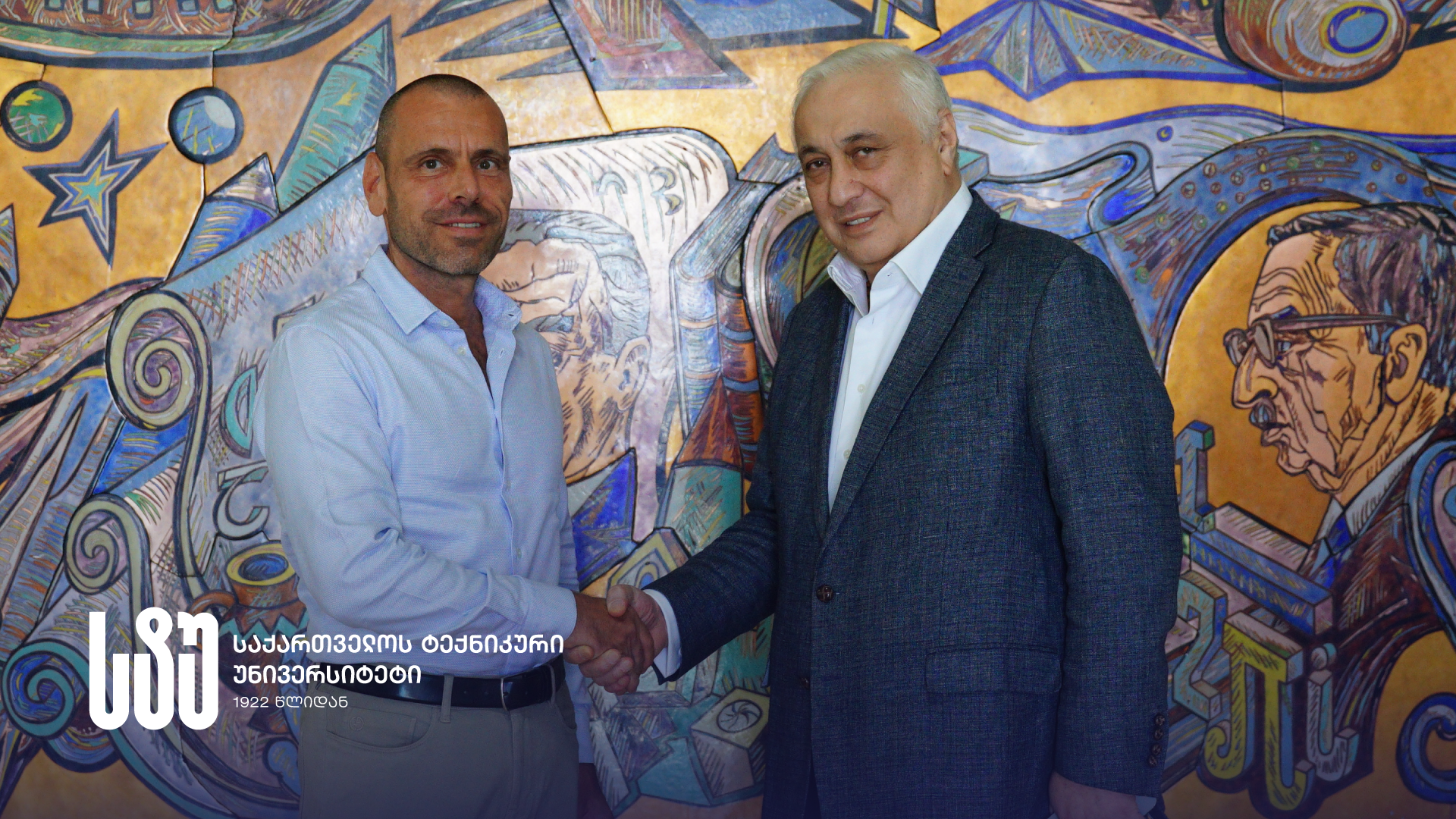
GTU Rector, Academician David Gurgenidze, Met with Professor Roberto Petti, One of the Leaders of the DUNE Experiment
Academician David Gurgenidze, Rector of the Georgian Technical University, met with Professor Roberto Petti of the University of South Carolina, a leader of one of the world’s largest scientific projects—the Deep Underground Neutrino Experiment (DUNE), coordinated by the Fermi National Accelerator Laboratory (Fermilab). Professor Petti serves as the manager of the STT (Straw Tube Tracker) tracking subdetector.
During the meeting, the parties discussed the work carried out by the Georgian Technical University’s scientific group within the framework of the international DUNE collaboration, including the production of straw tubes for the STT tracking subdetector, the results of their testing, and the progress of assembling the super modules. They also discussed opportunities to expand future cooperation with Fermilab, the University of South Carolina, and other leading research centers participating in the DUNE collaboration.
According to the Rector of the Georgian Technical University, Academician David Gurgenidze, participation in international scientific projects is one of the university’s key strategic priorities.
“For the Georgian Technical University, the fact that our scientists and engineers are participating in one of the most significant scientific experiments in the world is of particular importance. DUNE is an experiment that brings together high-energy and particle physics, advanced engineering technologies, and the best practices of international scientific collaboration. Our university’s participation in this project is a recognition of Georgian scientists’ professionalism and the country’s scientific potential. It is especially important that our scientists and engineers are developing technological solutions used in global scientific experiments. The Georgian Technical University aims to further strengthen cooperation with leading research centers worldwide, develop new technological directions, and create more opportunities for students and young researchers. Participation in international projects provides them with unique experience and the opportunity to apply their knowledge to global scientific progress. It is crucial for us that the Georgian Technical University is actively engaged in the international scientific network where the technologies of the future are being developed. Such cooperation contributes not only to the success of individual projects but also to the international integration of Georgian science as a whole.”
– Academician David Gurgenidze
Professor Roberto Petti’s visit once again confirms the important role of the Georgian Technical University in the international scientific community. Today, the university participates in the DUNE collaboration not only as a research partner but also as a center for the development of high-tech detector components, where essential engineering work for modern detector systems is carried out.
DUNE is one of the world’s largest international experiments in neutrino physics. The project brings together leading universities and research institutions from numerous countries to study the properties of neutrinos, investigate the origins of the matter-antimatter asymmetry, and advance our understanding of the fundamental laws of the universe.
One of the key components of the experiment is the SAND (System for on-Axis Neutrino Detection) detector system, which includes the STT (Straw Tube Tracker) tracking subdetector. The scientific group of the Georgian Technical University is actively involved in this area. The purpose of the STT system is to reconstruct, with high precision, the trajectories of charged particles produced during neutrino interactions, which is essential for the reliability and accuracy of the experiment’s scientific results.
The Georgian Technical University’s participation in the DUNE experiment is built on the many years of experience of its scientists and engineers in the fields of high-energy physics and detector technologies. Georgian researchers have previously contributed to major international experiments, including the COMET experiment, where the expertise they gained became an important foundation for the development of a new generation of straw tube technologies.
Within the framework of DUNE, the Georgian Technical University has been entrusted with one of the project’s key technological responsibilities – the development of the straw tube production process, quality assurance, testing, and the assembly of super modules. To support this work, the university has established specialized infrastructure that combines advanced research and manufacturing capabilities.
The production of straw tubes requires exceptional technological precision, as these detector components must meet stringent international standards. Scientists and engineers at the Georgian Technical University have developed and implemented the technological processes necessary to ensure the highest quality, reliability, and long-term performance of these components.
The direction developed at the university includes not only the manufacture of straw tubes, but also include comprehensive testing and preparation for their integration into detector systems. The successful development of these capabilities has earned the Georgian Technical University the confidence of its international partners.
The university’s participation in the DUNE experiment is another testament to the scientific potential, innovative capabilities, and growing international reputation of the Georgian Technical University. It demonstrates how a Georgian engineering university can make a meaningful contribution to global scientific progress through its experience, infrastructure, and technological achievements.
Related
News
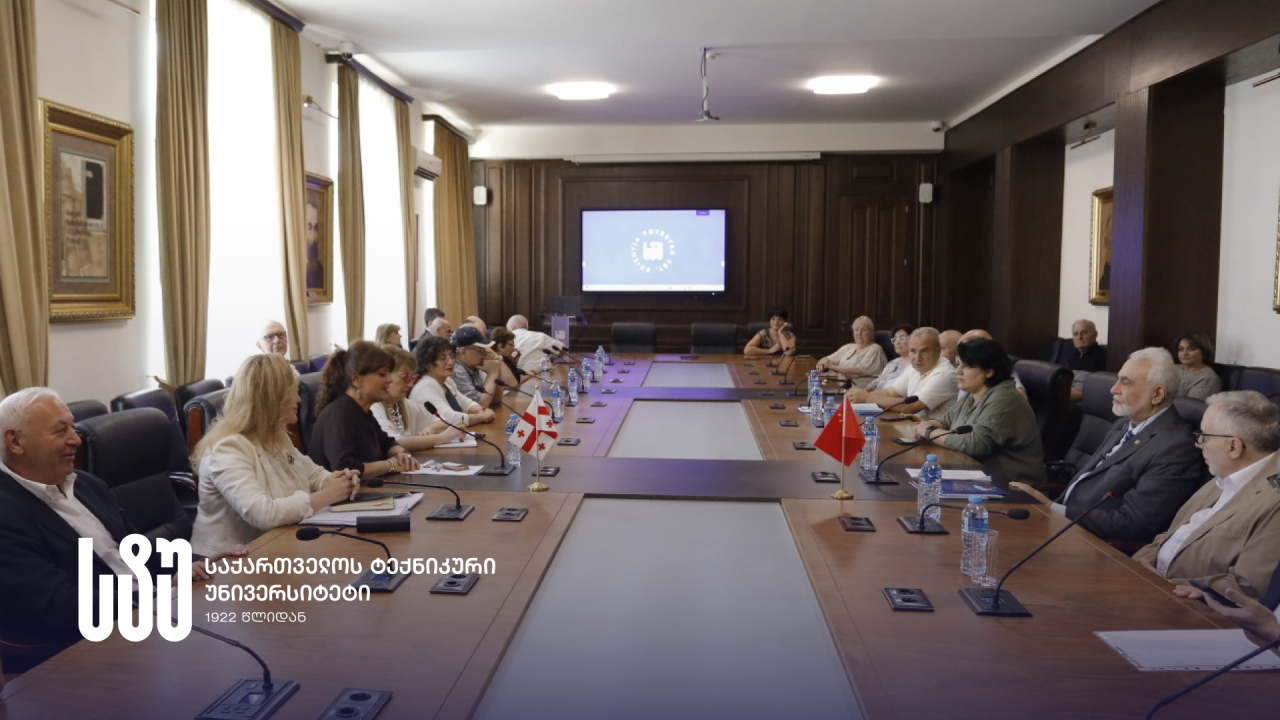
Visit of the President of the Asian Academy of Sciences to GTU
Vice-Rector of the Georgian Technical University, Professor Tamar Lominadze met with the President of the Asian Academy of Sciences (AASc,...
International Visits
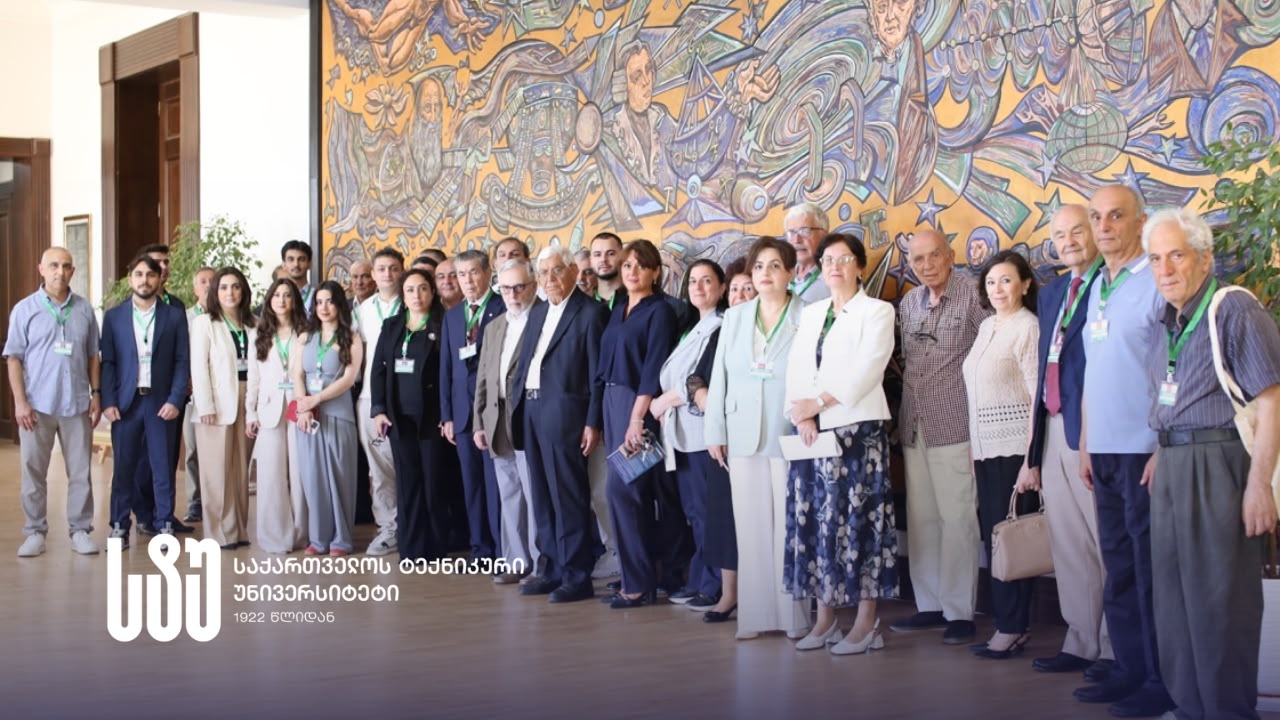
International Scientific Conference ICSCCW-2026 at GTU
"Hosting an international scientific conference is of particular importance to Georgian Technical University. The event brings together leading scientists and...
International Visits
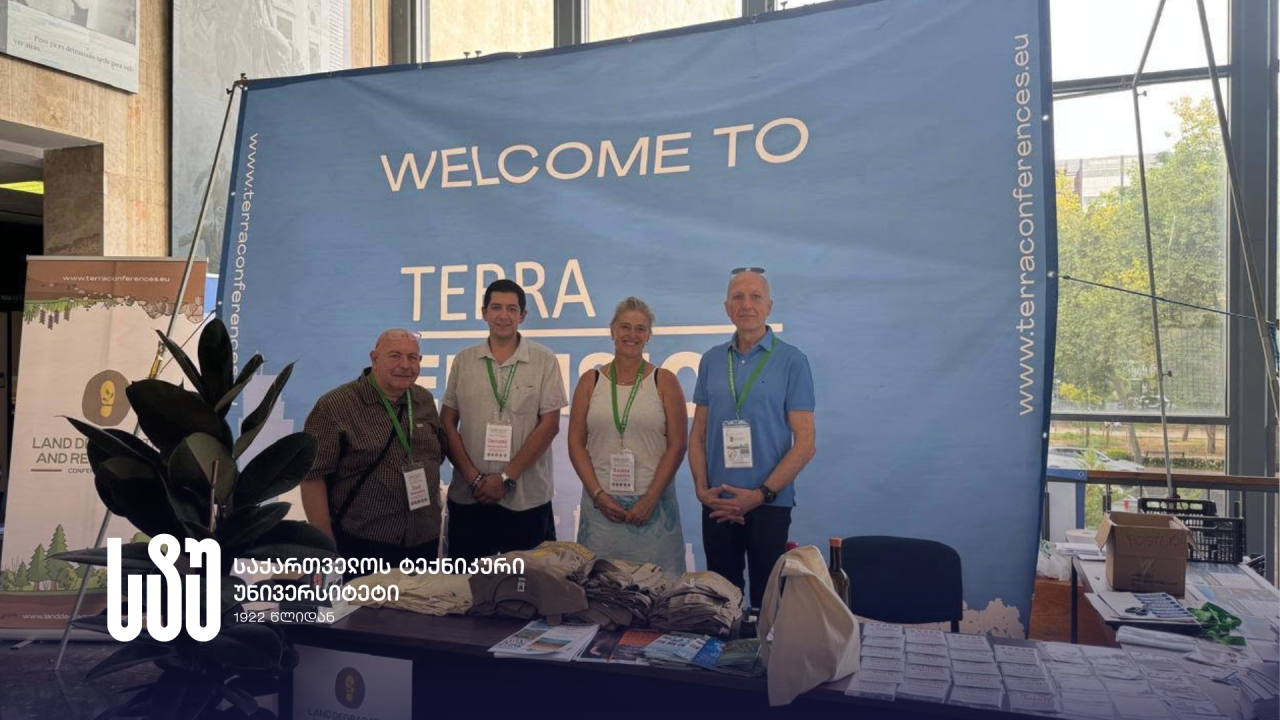
GTU Scientists Participate in International Conference at the University of Valencia
A delegation of scientists from the Faculty of Construction of the Georgian Technical University, comprising Professors Irma Inashvili and Zaal...
International Visits
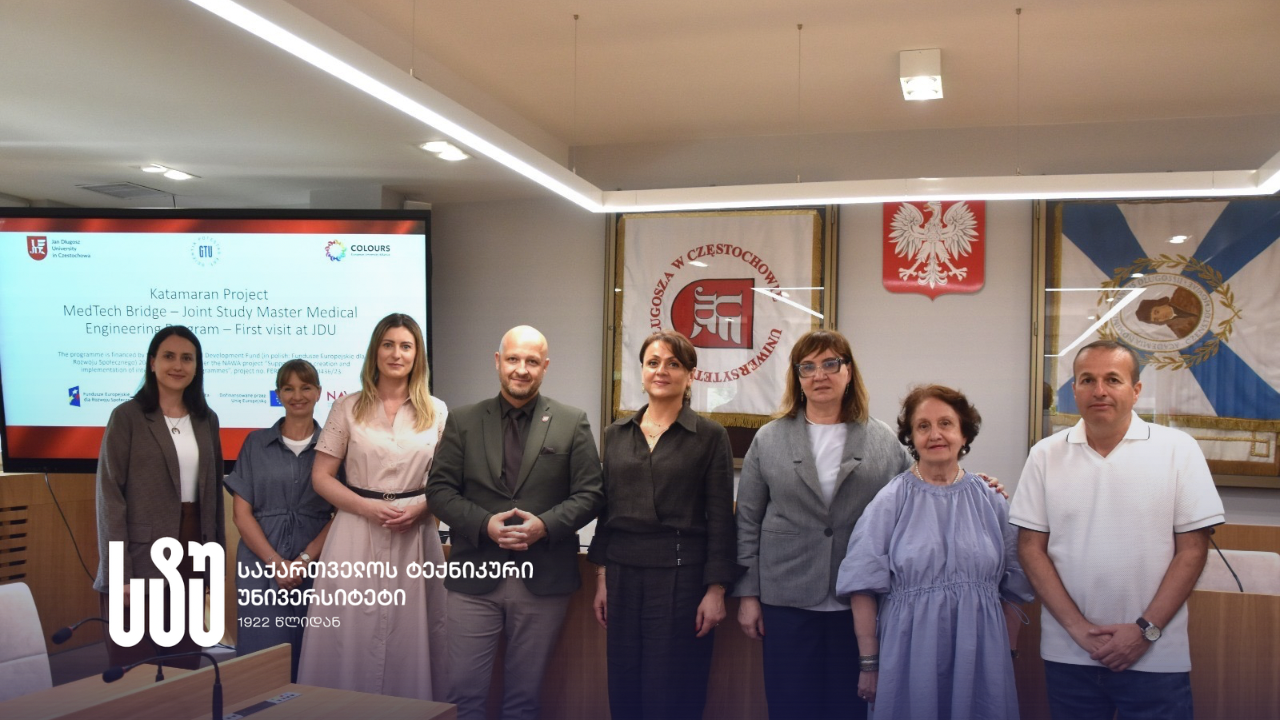
GTU delegation held a working visit to Jan Dlugosz University in Poland within the framework of the KATAMARAN – MedTech Bridge project
With the active participation of the Georgian Technical University delegation, working meetings were held at Jan Długosz University in Częstochowa,...
News
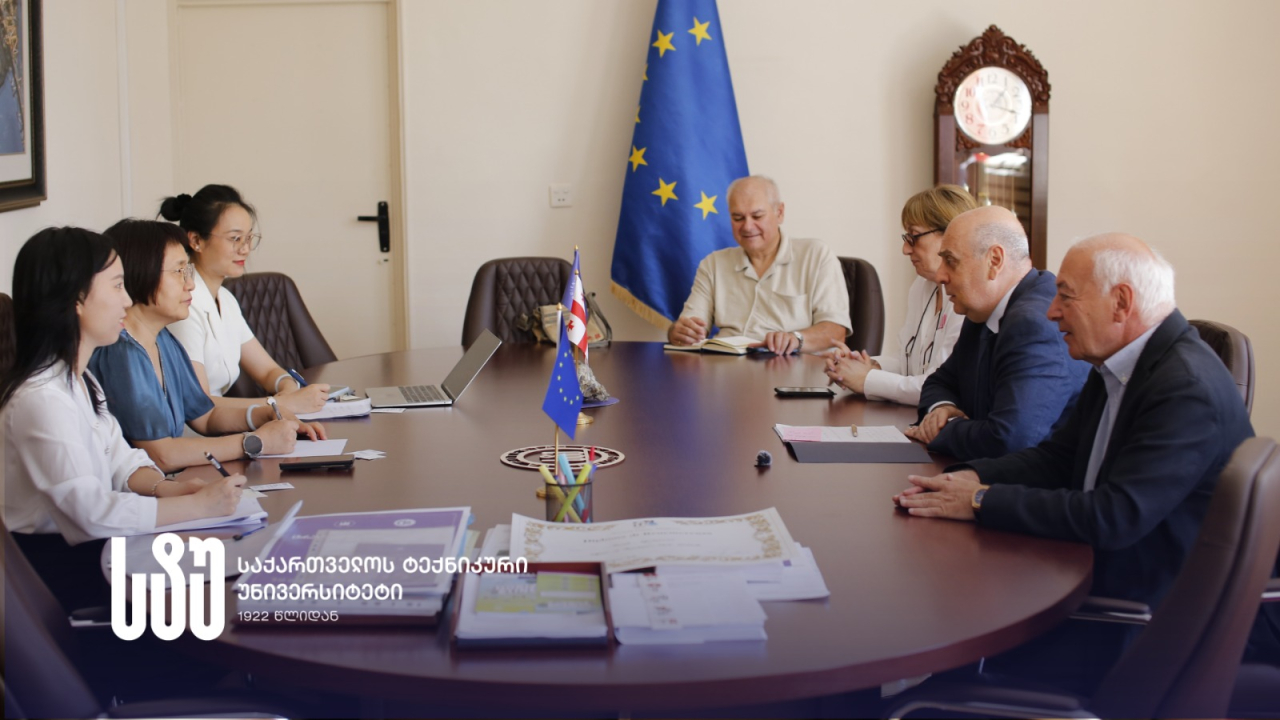
Meeting Held at GTU with a Delegation from Northwest Agricultural and Forestry University of China
A meeting with a delegation from Northwest Agricultural and Forestry University of China (Shenzhen, China) was held at the Georgian...
News
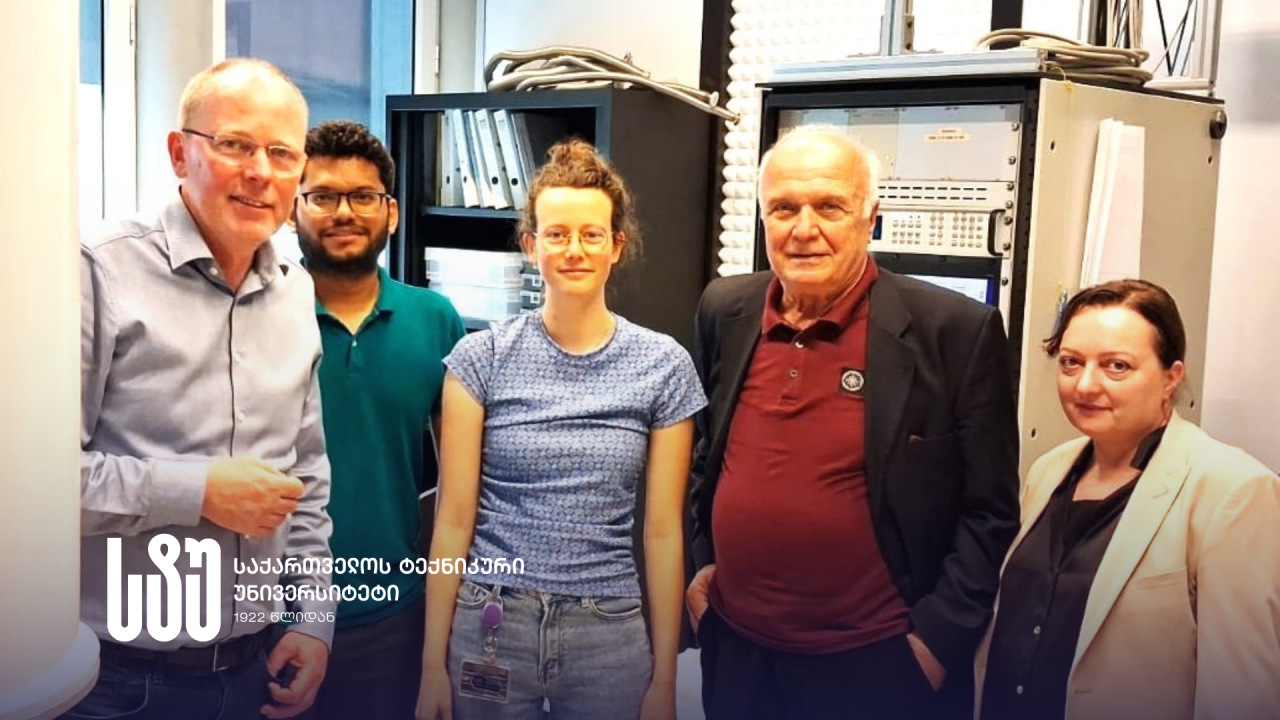
GTU Researchers were on a working visit to the University of Twente
A group of researchers from the Department of Engineering Physics at the Georgian Technical University, consisting of Professor Paata Kervalishvili...