GTU and BSU Students Participate in Joint Online Laboratory Training
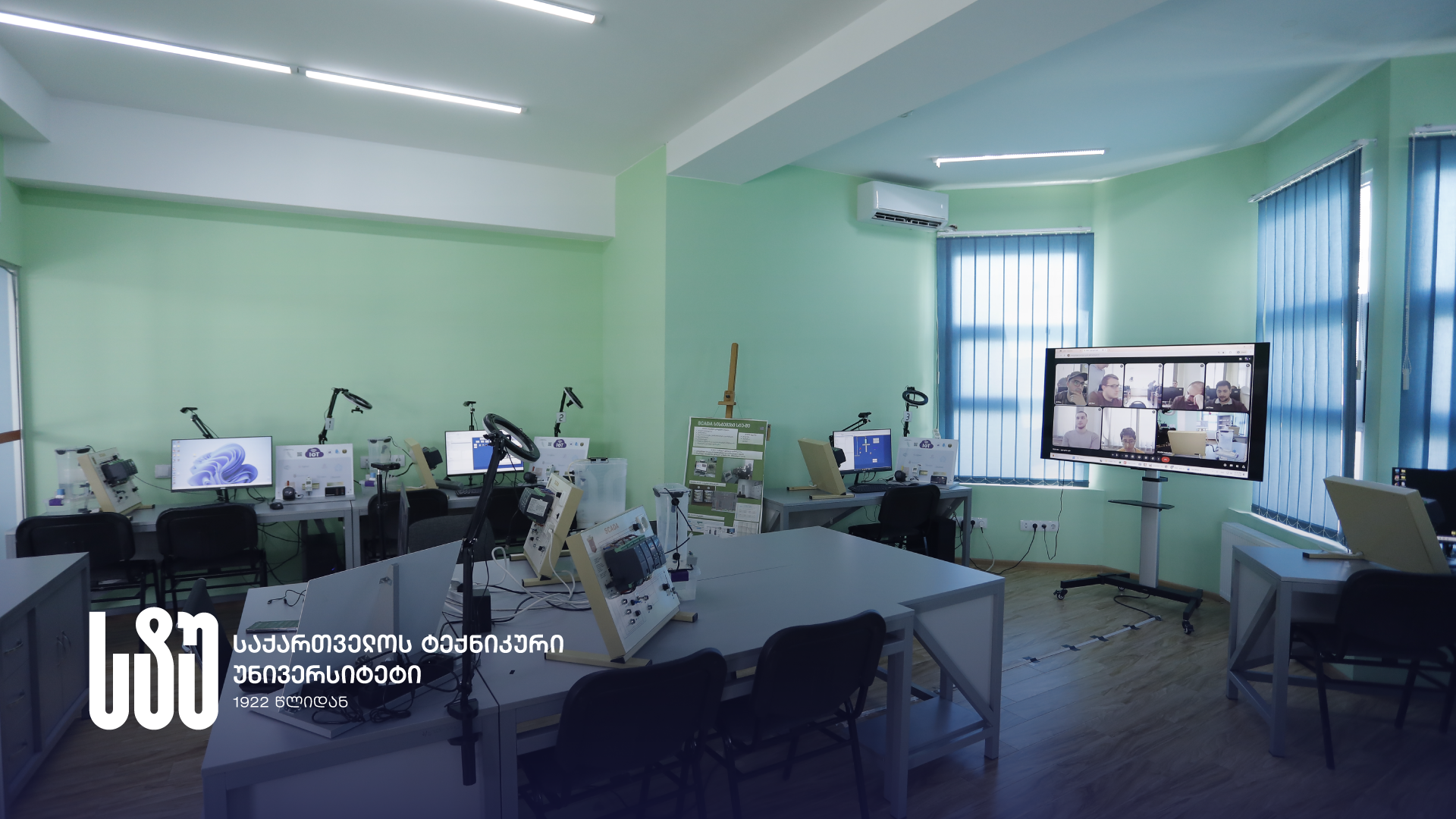
Students of Batumi Shota Rustaveli State University (BSU) are participating in a modern laboratory training program at the Zhiuli Shartava Technical and Technological Educational and Research Laboratory Complex of the Faculty of Informatics and Control Systems at Georgian Technical University. As part of the educational and practical components of their studies, BSU students join GTU students in online laboratory sessions, enabling them to acquire modern technological knowledge, practical skills, and competencies essential to engineering disciplines.
The cooperation between GTU and BSU aims to promote the effective sharing of educational resources, expand access to high-quality practical training, and integrate modern educational technologies into the learning process. According to GTU Vice-Rector Professor Tamar Tsereteli, the laboratory complex’s advanced infrastructure and technical capabilities enable students to participate in experiments in real time, observe technological processes, complete practical assignments, and receive guidance from academic staff.
Professor Tamar Tsereteli noted that the online laboratory format contributes to both deepening theoretical knowledge and developing practical competencies. She also emphasized that the initiative strengthens cooperation among Georgian universities, creates additional opportunities for sharing experience, and supports the professional development of students in the fields of engineering and information technologies.
“This project is an excellent example of introducing innovative approaches in higher education. It enables students to receive a unified, high-quality practical education and engage with modern technological processes regardless of geographical distance. Such a teaching format is particularly important in the era of digital transformation, when distance-learning platforms and remote laboratory systems have become essential tools for ensuring educational accessibility and effectiveness. Distance engineering education helps students develop key competencies, including independent work, effective use of digital technologies, remote communication, data analysis, and collaboration in networked environments.
These skills are among the most important requirements of the modern engineering profession. The growing relevance of distance engineering education is driven by the need to expand access to education, meet the demands of contemporary industry, encourage resource sharing among universities, strengthen international cooperation, and develop digital competencies among future engineers. The relevance of distance engineering education is driven by both modern technological development trends and the need to increase the accessibility and flexibility of higher education. Today’s engineering activities increasingly rely on remote monitoring, automated control systems, cloud-based services, and cyber-physical systems. Consequently, the education of future engineers requires learning environments that accurately reflect the realities of modern industrial practice.”
– Professor Tamar Tsereteli
According to Professor Levan Imnaishvili of the Faculty of Informatics and Control Systems at GTU, distance engineering education is developing rapidly worldwide, although its implementation differs depending on the balance between theoretical and practical components. While fully online programs are common in fields such as business, information technology, and the humanities, engineering education has traditionally adopted distance learning more cautiously due to its strong reliance on laboratory and hands-on activities.
“Although distance learning is more challenging to implement in engineering disciplines, leading universities around the world have significantly expanded their use of distance and hybrid engineering programs in recent years. Today, elements of distance engineering education are incorporated into educational systems across most developed countries. The growing demand for distance learning inspired the CIF grant project Joint Development and Implementation of Engineering Educational Programs Using Remote Laboratories, which was carried out by a consortium consisting of Georgian Technical University, Batumi Shota Rustaveli State University, and Iakob Gogebashvili Telavi State University. One of the project’s most significant achievements, alongside the development of new educational programs, was the creation of technology that enables remote laboratory experimentation.
This technology has allowed students from regional universities to access the extensive capabilities of the IT laboratories of GTU’s Faculty of Informatics and Control Systems. Students enrolled in the Computer Science program at Batumi Shota Rustaveli State University showed particular interest in working with advanced technologies, especially SCADA and IoT systems. Their enthusiasm has been so strong that they continue to conduct remote experiments in our IT laboratory even today. GTU has rich laboratory resources. Looking ahead, the implemented technology will allow Georgian Technical University to further expand access to education regardless of students’ geographical location, making learning more accessible and convenient. It will also support students who need to balance employment and academic responsibilities, facilitate the sharing of laboratory resources with other universities, encourage the wider adoption of hybrid learning models, and enable the introduction of distance consultation hours.”
– Professor Levan Imnaishvili
Related
Student Activities
Students of the GTU Faculty of Mining Geology and Sustainable Mountain Development participate in the “RMG” Summer School
“Participation in the “RMG” Summer School is a particularly important opportunity for students of the Faculty of Mining Geology and...
News
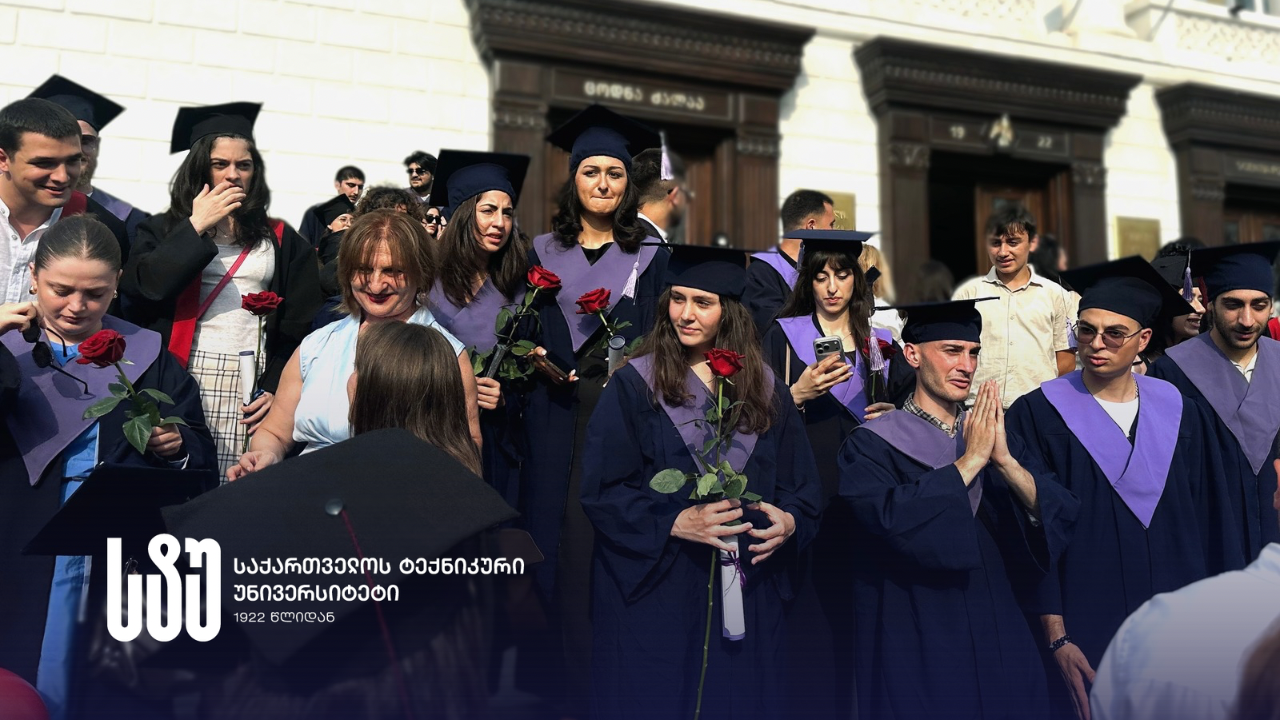
Graduation Ceremony Held at the Faculty of Business Technologies
A graduation ceremony was held at the Faculty of Business Technologies of the Georgian Technical University for the Class of...
Student Activities
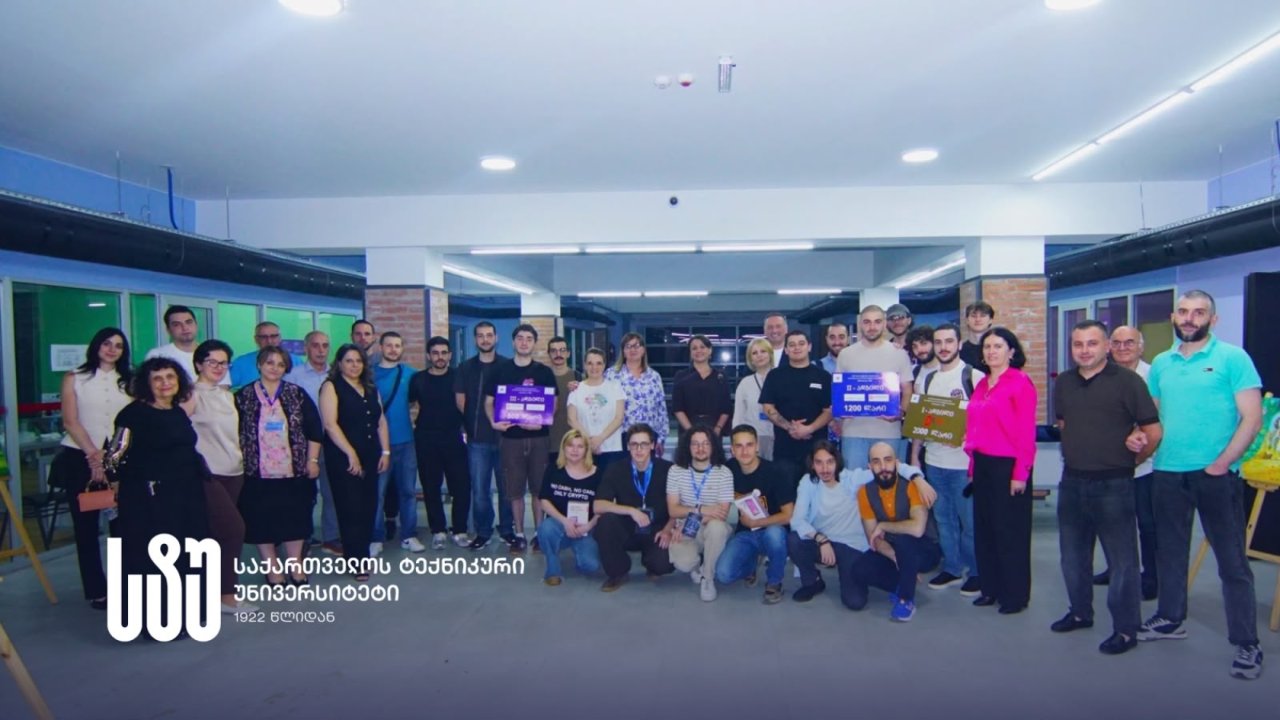
AI Hackathon – “BrainHack-AI 2026” Held at the Faculty of Informatics and Control Systems
The Faculty of Informatics and Control Systems of the Georgian Technical University hosted the large-scale artificial intelligence hackathon “BrainHack-AI 2026.”...
Student Activities
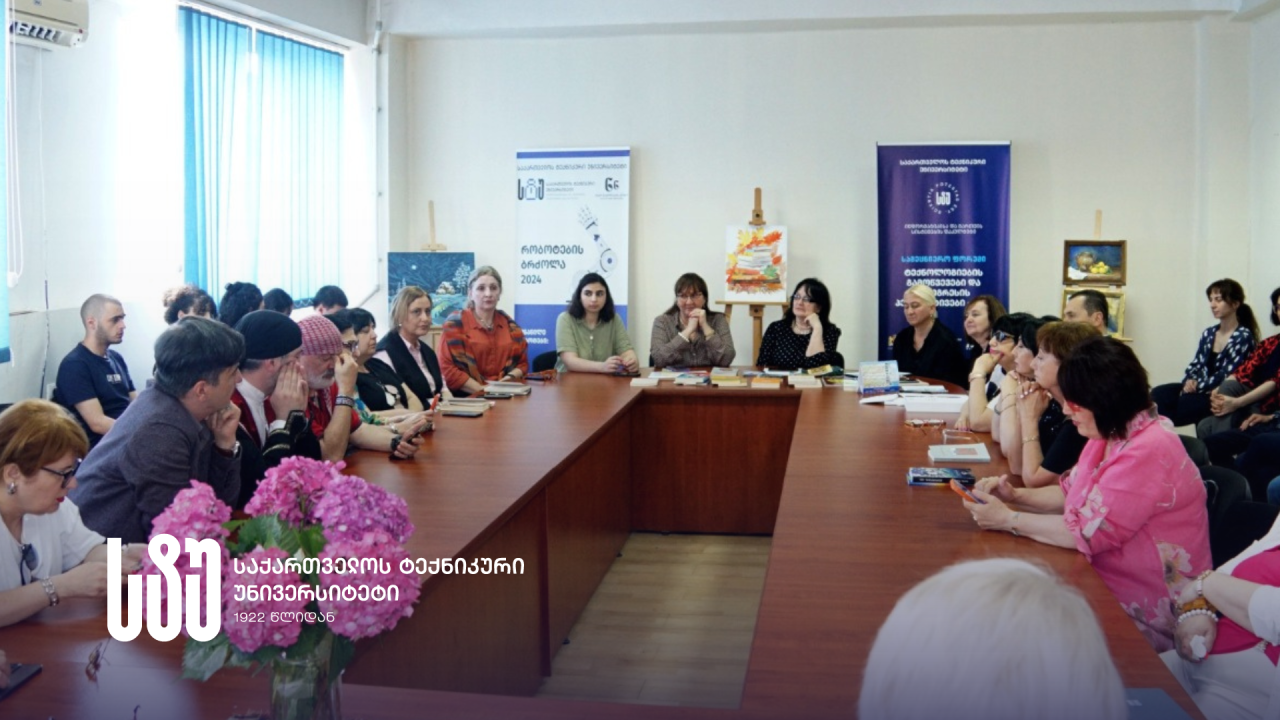
Educational and cultural event within the framework of “Bloomsday 2026” at GTU
The Faculty of Informatics and Control Systems of the Georgian Technical University, at the initiative of the Georgian-Irish Center, held...

Student Activities
“Georgian Technical University Is a Family Where Everyone Supports Each Other” – GTU Student
“When I was choosing a university, it was important for me to find a field of study that would allow...

Student Activities
GTU Yuza Kublashvili Boys’ Folk Choir Celebrates its Anniversary
The Yuza Kublashvili Boys’ Folk Choir of Georgian Technical University, a distinguished ensemble and laureate of numerous national and international...