GTU Student Conducts Biostratigraphic Study of Upper Cretaceous Sediments in Racha
A fourth-year student of the Faculty of Mining Geology and Sustainable Mountain Development of the Georgian Technical University conducted a field geological survey in Racha.
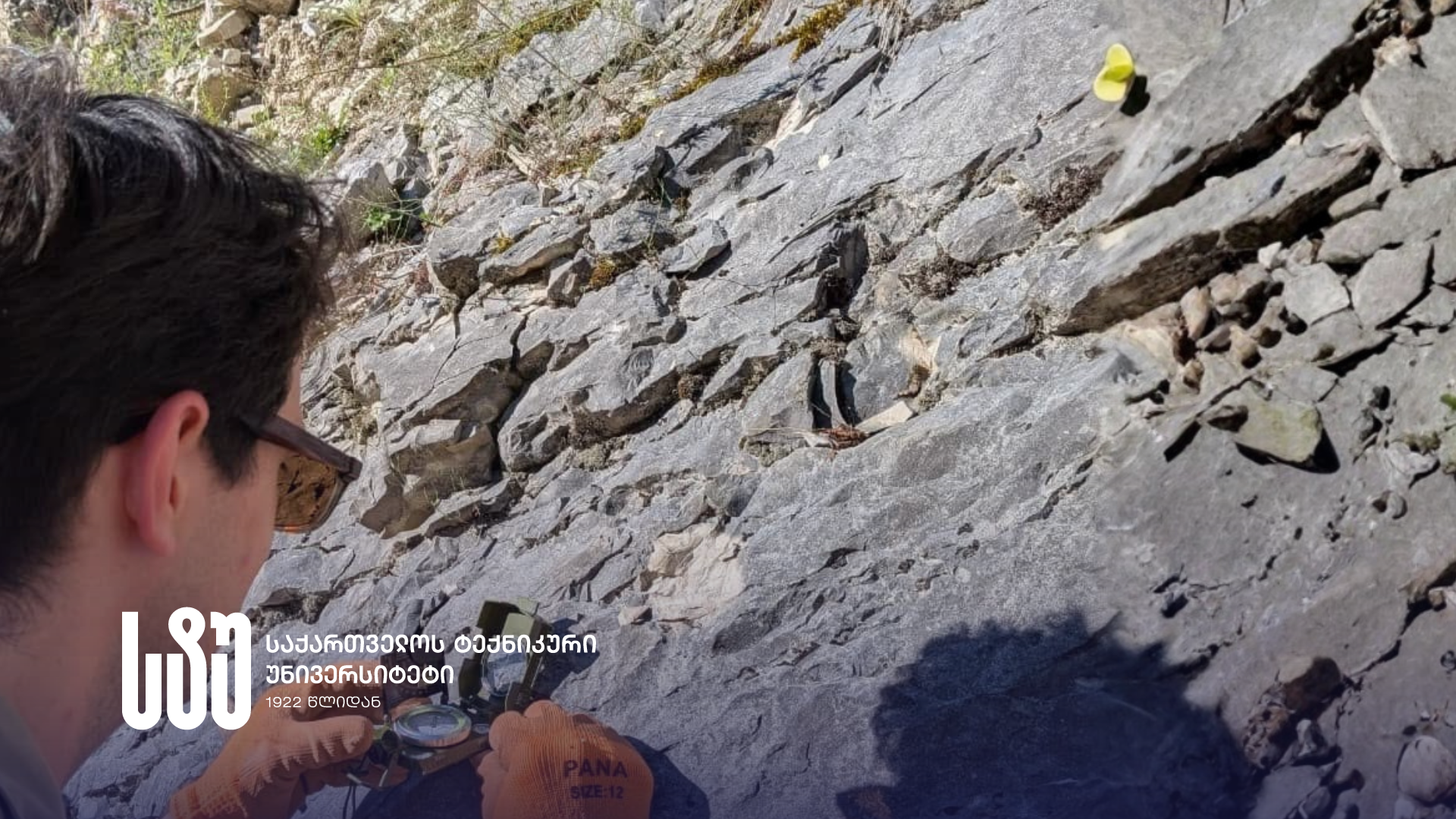
GTU student Rati Rachvelishvili conducted the research project “Biostratigraphic Study of Upper Cretaceous Sediments in the Racha Region (Surroundings of Krichi)” near the village of Krichi, Ambrolauri Municipality. He carried out the research with funding awarded after winning a scientific conference organized by the Department of Geology.
Professor Noe Khozrevanidze, Dean of the Faculty of Mining Geology and Sustainable Mountain Development of GTU, notes that according to Gamkrelidze’s scheme of tectonic regionalization, the area explored by Rati Rachvelishvili belongs to the Racha Subsidence Subzone of the Gagra-Java Zone and, based on its facies complexes, to the Abkhazia-Racha structural-facies type.
Professor Noe Khozrevanidze emphasizes that the geological section is represented by carbonate sediments, including light-gray, white, and yellowish limestones and marls.
“The importance of such studies, first and foremost, lies in the fact that students are given the opportunity to apply the theoretical knowledge acquired at the university directly in field conditions. The research conducted by Rati Rachvelishvili is important not only from an educational and practical point of view, but also for a better understanding of the geological structure of the region and its Upper Cretaceous sediments. The Racha region is particularly interesting from a geological point of view; studying the rocks and sediments, their faunal composition, and stratigraphic characteristics allows us to reconstruct the history of the region’s geological development more fully.
Of particular importance is the fact that the research was carried out as part of the student’s independent scientific work. Such projects contribute to the professional development of young geologists, the development of research skills, and preparation for larger-scale scientific work in the future. Our goal is to provide students with the opportunity to work in a real geological environment, explore interesting geological objects, and present their findings to the scientific community.”
– Professor Noe Khozrevanidze
According to Rati Rachvelishvili, a student of the Faculty of Mining Geology and Sustainable Mountain Development, during the fieldwork, the research section was documented in detail, GPS coordinates were recorded, and photographs were taken.
“The scientific goal of the research is to identify and study the microfauna in detail based on the material collected during the fieldwork under laboratory conditions. The ultimate goal is to carry out a detailed biostratigraphic division of the section and identify zonal units, reconstruct the paleogeographic and paleoclimatic characteristics of the region, and assess the scientific, educational, and geotourism potential (geoheritage) of the site. I would like to emphasize that the fieldwork creates a solid foundation for further, larger-scale, and targeted studies of Cretaceous sediments in the Racha region.”
– Student Rati Rachvelishvili
Related
Student Activities
GTU Students and Professors Visit the Diocese of Akhalkalaki and Kumurdo
Students and professors of the Architecture Educational Program of the Faculty of Architecture, Urbanism and Design, together with representatives of...
Student Activities
Students of the GTU Faculty of Mining Geology and Sustainable Mountain Development participate in the “RMG” Summer School
“Participation in the “RMG” Summer School is a particularly important opportunity for students of the Faculty of Mining Geology and...
News
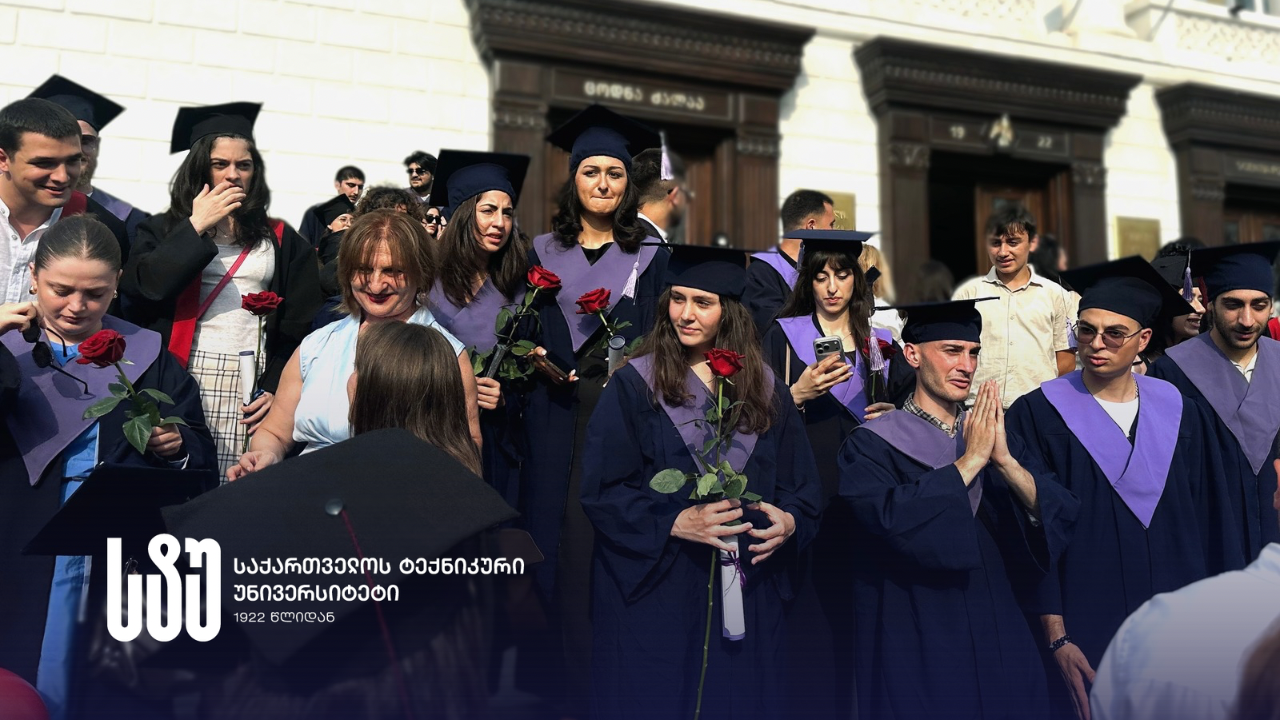
Graduation Ceremony Held at the Faculty of Business Technologies
A graduation ceremony was held at the Faculty of Business Technologies of the Georgian Technical University for the Class of...
Student Activities
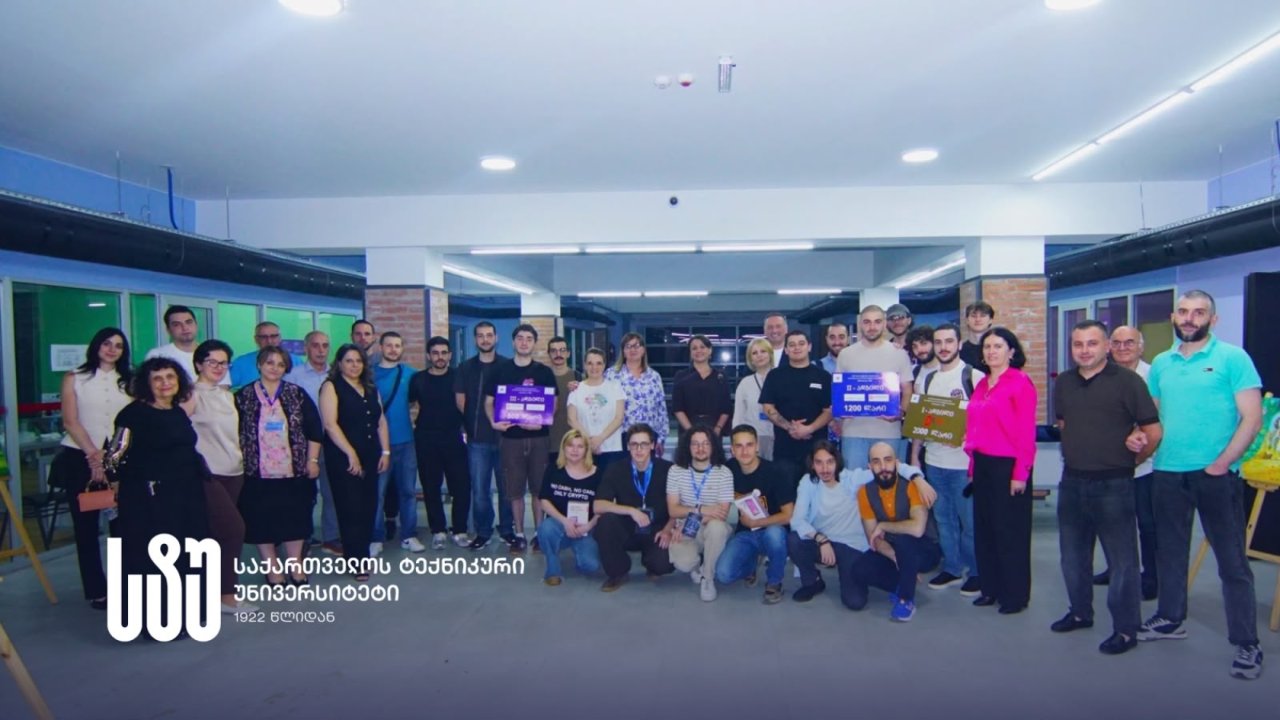
AI Hackathon – “BrainHack-AI 2026” Held at the Faculty of Informatics and Control Systems
The Faculty of Informatics and Control Systems of the Georgian Technical University hosted the large-scale artificial intelligence hackathon “BrainHack-AI 2026.”...
Student Activities
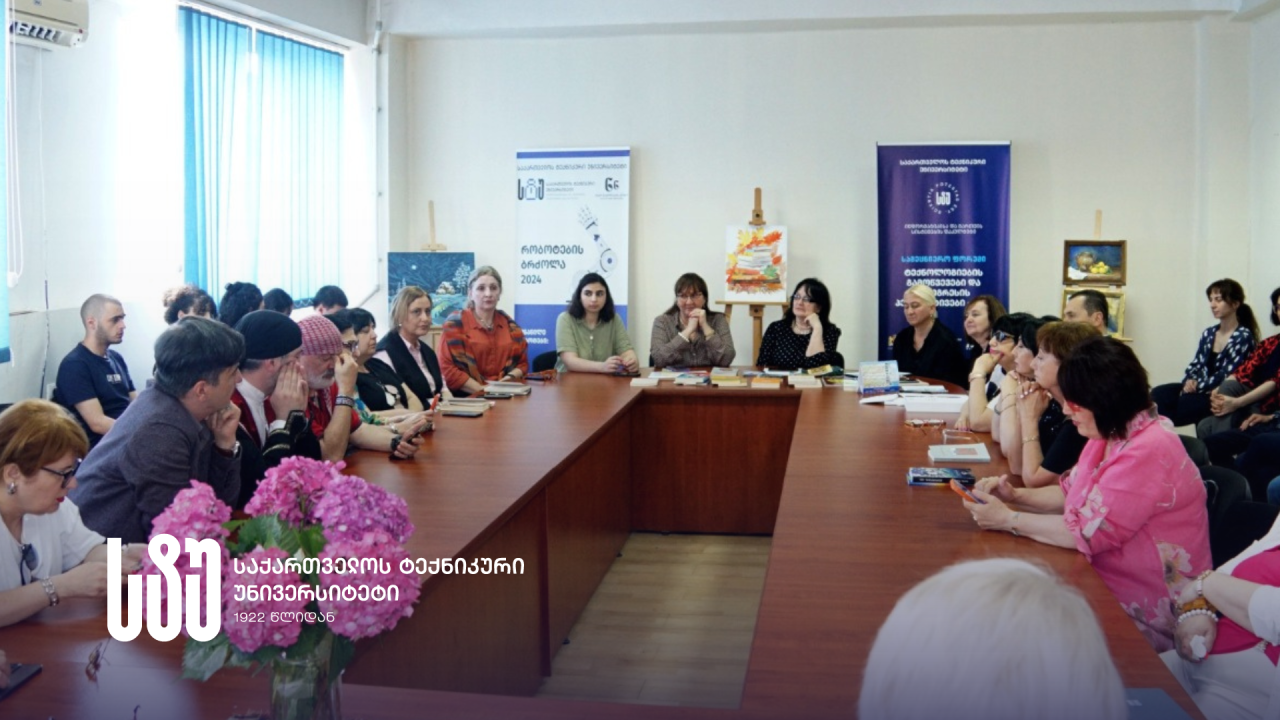
Educational and cultural event within the framework of “Bloomsday 2026” at GTU
The Faculty of Informatics and Control Systems of the Georgian Technical University, at the initiative of the Georgian-Irish Center, held...

Student Activities
“Georgian Technical University Is a Family Where Everyone Supports Each Other” – GTU Student
“When I was choosing a university, it was important for me to find a field of study that would allow...