
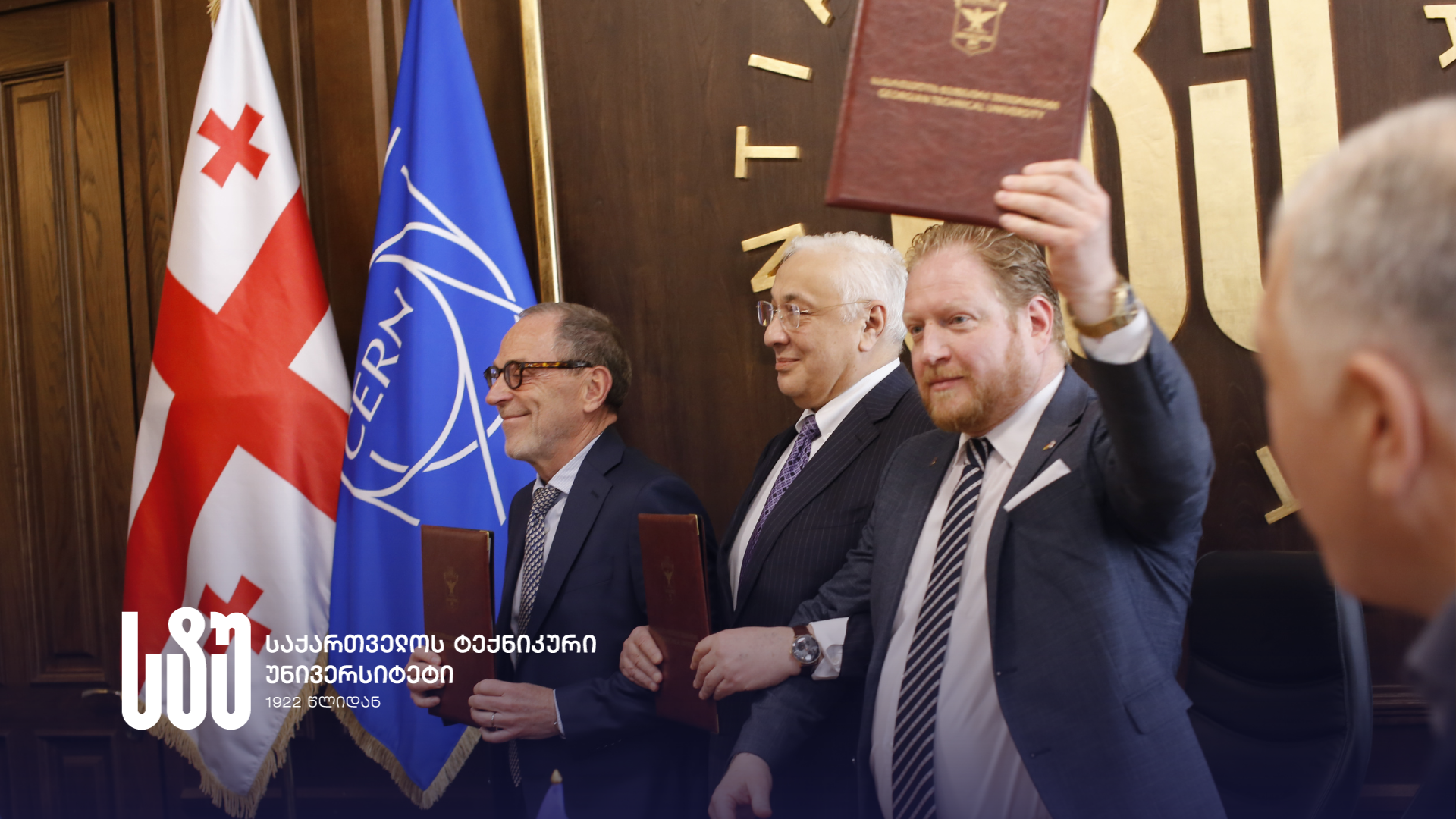
A New Memorandum of Cooperation with CERN’s SHIP Collaboration Signed at GTU
“In the context of the modern fundamental science development, the expansion of such institutional cooperation is of particular importance, which ensures the development of the most important innovative research practices in the global scientific space. It is in this context that the latest historical event, which we witnessed at the Georgian Technical University, related to the further deepening of scientific research cooperation with CERN, should be evaluated from a scientific point of view. Georgian scientists and engineers are joining the SHiP collaboration’s international research initiative, which focuses on identifying particles of the so-called hidden sector and studying their physical properties. This direction is one of the most important and intensively developing areas of modern high-energy and particle physics – with a radical expansion of knowledge about the structure of the universe,” – said the GTU Rector, Academician David Gurgenidze, who made the following statement at the signing ceremony of the Memorandum with the European Organization for Nuclear Research (CERN) SHiP Collaboration.
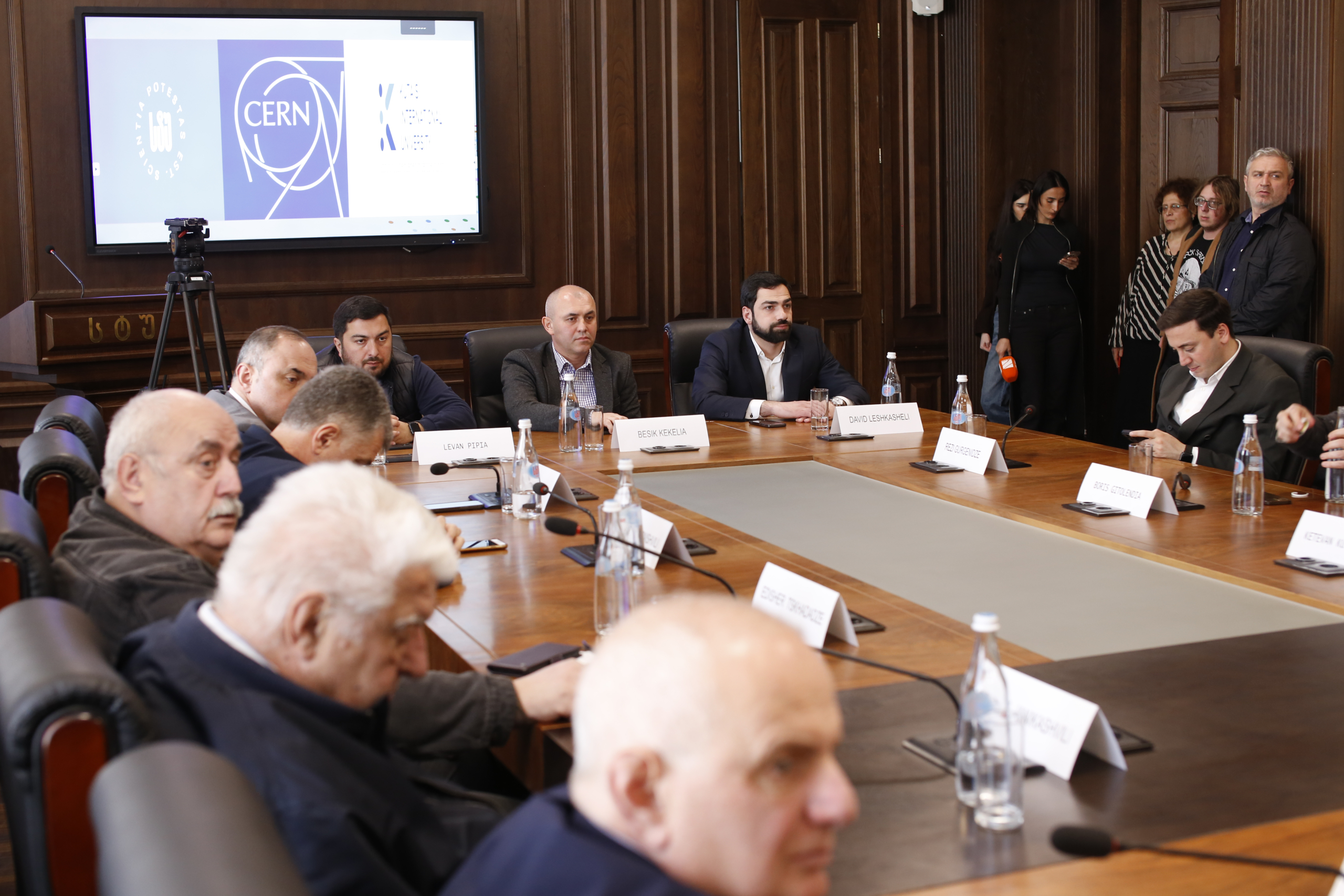
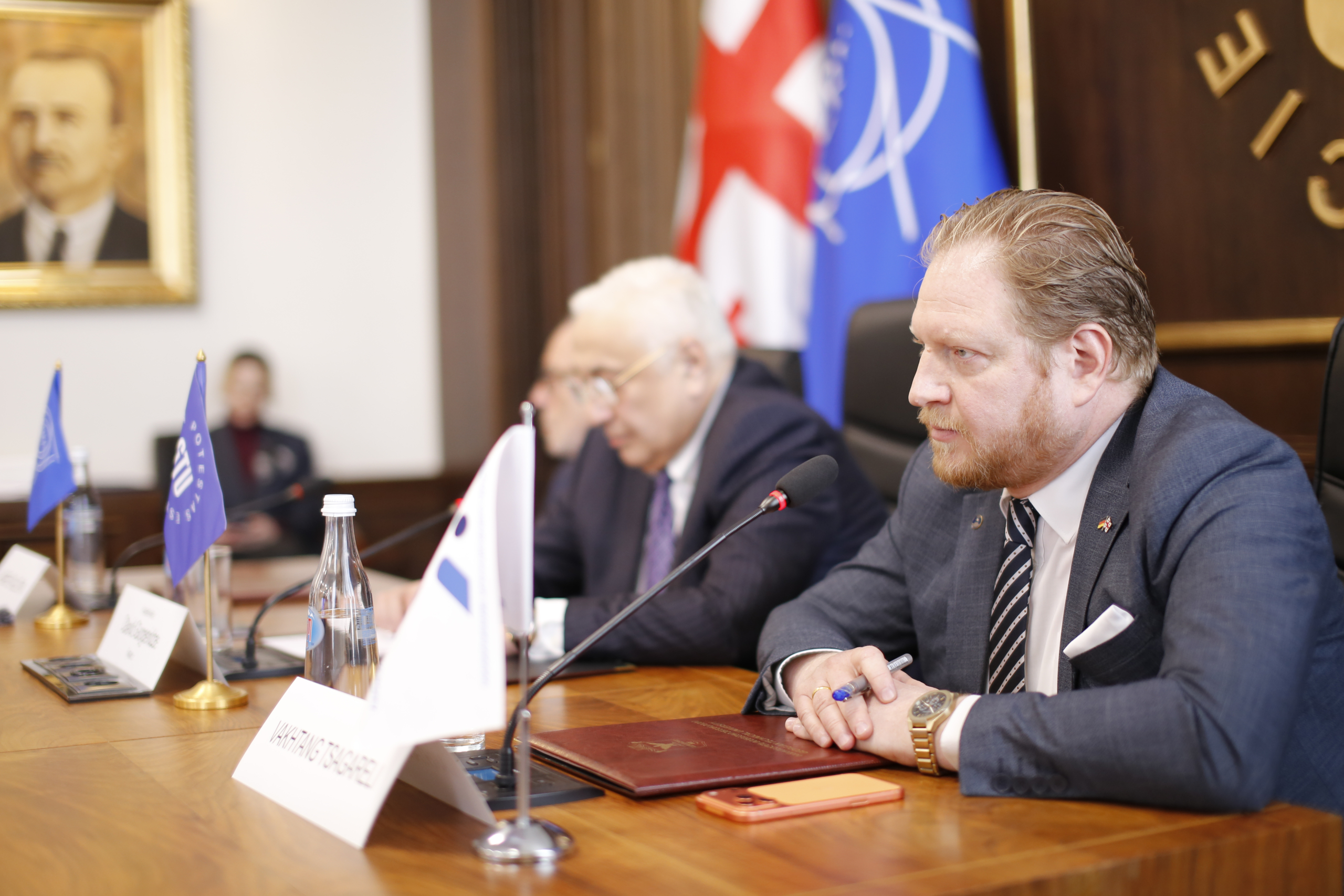
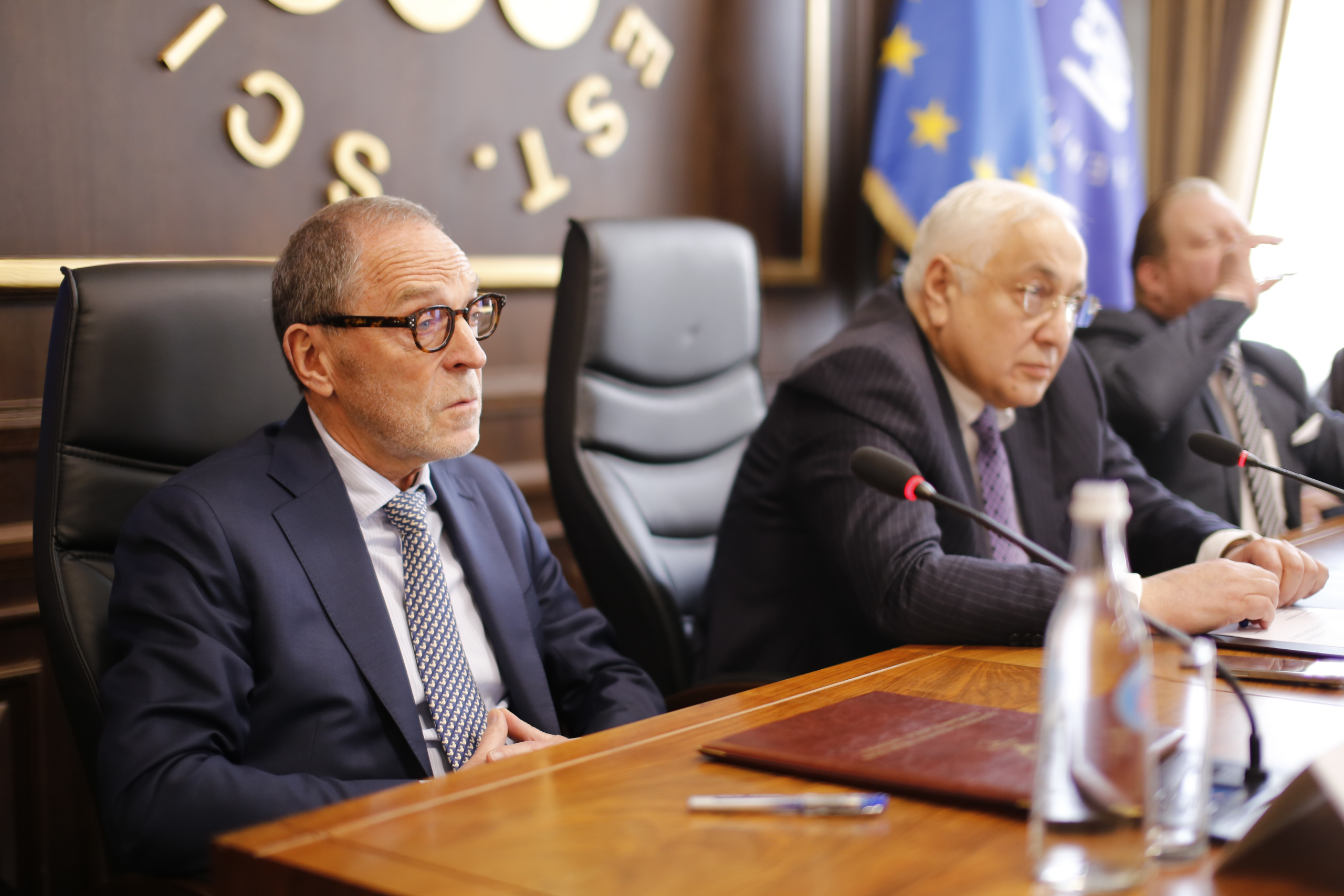
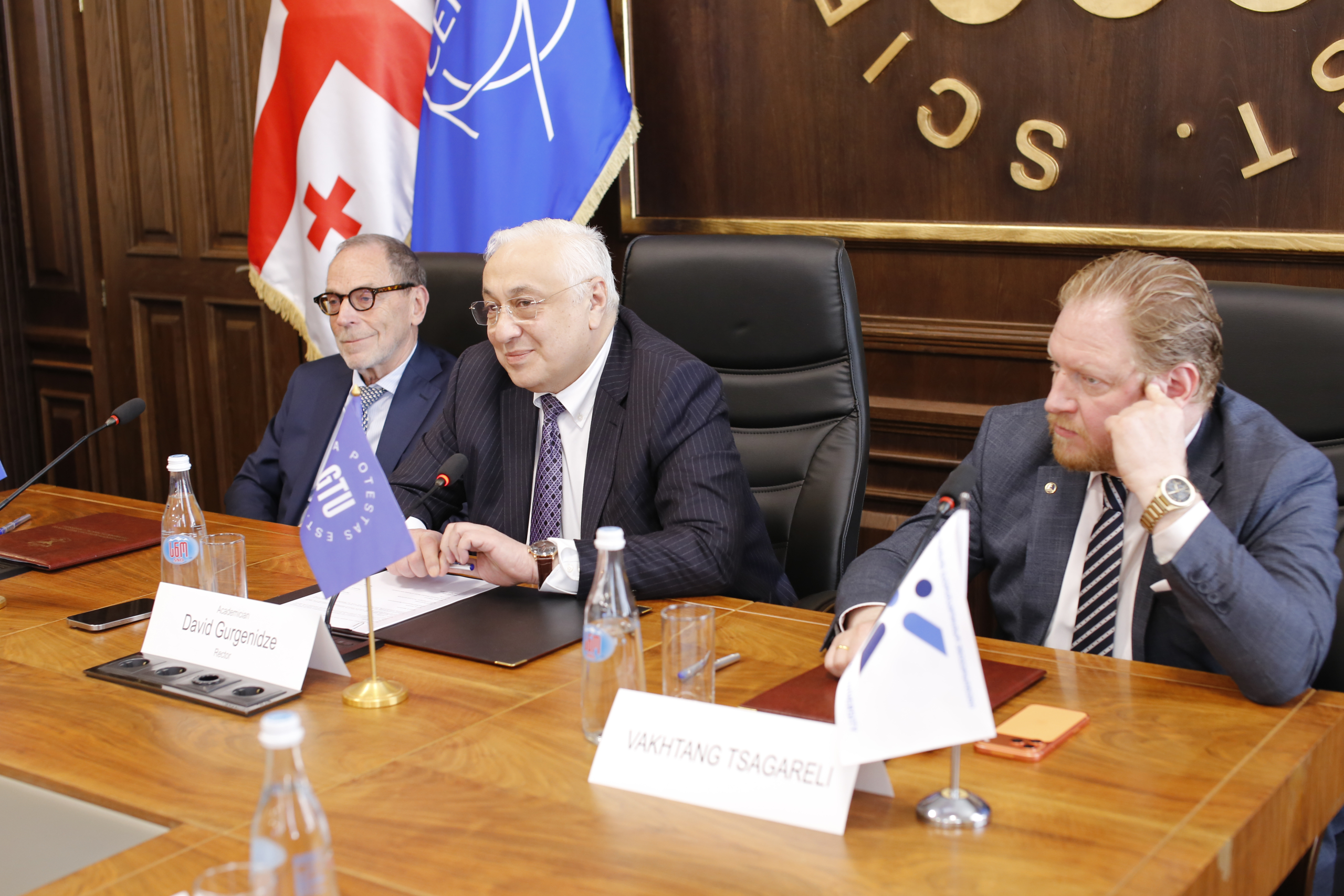
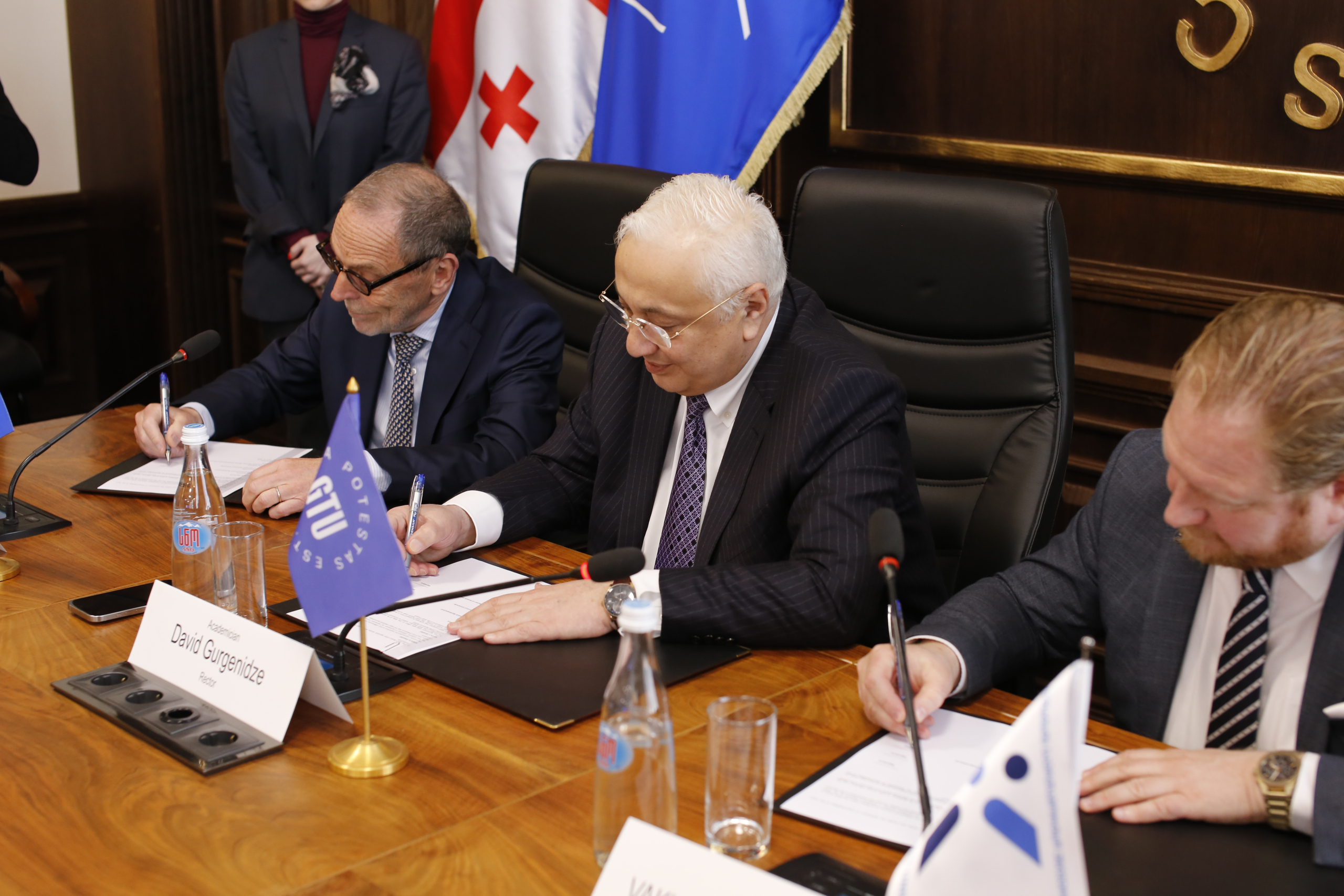
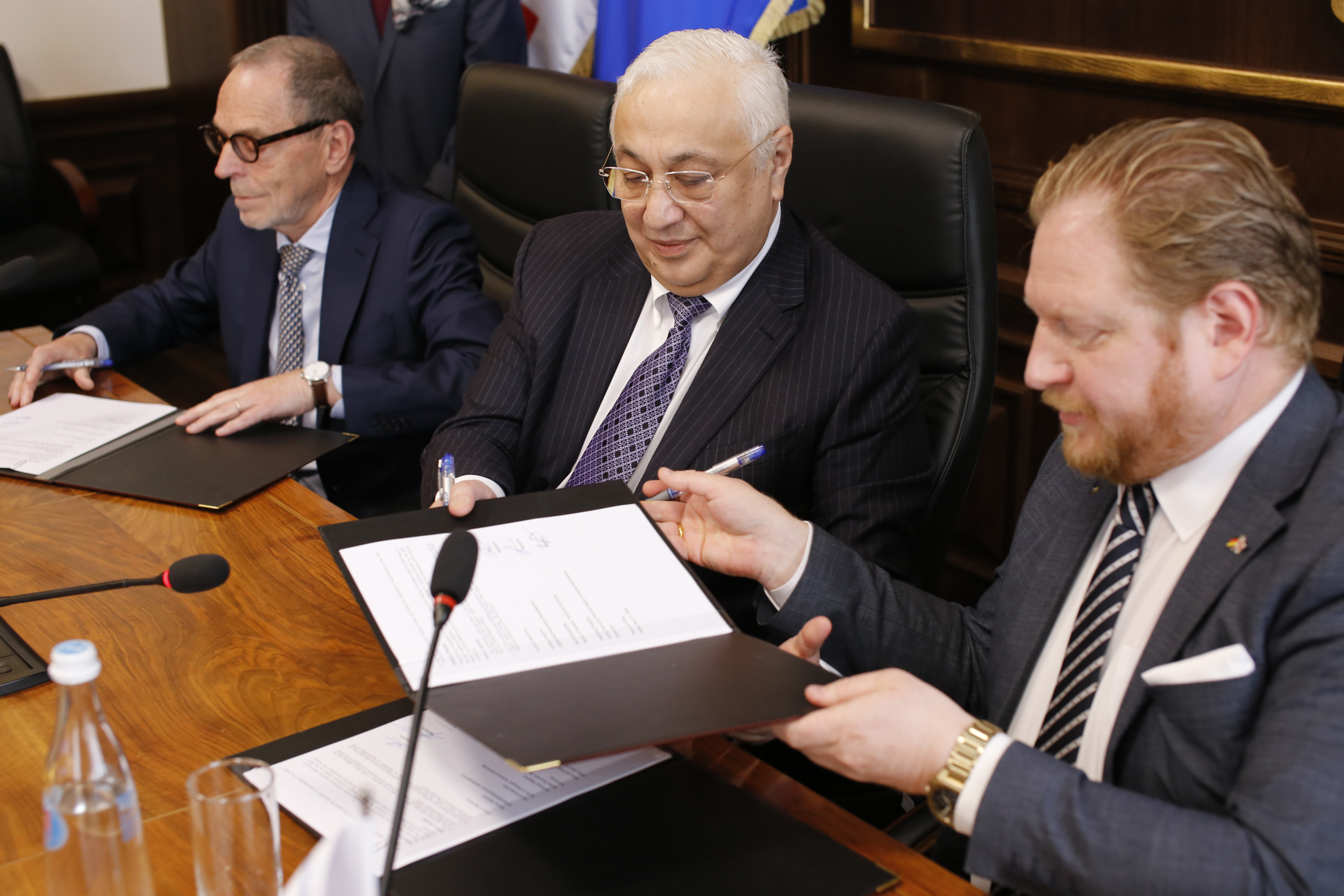
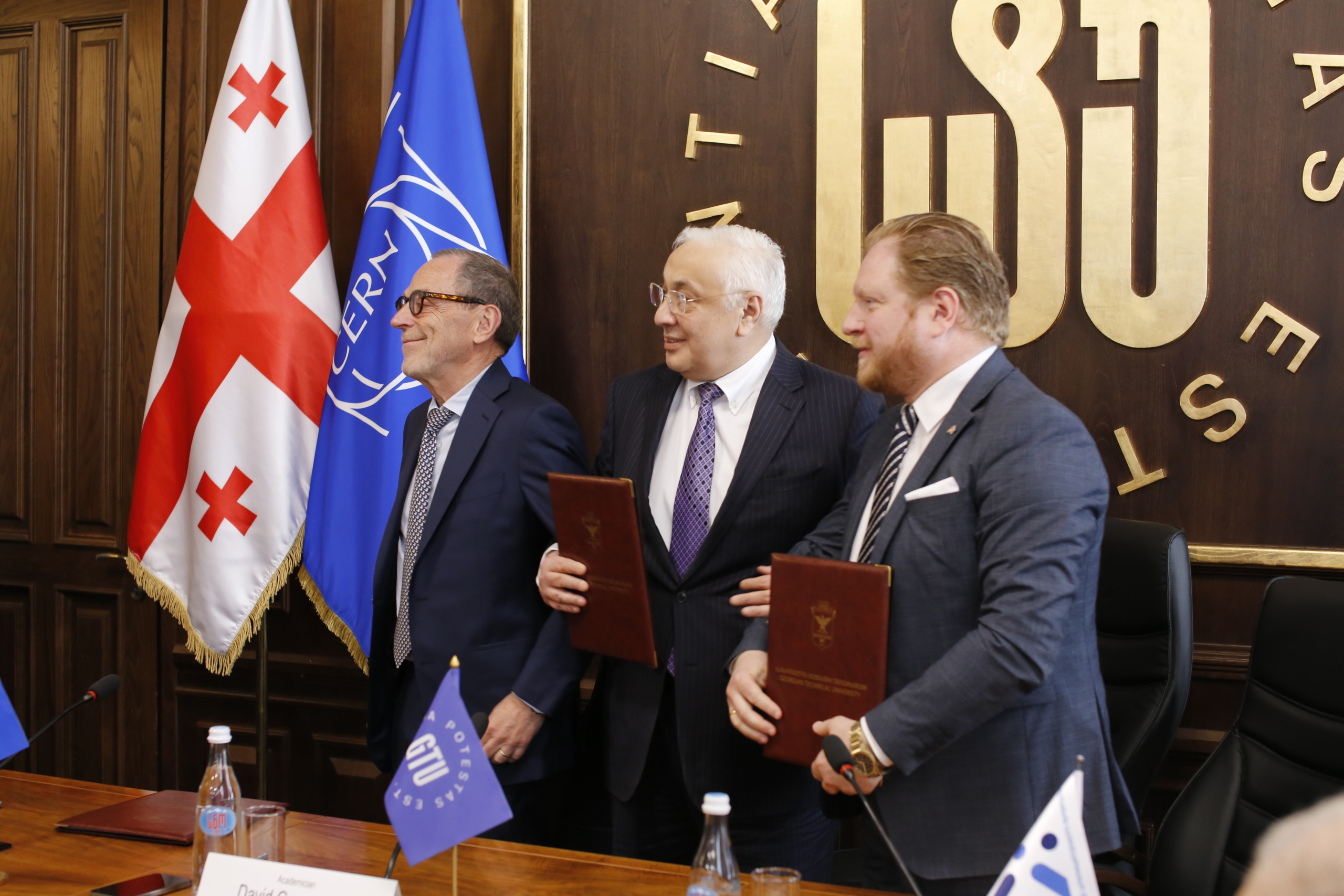
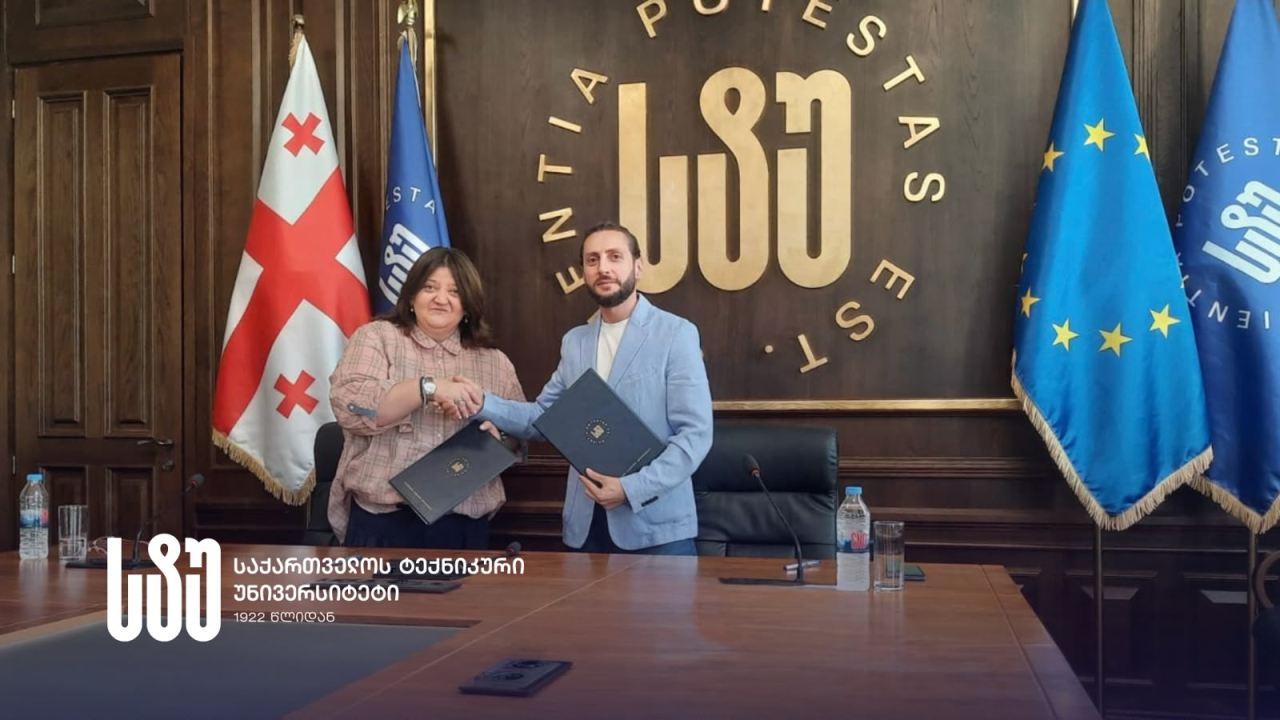
With the support of the Ministry of Education, Science, and Youth of Georgia, another important Memorandum of cooperation has been signed, this time between the Georgian Technical University, the European Organization for Nuclear Research (CERN) SHiP Collaboration, and Kutaisi International University (KIU). The document was signed by the GTU Rector, Associate Member of the CERN SMS Collaboration – Academician David Gurgenidze, the Spokesperson of the CERN SHiP Experiment – Professor Andrei Golutvin, and the Acting Rector of KIU, Professor Vakhtang Tsagareli.
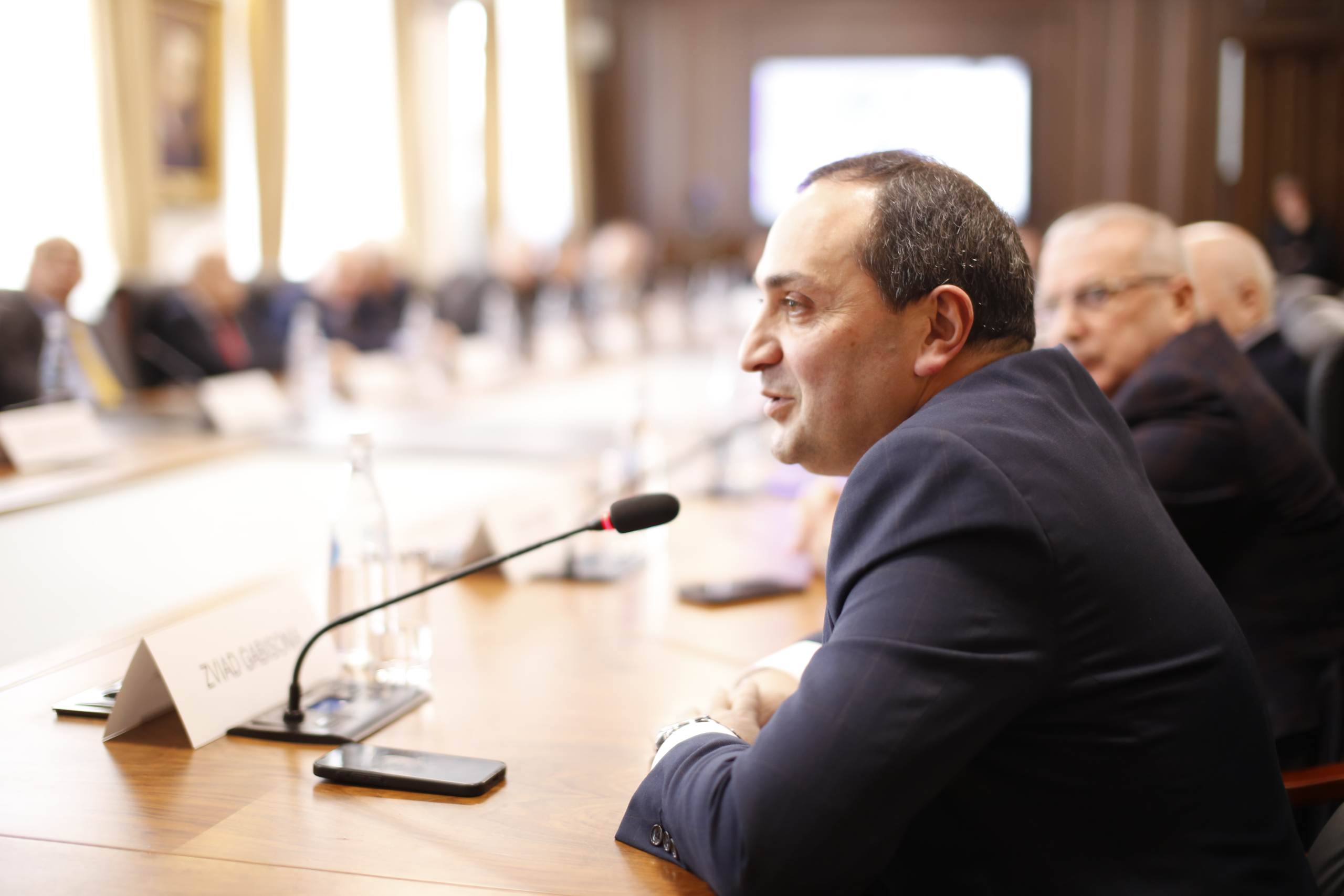
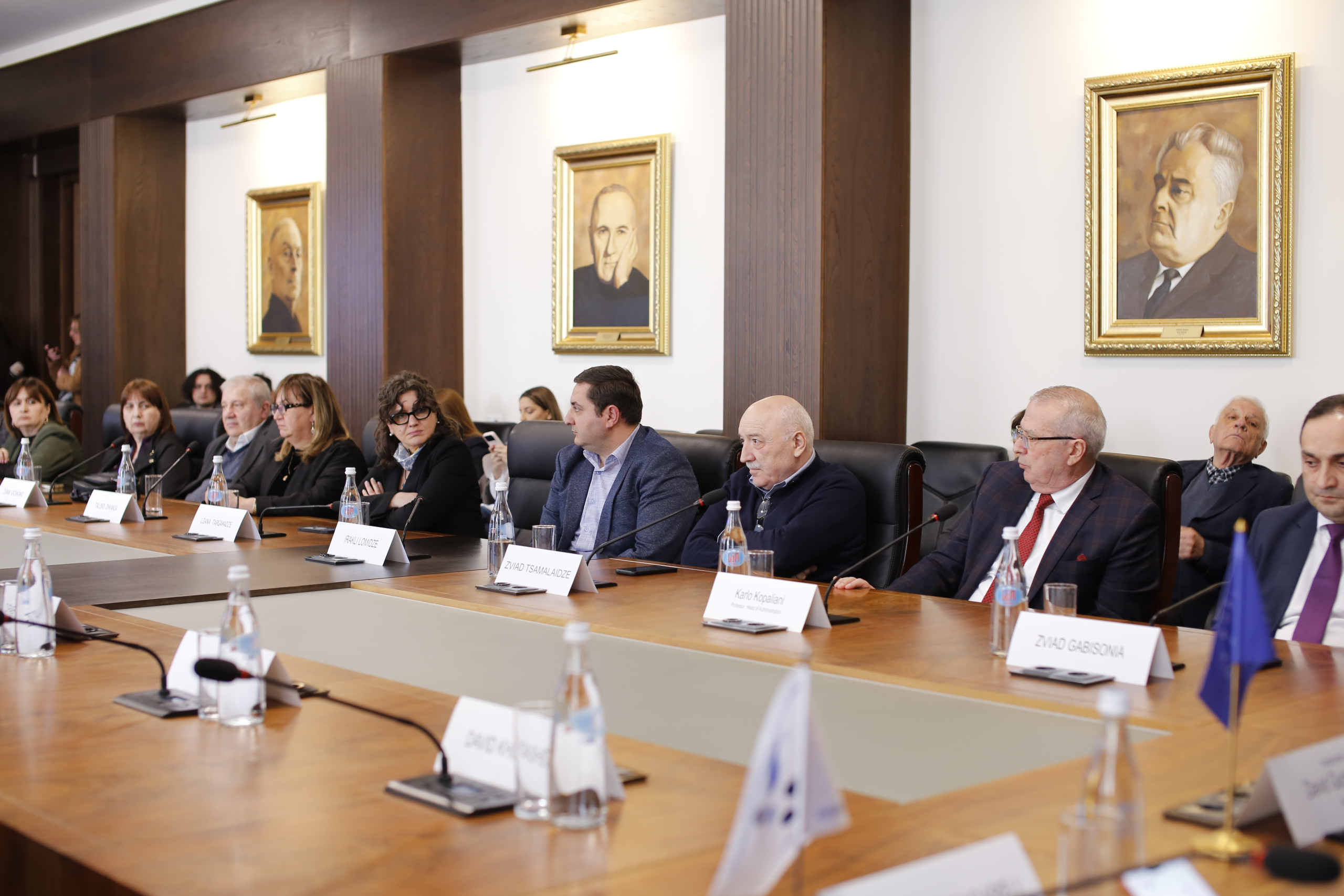
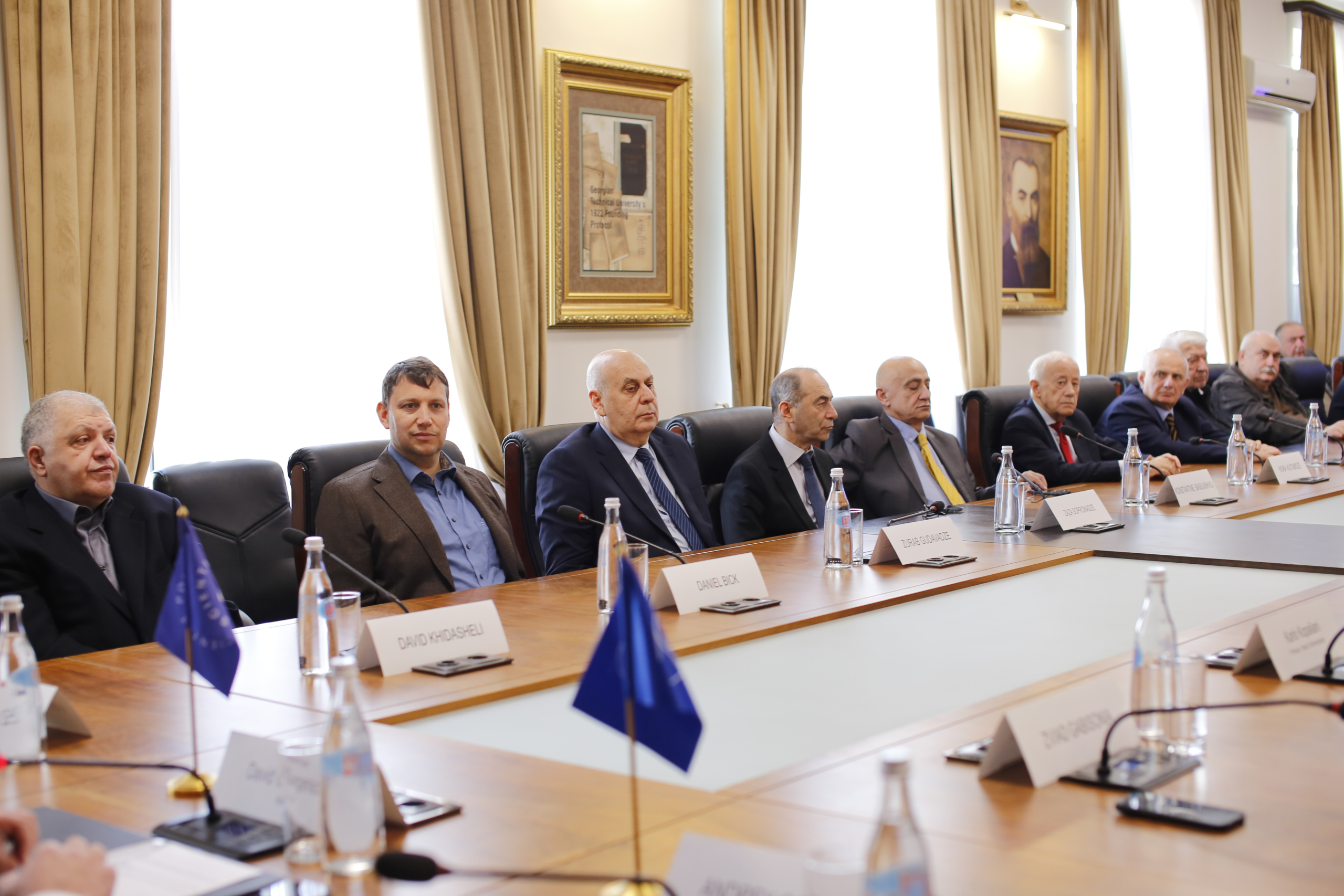
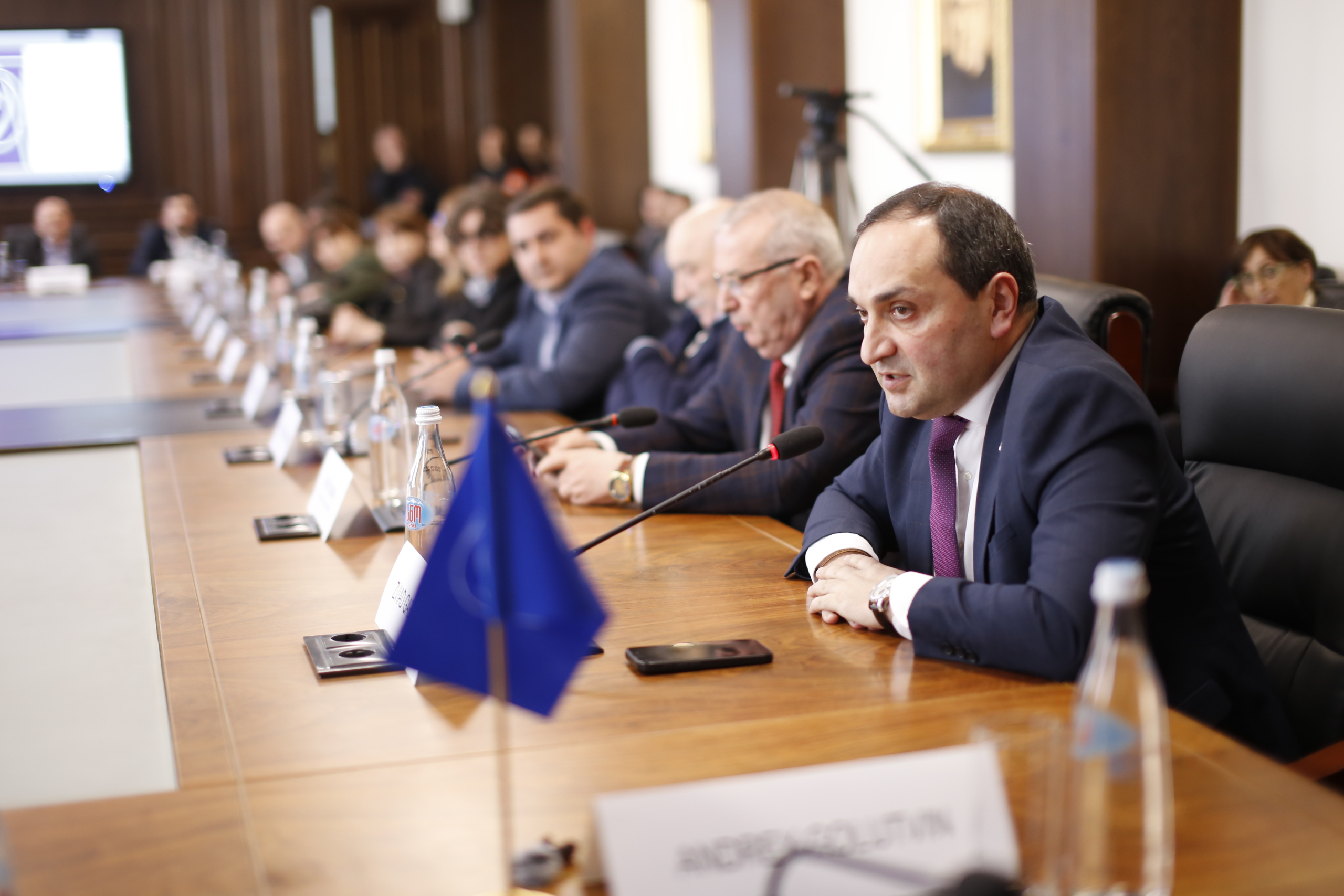
The document signing ceremony, which was held at the Georgian Technical University, was attended by Deputy Minister of Education, Science and Youth of Georgia Zviad Gabisonia, CERN scientist – Professor Daniel Biki, GTU Chancellor – Professor Carlo Kopaliani, President of the University Supervisory Board – Professor Zurab Gudavadze, Director of the Institute of Quantum Physics and Engineering Technologies of GTU, Head of the GTU CERN/CMS Group, Representative of the Government of Georgia at CERN – Professor Zviad Tsamalaidze, scientists and researchers of the Institute, Leader of the GTU group of scientists in the SHiP experiment – Dr. Irakli Lomidze, scientific and academic circles and students of GTU and KIU.
The event was opened and addressed to the audience by the Rector of the Georgian Technical University. According to Academician David Gurgenidze, fundamental research has a significant impact on the well-being, economic situation, and stability of society; therefore, the parties signing the memorandum will have the opportunity to deepen and develop international cooperation in high-energy physics, particle physics, and related fields, including information and Grid-computing technologies.
As David Gurgenidze noted, according to the new memorandum, the participation of Georgian physicists, engineers, and technicians in the research projects planned within the framework of the SHiP experiment will be as successful and multifaceted as it was and is in the CMS and ATLAS experiments at CERN.
“Georgian Technical University, among 48 universities from 20 countries around the world, has been a full member of the SHiP experiment since 2025. Our group of scientists is staffed with high-class physicists, engineers, and programmers, and the group leader is our young scientist, Dr. Irakli Lomidze. This new cooperation presents Georgia with a unique opportunity to take a more active role in global scientific initiatives and to make a substantial contribution to the advancement of fundamental research. Notably, involvement in such large-scale projects not only supports the professional development of young scientists and students but also enhances the nation’s overall scientific capacity. We are pleased that, alongside the Georgian Technical University, the International University of Kutaisi is a signatory to the Memorandum of Cooperation with CERN’s SHiP Collaboration.
We would like to thank the Government of Georgia, Prime Minister Irakli Kobakhidze, and the Ministry of Education, Science and Youth, personally Minister Givi Mikanadze, for their support in implementing this important international research project. We are confident that this partnership will further strengthen the research and technological potential of the Georgian scientific community, its positions in the international scientific space, and create new opportunities for the next generation of researchers, so that they can effectively integrate into the international research ecosystem and actively participate in overcoming fundamental challenges.”
– Academician David Gurgenidze
In his speech, the Deputy Minister of Education, Science, and Youth spoke about the importance of the new document in terms of expanding international scientific research collaboration and noted that the main goal of the memorandum is to promote the internationalization of scientific processes underway in Georgia and bring it closer to the European scientific space.
According to Zviad Gabisonia, the memorandum envisages the implementation of exchange scientific research projects for Georgian scientists and researchers, as well as the provision of training to enhance their qualifications. Additionally, it aims to increase the growth of Georgian engineers’ involvement in CERN’s experimental research projects.
The importance of the participation of groups of scientists and engineers from the Georgian Technical University and Kutaisi International University in the SHiP experiment was discussed by one of the signatories of the memorandum, a famous physicist, spokesperson for the CERN global SHiP experiment, and professor of physics at Imperial College London (Great Britain) – Andrei Golutvin. According to him, taking into account the most difficult preparatory work, the implementation of the CERN/ShiP experiment will begin in 2031.
Professor Andrei Golutvin highlighted that the SHiP experiment is designed to address one of the most significant challenges in modern physics: the discovery of particles in the so-called hidden sector, which may be vital for deepening our understanding of the universe’s fundamental structure. He noted that the project’s success heavily relies on international collaboration, and the participation of teams from the Georgian Technical University and Kutaisi International University brings valuable additional expertise and intellectual resources. Professor Golutvin further emphasized that the professionalism of Georgian scientists and engineers is already highly regarded at CERN, and their involvement in the SHiP experiment will be essential.
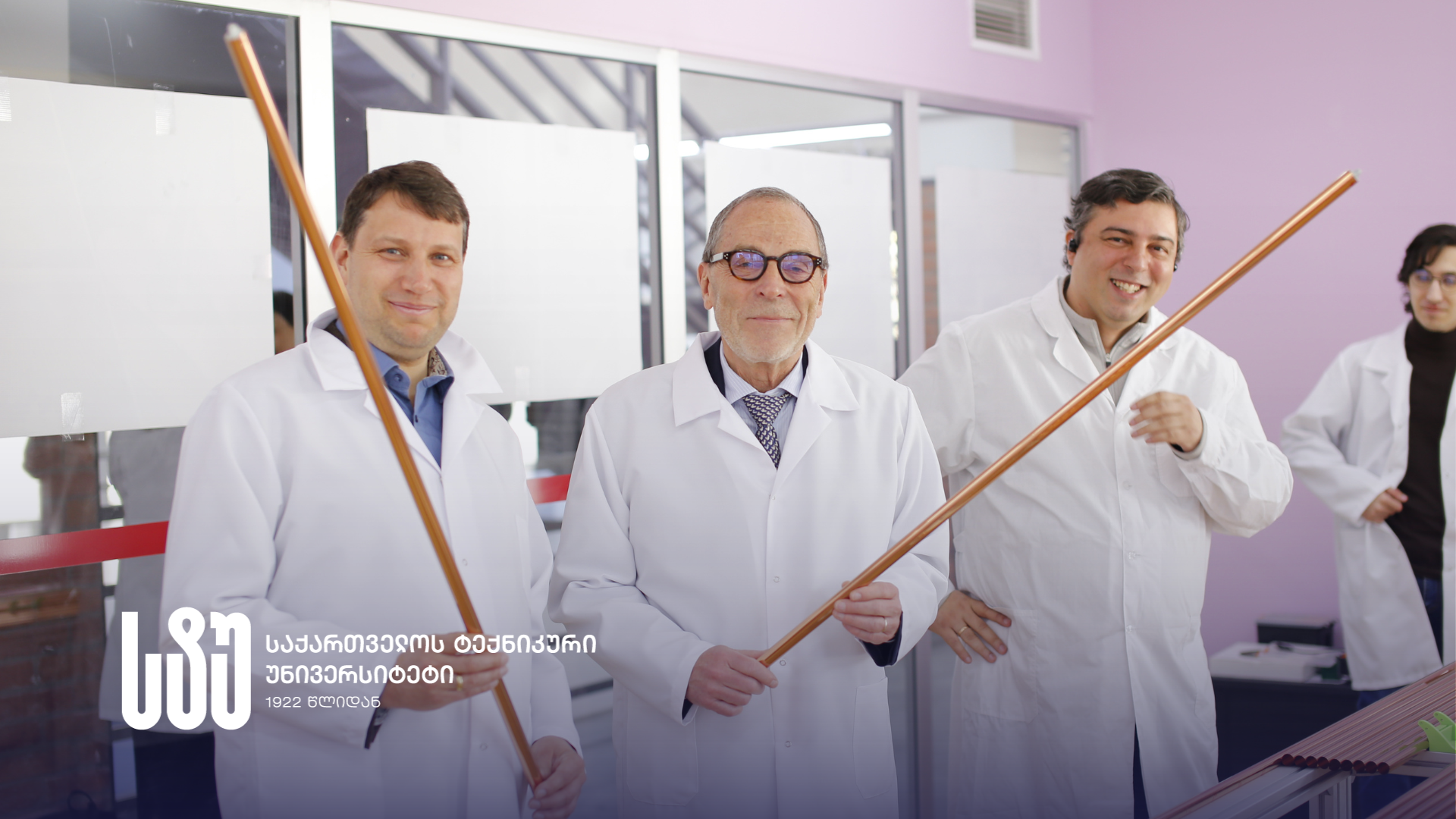
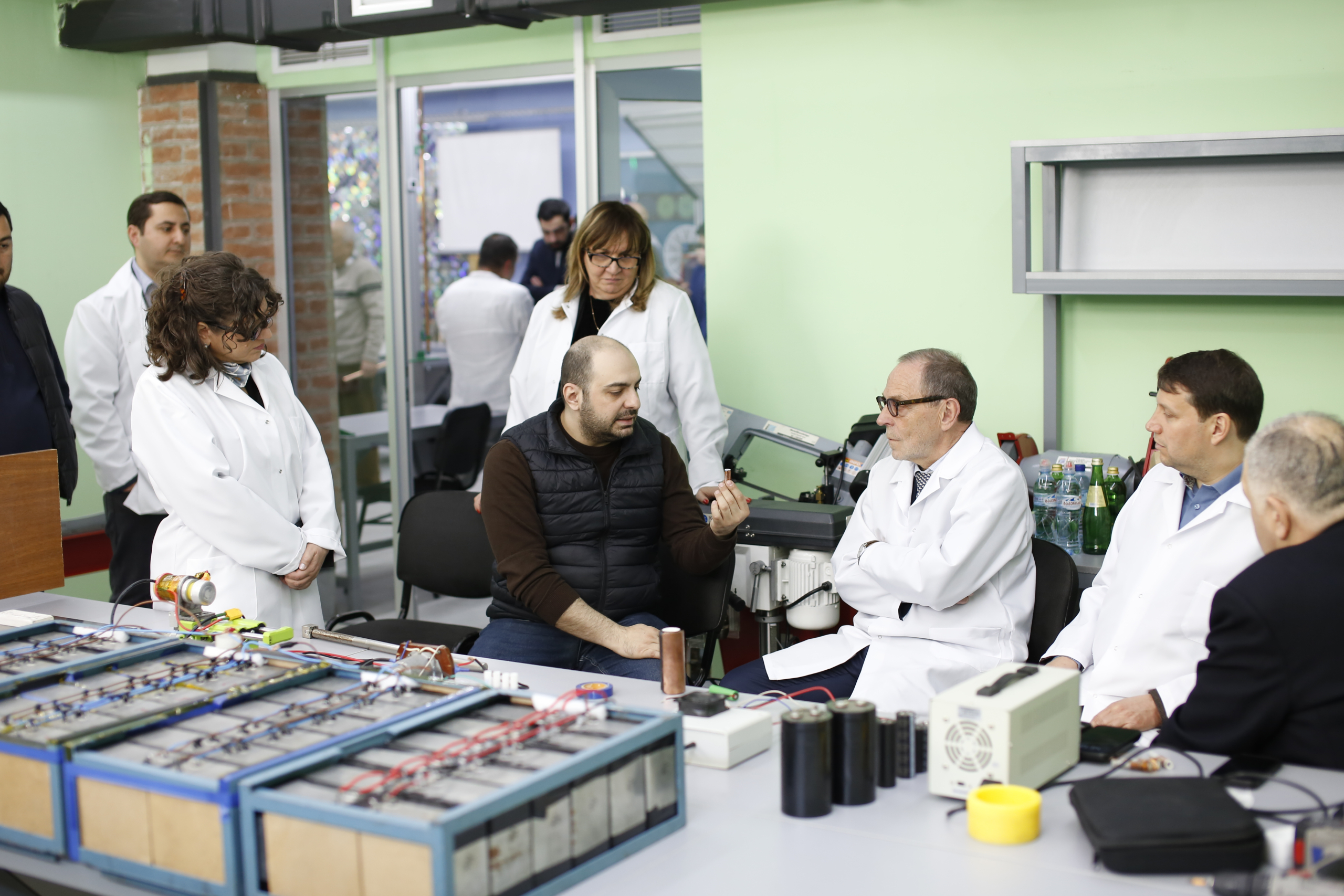
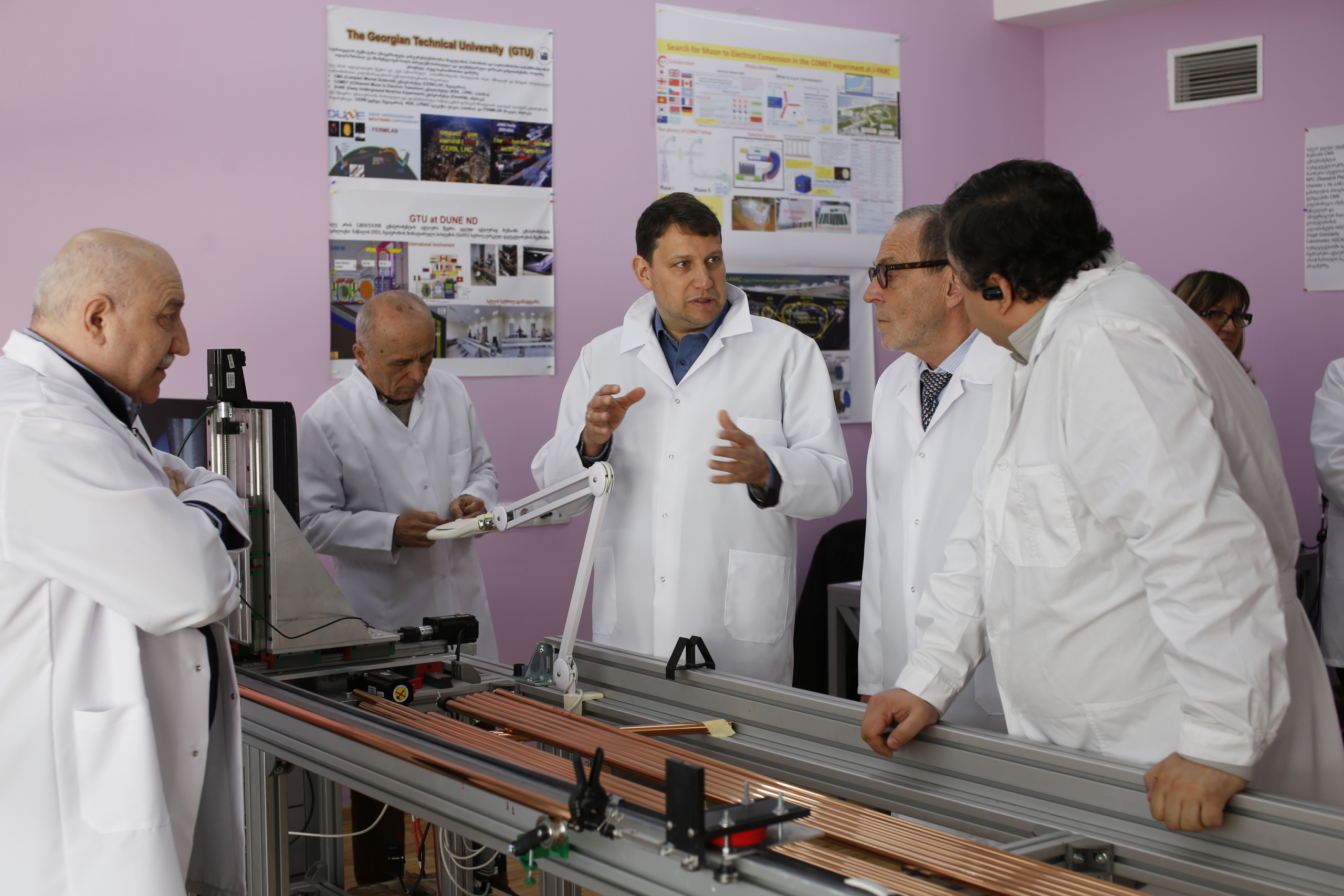
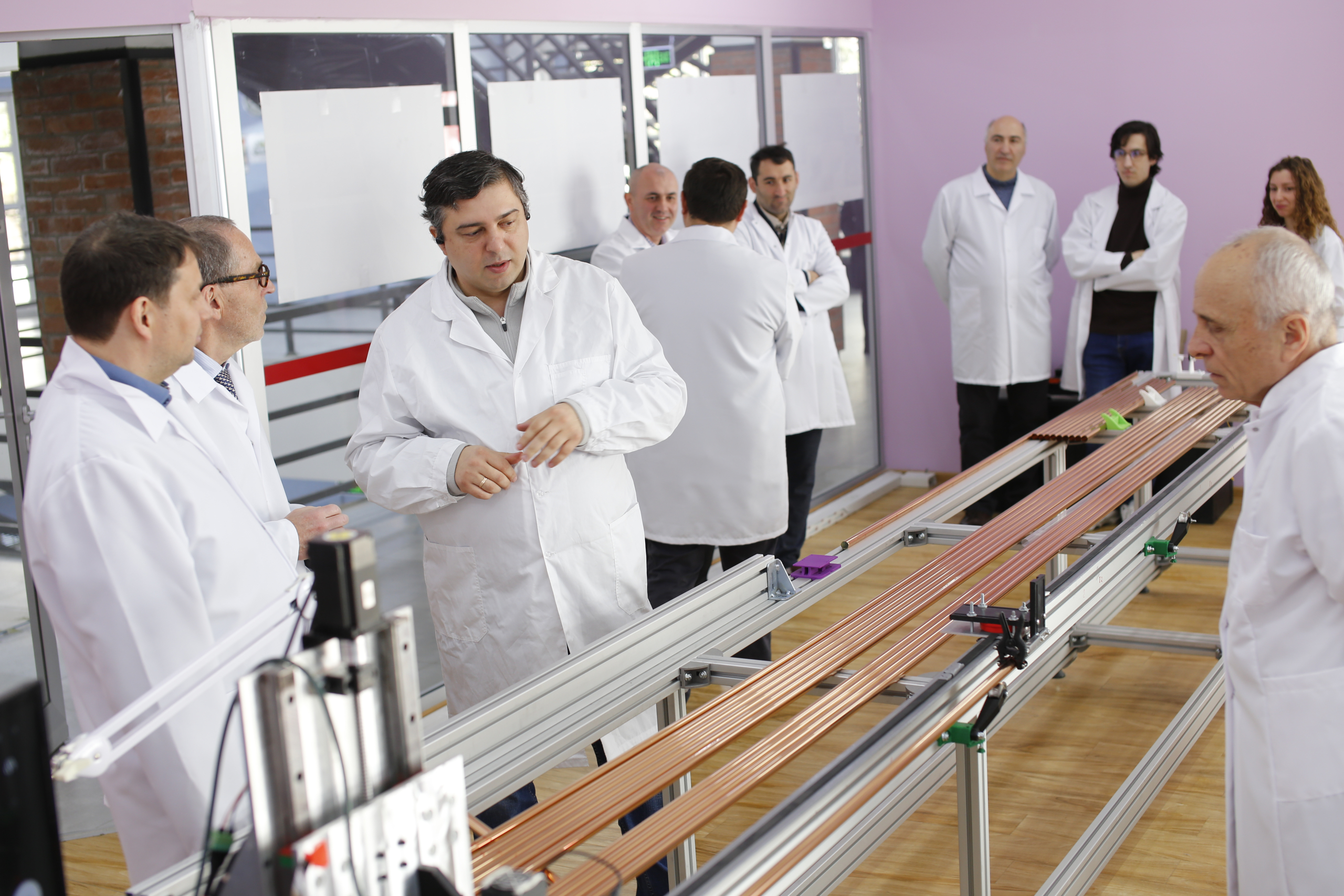
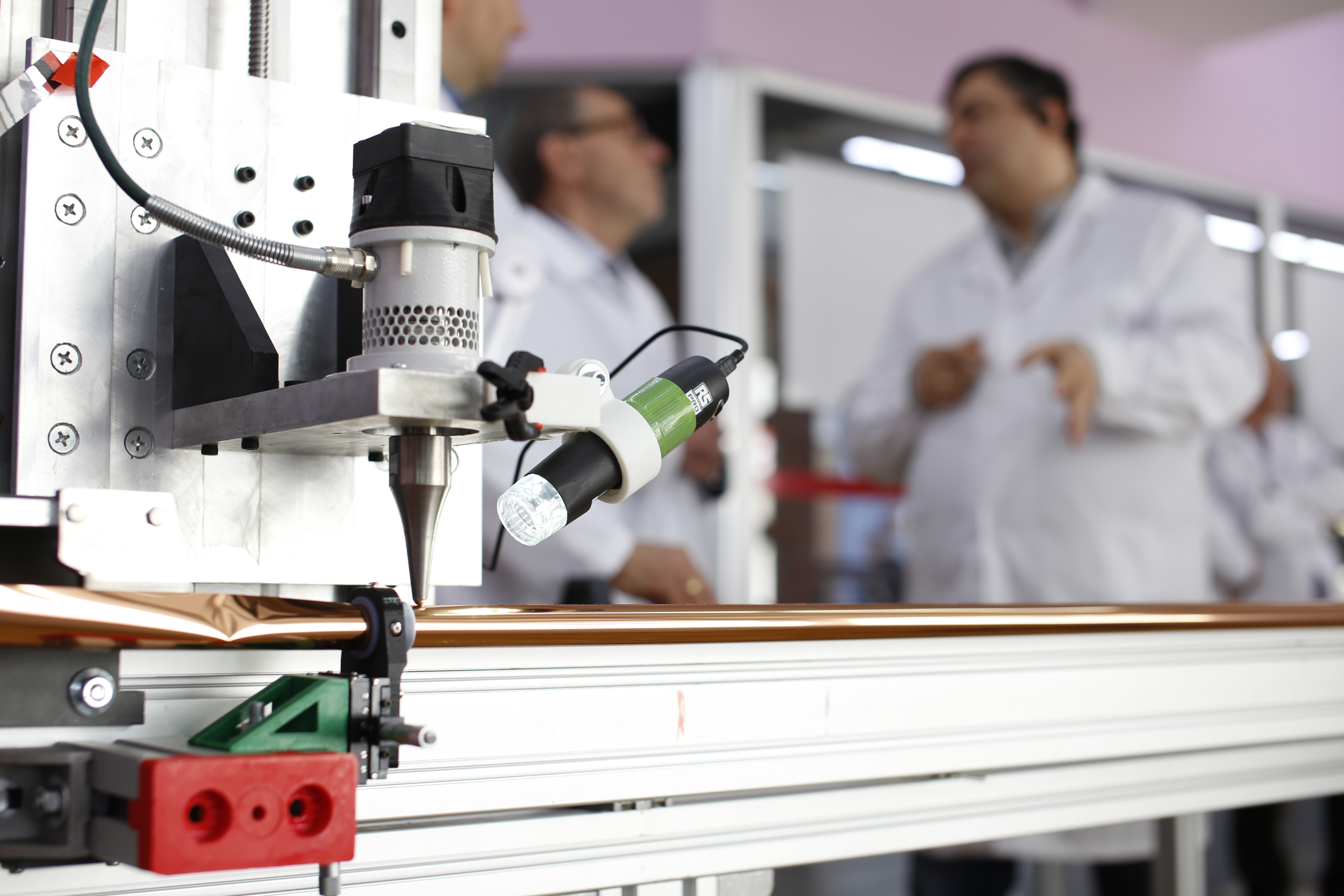
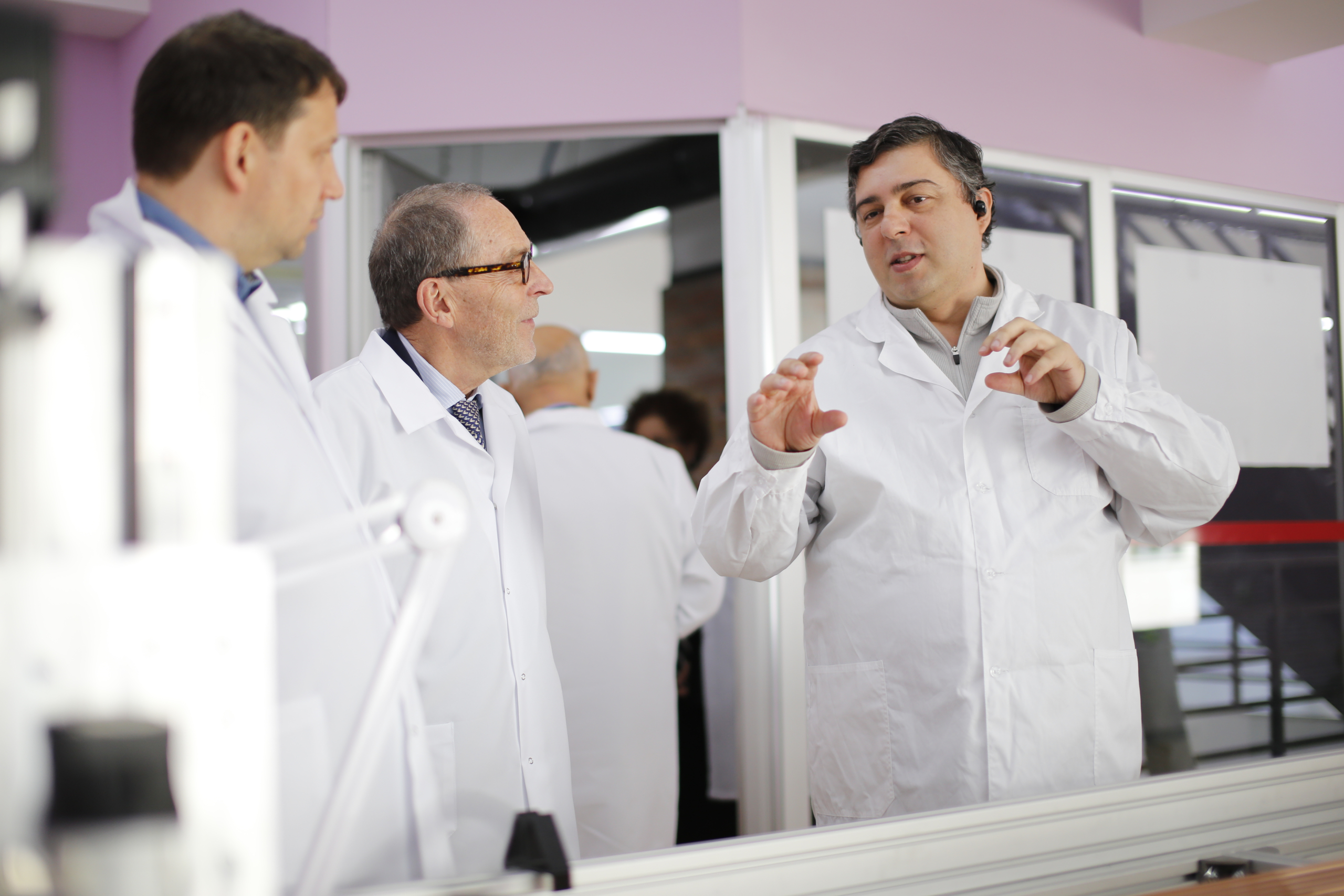
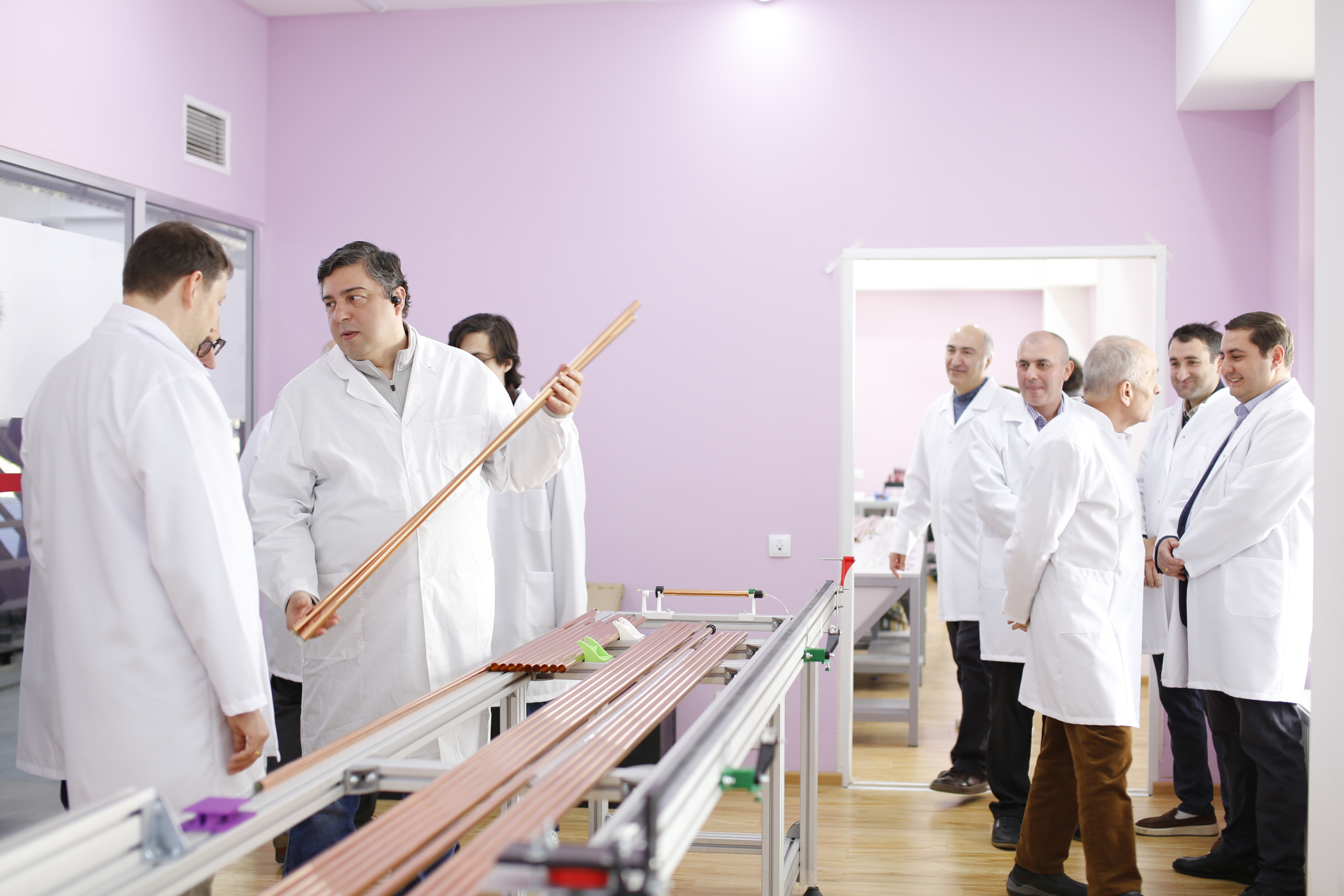
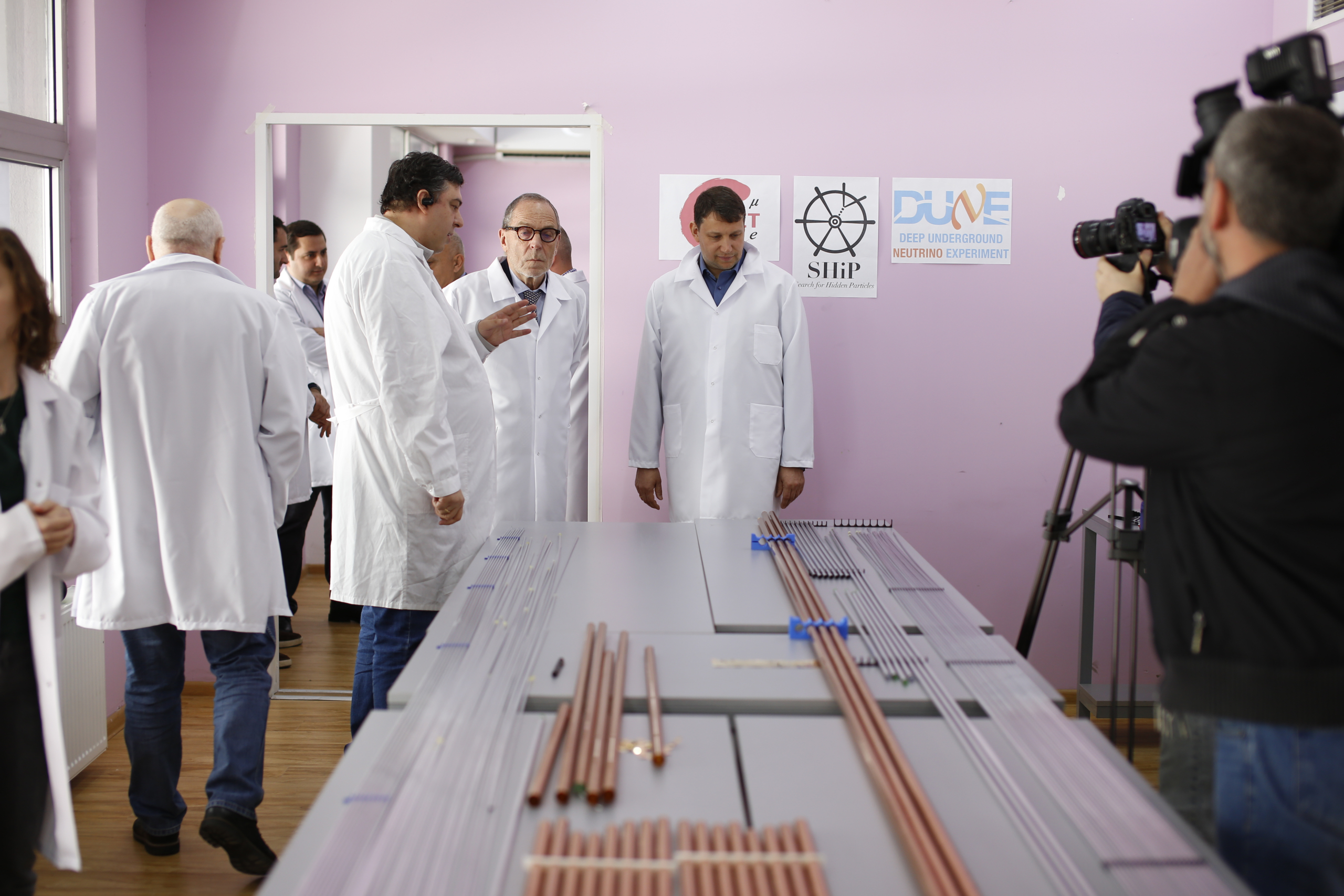
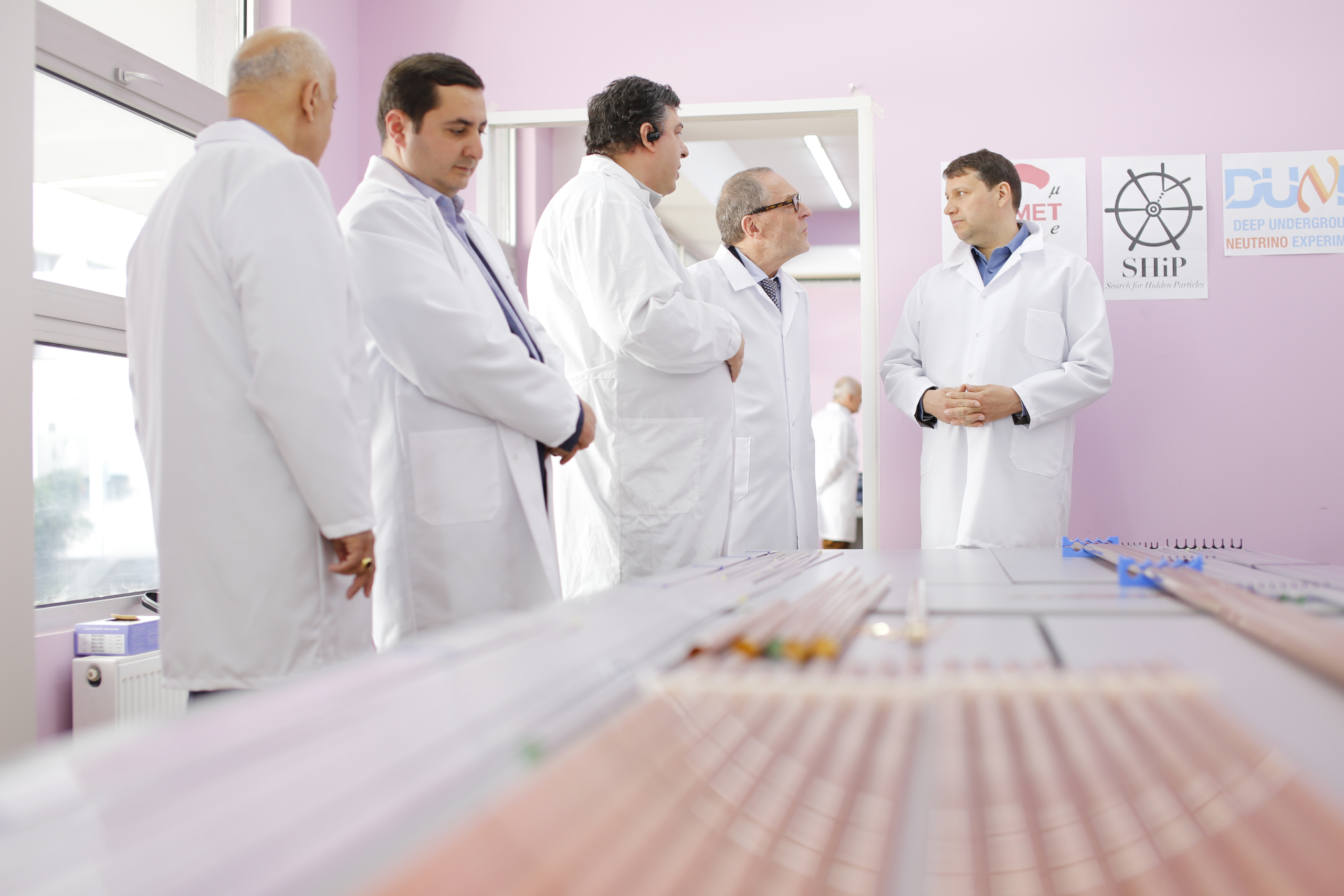
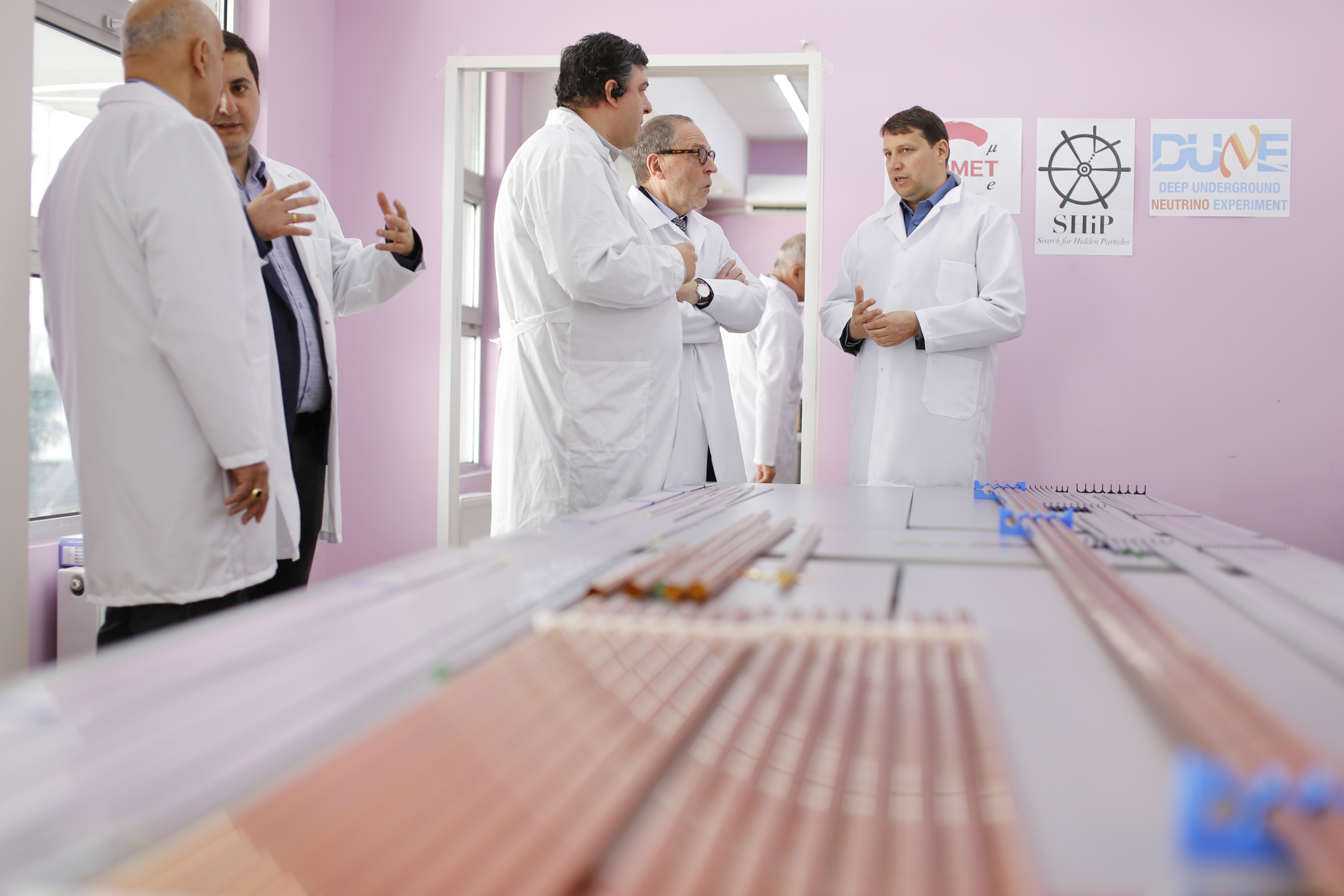
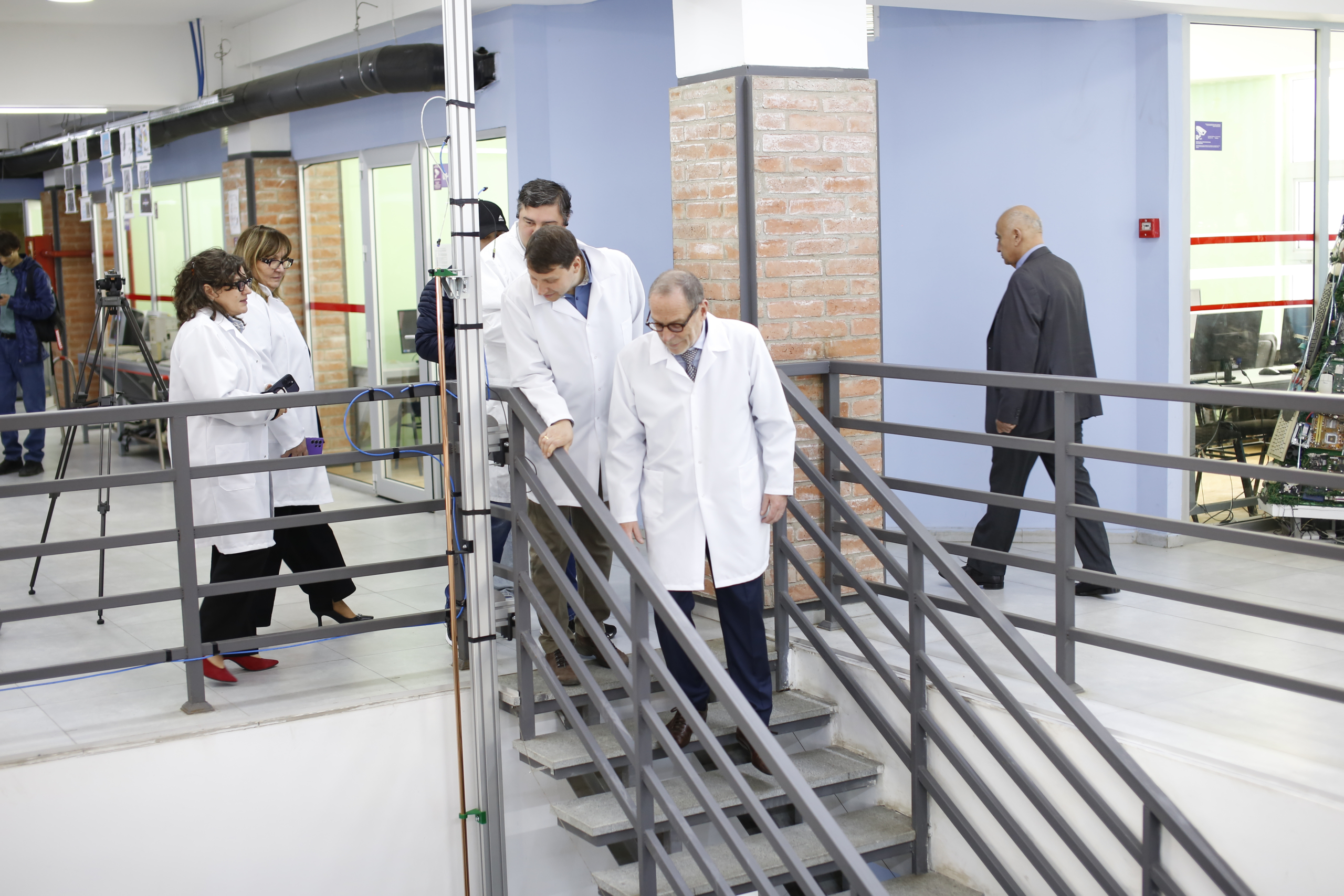
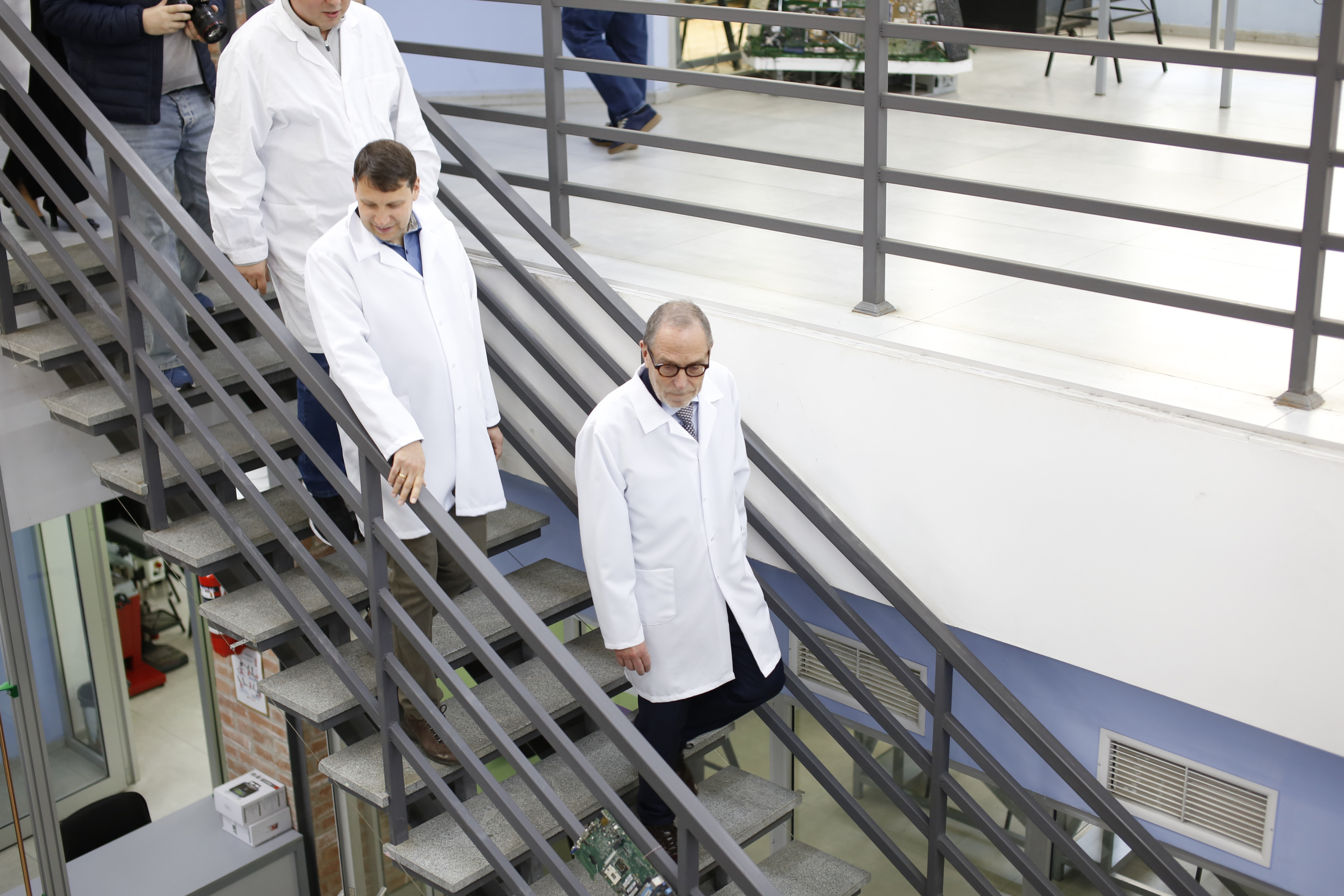
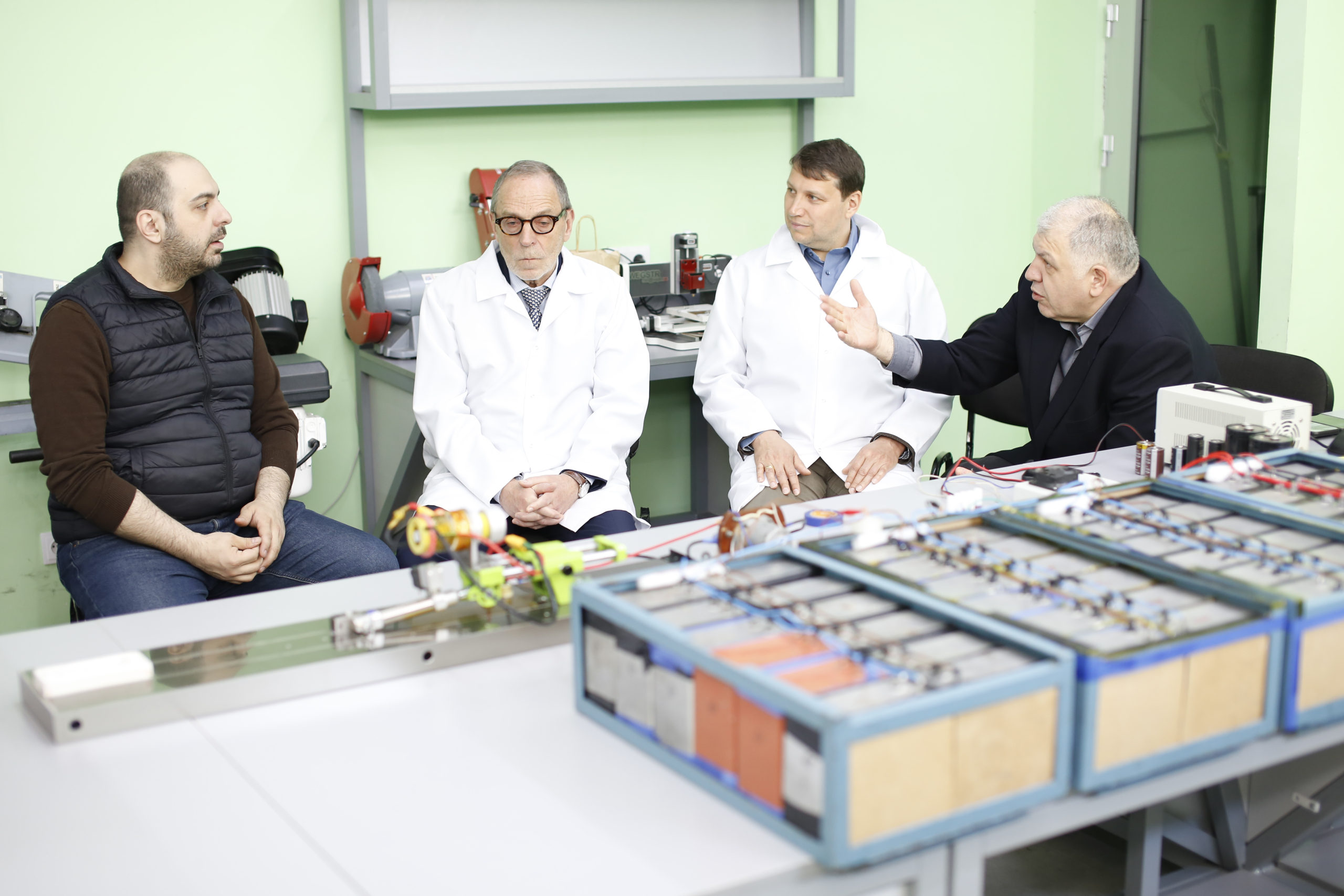
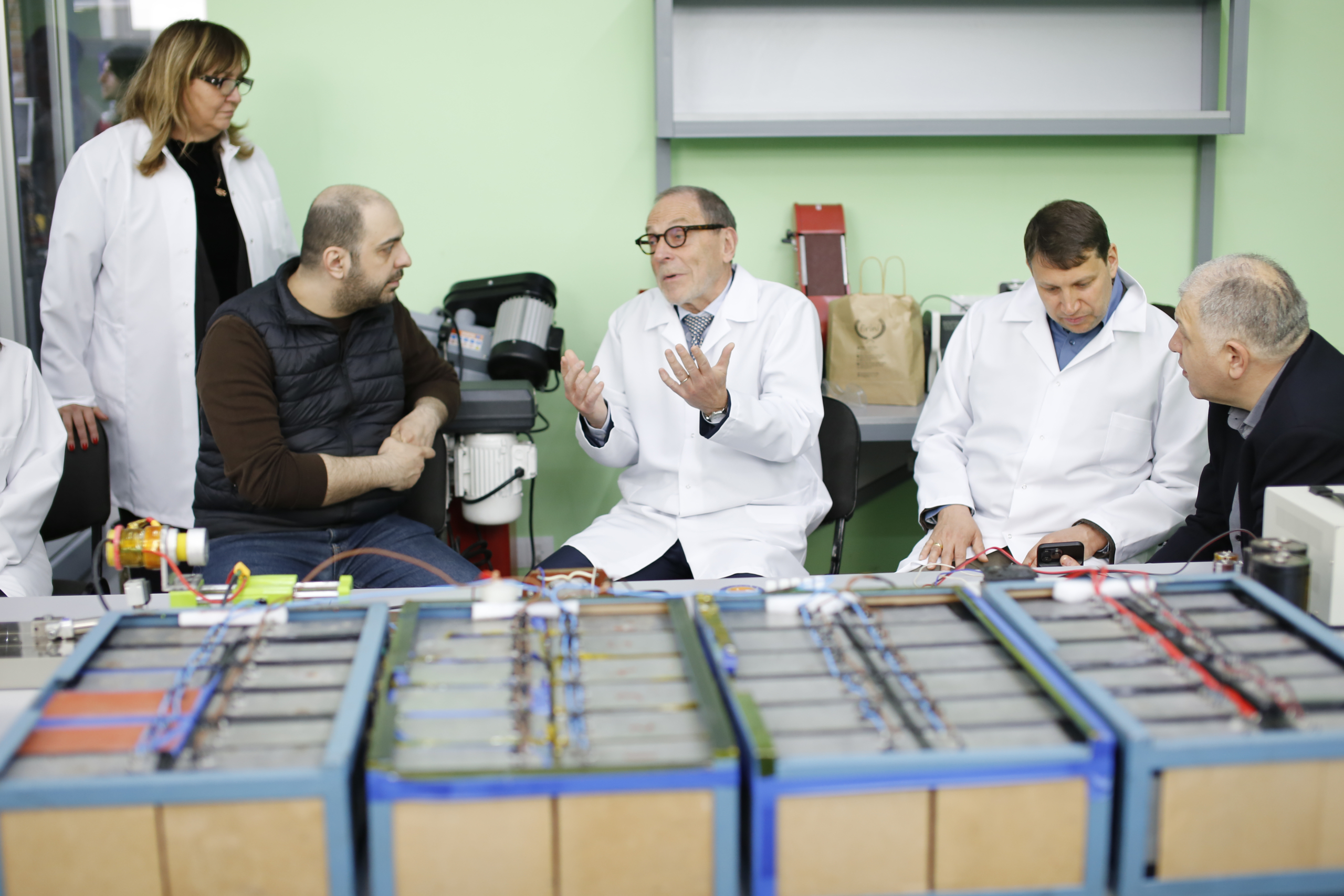
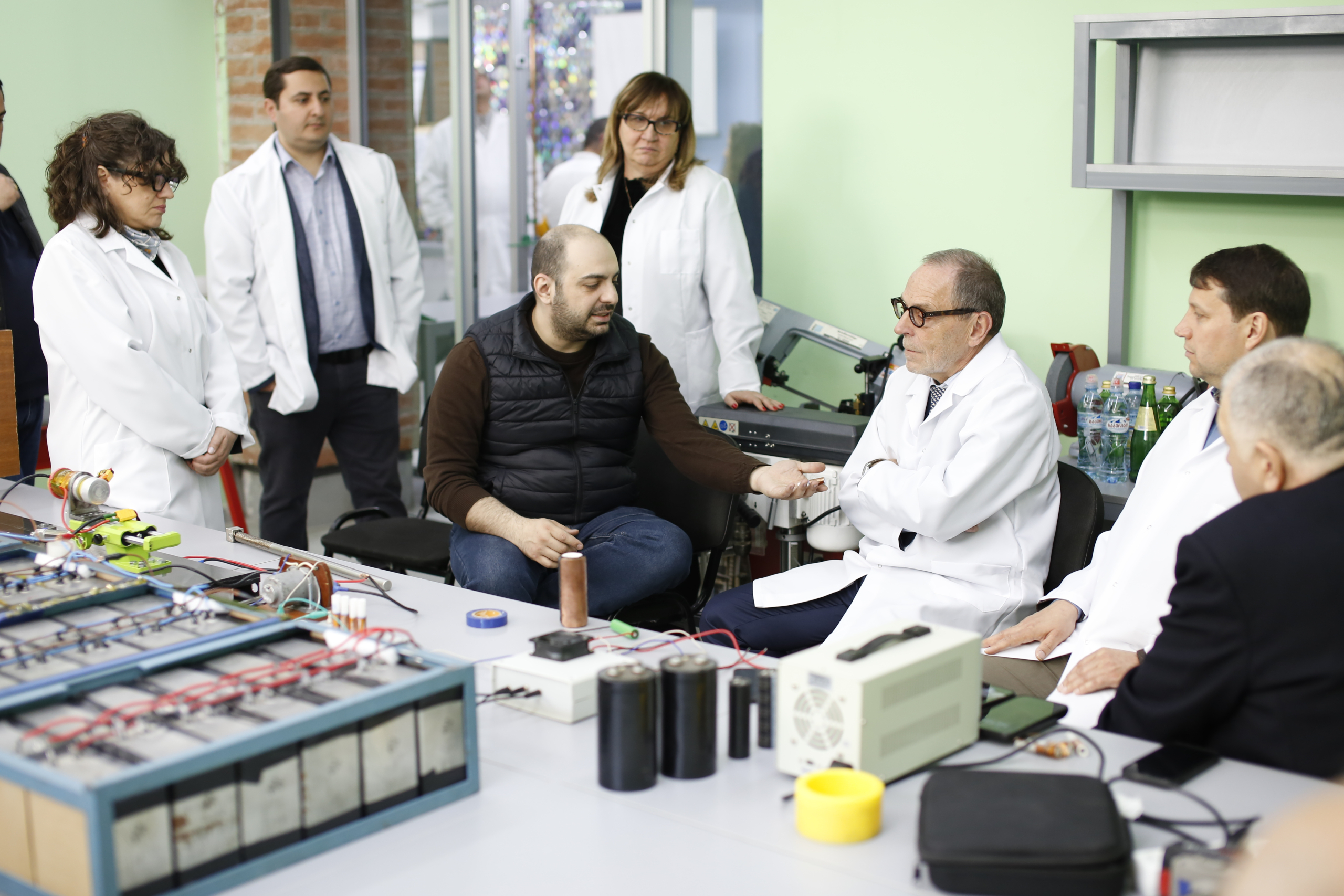
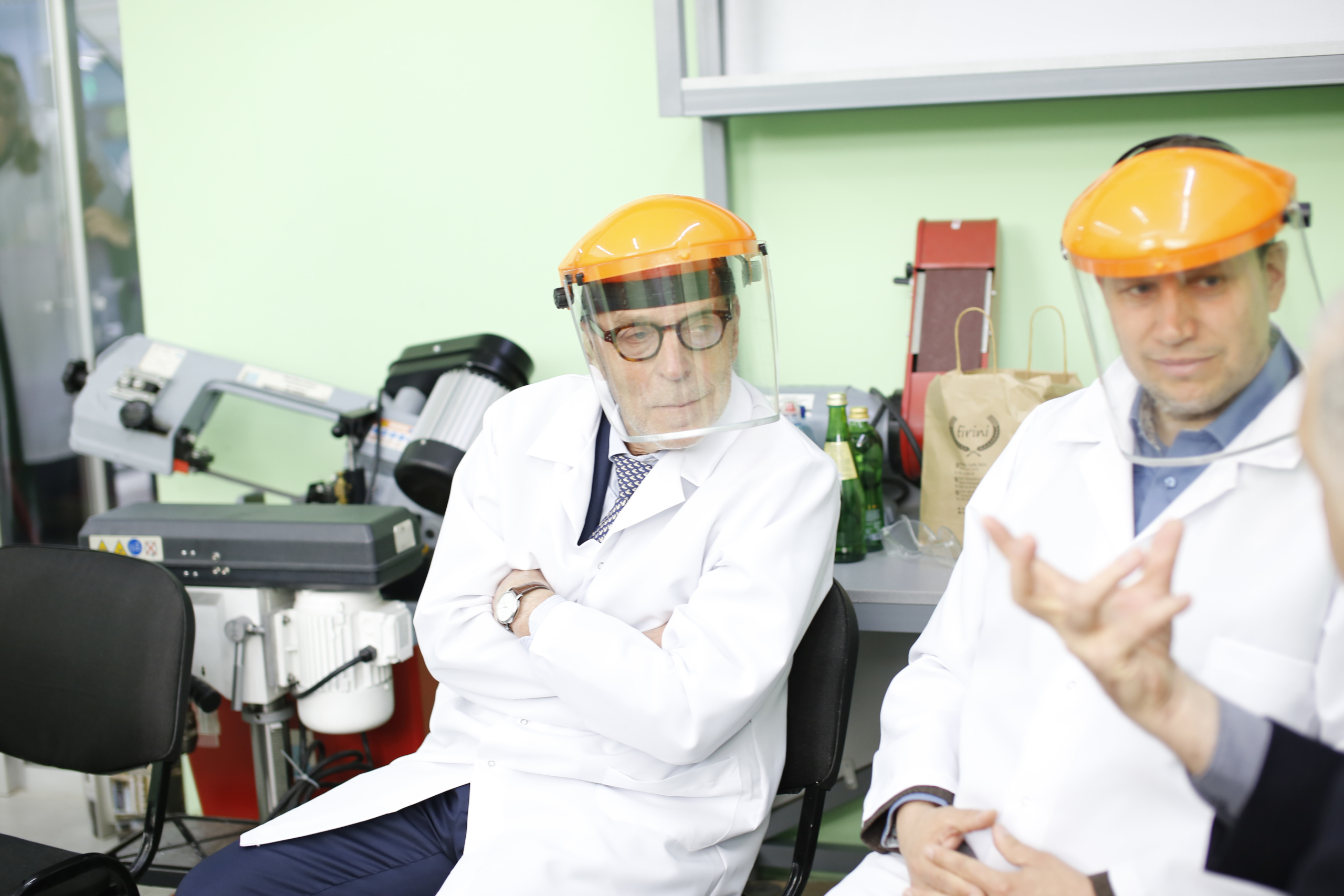
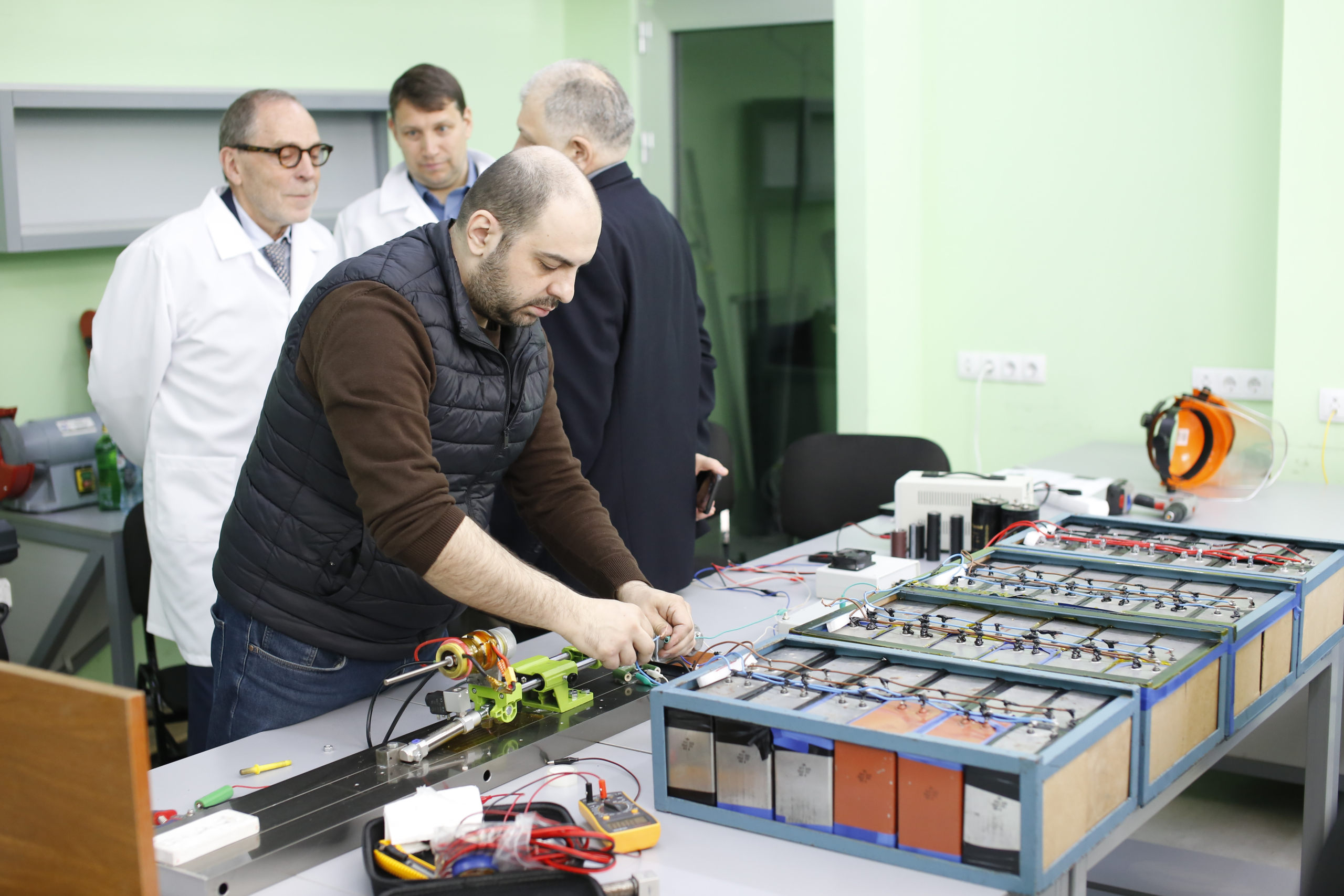
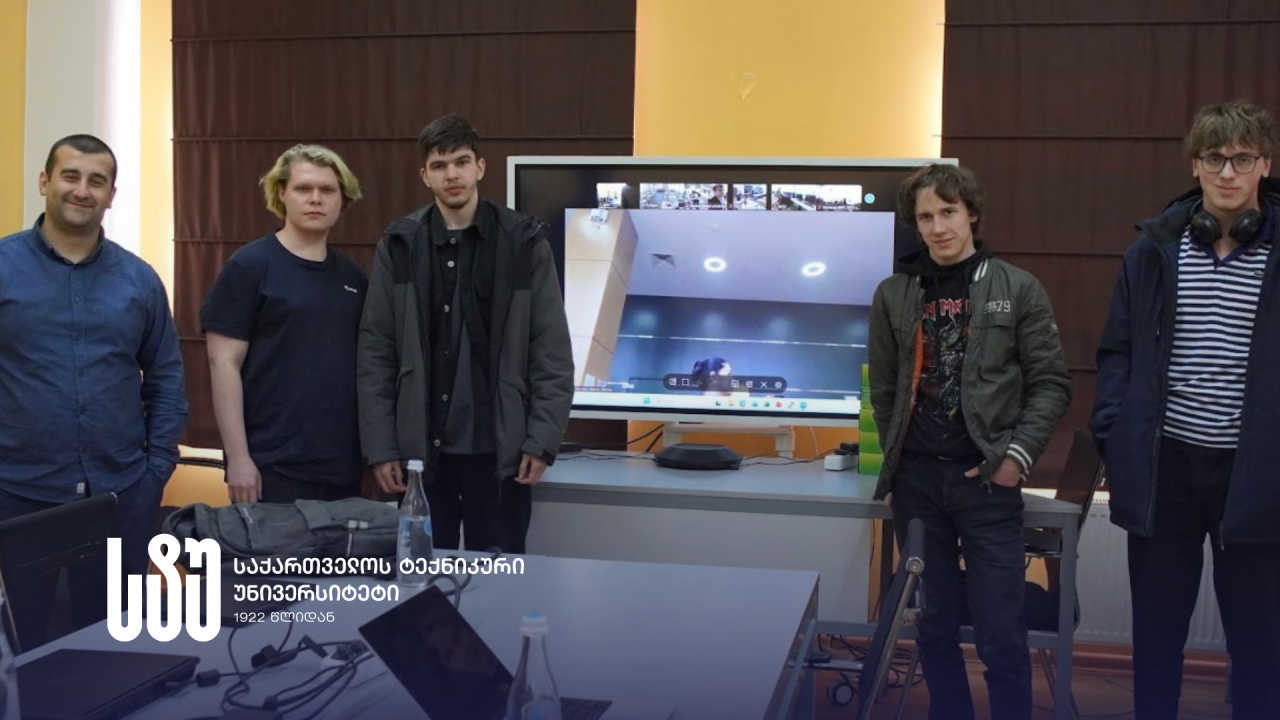
Prior to the signing of the Memorandum of Cooperation, the spokesperson for the European Organization for Nuclear Research CERN/SHiP experiment, Professor Andrei Golutvin, and Professor Daniel Biki, who were on a working visit to the Georgian Technical University, visited the high-tech Straw Laboratory opened at the Julie Shartava Information Technologies Educational and Research Laboratory Complex of the Faculty of Informatics and Control Systems at the Georgian Technical University and assessed the process of manufacturing 20 mm diameter straw track tubes for the ShiP experiment on site. The straw tubes manufactured by the GTU engineers and scientists will be sent to CERN for the SHiP experiment.
For the first time in the world, scientists from the Georgian Technical University have developed the most precise and sophisticated ultrasonic welding technology, through which a new generation of straw track tubes was manufactured from 12 and 15-micron (µm) aluminized Mylar tape. Straw detectors, due to their excellent technical characteristics and availability, are already widely used in such major scientific centers as: European Organization for Nuclear Research (CERN, Switzerland), global experiments: NA-62, SHiP; Japan High Energy Accelerator Research Organization (KEK, Japan), global COMET experiment ongoing at J-PARC; Fermi Laboratory (FERMILAB, USA), global experiments: DUNE, Mu2e.




Related
News
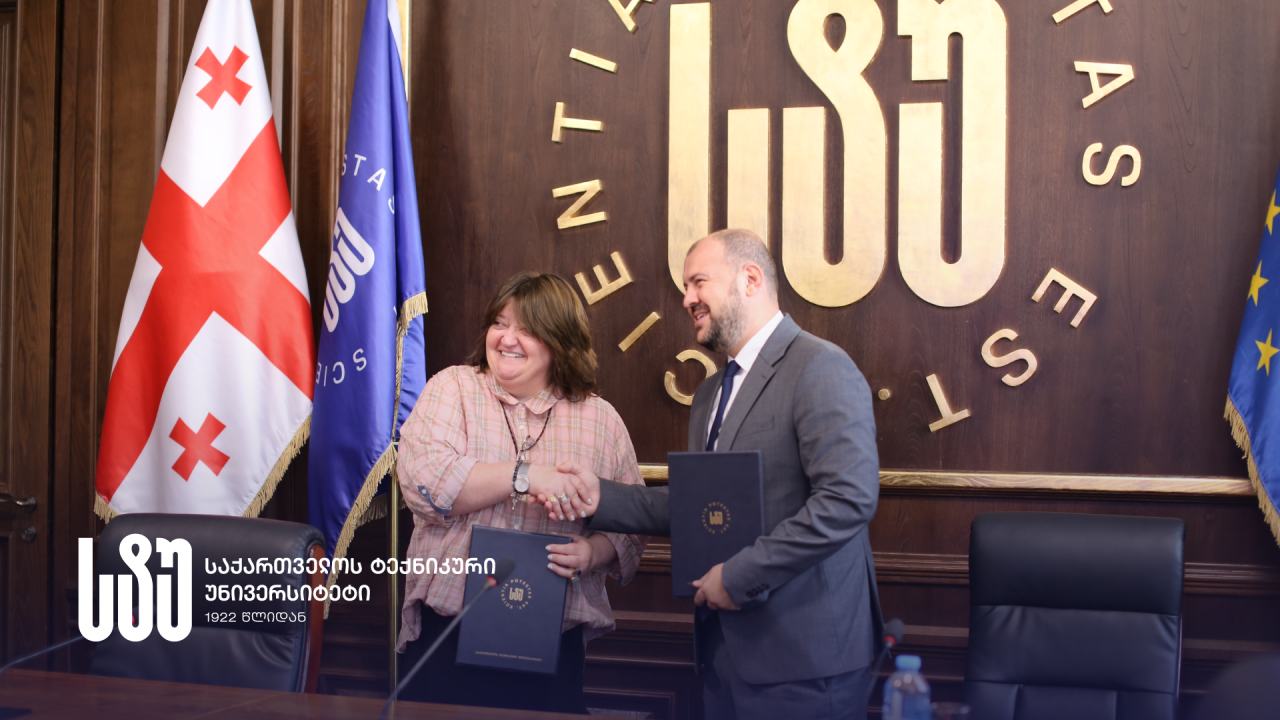
Memorandum of Cooperation between GTU and the Land Transport Agency has been renewed
Vice-Rector of the Georgian Technical University, Professor Tamar Tsereteli and Director of the LEPL Land Transport Agency Bakur Mikadze signed...
Memorandum
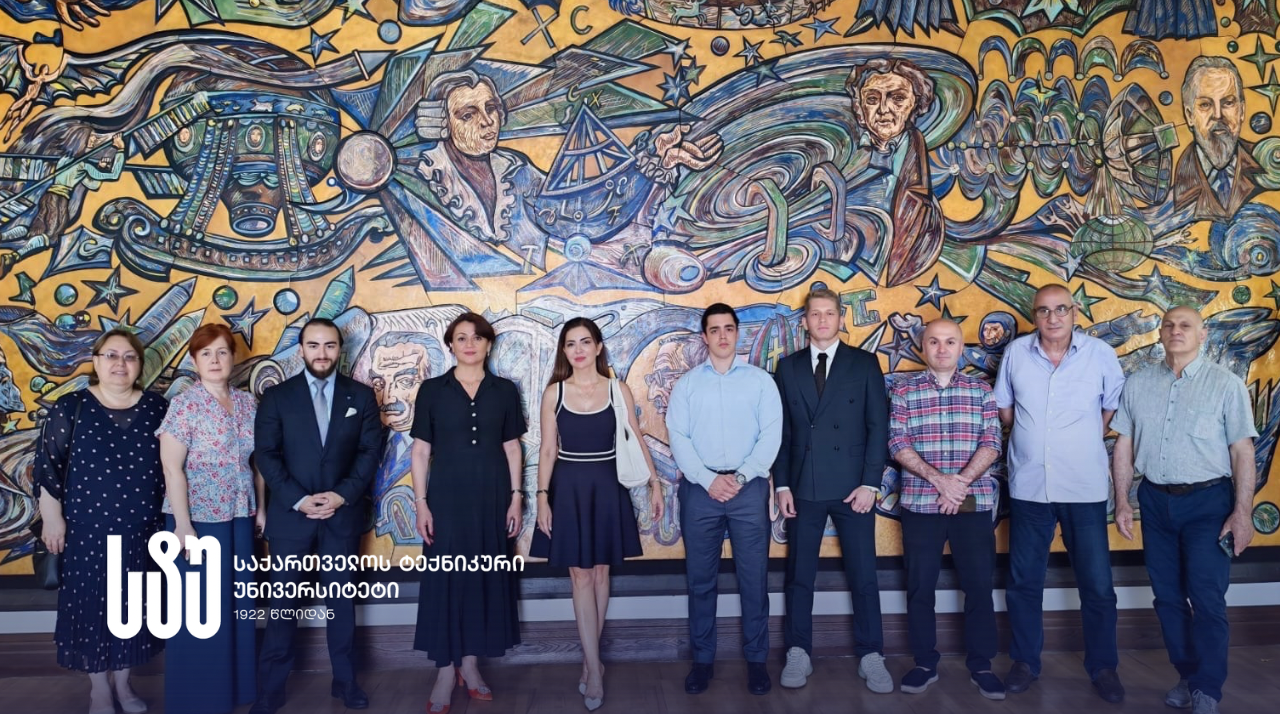
Strategic Partnership Between GTU and the Official Representative of Carl Zeiss, AMK Management
The Georgian Technical University and AMK Management, the official representative of the global scientific technology company Carl Zeiss, have signed...
News
Memorandum Signed Between GTU and “Global Cell”
The Vice-Rector of the Georgian Technical University, Professor Tamar Tsereteli, and the Director of “Global Cell LLC”, Giorgi Maduashvili, signed...
Memorandum
Rector Academician David Gurgenidze: GTU to Participate in Another Major CERN International Project
During his official visit to the European Organization for Nuclear Research (CERN) in Geneva, Rector of Georgian Technical University, Academician...
Memorandum
GTU and “Regional Healthcare Center” Sign Cooperation Memorandum
Students of Georgian Technical University will soon have the opportunity to develop practical skills and gain professional and research experience...
Memorandum
Professor Alexander Taliashvili’s Funding Established for Outstanding Students
“It is gratifying that, from now on, talented and motivated students of the Georgian Technical University who win competitions with...