Modern Scientific Center for Materials Research at GTU
“Creating a modern research infrastructure is one of the key priorities of the Georgian Technical University. The Materials Research Center enables us to bring scientific research closer to the needs of industry, create a modern environment where students and young researchers can engage in practical research, and provide the public and private sectors with expert and laboratory services that meet international standards,” says Zurab Avalishvili, Head of the Materials Research Center at GTU.
The Georgian Technical University continues to strengthen its scientific and research capacity by expanding research opportunities, deepening international cooperation, and increasing the involvement of young researchers. These efforts are supported through the development of modern laboratory infrastructure and the implementation of innovative projects.
One of the university’s most significant initiatives in this area is the Materials Research Center, which houses state-of-the-art scientific infrastructure and is one of the most specialized research platforms in Georgia’s higher education sector.
Established in 2024 with the support of the Rector of the Georgian Technical University, Academician David Gurgenidze, and the University’s Chancellor, Professor Carlo Kopaliani, the Center integrates education, science, and innovation. It is dedicated to advancing scientific research, supporting educational activities, and providing practical and commercial services.
According to Professor Liana Targamadze, Dean of the Faculty of Agricultural Sciences and Chemical Technologies, the Center’s primary mission is to conduct comprehensive research on metals and other engineering materials using advanced research technologies and highly qualified specialists. It also aims to generate new scientific knowledge, provide practical training opportunities for students and young researchers, and deliver high-quality expert and laboratory services to both public institutions and private companies.
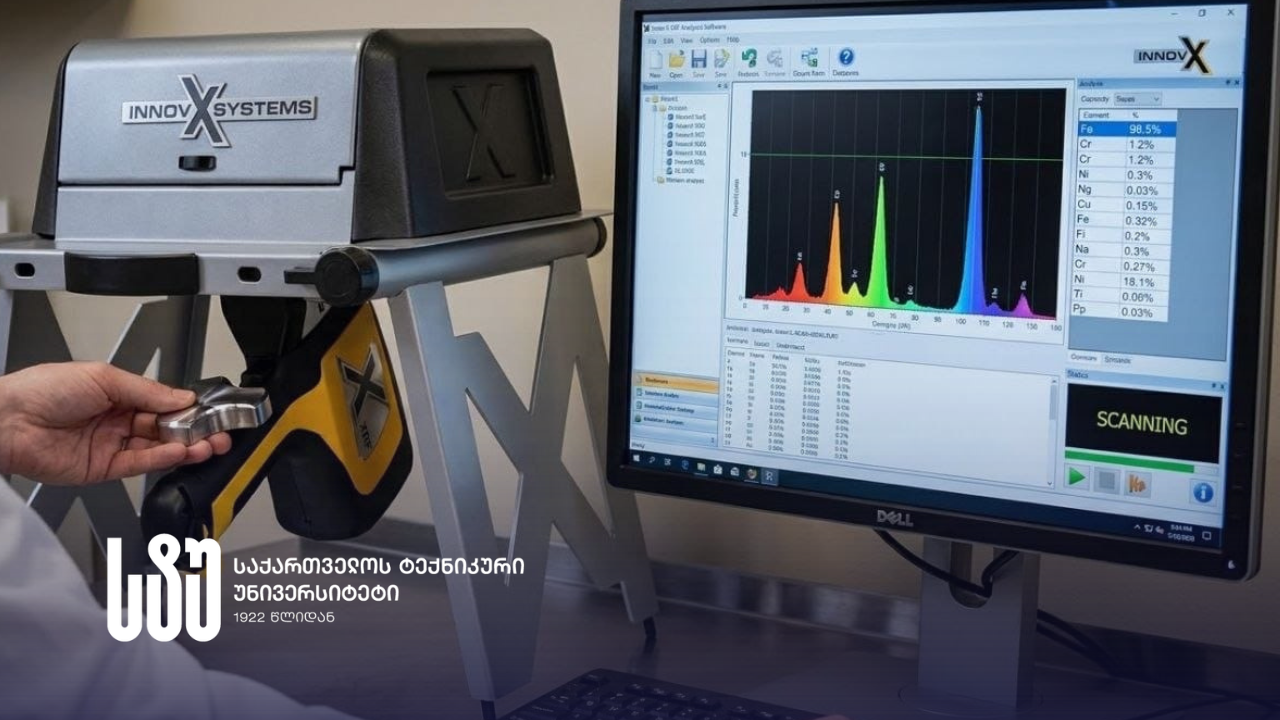
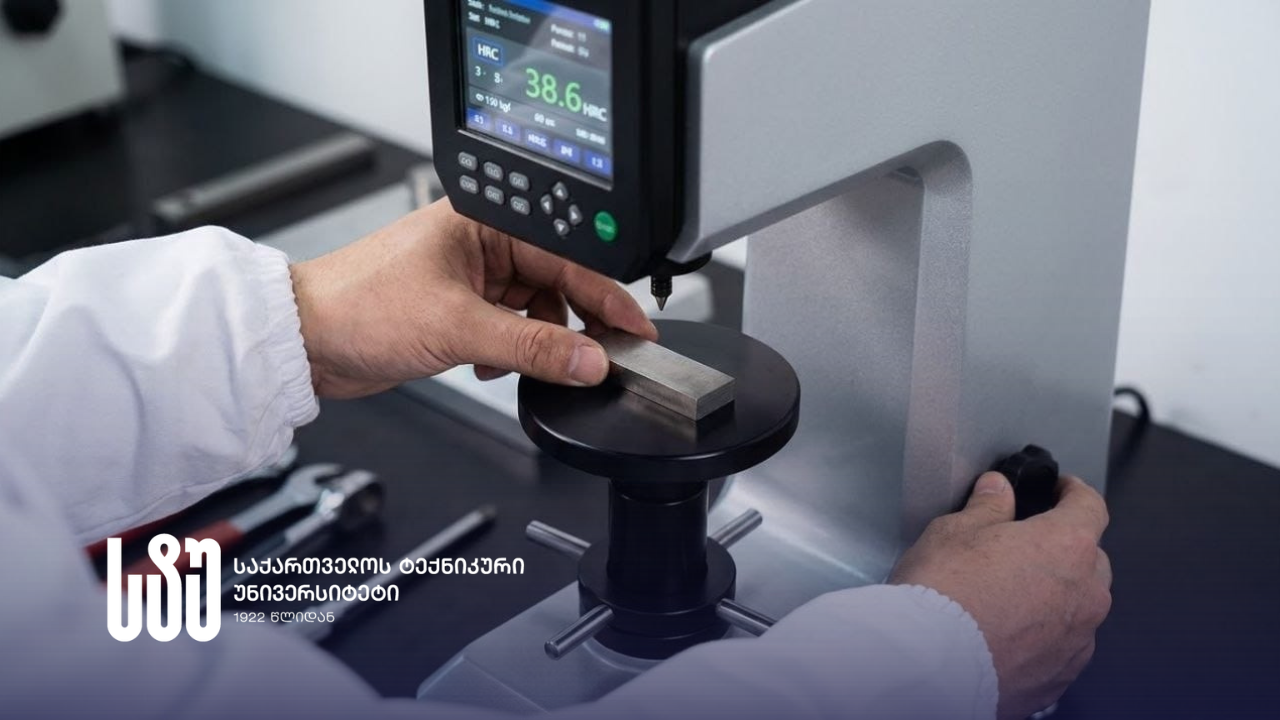
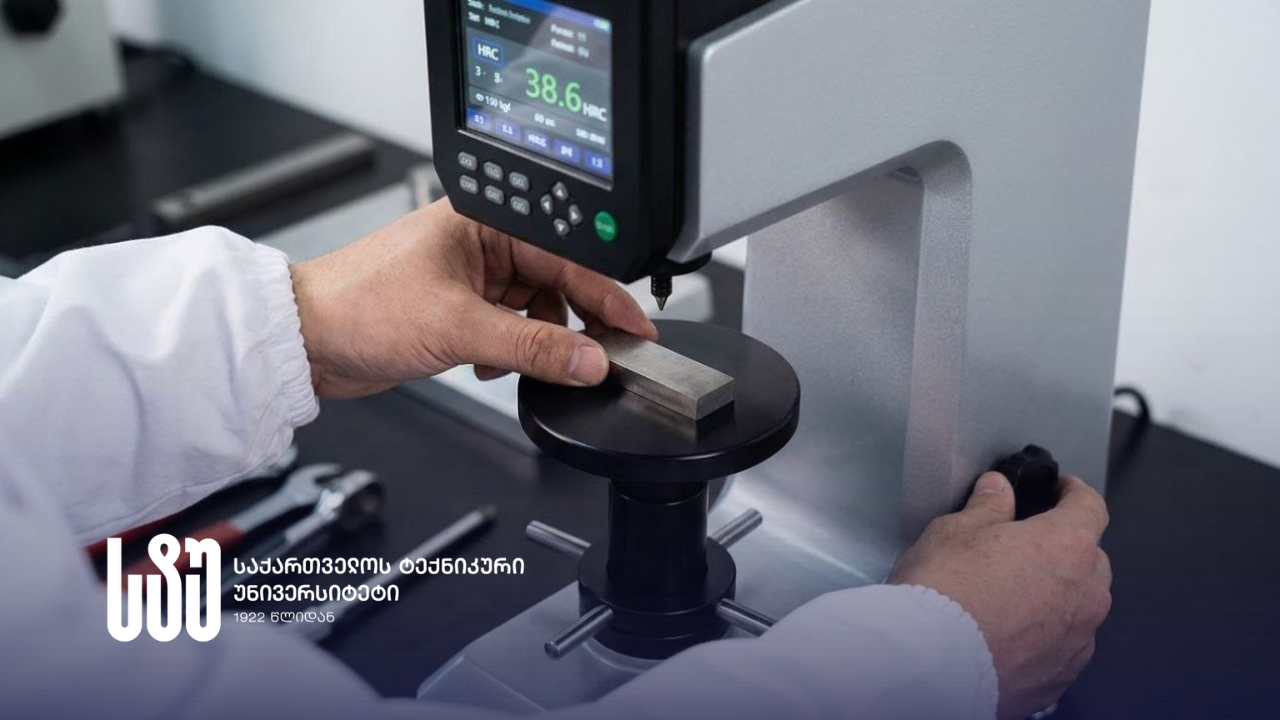
Professor Targamadze notes that the Materials Research Center is equipped with advanced research equipment and provides comprehensive materials analysis. The Center performs chemical, mechanical, and metallographic studies, evaluates the physical and mechanical properties of materials, examines their microstructure, and determines their compliance with international standards.
“The Center is equipped with modern research equipment and offers comprehensive materials analysis, including chemical, mechanical, and metallographic studies, evaluation of physical and mechanical properties, and assessment of compliance with international standards.
The facilities are available to university students, doctoral candidates, researchers, enterprises, private companies, engineers, and specialists from various fields who require analysis of the quality, structure, and performance characteristics of materials.
The laboratory is capable of examining metals and alloys, engineering materials, composites, polymers, and samples produced through various technological processes. Such research is essential for mechanical engineering, construction, energy, manufacturing, and many other engineering disciplines.
The development of the Materials Research Center is one of the University’s strategic priorities for strengthening its scientific potential. Modern research infrastructure enables us to provide students and young researchers with practice-oriented education while offering highly qualified expert and laboratory services to industry. Our goal is to establish the Center as a space where academic knowledge, innovation, and industrial needs come together.”
– Professor Liana Targamadze
According to GTU Vice-Rector Professor Tamar Tsereteli, the Center’s research infrastructure serves not only students, doctoral candidates, and researchers of the Georgian Technical University, but also government institutions, private companies, industrial enterprises, and representatives of the construction, energy, mechanical engineering, and other industrial sectors requiring expert assessment and laboratory analysis of various materials. Professor Tsereteli emphasizes that the Center contributes significantly to the practical training of young scientists and students, the implementation of new research projects, and the active integration of the Georgian Technical University into international research networks.
“Today, the convergence of science and industry is becoming increasingly important. Research centers such as this are essential pillars of scientific and technological development, not only for the university but also for the country as a whole. We are confident that the Center will carry out numerous significant research and innovation projects, making a substantial contribution to the advancement of both science and industry.
Modern laboratory infrastructure is a fundamental prerequisite for high-quality education, internationally competitive scientific research, and the development of innovative technologies. The Materials Research Center provides students, researchers, and industry representatives with the opportunity to conduct research in accordance with international standards and obtain highly accurate results. Equally important, the Center establishes a solid foundation for strengthening cooperation between the University and the industrial sector, thereby supporting the country’s economic and industrial development.”
– Professor Tamar Tsereteli
The Materials Research Center researches metals and alloys, composite and polymer materials, engineering and construction materials, as well as samples produced through various technological processes. Its research enables users to evaluate the quality, durability, structure, operational suitability, and compliance of materials with international standards. As an important platform connecting science, education, and industry, the Materials Research Center contributes to the development of innovative technologies, enhances industrial competitiveness, and strengthens Georgia’s scientific and technological potential.
Related
Scientific
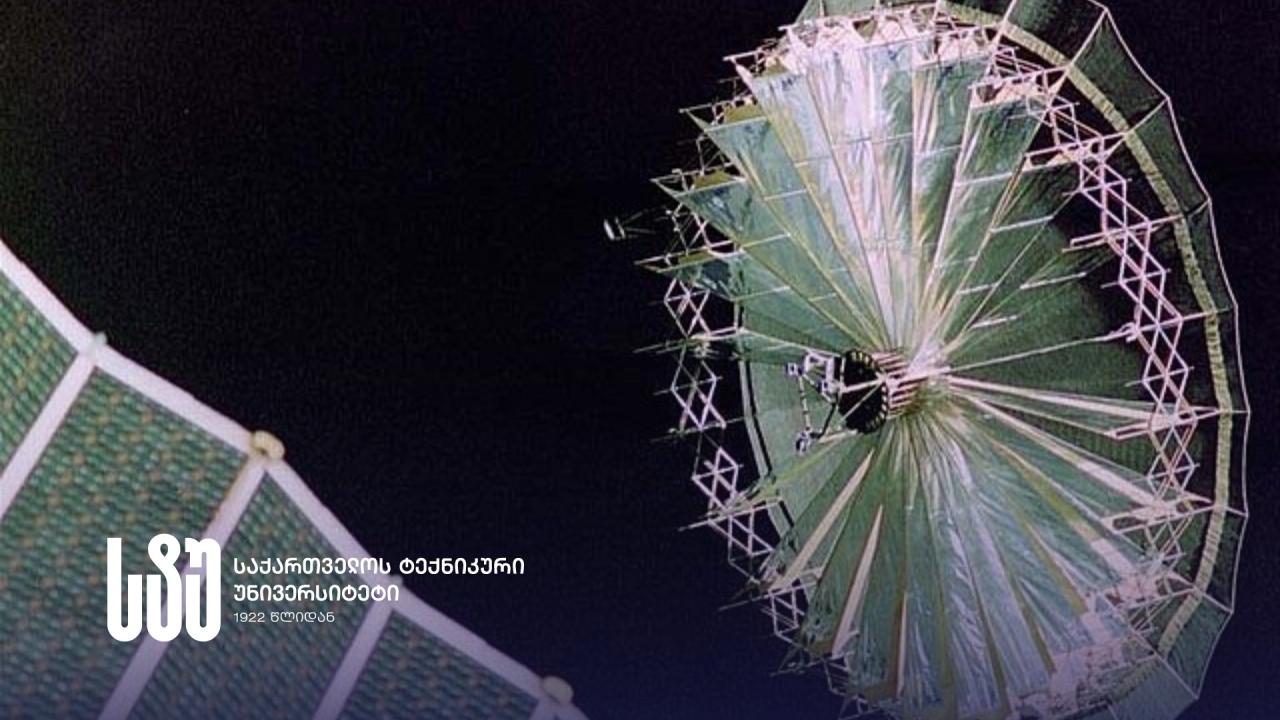
July 23 is the day of the first Georgian space object
27 years ago, on July 23, 1999, for the first time in the history of independent Georgia, the Georgian scientific...
News
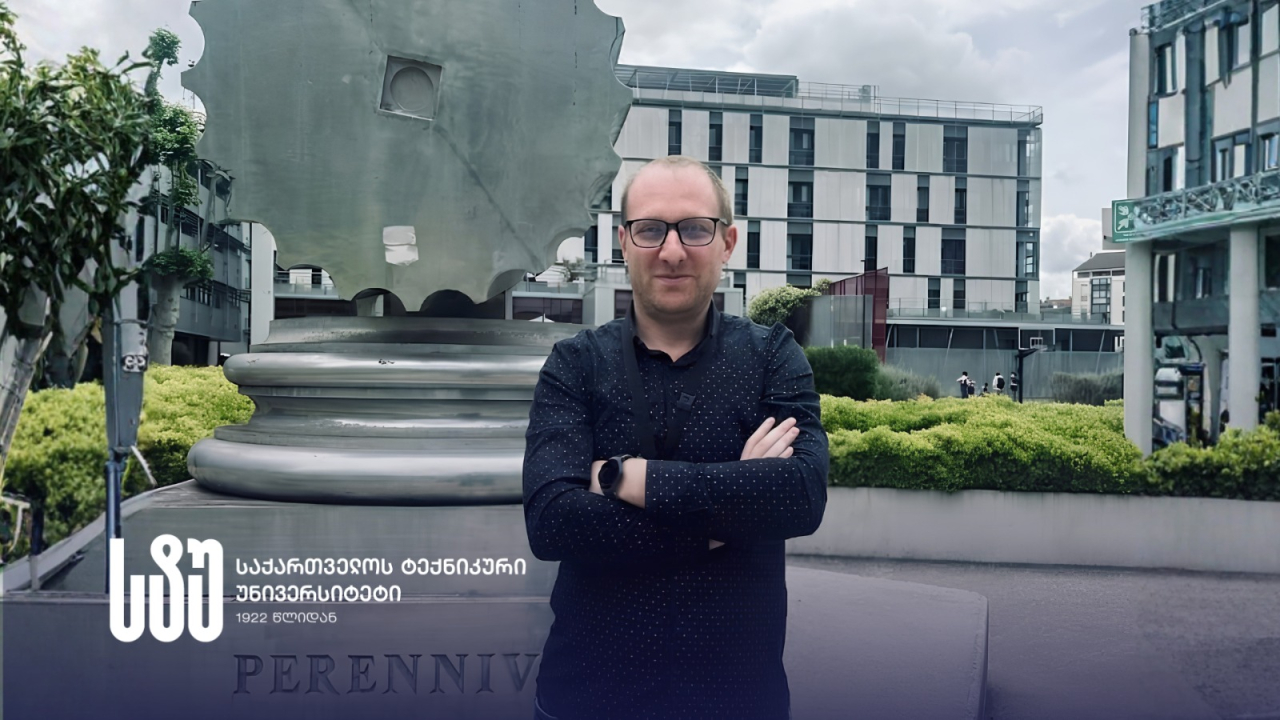
GTU Doctoral Student Roman Tsertsvadze to Deliver a Lecture Course at a Leading Engineering University in France
Roman Tsertsvadze, a doctoral student at the Faculty of Informatics and Control Systems of the Georgian Technical University, will deliver...
News
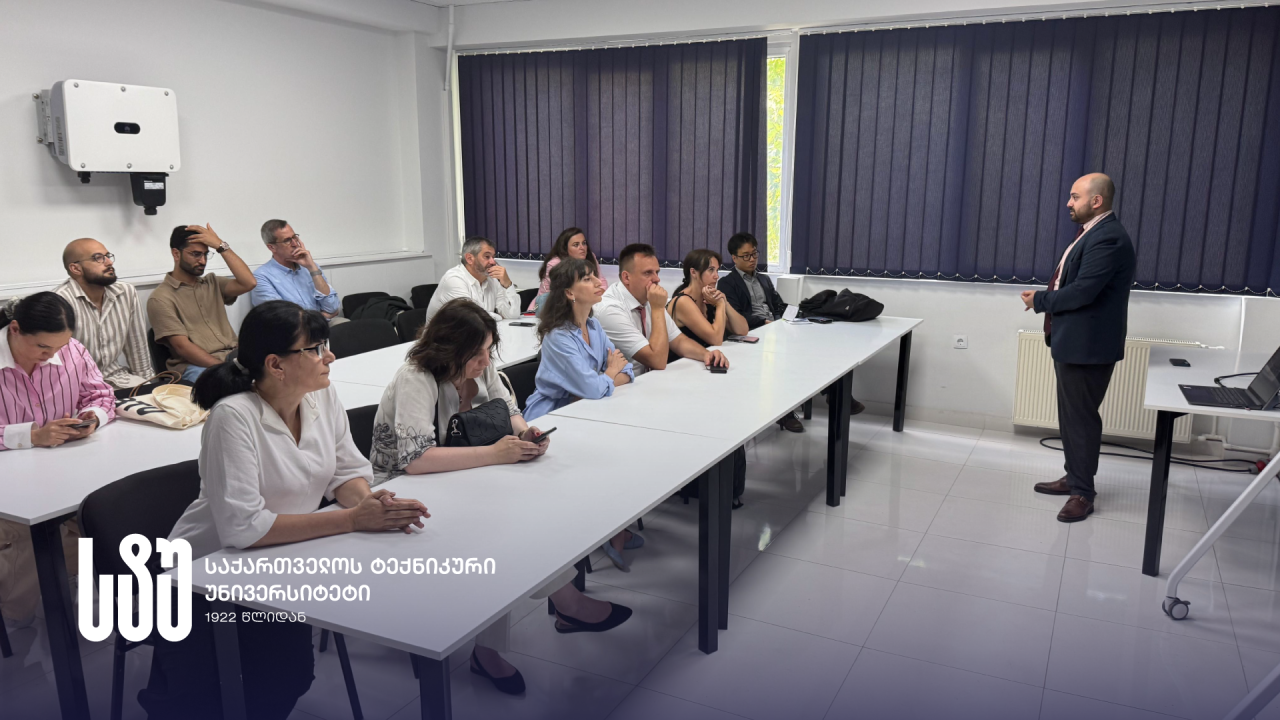
New Renewable Energy Laboratory Opens at GTU
A Renewable Energy Training Laboratory has been opened at the Faculty of Power Engineering of the Georgian Technical University within...
Scientific
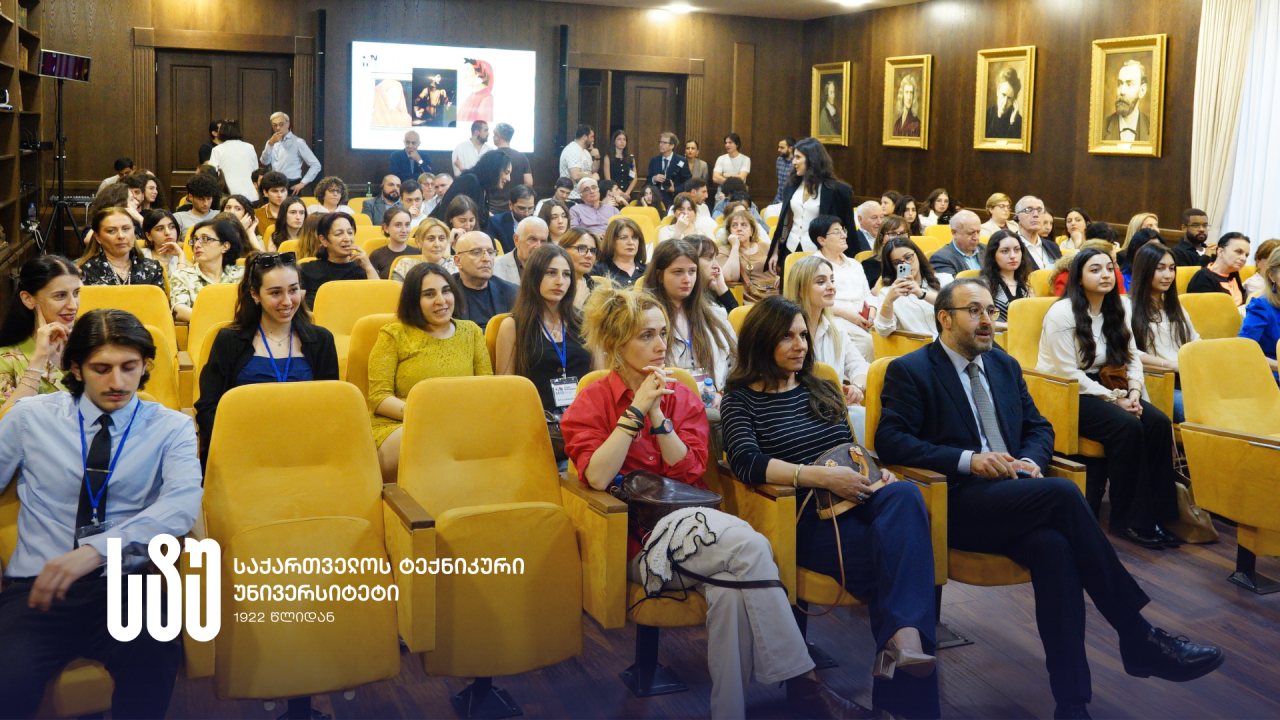
GTU Hosts Public Lecture by Dante Alighieri Society Secretary General Professor Alessandro Masi
Georgian Technical University hosted a public lecture by Professor Alessandro Masi, Secretary General of the Dante Alighieri Society, as part...

Scientific
The Archil Eliashvili Institute of Control Systems administration of the Georgian Technical University announces an open competition
The Scientific Council of the Archil Eliashvili Institute of Control Systems of the Georgian Technical University announces an open competition...
Scientific
GTU Becomes a Member of the International Council on Large Electric Systems (CIGRE)
Georgian Technical University has become a member of the International Council on Large Electric Systems (CIGRE – Conseil International des...